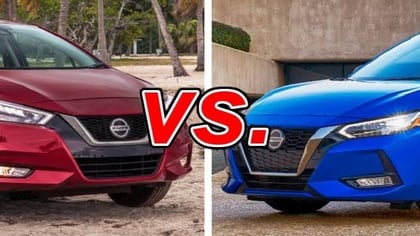
Are you trying to decide between the Nissan Sentra and the Versa but feeling stuck? Both cars have a lot to offer, but which one truly fits your needs and lifestyle?
Choosing the right car can save you money, time, and stress. You’ll discover the key differences that matter most—like fuel efficiency, comfort, and features—so you can make a clear, confident choice. Keep reading, because by the end, you’ll know exactly which Nissan model is better for you.
Design And Style
The design and style of a car shape how you feel every time you get behind the wheel. Both the Nissan Sentra and Versa aim to catch eyes and offer comfort, but they do it in different ways. Let’s look closely at their exterior features, interior comfort, and color options to see which might suit your taste and lifestyle better.
Exterior Features
The Nissan Sentra offers a bold and sporty look with sharper lines and a more aggressive front grille. It feels like a car that’s ready to move fast, even when parked. The Versa, on the other hand, leans toward a more subtle and compact design, which makes it easier to maneuver in tight city spaces.
Both cars have LED daytime running lights, but the Sentra includes available fog lights and a more sculpted rear end. If you value a sleek, modern look that stands out on the road, the Sentra might catch your eye more quickly. Do you prefer a car that looks like it’s built for speed, or one that’s practical and easygoing?
Interior Comfort
Step inside the Sentra, and you’ll notice a more spacious cabin with higher-quality materials. Its seats offer better support, especially on longer drives, which can make a big difference if you spend a lot of time behind the wheel. The Versa is cozy but feels a bit simpler and less refined by comparison.
Both cars provide user-friendly infotainment systems, but the Sentra’s options include more tech upgrades like a larger touchscreen and available leather upholstery. If comfort and a touch of luxury matter to you, the Sentra might feel like a better fit. How important is interior refinement on your daily commute?
Color Options
The Nissan Sentra comes in a wider range of color choices, including vibrant shades like Scarlet Ember and Pearl White TriCoat. These options allow you to express your personality more boldly. The Versa’s palette is more basic, focusing on practical and neutral tones.
Choosing the right color can influence how much you enjoy your car every day. Would you rather blend in with easy-to-match colors, or make a statement with a unique shade? This small detail might be more important than you think when picking between these two models.
Performance And Engine
Choosing between the Nissan Sentra and Versa often boils down to how they perform on the road and what their engines offer. Your driving experience depends heavily on these factors, especially if you want a car that feels responsive and efficient. Let’s break down their engine specs, fuel efficiency, and handling to see which one suits your needs better.
Engine Specifications
The Nissan Sentra comes with a 2.0-liter 4-cylinder engine producing around 149 horsepower. It offers a bit more power, which can make a difference if you often drive on highways or need quick acceleration.
The Versa, on the other hand, has a smaller 1.6-liter 4-cylinder engine with about 122 horsepower. It’s less powerful but still capable enough for city driving and daily errands.
Think about how you use your car. Do you need that extra boost from the Sentra’s engine, or is the Versa’s lighter setup enough for your everyday routes?
Fuel Efficiency
Fuel savings can add up, especially if you drive a lot. The Versa shines here with an EPA-estimated 35 MPG combined, making it a great choice for budget-conscious drivers.
The Sentra is slightly less efficient, averaging around 33 MPG combined. While the difference isn’t huge, it could matter if you cover long distances frequently.
- Versa:Better for city driving and shorter commutes.
- Sentra:Balances power with decent fuel economy for mixed driving.
Which side of the fuel economy vs. power scale do you lean toward?
Handling And Ride Quality
The Sentra offers a more refined ride with improved suspension that absorbs bumps better. It feels stable and confident on curves, giving you more control.
The Versa is lighter and nimbler, making it easy to maneuver in tight spots like parking lots or crowded streets. However, its ride can be a bit firmer on rough roads.
If you prioritize comfort on longer drives, the Sentra might win you over. But if you mostly navigate urban environments, the Versa’s agility could be more appealing.
Technology And Features
Technology and features can make a huge difference in your daily driving experience. Both the Nissan Sentra and Versa offer modern tech, but the way they deliver it affects convenience, safety, and enjoyment. Let’s dive into what each car brings to the table so you can decide which fits your lifestyle better.
Infotainment Systems
The Nissan Sentra comes with a 7-inch touchscreen as standard, while higher trims offer an 8-inch display. It supports Apple CarPlay and Android Auto, making it easy to connect your smartphone and stay entertained or navigate without distractions.
The Versa also includes a 7-inch touchscreen with smartphone integration, but its interface feels a bit less responsive compared to the Sentra’s. If you rely heavily on your phone’s apps and want smoother interaction, the Sentra might edge ahead here.
Safety Technologies
Both models come equipped with Nissan’s Safety Shield 360, which includes automatic emergency braking, pedestrian detection, blind-spot monitoring, and rear cross-traffic alert. However, the Sentra offers some additional options like rear automatic braking on higher trims.
Having these systems active can really boost your confidence on busy roads or in tricky parking situations. Ask yourself: how often do you drive in heavy traffic or areas with pedestrians? That might help you prioritize which safety features are must-haves.
Driver Assistance Features
The Sentra provides adaptive cruise control and lane-keeping assist on most trims, helping reduce fatigue during long drives. The Versa offers these features, but mostly on its top trim, which means you might pay more to get the same level of driver support.
Imagine cruising on the highway with adaptive cruise control smoothing out your speed changes—does that sound like a feature you’d use daily? If yes, the Sentra’s broader availability of these systems could be a big advantage.

Credit: www.albinissan.com
Space And Practicality
Space and practicality matter a lot in small cars. They affect comfort and daily use. Both the Nissan Sentra and Versa offer practical features. Each car has strengths in room and storage. Let’s explore how they compare in these areas.
Passenger Room
The Nissan Sentra provides more legroom for passengers. Front and rear seats feel less cramped. The Versa offers a cozy cabin with enough space for four adults. Taller passengers may find the Sentra more comfortable. Both cars have supportive seats for short and long drives.
Cargo Capacity
The Sentra has a larger trunk than the Versa. It fits more luggage and groceries easily. The Versa’s trunk suits daily errands and small trips. Folding rear seats in both cars help carry bigger items. Choose Sentra for bigger cargo needs.
Storage Solutions
- The Sentra includes roomy door pockets and a center console.
- It has cup holders and compartments for small items.
- The Versa offers practical storage with easy-to-reach spaces.
- Both cars have glove boxes and seatback pockets for extra storage.
- Sentra’s storage is slightly more versatile for organizing items.
Pricing And Value
Pricing and value are crucial when choosing between the Nissan Sentra and Versa. Both cars offer affordability but differ in features and costs. Understanding their price points and ownership expenses helps buyers make smart choices.
Base Price Comparison
The Nissan Versa starts at a lower price than the Sentra. Versa’s base model is ideal for budget buyers. Sentra offers more power and comfort but costs more upfront. The price difference reflects the added features and size of the Sentra.
Trim Levels And Options
Both models have multiple trims to suit various needs. Versa trims focus on basic features and fuel efficiency. Sentra trims offer advanced tech and safety options. Buyers can choose packages to add convenience and style. The Sentra’s higher trims bring more luxury features than the Versa.
Cost Of Ownership
Fuel economy is strong in both cars, helping save money over time. Maintenance and repair costs are generally low for both models. Insurance rates may be slightly higher for the Sentra due to its size and features. Depreciation rates are similar, with the Versa holding value well in the entry-level segment.

Credit: www.standardnissan.ca
Reliability And Warranty
Choosing between the Nissan Sentra and Versa means looking closely at how reliable each car is and what kind of warranty support you get. These factors play a big role in your ownership experience and can save you money and headaches down the road. Let’s break down the reliability ratings, warranty coverage, and maintenance costs for both models so you can make an informed decision.
Reliability Ratings
The Nissan Sentra generally scores higher in reliability compared to the Versa. Owners report fewer mechanical issues and better long-term performance with the Sentra’s engine and transmission. On the other hand, the Versa is known for being a budget-friendly option but may require more frequent repairs over time.
Have you noticed some cars just seem to last longer without problems? The Sentra often fits this description, which might be worth the slightly higher upfront cost.
Warranty Coverage
Both the Sentra and Versa offer similar warranty packages, including a 3-year/36,000-mile basic warranty and a 5-year/60,000-mile powertrain warranty. This means Nissan backs the core components equally for both models.
However, the Sentra sometimes comes with additional perks like roadside assistance, depending on the trim level. You might want to check if these extras matter for your daily driving needs.
Maintenance Costs
Maintenance for the Versa tends to be cheaper due to its simpler design and smaller parts. Oil changes, brake pads, and tire replacements usually cost less than the Sentra’s, which has a larger engine and more features.
Still, the Sentra’s better reliability can mean fewer unexpected repairs, which might balance out the slightly higher routine maintenance costs over time.
Would you prefer to pay less regularly or avoid surprise repair bills? Your answer could guide you toward the right choice.
Driving Experience
The driving experience plays a key role in choosing between the Nissan Sentra and Versa. Both cars offer distinct feelings on the road. How smooth the ride is, how quiet the cabin stays, and how easily the car moves all affect daily driving satisfaction. Understanding these factors helps pick the right model for your needs.
Comfort On The Road
The Nissan Sentra provides a softer ride with better shock absorption. It handles bumps and rough roads well. The Versa offers a more basic suspension, which feels firmer. Longer drives feel less tiring in the Sentra due to its spacious seats and smooth ride.
Noise And Vibration
The Sentra has better sound insulation, keeping road noise low. Engine and wind noise stay quieter inside the cabin. The Versa is a bit louder, especially at high speeds. Vibrations from the engine and road can be felt more in the Versa’s cabin.
Maneuverability
The Versa shines in tight city streets with its smaller size and quick steering. Parking is easier and turns feel sharper. The Sentra is larger but still handles well for its size. It offers stable control on highways and smooth cornering on curves.
Final Verdict
The choice between the Nissan Sentra and Versa depends on your daily needs and budget. Both cars offer great value but serve different priorities. Understanding their strengths helps you pick the right one for your lifestyle. Here’s a clear look at which model fits best in various situations.
Best For Daily Commute
The Nissan Sentra stands out for daily commuting. It offers a smoother ride and more comfort on long drives. Its engine delivers better performance on highways. Inside, the cabin is quieter and more spacious. These features reduce fatigue during daily travel.
Ideal For Budget Buyers
The Nissan Versa is perfect for budget buyers. It costs less upfront and has lower maintenance expenses. Fuel efficiency is impressive, saving money at the pump. The Versa covers all basic needs without extra frills. It’s a smart choice for those watching their spending.
Which One Suits Your Needs
- Choose Sentra for comfort, space, and power.
- Pick Versa for affordability and fuel savings.
- Consider how often and far you drive.
- Think about the features you value most.
- Test drive both to feel the difference.

Credit: www.stouffvillenissan.com
Frequently Asked Questions
Which Car Offers Better Fuel Efficiency, Sentra Or Versa?
The Nissan Versa generally offers better fuel efficiency than the Sentra. Versa’s smaller engine consumes less fuel, making it ideal for city driving and longer commutes. However, Sentra provides a balance of performance and economy for those who want more power.
Is The Nissan Sentra More Spacious Than The Versa?
Yes, the Nissan Sentra is more spacious than the Versa. It offers more legroom and cargo space, enhancing passenger comfort. The Sentra suits families or those needing extra room, while the Versa is better for smaller groups or city use.
Which Car Has More Advanced Safety Features?
The Nissan Sentra typically includes more advanced safety features than the Versa. It often comes with additional driver assistance technologies like blind-spot monitoring and rear cross-traffic alert. Both vehicles offer essential safety, but Sentra provides a higher level of protection.
How Do Sentra And Versa Compare In Terms Of Price?
The Nissan Versa is usually more affordable than the Sentra. Versa targets budget-conscious buyers, offering essential features at a lower price. Sentra costs more but provides enhanced comfort, technology, and performance, justifying the higher investment.
Conclusion
Both the Nissan Sentra and Versa offer good value for money. The Sentra has more space and power. The Versa is easier on fuel and costs less. Think about what matters most to you. Comfort or savings? Bigger car or better mileage?
Each model suits different needs. Choose the one that fits your lifestyle best. Both cars have strong safety features and modern design. Either way, you get a reliable Nissan. The decision is simple when you weigh your priorities.