Are you wondering how to keep your Jeep running smoothly and extend the life of your tires? Rotating your Jeep tires is one of the easiest and most effective ways to do just that.
If you skip this simple step, you might end up facing uneven tire wear, poor handling, or even costly replacements sooner than you expect. You’ll learn exactly how to rotate your Jeep tires quickly and safely, saving you money and improving your ride.
Keep reading to discover the step-by-step process that every Jeep owner should know.
Why Rotate Jeep Tires
Rotating your Jeep tires is more than just routine maintenance—it’s essential for keeping your vehicle safe and performing at its best. Tires wear unevenly depending on their position, and rotating them helps balance that wear. Understanding why you need to rotate your Jeep tires can save you money and keep your ride smooth.
Benefits Of Tire Rotation
Rotating your Jeep tires regularly extends their lifespan. When you swap tires from front to back and side to side, you even out the wear patterns. This means you get more mileage out of each tire, saving you from premature replacements.
Another key benefit is improved handling and safety. Uneven tire wear can cause your Jeep to pull to one side or affect braking. Rotating tires keeps traction consistent, especially important if you take your Jeep off-road or drive in wet conditions.
Think about fuel efficiency too. Tires that wear unevenly increase rolling resistance, making your engine work harder. Rotated tires help maintain better fuel economy, so you spend less at the pump.
Signs Tires Need Rotation
How can you tell if your Jeep’s tires need rotation? One clear sign is uneven tread wear. If one tire looks more worn down than the others, it’s time to rotate.
Listen for unusual noises while driving, such as vibrations or thumping sounds. These can indicate uneven tire wear or alignment issues that rotation can help address.
Also, if your Jeep starts pulling to one side or you notice less grip in certain conditions, your tires may need attention. Rotating them can restore balance and improve control.
Have you checked your tire tread depth recently? Using a simple penny test can help you spot uneven wear early. Don’t wait for a blowout or loss of traction to take action.
When To Rotate Tires
Knowing when to rotate your Jeep tires is key to keeping them in top shape and ensuring your safety on the road. Tires wear unevenly depending on driving habits, terrain, and vehicle type. Rotating them at the right time helps extend their life and improves performance.
Mileage Recommendations
Most Jeep owners should consider rotating tires every 5,000 to 7,000 miles. This range aligns well with regular oil changes, making it easier to remember. Check your Jeep’s owner manual for specific guidance, as some models might have different recommendations.
If you drive mostly on highways, you might get closer to the 7,000-mile mark before needing a rotation. Off-road or city driving with frequent stops and turns can cause faster wear, so aim for the lower end of the range.
Seasonal Considerations
Think about your driving conditions throughout the year. If you switch between summer and winter tires, rotating them at the start of each season is smart. This ensures even wear across all tires and better traction when the weather changes.
Also, harsh winter roads with ice and snow can wear tires unevenly. Rotating before winter can prepare your Jeep for these tough conditions. After winter, inspect and rotate again to fix any uneven wear caused by salty, rough roads.
Have you noticed your Jeep pulling to one side or vibrations while driving? These can be signs it’s time to rotate your tires sooner. Paying attention to these clues can save you money and keep your rides smooth.
Tools Needed
Rotating Jeep tires is a task that can save you money and extend the life of your tires. Before you start, gathering the right tools is crucial. Having everything ready makes the process smooth and safe.
Basic Equipment List
- Jack:A sturdy hydraulic or scissor jack is essential to lift your Jeep safely off the ground.
- Lug wrench:This helps you loosen and tighten the lug nuts securing your tires.
- Jack stands:Never rely on the jack alone—jack stands provide stable support while you work.
- Torque wrench:Ensures lug nuts are tightened to the manufacturer’s specifications, preventing over-tightening or under-tightening.
- Wheel chocks:Place these behind the wheels to keep your Jeep from rolling while lifted.
- Gloves:Protect your hands from dirt, sharp edges, and grime during the rotation process.
Safety Gear
Your safety should be a top priority when rotating tires. Wearing the right gear protects you from unexpected accidents and injuries.
- Protective gloves:Keep your hands clean and safe from cuts or scrapes.
- Safety glasses:Prevent dirt or rust particles from getting into your eyes.
- Closed-toe shoes:Avoid open footwear to protect your feet from falling tools or tires.
- Reflective vest:If you’re working near a road or in low-light conditions, this makes you more visible to passing traffic.
Have you ever tried rotating your tires without a torque wrench? I did once, and I ended up with a wheel that was too loose. It was a tough lesson on why the right tools matter. Which tool do you think is the most important in your garage?
Credit: www.wranglerforum.com
Preparing Your Jeep
Preparing your Jeep properly is the key to a smooth and safe tire rotation. Taking the time to set up your vehicle correctly prevents accidents and makes the job easier. Let’s look at how to get your Jeep ready step-by-step before lifting any tires off the ground.
Parking And Securing
Start by parking your Jeep on a flat, solid surface. Avoid slopes or soft ground, as these can make the vehicle unstable during the rotation process.
Engage the parking brake firmly to keep the Jeep from rolling. If you have wheel chocks, place them behind the wheels that will stay on the ground to add extra stability.
Have you noticed how a slight movement can make lifting a tire tricky? Securing your Jeep well prevents this and keeps you safe while working.
Loosening Lug Nuts
Before you raise your Jeep, loosen the lug nuts on the tires you plan to rotate. Use a lug wrench or tire iron to turn them counterclockwise, but don’t remove them completely yet.
Loosening the nuts first is easier because the tire is still firmly on the ground, giving you better leverage.
If you find the lug nuts too tight, try standing on the wrench carefully or use a breaker bar for more force. This small step saves frustration after the Jeep is lifted.
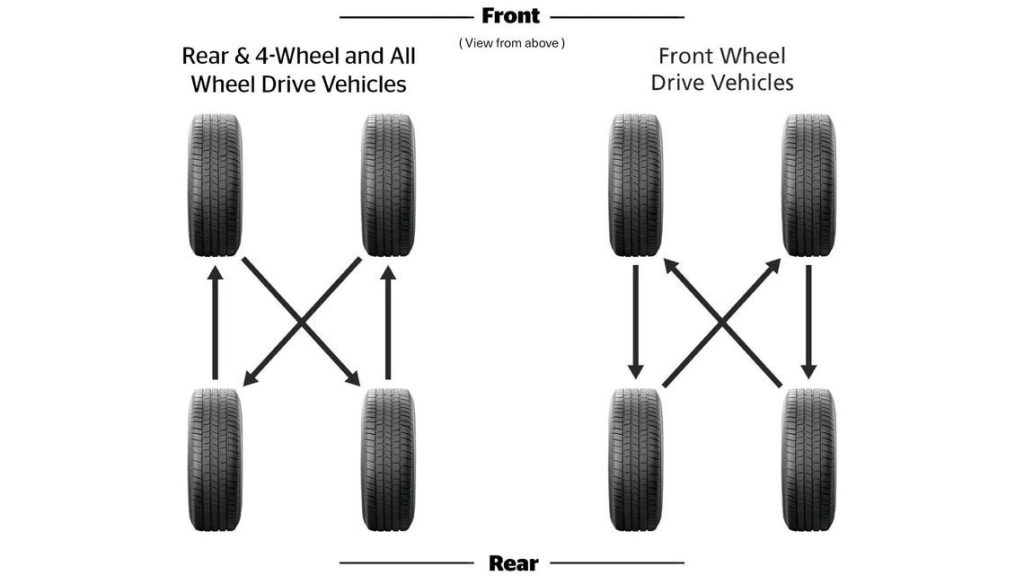
Tire Rotation Patterns
Understanding the right tire rotation pattern is crucial for extending the life of your Jeep’s tires and ensuring even wear. Different drivetrains require different rotation methods to balance tread wear effectively. Let’s break down the most common patterns for various Jeep models based on their drive systems.
Front-wheel Drive Patterns
In front-wheel drive Jeeps, the front tires handle both steering and power, so they wear out faster. To even out the wear, the rear tires move to the front on the same side.
- The front tires cross to the opposite rear positions.
- The rear tires move straight ahead to the front.
This pattern helps maintain traction and prolongs tire life. Have you checked if your Jeep’s front tires feel more worn than the rear? That’s a sign it’s time to rotate.
Rear-wheel Drive Patterns
Rear-wheel drive Jeeps put more strain on the rear tires. The rotation pattern here reverses the front-wheel drive pattern to address that.
- The rear tires move straight to the front.
- The front tires cross to the opposite rear positions.
This simple swap keeps the tread wearing evenly. If you notice your rear tires losing tread faster, try this pattern next time you rotate.
Four-wheel Drive Patterns
Four-wheel drive Jeeps require a more balanced approach since all tires share the load. The most common pattern is the “X-pattern.”
- Each tire moves diagonally to the opposite corner.
- Front left moves to rear right, front right moves to rear left, and vice versa.
This pattern helps all four tires wear evenly, critical for maintaining traction on rough terrains. Do you often take your Jeep off-road? Rotating your tires with this pattern can save you money and enhance safety.
Step-by-step Rotation Process
Rotating your Jeep’s tires is a crucial maintenance task that improves tire life and ensures better handling. The process might seem daunting if you’ve never done it, but breaking it down into clear steps makes it manageable. Here’s how you can rotate your Jeep tires safely and effectively.
Lifting The Jeep
Start by parking your Jeep on a flat, stable surface and engage the parking brake. Use a jack to lift the vehicle, placing it under the recommended lifting points, usually near the frame or axle. Always support your Jeep with jack stands to prevent accidents—never rely on the jack alone.
Removing Tires
Once the Jeep is securely lifted, loosen the lug nuts using a lug wrench before fully removing the tires. Keep the lug nuts in a safe place to avoid losing them. Removing the tires one at a time helps you keep track and makes the process smoother.
Switching Tire Positions
Check your Jeep’s tire rotation pattern—most 4x4s use a crisscross pattern where the front tires move to the rear opposite sides, and the rear tires move straight forward. If your tires are directional, rotate front to back on the same side. This switch evens out wear and improves traction.
Reinstalling Tires
Place each tire in its new position and hand-tighten the lug nuts to hold the wheel in place. Avoid forcing the tire onto the hub; if it doesn’t fit easily, check for alignment or debris. Hand-tightening first helps prevent cross-threading and makes final tightening easier.
Tightening Lug Nuts
Lower the Jeep slightly so the tires touch the ground but don’t bear full weight. Tighten lug nuts in a star or crisscross pattern to distribute pressure evenly. Use a torque wrench to tighten them to the manufacturer’s recommended torque—too loose or too tight can cause problems later.
Post-rotation Checks
After rotating your Jeep tires, the job isn’t quite finished. Post-rotation checks are crucial to ensure everything works smoothly and your vehicle remains safe on the road. Taking a moment to verify tire pressure and perform a short test drive can reveal issues before they become bigger problems.
Tire Pressure Adjustment
Check the tire pressure immediately after rotation. Tires often lose or gain pressure during the process, which can affect your Jeep’s handling and fuel efficiency.
Use a reliable tire pressure gauge and compare each tire’s pressure with the manufacturer’s recommended levels, usually found on the driver’s side door jamb or owner’s manual.
If you notice that one tire is significantly off, adjust it accordingly. Remember, uneven tire pressure can cause uneven wear and reduce your tires’ lifespan.
Test Drive Tips
Take your Jeep for a short drive to feel how the tires perform after rotation. Pay close attention to any vibrations, unusual noises, or pulling to one side.
Try driving on different surfaces and at varying speeds to get a comprehensive sense of the tire balance and alignment.
If something feels off, don’t hesitate to recheck the lug nuts, tire pressure, or consult a professional. A smooth ride means your rotation was successful and your Jeep is ready for any adventure.

Credit: www.reddit.com
Maintaining Tire Health
Maintaining tire health is key to keeping your Jeep safe and performing well on the road. Proper care extends the life of your tires and improves fuel efficiency. Let’s look at some practical ways you can keep your tires in top shape.
Regular Inspections
Check your tires often for signs of wear, cuts, or embedded objects. Look closely at the tread depth and sidewalls. If you notice uneven wear patterns, it could indicate a bigger issue with your Jeep’s suspension or alignment.
Pay attention to tire pressure too. Underinflated or overinflated tires can wear out unevenly and affect your vehicle’s handling. A simple pressure check once a month can save you from costly replacements.
Balancing And Alignment
Have your tires balanced whenever you notice vibrations while driving. Unbalanced tires cause uneven wear and strain on your Jeep’s suspension. Balancing ensures the weight is evenly distributed around the tire and wheel assembly.
Alignment is just as important. Misaligned wheels cause your tires to wear out faster on one side. If your Jeep pulls to one side or the steering wheel vibrates, it’s time for an alignment check. Proper alignment improves safety and maximizes tire life.

Credit: www.youtube.com
Frequently Asked Questions
How Often Should I Rotate My Jeep Tires?
Rotating your Jeep tires every 5,000 to 7,500 miles is recommended. This practice ensures even wear and extends tire life. Consistent rotations improve handling and fuel efficiency. Always refer to your vehicle’s manual for specific guidelines. Regular rotation helps maintain your Jeep’s performance and safety on various terrains.
What Is The Correct Tire Rotation Pattern For Jeeps?
The most common rotation pattern for Jeeps is the “rearward cross” method. This involves moving the rear tires to the front axle on the same side. The front tires are then crossed to the opposite rear positions. This pattern helps in achieving uniform tire wear and balanced handling.
Can I Rotate Jeep Tires At Home?
Yes, you can rotate Jeep tires at home with the right tools. You’ll need a jack, jack stands, and a lug wrench. Ensure your vehicle is on a flat surface. Follow the recommended rotation pattern for your Jeep model. Always check tire pressure after rotation for optimal performance.
Do I Need To Balance Tires After Rotation?
It’s not mandatory to balance tires after every rotation. However, balancing ensures smooth driving and prevents uneven tread wear. If you experience vibrations or uneven wear patterns, tire balancing is advisable. Regular balancing and alignment checks can enhance tire longevity and vehicle handling.
Conclusion
Rotating Jeep tires helps them wear evenly and last longer. It also improves your vehicle’s handling and safety on the road. You should rotate tires every 5,000 to 7,000 miles for best results. Use the correct rotation pattern based on your Jeep’s drivetrain.
Always check tire pressure and tread depth during the process. Taking time to rotate tires saves money and keeps your Jeep running smoothly. Simple steps, big benefits. Keep your Jeep ready for every adventure.