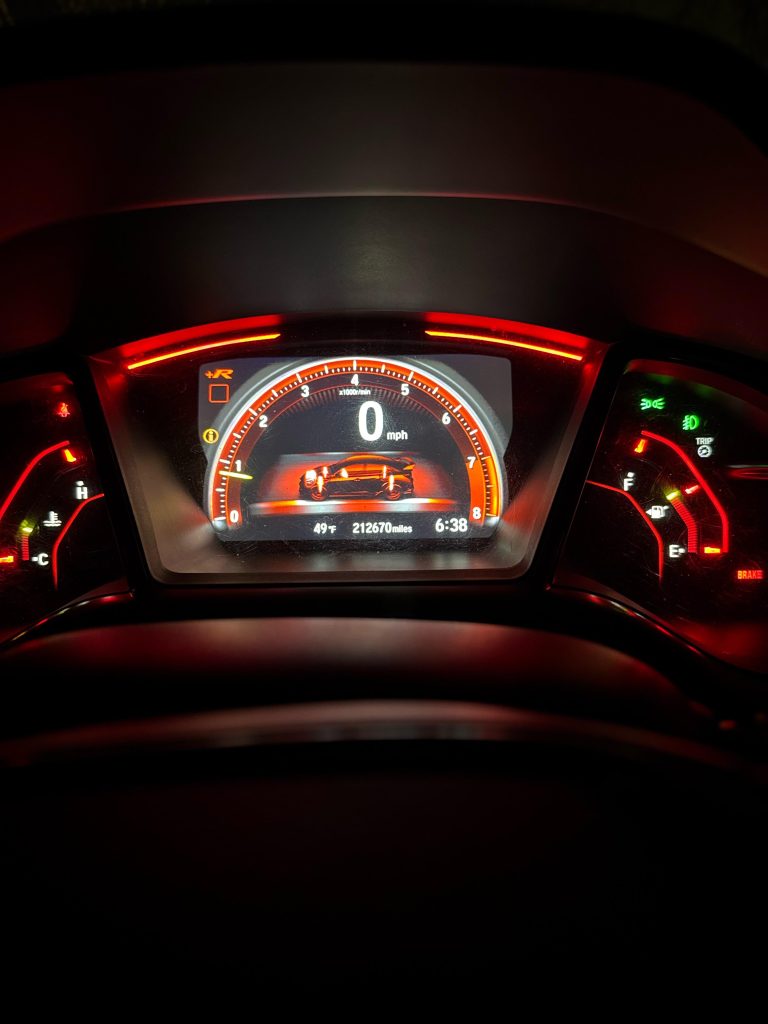
You might be wondering, what exactly counts as high mileage for a Honda Civic? If you’re thinking about buying one or already own this popular car, understanding its mileage limits can save you time and money.
Knowing when your Civic’s mileage starts to impact performance or maintenance can help you make smarter decisions. You’ll discover the key mileage milestones and what they mean for your car’s health. Keep reading to learn how to get the most out of your Honda Civic without surprises down the road.
Honda Civic Mileage Benchmarks
Understanding the mileage benchmarks for a Honda Civic can help you decide when a car is reaching the end of its prime or when it still has plenty of life left. Mileage numbers are more than just figures on the odometer; they reveal a lot about the vehicle’s condition and reliability. Knowing these benchmarks allows you to make smarter choices whether you’re buying, selling, or maintaining your Civic.
Average Lifespan Of A Honda Civic
The average Honda Civic can comfortably run between 200,000 to 300,000 mileswith proper maintenance. Many owners report their Civics lasting well beyond 250,000 miles, especially if they keep up with oil changes, timing belt replacements, and brake inspections.
What’s impressive is how Civics maintain decent fuel efficiency and performance even as they rack up miles. If you’re diligent about maintenance, your Civic could easily outlast many other compact cars on the road.
Typical High Mileage Thresholds
So, when does mileage become “high” for a Honda Civic? Typically, once your Civic hits the 150,000-mile mark, it’s considered high mileage. At this stage, some parts may start showing wear, but it’s not a sign to replace the car immediately.
Between 150,000 and 200,000 miles, expect more frequent visits to the mechanic for components like the suspension or transmission. However, a well-cared-for Civic can still perform reliably beyond these numbers.
- 100,000 miles:Good time for major tune-ups and replacing wear items.
- 150,000 miles:Officially high mileage; start budgeting for bigger repairs.
- 200,000+ miles:Exceptional longevity, with maintenance history being the key factor.
Have you checked your Civic’s maintenance records? That often tells you more than mileage alone about how much life is left in your car.
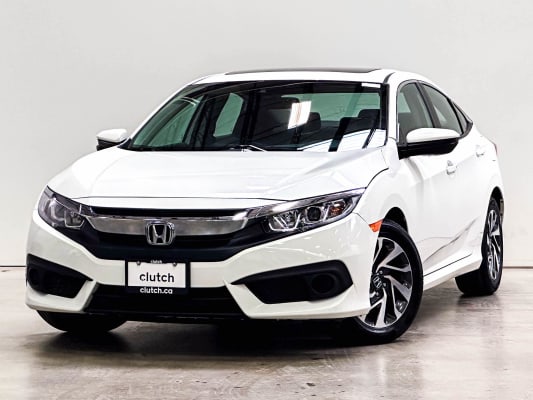
Credit: www.clutch.ca
Factors Affecting Mileage Longevity
Several factors influence how long a Honda Civic can keep running smoothly. Mileage longevity depends on more than just the number on the odometer. Proper care, driving style, and where you live all play roles in the car’s lifespan. Understanding these elements helps predict how many miles your Civic might last.
Maintenance And Care
Regular maintenance extends a Honda Civic’s life. Changing oil on time keeps the engine healthy. Replacing filters and fluids prevents wear and tear. Checking brakes and tires ensures safe driving. Ignoring small problems can lead to big repairs later. Scheduled service helps catch issues early. Well-maintained Civics often reach high mileage without major faults.
Driving Habits
How a Civic is driven affects its mileage. Gentle acceleration and braking reduce engine stress. Avoiding hard stops and quick starts keeps parts intact. Long highway drives are easier on the car than city traffic. Frequent short trips can cause more wear. Smooth driving leads to better fuel efficiency and less damage. Rough driving habits shorten the vehicle’s lifespan.
Environmental Conditions
Where a Honda Civic is driven impacts its durability. Hot climates can cause overheating and faster oil breakdown. Cold weather may thicken fluids and strain the battery. Dusty or salty roads increase corrosion risks. Urban areas often have more stop-and-go traffic. Rural roads might cause more suspension wear. Protecting the car from harsh conditions helps it last longer.
Signs Of High Mileage Wear
Recognizing signs of high mileage wear on your Honda Civic can save you from unexpected breakdowns and costly repairs. As your car racks up miles, certain components start showing their age. Watching out for specific symptoms helps you maintain your vehicle better and decide when it might be time for replacements or upgrades.
Engine Performance Issues
If your Civic feels less powerful or struggles to accelerate, it could be a sign of engine wear. You might notice rough idling, frequent stalling, or unusual noises like knocking or ticking. These symptoms often indicate worn-out spark plugs, clogged fuel injectors, or decreased compression inside the engine cylinders.
Pay attention to increased oil consumption or smoke coming from the exhaust. Such issues may suggest internal engine problems that need immediate attention. Have you checked your engine’s performance lately? Ignoring these signs can lead to more severe damage down the road.
Transmission Concerns
High mileage can take a toll on your Honda Civic’s transmission system. If you experience delayed shifting, slipping gears, or jerky movements during acceleration, your transmission might be showing signs of wear. Low or dirty transmission fluid can also cause these problems.
Listen for whining or clunking noises when changing gears; these sounds often point to worn-out transmission components. Regular maintenance and fluid changes are crucial to extending the life of your transmission. Are you monitoring how smoothly your car shifts?
Suspension And Brake Wear
A worn suspension system affects ride comfort and handling. If your Civic bounces excessively over bumps or feels unstable around corners, it might be time to inspect the shocks, struts, and bushings. Uneven tire wear is another clear indicator of suspension issues.
Brake wear is even more critical to catch early. Soft brake pedals, longer stopping distances, or squealing noises suggest worn brake pads or rotors. Have you noticed any changes in your braking performance recently? Staying on top of these signs keeps you safer on the road.

Credit: www.reddit.com
Expert Tips For High Mileage Honda Civics
High mileage Honda Civics can last for many years with the right care. Keeping your car in good shape requires smart habits and regular attention. Expert tips help owners avoid common problems and extend the vehicle’s life. These tips focus on routine checks, knowing when parts need changing, and ways to get the most from your car.
Routine Maintenance Checklist
- Change engine oil every 5,000 to 7,500 miles
- Replace air filter every 15,000 to 30,000 miles
- Inspect brake pads and rotors regularly
- Check and top off all fluids monthly
- Rotate tires every 5,000 to 7,500 miles
- Replace spark plugs every 30,000 to 60,000 miles
- Inspect belts and hoses for cracks or wear
- Clean or replace cabin air filter yearly
When To Replace Parts
Timing part replacement keeps your Civic running smoothly. Watch for signs like noise, vibration, or poor performance. Replace the timing belt every 60,000 to 100,000 miles. Swap out the battery every 3 to 5 years. Change the transmission fluid every 30,000 to 60,000 miles. Replace worn suspension parts to maintain ride quality. Check tires for tread wear and replace when needed.
Maximizing Vehicle Lifespan
Drive gently to reduce engine strain and wear. Avoid quick starts and hard braking. Park in shaded areas to protect paint and interior. Use quality fuel and recommended oil grades. Schedule regular check-ups with a trusted mechanic. Address small issues before they become costly repairs. Keep the car clean inside and out to prevent rust and damage.
Buying A High Mileage Honda Civic
Buying a high mileage Honda Civic can be a smart choice if you know what to look for. These cars often offer great value, but they come with specific challenges. Understanding what to inspect, how costs stack up, and the impact on resale value will help you make a confident decision.
What To Inspect
Start by checking the engine’s condition closely. Look for any oil leaks, strange noises, or excessive smoke from the exhaust. These signs can hint at costly repairs ahead.
Next, review the maintenance history. A well-documented service record shows the previous owner cared for the car properly. This can give you peace of mind that the vehicle was regularly checked and fixed as needed.
Don’t forget the suspension and brakes. High mileage often means worn-out parts that affect safety and driving comfort. Test drive the car to see if it pulls to one side or if the brakes feel spongy.
Cost Considerations
High mileage usually means some repairs are due sooner rather than later. Budget for parts like timing belts, water pumps, and tires that wear out over time.
Factor in routine maintenance costs too. Older Civics might require more frequent oil changes or brake replacements. Getting a trusted mechanic’s estimate before buying can save you from surprises.
Think about insurance costs as well. Sometimes, older cars can have lower premiums, but if a high mileage car needs extensive repairs, your overall spending might rise.
Resale Value Impact
A high mileage Honda Civic won’t fetch the same price as a newer, low mileage one. Expect depreciation to be steeper, especially if the car shows signs of wear.
However, Civics have a reputation for reliability, which helps maintain value better than many other cars. A well-maintained high mileage Civic can still attract buyers looking for an affordable, dependable ride.
Ask yourself: Are you prepared to keep the car longer to maximize its value? Selling too soon might mean losing money, but holding onto it can be a smart financial move if you avoid major repairs.

Credit: www.reddit.com
Frequently Asked Questions
What Is Considered High Mileage For A Honda Civic?
High mileage for a Honda Civic typically starts around 100,000 miles. However, many Civics can run well beyond 200,000 miles with proper maintenance. Regular servicing and care significantly extend the vehicle’s lifespan, making mileage just one factor in overall condition.
How Does High Mileage Affect Honda Civic Performance?
High mileage may lead to wear on engine parts and suspension. However, a well-maintained Civic usually retains good performance. Timely oil changes and part replacements help maintain smooth driving despite higher mileage.
Is A High Mileage Honda Civic Reliable?
Yes, a high mileage Honda Civic can be reliable if well-maintained. Hondas are known for longevity and durability. Check maintenance history and condition before purchase to ensure reliability.
Can High Mileage Honda Civics Have Expensive Repairs?
High mileage Hondas might need more frequent repairs. Common issues include worn brakes, suspension, and engine components. Regular inspections reduce costly surprises and keep repair costs manageable.
Conclusion
A Honda Civic with over 150,000 miles is often called high mileage. Many Civics run well past this point with good care. Regular maintenance keeps the engine strong and parts working. Watching for signs of wear helps avoid costly repairs.
High mileage does not always mean poor condition. A well-kept Civic can last much longer than expected. Think of mileage as one part of the car’s story. Use this knowledge to make smart decisions about buying or keeping your Civic.