Have you ever wondered if Ford really beat Ferrari in 1966? It’s a story full of speed, rivalry, and unexpected twists.
If you think it’s just about cars racing around a track, think again. This moment changed the world of motorsports forever—and it might surprise you what really happened. Keep reading to discover the truth behind one of the most legendary battles in racing history.
Your curiosity is about to be rewarded.
The 1966 Le Mans Race
The 1966 Le Mans Race stands out as one of the most thrilling and historic moments in motorsport history. It was more than just a race; it was a battle of engineering, strategy, and sheer determination. The event tested the limits of both man and machine, leaving a lasting impact on racing culture.
Key Competitors
The main rivalry in 1966 was between Ford and Ferrari, two automotive giants with very different approaches. Ford entered with the GT40, a car designed specifically to beat Ferrari after years of losses. Ferrari, defending its dominance, showcased its experience and engineering prowess.
Other competitors included Porsche, who brought their innovative technology but lacked the outright power of the Ford and Ferrari cars. The diversity of teams made the race unpredictable, capturing the attention of fans worldwide.
Race Conditions
The weather on race day was tough, with intermittent rain making the track slippery and dangerous. Drivers had to adjust their speed constantly, balancing aggression with caution. This added an extra layer of challenge, testing their skill and nerve.
The 24-hour format pushed cars and drivers to their limits, demanding flawless teamwork and quick mechanical fixes. Pit stops became crucial moments where seconds could decide the winner.
Significance Of The Event
The 1966 Le Mans was more than a sporting contest—it was a turning point in automotive history. Ford’s victory ended Ferrari’s dominance and proved that innovation combined with determination can overcome tradition.
For you as a fan or aspiring racer, this race shows how persistence and smart strategy can change the game. What lessons can you take from Ford’s approach to challenge a seemingly unbeatable rival?

Credit: www.volocars.com
Ford’s Racing Strategy
Ford’s racing strategy in 1966 was a bold and focused plan. The company aimed to beat Ferrari at the famous 24 Hours of Le Mans race. Ford invested heavily in car design, team training, and race tactics. Their approach combined technology and smart decisions to take the lead.
Car Development
Ford built the GT40 to challenge Ferrari’s dominance. The car had a powerful engine and strong body. Engineers worked hard to improve speed and durability. They tested the car many times before the race. Every detail was designed to handle the long race.
Team Preparation
Ford created a skilled and disciplined team. Drivers trained to drive fast and stay focused. Mechanics practiced quick repairs during pit stops. The team studied the race track and conditions. Clear communication was key to avoid mistakes.
Tactical Moves During The Race
Ford used smart tactics to control the race pace. They balanced speed with caution to prevent car damage. Pit stops were timed perfectly to save seconds. Drivers pushed hard but avoided risky maneuvers. This steady approach wore out Ferrari’s team.
Ferrari’s Challenge
Ferrari faced a tough challenge in the 1966 Le Mans race. The company wanted to keep its winning streak alive. Ford was a strong new competitor, aiming to take the crown. Ferrari had to rely on its experience and skill to fight back. The race tested every part of the team and car. Here is a closer look at Ferrari’s challenge during this historic event.
Car Performance
Ferrari’s cars were known for their speed and design. Their engines were powerful and built for endurance. The 330 P3 and P4 models showed great promise. However, Ford introduced newer, faster cars with V8 engines. Ferrari had to balance speed with reliability. The cars needed to last 24 hours without major issues.
Team Strengths
Ferrari’s team was experienced and highly skilled. Their drivers knew the track well. The pit crew worked quickly and efficiently. Ferrari had a strong strategy based on past successes. They relied on teamwork and communication. The team’s passion and dedication were clear on race day.
Race Day Setbacks
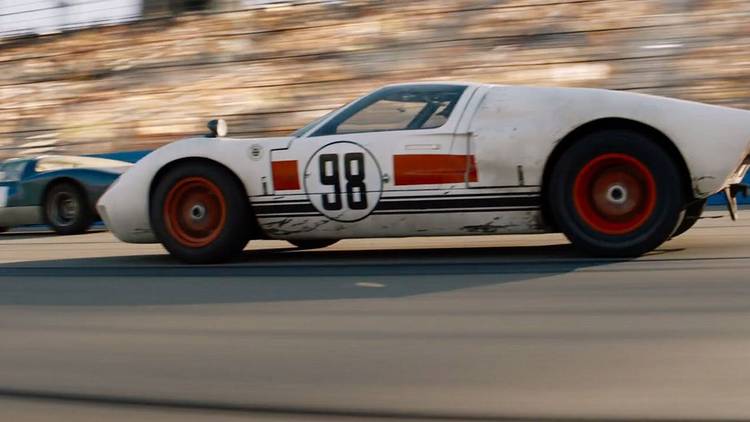
Ferrari faced several problems during the race. Mechanical failures slowed their cars down. Some drivers made mistakes under pressure. Pit stops took longer than planned. These setbacks gave Ford an advantage. Despite these troubles, Ferrari kept pushing hard.
Credit: screenrant.com
Race Highlights
The 1966 Le Mans race marked a turning point in automotive history. Ford challenged Ferrari with unmatched determination. The battle on the track was intense and full of surprises. Fans witnessed a fierce competition that tested both machines and drivers.
Notable Moments
- Ford introduced the powerful GT40 Mk II for the first time.
- Ken Miles set a new lap record during qualifying.
- Ferrari showed resilience despite strong Ford pressure.
- A major crash early in the race affected several teams.
Lead Changes
- Ford and Ferrari swapped the lead multiple times.
- Ken Miles and Bruce McLaren dominated the front.
- Ferrari briefly took the lead mid-race with strong pace.
- Ford regained and held the lead in the final hours.
Final Laps Drama
The last laps were tense and full of strategy. Ford drivers Miles and McLaren ran side by side. Ford planned a photo finish to showcase their victory. The close finish caused confusion over the actual winner. After review, Ford was declared the winner, beating Ferrari decisively.
Impact Of Ford’s Victory
Ford’s victory over Ferrari in 1966 changed the racing world forever. It proved that a big company could challenge and beat a smaller, specialized car maker. This win created new opportunities and inspired many in the automotive and racing industries. The effects of this victory can be seen in many areas.
Automotive Industry Effects
Ford’s win pushed car makers to focus on performance and speed. It showed that innovation and investment could lead to success. Many companies began building faster, more reliable cars. The competition grew stronger, benefiting car buyers worldwide.
Ford also gained respect and boosted its brand image. The win helped Ford sell more cars. It proved that American cars could compete with European models on the world stage.
Legacy In Racing
The 1966 win became a symbol of determination and skill. Ford’s victory inspired many racing teams to improve their technology. It raised the bar for endurance racing.
The win also increased interest in the 24 Hours of Le Mans race. More fans and sponsors joined the sport. Ford’s success created a lasting legacy in motorsport history.
Cultural Influence
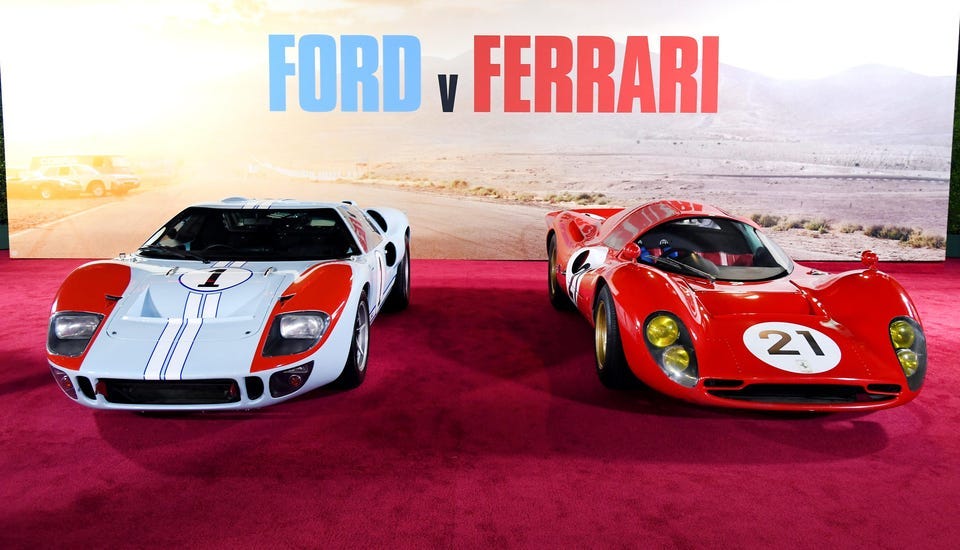
The battle between Ford and Ferrari captured public imagination. It became a story of rivalry and passion. This story inspired books, movies, and documentaries.
The win helped shape car culture in America. It made racing more popular and accessible. People saw racing as more than just a sport — a symbol of ambition and pride.
Credit: medium.com
Myths And Misconceptions
The story of Ford beating Ferrari in 1966 is filled with excitement, but it’s also surrounded by many myths and misconceptions. These misunderstandings can cloud what really happened on the racetrack. Let’s separate fact from fiction to give you a clearer view of this legendary race.
Common Misunderstandings
Many people believe that Ford’s victory was a straightforward, uncontested win. The truth is, the competition was fierce and full of drama. Some think Ferrari was outmatched entirely, but the reality is that Ferrari’s team faced internal challenges and mechanical issues that played a big role in the outcome.
Another common myth is that Ford’s cars were simply faster. While speed mattered, reliability and strategy were equally crucial. The idea that Ford “crushed” Ferrari ignores the complexity of endurance racing.
Clarifying Facts
Ford’s win at Le Mans in 1966 was historic, but it wasn’t just about raw power. Ford invested heavily in technology and teamwork, which paid off during the 24-hour race. The GT40 Mark II, used by Ford, was designed to last the entire race without breaking down.
Ferrari, on the other hand, struggled with mechanical failures during the race, which cost them valuable time. This was not because Ford’s cars were invincible, but because endurance racing tests both the car and driver under extreme conditions.
Media Portrayal
The media often frames the 1966 race as a David versus Goliath story, with Ford as the underdog giant defeating the established Ferrari empire. This narrative makes for great drama but overlooks the complexity behind the scenes.
Movies and articles sometimes exaggerate certain events to make the story more thrilling. While these portrayals capture the spirit of the race, they can blur the lines between fact and fiction.
Have you ever wondered how much of what you read or watch is shaped by storytelling rather than strict accuracy? Understanding this helps you appreciate the real story behind Ford’s 1966 victory even more.
Legacy Of The 1966 Triumph
The 1966 victory of Ford at Le Mans marked a turning point in racing history. It was more than just a win; it reshaped the world of motorsports. This triumph challenged the dominance of established European brands. It showed that American engineering and determination could compete at the highest level.
The legacy of this win continues to influence racing culture today. It inspired new technology, fierce rivalries, and a fresh passion among fans and drivers alike.
Influence On Future Races
Ford’s success pushed other manufacturers to innovate quickly. Racing cars became faster, stronger, and more reliable. Teams began focusing more on aerodynamics and engine power. Safety features also improved as speeds increased. The 1966 win set new standards for competition and engineering.
Ford Vs Ferrari Rivalry
The rivalry between Ford and Ferrari became legendary. It was a battle of skill, speed, and pride. Ford’s victory broke Ferrari’s winning streak at Le Mans. This fueled a fierce competition for years to come. The rivalry pushed both companies to invest heavily in racing technology.
Modern Reflections
Today, the 1966 race is remembered as a milestone. It represents the spirit of competition and innovation. Many modern racing teams study this era for inspiration. The story of Ford and Ferrari still excites fans worldwide. It reminds us that persistence and teamwork can change history.
Frequently Asked Questions
Did Ford Win Against Ferrari In 1966?
Yes, Ford defeated Ferrari in 1966 at the 24 Hours of Le Mans. This victory marked Ford’s first win at Le Mans, breaking Ferrari’s five-year winning streak. The Ford GT40, driven by Bruce McLaren and Chris Amon, finished first, making it a historic win for the American automaker.
How Did Ford Achieve Victory Over Ferrari?
Ford’s win was a result of strategic planning, engineering, and determination. The development of the GT40, with its powerful V8 engine, played a crucial role. Ford’s commitment to endurance racing and continuous improvements to the car’s design and performance helped secure their victory over Ferrari.
Who Drove The Winning Ford Car In 1966?
The winning Ford GT40 in 1966 was driven by Bruce McLaren and Chris Amon. Their teamwork and driving skills were instrumental in Ford’s victory at the 24 Hours of Le Mans. This achievement marked a significant milestone in motorsport history for both the drivers and Ford.
What Impact Did Ford’s Win Have On Racing?
Ford’s 1966 victory changed the landscape of motorsport. It ended Ferrari’s dominance at Le Mans and showcased American engineering prowess. This win boosted Ford’s reputation globally and encouraged more competition in endurance racing, leading to innovations and advancements in automotive technology.
Conclusion
Ford did win against Ferrari in 1966. The race showed Ford’s strength and determination. It changed the car racing world forever. Fans still talk about that historic win today. Ford’s victory marked a new chapter in racing history. It proved that hard work and smart design pay off.
This story inspires many car lovers and racers even now. The 1966 race remains a symbol of passion and competition. It reminds us why racing excites so many people worldwide.