
Has your car been repossessed, and you’re wondering how soon you can get it back? You’re not alone.
Losing access to your vehicle can feel overwhelming and stressful, especially when you rely on it daily. But don’t worry—there are steps you can take to speed up the process and regain your car sooner than you might expect. You’ll discover exactly what affects the timeline for getting your repossessed car back, what actions you should take immediately, and how to avoid common pitfalls that could delay your recovery.
Keep reading to take control of the situation and get back on the road faster.
Repossession Timeline
Understanding the repossession timeline is essential if you want to know how soon you can get your car back after it’s taken. The process is not always immediate, and several factors influence when repossession occurs and what happens afterward. Knowing these details helps you act quickly and protect your rights.
When Repossession Happens
Repossession usually occurs after you miss multiple payments on your auto loan. Lenders often wait until you are at least 30 days late before taking action, but this can vary. Some lenders might move faster, especially if your loan terms allow immediate repossession after a missed payment.
Have you ever wondered how long your lender waits before they show up? It depends on your loan agreement and lender’s policies. You could receive a warning, but sometimes repossession happens with little notice.
Legal Notice Periods
Before repossessing your car, some states require lenders to provide you with a notice period. This notice can range from a few days to a couple of weeks, giving you time to catch up on payments. However, not all states mandate this, so it’s crucial to check your local laws.
During this notice period, you might have a chance to negotiate or arrange payment plans. Ignoring this step can make it harder to reclaim your vehicle later. Have you checked if your state requires such notices?
State Laws Impact
State laws heavily influence the repossession timeline and your rights. Some states require lenders to get a court order before repossessing, which can delay the process. Others allow “self-help” repossession, meaning the lender can take your car without warning as long as no breach of peace occurs.
For example, in California, lenders can repossess your car without prior notice, but in New York, they must provide a notice and opportunity to cure the default. This variation means your strategy to get your car back should depend on where you live.
Are you aware of your state’s repossession rules? Knowing this can save you time and money when trying to recover your vehicle.

Credit: thelemonpros.com
Initial Steps After Repossession
Having your car repossessed can feel overwhelming. Taking quick and clear actions can help you regain control. The initial steps after repossession focus on understanding the situation and reaching out to the right people. Knowing what to do right away can save time and reduce stress.
Confirming The Repossession
First, verify that your car was actually repossessed. Sometimes cars are towed for other reasons. Check your driveway, parking spots, and nearby areas. Look for any notices left on your property. These notes usually have contact details and information about the repossession.
Contacting The Lender
Next, call your lender or loan servicer. They can confirm the repossession and explain your options. Prepare your account details before calling. Ask about the amount you owe and any fees added. Get clear information on how to get your car back. Write down important names and phone numbers during the call.
Locating Your Vehicle
Find out where your vehicle is stored. Repossessed cars are often kept in impound lots or storage facilities. The lender or repossession company can provide this information. Confirm the location and hours of operation. Knowing this helps you plan your next move quickly.
Recovery Options
Recovering a repossessed car involves several options. Each option depends on your loan terms and lender policies. Acting quickly improves your chances to get the vehicle back. Understanding each recovery path helps you decide the best choice.
Reinstating Your Loan
Reinstating means paying all missed payments at once. This stops the repossession process and returns the car to you. You must also cover any fees charged by the lender. Not all lenders offer reinstatement, so check your loan agreement. This option saves your credit score from further damage.
Redeeming The Car
Redeeming requires paying the full loan balance immediately. This includes missed payments, fees, and any repossession costs. Once paid, you regain ownership and possession of the car. Redemption must happen before the lender sells the vehicle. It can be costly but ends the loan quickly.
Negotiating Payment Plans
Some lenders allow new payment plans after repossession. This spreads out what you owe over time. It can make payments affordable and avoid losing your car permanently. Always ask about terms and conditions before agreeing. Clear communication with your lender is key to success.
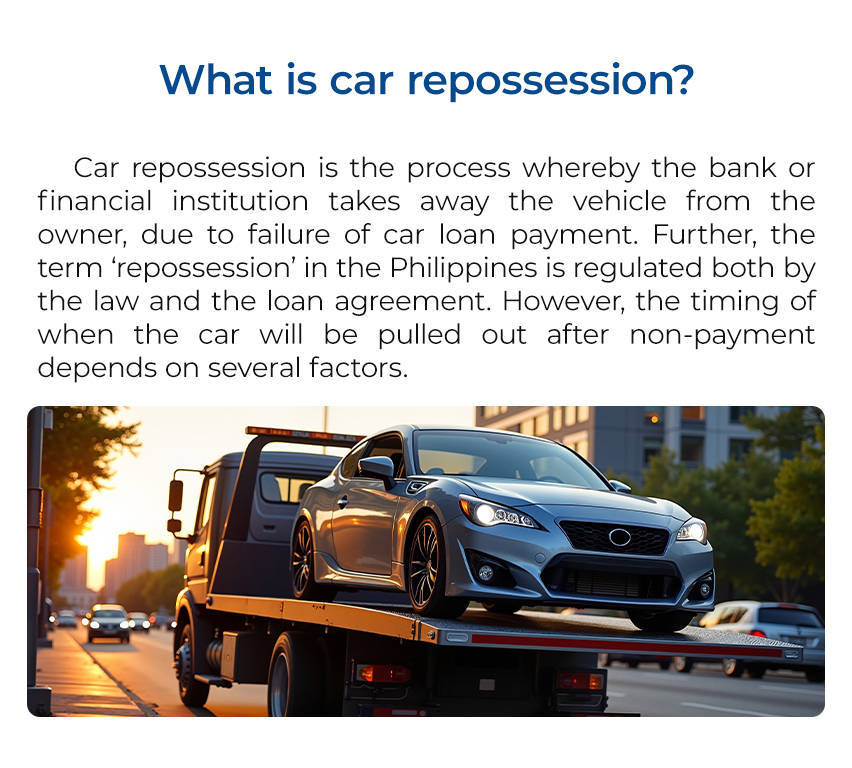
Credit: www.carmudi.com.ph
Costs Involved
Getting your repossessed car back usually involves several costs that can add up quickly. Understanding these expenses can help you prepare financially and avoid surprises. Let’s break down the main costs you should expect to face.
Outstanding Loan Balance
The first cost you’ll need to cover is the remaining balance on your car loan. This is the amount you still owe your lender after the repossession.
If you want your car back, you typically have to pay off this balance in full or arrange a payment plan with your lender. Missing payments is what led to the repossession, so lenders often require you to catch up before releasing the vehicle.
Repossession And Storage Fees
On top of your loan balance, repossession companies charge fees for towing your vehicle. These repossession fees can vary but are often several hundred dollars.
Once your car is repossessed, it’s usually stored in a lot or impound yard. Storage fees start to accumulate daily, adding up the longer you wait to reclaim your car.
Have you ever wondered how much storage fees can balloon if you delay? This can sometimes exceed the value of the vehicle itself, making it critical to act fast.
Additional Charges
Besides the loan and repossession-related fees, you might face other charges. These can include administrative fees, legal fees if your lender takes you to court, and any costs for fixing damages if the car was harmed during repossession.
Sometimes, lenders may require you to pay late fees or penalties as part of getting your car back. These extras can feel overwhelming but knowing about them early helps you budget better.
Have you checked with your lender about all possible fees involved? Asking upfront can save you from unexpected bills later.
Legal Rights And Protections
Understanding your legal rights and protections is crucial after your car has been repossessed. These rights can affect how soon you get your vehicle back and what steps you can take if the repossession was handled improperly. Knowing the laws that protect you can make a big difference in your financial recovery and peace of mind.
Consumer Protection Laws
Consumer protection laws exist to prevent unfair or abusive repossession practices. These laws require lenders to follow specific procedures before and after taking your car. For example, they must provide proper notice before repossessing and cannot breach the peace during the process.
Have you checked if your state requires the lender to give you a chance to catch up on missed payments before repossessing? This is a common protection that many people overlook. Understanding these laws helps you recognize if your rights were violated.
Challenging An Illegal Repossession
If you believe your car was taken without following the rules, you have the right to challenge the repossession. Illegal repossession can include entering your property without permission or failing to notify you properly. Taking immediate action can sometimes get your car returned faster.
Contacting a legal expert or your state’s consumer protection agency can provide guidance. They can help you file a complaint or even take legal action. Remember, acting quickly increases your chances of a positive outcome.
Handling Deficiency Balances
After repossession, you might owe a deficiency balance if the car sells for less than what you owe. This balance is your responsibility and can affect your credit score. It’s important to communicate with your lender about payment options or settlements.
Ignoring a deficiency balance can lead to further collection efforts. Have you considered negotiating a payment plan or lump-sum settlement? Taking control of this debt can reduce stress and help you move forward financially.
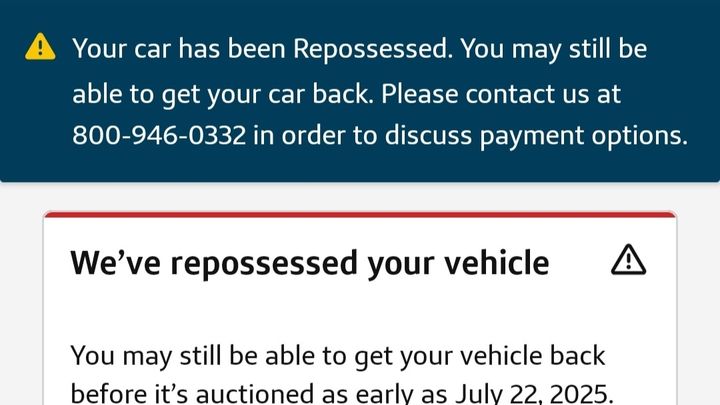
Credit: www.gofundme.com
Preventing Future Repossessions
Preventing future repossessions protects your credit and peace of mind. It starts with clear plans and open communication. Staying ahead helps you keep your car and avoid stress. Simple steps can make a big difference. Focus on budgeting, talking with your lender, and refinancing options. Each helps you handle payments better and reduce risks.
Budgeting And Payment Strategies
Create a monthly budget that prioritizes your car payments. Track your income and expenses carefully. Cut unnecessary costs to free up money for your loan. Set up automatic payments to avoid missing due dates. Consider paying a little extra when possible. This reduces your loan balance faster and lowers interest costs.
Communicating With Your Lender
Keep your lender informed if money gets tight. Contact them early to discuss payment difficulties. Many lenders offer hardship plans or payment extensions. Being honest builds trust and may prevent repossession. Ask about flexible payment options or temporary relief. Regular updates show your commitment to repay the loan.
Exploring Refinancing Options
Refinancing can lower your monthly car payments. Look for loans with better interest rates or longer terms. This spreads out payments and eases your budget. Compare offers from banks, credit unions, and online lenders. Check for fees that could increase your costs. Refinancing helps you stay current and avoid repossession.
Frequently Asked Questions
How Quickly Can I Recover My Repossessed Car?
The recovery time for a repossessed car varies. Generally, it depends on the lender’s policies. Some lenders allow retrieval within a few days, while others might take longer. Ensure you fulfill any outstanding financial obligations to expedite the process.
What Steps To Take After Car Repossession?
After repossession, contact your lender immediately. Inquire about the amount needed to reclaim your vehicle. Pay any outstanding debts or fees promptly. It’s crucial to understand your lender’s specific terms and conditions to regain your vehicle quickly.
Can I Negotiate The Repossession Fees?
Yes, you can negotiate repossession fees. Contact your lender to discuss potential reductions. They might be willing to lower fees if you show commitment to resolve the outstanding balance. Always communicate clearly and provide evidence of your financial situation.
Does Repossession Affect My Credit Score?
Yes, repossession negatively impacts your credit score. It remains on your credit report for seven years. This can affect your ability to secure loans in the future. To mitigate damage, pay off any outstanding debts and focus on rebuilding your credit over time.
Conclusion
Getting your repossessed car back depends on how quickly you act. Contact your lender right away to know the next steps. Paying the owed amount plus fees usually helps. Keep all communication clear and timely. Remember, delays may reduce your chances of recovery.
Knowing your rights can protect you during this process. Stay calm and organized to handle the situation better. It’s possible to get your car back with effort and patience. Don’t wait too long or you might lose the chance.