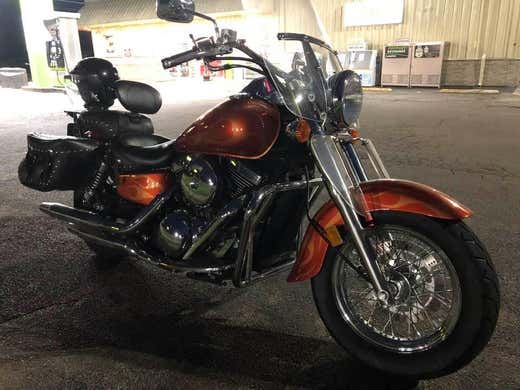
If you own a Kawasaki Vulcan 1500, you know it’s a powerful and stylish ride. But like any bike, it has its share of problems that can catch you off guard.
You might be wondering what common issues to watch out for, or how to keep your Vulcan running smoothly without breaking the bank. This article will give you the inside scoop on the most frequent Kawasaki Vulcan 1500 problems and practical tips to tackle them.
Keep reading, because knowing these things now can save you time, money, and frustration down the road.
Engine Troubles
The Kawasaki Vulcan 1500 engine is known for its power and reliability. Yet, like all machines, it can face some engine troubles. These issues affect the bike’s performance and rider experience. Understanding common engine problems helps owners maintain their Vulcan better.
Engine troubles often start with small signs. Ignoring them can lead to bigger repairs. Paying attention early saves time and money. Here are some typical engine problems faced by Kawasaki Vulcan 1500 riders.
Starting Difficulties
One common engine trouble is difficulty starting the bike. The engine may crank slowly or not at all. Causes include a weak battery, faulty starter motor, or bad spark plugs. Fuel delivery issues can also stop the engine from firing. Regular battery checks and spark plug replacements help prevent this problem.
Overheating Issues
The Vulcan 1500 engine can overheat during long rides or hot weather. Overheating may cause the engine to lose power or shut down. Low coolant levels, clogged radiator, or oil problems often cause this issue. Checking fluid levels and cleaning cooling parts keeps the engine running cool and safe.
Unusual Noises
Strange sounds from the engine warn of internal trouble. Ticking, knocking, or grinding noises may mean worn parts or poor lubrication. These noises should never be ignored. Timely inspection and maintenance reduce risk of serious engine damage and costly repairs.
Credit: www.vulcanforums.com
Electrical Glitches
Electrical glitches are common issues reported by Kawasaki Vulcan 1500 owners. These problems affect the bike’s performance and safety. Riders often face sudden failures in lighting, ignition, or battery power. Troubleshooting these electrical faults can be tricky without proper knowledge.
Understanding these glitches helps maintain the bike better. It also ensures a smooth and safe riding experience. Below are some key electrical problems and their symptoms.
Battery Drain
Battery drain is a frequent complaint with the Vulcan 1500. The battery may lose charge quickly or fail to hold power. This can cause starting difficulties and dim lights. Common causes include:
- Faulty charging system
- Corroded battery terminals
- Parasitic electrical draws
Regular battery checks and cleaning terminals help prevent these issues. Using a multimeter can identify abnormal power loss.
Faulty Lighting
Lighting problems can affect headlights, brake lights, or indicators. Flickering or non-working lights reduce visibility and safety. Causes often involve:
- Loose wiring connections
- Burnt-out bulbs
- Faulty switches or fuses
Inspecting all wiring and replacing damaged parts restores proper lighting function. Proper lighting is critical for safe night riding.
Ignition Problems
Ignition issues may cause the engine to misfire or not start at all. Symptoms include:
- Intermittent engine stalls
- Failure to crank
- Weak spark
Possible reasons are worn spark plugs, faulty ignition coils, or bad wiring. Testing ignition components regularly helps avoid sudden breakdowns on the road.
Fuel System Concerns
The fuel system in your Kawasaki Vulcan 1500 is crucial for smooth rides and reliable performance. Ignoring small issues here can lead to bigger problems, affecting both efficiency and safety. Understanding common fuel system concerns helps you spot trouble early and keep your bike running strong.
Carburetor Clogs
Carburetor clogs are a frequent headache for Vulcan 1500 owners. Over time, dirt and old fuel residues build up inside the carburetor jets, restricting fuel flow.
You might notice rough idling, hesitation when accelerating, or even stalling. Cleaning the carburetor regularly can prevent these issues and save you from costly repairs.
Have you checked your carburetor’s condition during your last tune-up? Taking a few minutes to inspect it can make a big difference.
Fuel Pump Failures
Fuel pump problems can cause your Vulcan 1500 to sputter or fail to start altogether. The pump may wear out or get clogged by contaminants, reducing fuel pressure.
Look for symptoms like inconsistent engine power or unusual noises from the fuel tank area. Replacing a faulty fuel pump quickly ensures your bike stays reliable on long rides.
Remember, a failing fuel pump can strain other parts of your engine—don’t wait until you’re stranded to address it.
Fuel Leak Signs
Fuel leaks are not just a mechanical issue; they pose serious safety risks. Common signs include the smell of gasoline, visible wet spots around the fuel lines, or drops under your bike after parking.
Check your fuel lines, connectors, and tank regularly for cracks or loose fittings. If you spot any leaks, fix them immediately to avoid fire hazards and wasted fuel.
Are you confident your fuel system is leak-free? A quick inspection today could prevent a dangerous situation tomorrow.
Credit: www.vulcanforums.com
Transmission And Clutch
The transmission and clutch on the Kawasaki Vulcan 1500 are crucial for smooth rides. They control how power moves from the engine to the wheels. Problems here can make riding hard or unsafe. Riders often report issues that affect performance and comfort. Understanding these common problems helps in spotting and fixing them early.
Gear Shifting Problems
Gear shifting can become rough or sticky. Sometimes, the bike may skip gears or not shift smoothly. This happens due to worn shift forks or low transmission fluid. Dirt and debris can also cause resistance inside the gearbox. Regular maintenance and checking fluid levels reduce these problems.
Clutch Slippage
Clutch slippage means the bike loses power during acceleration. The engine revs up, but the bike moves slowly. This occurs when clutch plates wear out or get oily. Overheating the clutch by riding too hard also causes slippage. Adjusting the clutch cable and replacing worn parts restore grip.
Transmission Noise
Unusual noises from the transmission can signal trouble. Grinding, whining, or clunking sounds come from damaged gears or bearings. Lack of lubrication or old oil worsens the noise. Listening for strange sounds early helps avoid costly repairs. Changing transmission oil regularly keeps parts running quietly.
Brake System Issues
The brake system on the Kawasaki Vulcan 1500 is crucial for your safety and control. However, some riders report issues that can affect performance and confidence on the road. Understanding these problems helps you spot trouble early and keep your bike stopping smoothly.
Brake Fade
Brake fade happens when your brakes lose effectiveness after heavy use. This can occur on long downhill rides or during repeated hard stops. Have you ever felt your brakes becoming less responsive just when you needed them most? That’s brake fade, and it’s often caused by overheated brake pads or fluid.
To avoid this, check if your brake pads are worn out or if the brake fluid needs replacing. Using high-quality brake fluid with a higher boiling point can also reduce fade. Regular maintenance ensures your brakes stay sharp when it counts.
Squeaking Sounds
Hearing squeaks every time you apply the brakes can be annoying and worrying. These sounds often come from worn brake pads or dirt trapped between the pads and rotors. Have you tried cleaning the brake parts or replacing the pads recently?
Sometimes, applying a bit of brake lubricant to the back of the pads can silence the noise. If the squeaking persists, inspect the pads for uneven wear or glazing, which means they’ve hardened and lost grip. Fixing these issues will bring quiet and reliable braking back to your Vulcan.
Brake Fluid Leaks
Brake fluid leaks are a serious concern that can lead to brake failure. You might notice a soft brake lever or see fluid pooling near the brake calipers or master cylinder. Have you checked under your bike for wet spots after riding?
Leaks can come from worn seals, cracked hoses, or loose fittings. Addressing leaks quickly is essential—replace damaged parts and refill the fluid to the correct level. Keeping your brake system sealed and full protects your stopping power and your safety.
Credit: www.vulcanforums.com
Suspension And Handling
The suspension and handling of the Kawasaki Vulcan 1500 play a vital role in rider comfort and control. Proper suspension absorbs road bumps and keeps the bike stable. Problems in this area can make rides rough and unsafe. Riders often notice issues during turns or on uneven roads.
Regular checks help maintain smooth handling. Understanding common suspension problems aids in quick diagnosis and repair. Below are key issues that Vulcan 1500 owners may face related to suspension and handling.
Worn Shock Absorbers
Shock absorbers wear out with time and use. Worn shocks cause the bike to bounce excessively on rough roads. This reduces rider comfort and control. A sagging rear end or a harsh ride often signals worn shocks. Replacing shock absorbers restores smooth and safe riding.
Steering Play
Steering play means looseness in the handlebars. This makes the bike feel unstable at low speeds. Excessive play can cause unpredictable steering and poor control. It often results from worn steering head bearings or loose components. Tightening or replacing parts fixes steering play effectively.
Uneven Tire Wear
Uneven tire wear indicates suspension or alignment problems. It causes the bike to pull to one side or vibrate. This wear shortens tire life and reduces grip on the road. Checking tire wear patterns helps spot suspension issues early. Correcting suspension alignment prevents uneven tire wear.
Routine Maintenance Tips
Routine maintenance keeps the Kawasaki Vulcan 1500 running smoothly. Small tasks done regularly prevent bigger problems. These tips help extend your bike’s life and improve safety.
Regular Oil Changes
Oil keeps the engine parts moving without damage. Change the oil every 3,000 to 5,000 miles. Use the type recommended in the owner’s manual. Clean oil reduces engine wear and improves performance. Check the oil level often and top up if needed.
Chain And Sprocket Care
The chain transfers power from the engine to the wheels. Keep the chain clean and lubricated. Check the chain tension monthly. A loose or tight chain can cause damage. Replace the sprockets and chain together for better life.
Tire Pressure Checks
Proper tire pressure ensures better handling and safety. Check the tire pressure before every ride. Use a reliable pressure gauge for accuracy. Inflate tires to the pressure listed on the bike’s label. Underinflated tires wear faster and reduce fuel efficiency.
Diy Fixes
Tackling Kawasaki Vulcan 1500 problems on your own saves money and gives you a deeper understanding of your bike. Many common issues don’t require a mechanic’s expertise and can be fixed with basic tools and a bit of patience. Are you ready to get your hands dirty and keep your Vulcan running smoothly?
Simple Electrical Repairs
Electrical glitches can be frustrating but often have straightforward solutions. Check your battery connections for corrosion or looseness; cleaning and tightening these can solve many starting issues. Inspect fuses and replace any that look blown — a simple fix that many overlook.
Wiring problems might seem complicated, but small breaks or loose connectors can cause intermittent problems. Use a multimeter to test continuity and replace damaged wires with the right gauge. Remember, a solid connection is the key to consistent electrical performance.
Basic Carburetor Cleaning
A dirty carburetor can lead to rough idling and poor fuel efficiency. Removing the carburetor and soaking its parts in a carb cleaner dissolves stubborn deposits. Pay special attention to jets and passages, where grime often hides.
After cleaning, reassemble carefully, ensuring all gaskets and seals are intact. Adjust your idle and mixture screws to factory specs for the best performance. Have you noticed hesitation or stalling? A clean carburetor might be the answer.
Brake Pad Replacement
Worn brake pads reduce stopping power and compromise safety. Replacing them is straightforward with the right tools and a little know-how. Start by lifting the bike securely and removing the caliper bolts to access the pads.
Compare new pads with old ones to ensure proper fit before installation. While you’re at it, check the brake fluid level and top it up if needed. How long has it been since you last checked your brakes? Staying on top of this can prevent costly repairs down the road.
Frequently Asked Questions
What Are Common Kawasaki Vulcan 1500 Issues?
The Kawasaki Vulcan 1500 often experiences electrical problems and carburetor issues. Riders report frequent battery drainage and starter motor failures. It’s also common to face issues with fuel delivery and engine misfires. Regular maintenance can help mitigate these problems.
How To Solve Kawasaki Vulcan 1500 Overheating?
To prevent overheating, check the coolant levels and ensure the radiator is clean. Inspect the thermostat and water pump for proper functioning. Regularly clean the radiator fins to improve airflow. Ensuring proper engine oil levels can also help maintain optimal engine temperature.
Why Does My Vulcan 1500 Stall Frequently?
Frequent stalling in the Vulcan 1500 is often due to carburetor issues. Check for clogged jets or improper fuel mixture. Ensure the fuel lines and filters are clean and unobstructed. Regular maintenance of the carburetor and fuel system can reduce stalling instances.
Are Vulcan 1500 Electrical Problems Common?
Yes, electrical issues are common in the Vulcan 1500. Problems often include faulty ignition switches, dead batteries, and malfunctioning starter motors. Regularly inspect wiring and connections for wear. Using a multimeter can help diagnose electrical faults accurately.
Conclusion
Kawasaki Vulcan 1500 has some common problems to watch for. Regular checks help keep it running well. Fixing issues early saves time and money. Many riders enjoy this bike despite these flaws. Understanding its weak spots makes riding safer. Stay alert and maintain your Vulcan often.
This way, you can enjoy smooth rides ahead.