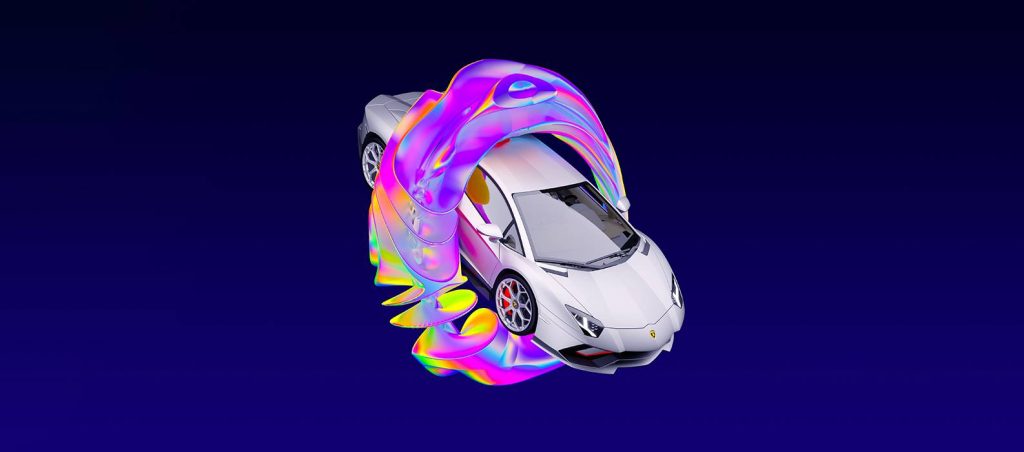
Have you ever wondered why the roar of a Lamborghini V12 engine sends chills down your spine? That unmistakable sound is more than just noise—it’s a powerful experience that connects you to the heart of the car.
You’ll discover what makes these engines produce such iconic sounds that capture attention and stir emotions. Get ready to learn why every rev feels like a symphony crafted just for you. Keep reading, and you’ll never hear a Lamborghini the same way again.
Lamborghini V12 Engine Design
The Lamborghini V12 engine design plays a key role in creating its iconic sound. The engine’s unique architecture and build bring a powerful roar that car fans love. Every detail in the design impacts the sound’s depth and character.
Historical Development
The Lamborghini V12 engine first appeared in 1963 with the 350 GT. Over decades, it evolved but kept its core design. Each update focused on improving power and sound quality. The engine became a symbol of Lamborghini’s racing heritage.
Engine Configuration
The V12 layout has twelve cylinders arranged in a V shape. This setup allows smooth power delivery and a distinct exhaust note. The firing order creates a rhythmic, aggressive sound. The high revving nature adds sharpness to the engine’s voice.
Materials And Build Quality
Lamborghini uses high-quality materials like aluminum and titanium. These materials reduce weight and enhance engine response. Precise craftsmanship ensures tight tolerances and durability. The solid build helps produce a clear and resonant engine sound.

Credit: www.carsales.com.au
Sound Characteristics Of V12 Engines
The sound of a Lamborghini V12 engine is not just noise; it’s a blend of engineering and passion that captures attention instantly. This unique sound stems from several factors working together, creating an auditory experience that is both thrilling and unmistakable. Understanding these sound characteristics helps you appreciate why these engines stand out in the automotive world.
Unique Acoustic Signature
The V12 engine layout naturally produces a smooth and balanced sound due to its even firing order. Each cylinder fires in a sequence that avoids harsh gaps, resulting in a continuous and melodic tone.
When you hear a Lamborghini’s V12 roar, you’re actually listening to a carefully tuned rhythm that feels alive and aggressive yet refined. This acoustic signature sets it apart from other engines, making it instantly recognizable even from a distance.
Exhaust System Influence
The exhaust system plays a crucial role in shaping the engine’s sound. Lamborghini engineers design exhausts that amplify the natural V12 tones while adding depth and volume.
They use specific materials and pipe lengths to control resonance and reduce unwanted frequencies. This means you get a powerful, throaty growl at low speeds and a high-pitched scream as the revs climb—a dynamic range that keeps your senses engaged.
Intake And Combustion Sounds
Beyond the exhaust, the intake system and combustion process also contribute to the engine’s voice. The way air rushes into the cylinders creates a distinctive whooshing sound that complements the exhaust notes.
Each combustion event generates a sharp pop or crackle that adds texture to the overall sound. When you combine these elements, the Lamborghini V12 doesn’t just roar—it sings with a complexity that few engines can match.
Engineering Techniques Behind The Sound
The unmistakable roar of a Lamborghini V12 engine is no accident. It’s the result of precise engineering choices that shape how the engine sounds and performs. Understanding these techniques gives you a deeper appreciation of why that sound turns heads everywhere.
Firing Order And Timing
The firing order in a V12 engine is carefully arranged to create a smooth and powerful exhaust note. Each cylinder fires in a sequence that balances power pulses evenly, reducing vibrations and producing a consistent rhythm.
This timing affects how exhaust gases exit the engine, influencing sound waves. Lamborghini engineers fine-tune this sequence to hit a sweet spot—loud and aggressive, yet refined enough to be thrilling, not overwhelming.
Cylinder Arrangement Effects
The V12 layout places cylinders in two banks of six, angled to optimize engine balance and sound quality. This configuration naturally produces a rich and full-bodied tone, distinct from other engine types.
The even spacing between cylinders means exhaust pulses don’t overlap too much, avoiding harsh sounds. This creates a harmonious blend of frequencies that your ears interpret as the classic Lamborghini growl.
Tuning For Performance And Sound
Engine tuning isn’t just about horsepower—it’s also about how the car sounds at different speeds and loads. Lamborghini adjusts components like the intake system, exhaust piping, and valve timing to sculpt the sound profile.
These tweaks allow the engine to roar loudly when accelerating but stay more subdued at idle. You get an engine that feels alive, responding to your driving style with a soundtrack that matches every moment.
Comparing V12 Sounds To Other Engines
Comparing the sound of Lamborghini’s V12 engines to other engine types reveals why these roaring beasts are so unforgettable. Engine sounds are more than noise; they create an emotional connection between the car and the driver. Understanding how V12s differ from V8s, inline engines, and even electric motors helps you appreciate the unique auditory experience Lamborghini delivers.
V8 Vs V12 Sound Profiles
V8 engines typically produce a deep, aggressive growl that many car enthusiasts love. Their firing order creates a rhythmic and punchy exhaust note that feels powerful and raw. In contrast, V12 engines offer a smoother, more refined sound due to their higher cylinder count and even firing intervals.
The V12’s sound is often described as a rapid, high-pitched purr that builds excitement. You might notice how the V12 revs more fluidly without the heavy thumps typical of a V8. This difference makes V12 sounds feel more exotic and sophisticated, perfect for a Lamborghini’s identity.
Inline Engines Vs V12
Inline engines, especially inline-4 or inline-6, produce a distinct sound that can be more monotonous or buzzier compared to V12s. Their cylinders fire in a linear sequence, which can result in a less complex exhaust note. The V12’s multiple cylinders firing in a V-shaped configuration create overlapping pulses that blend into a richer, fuller sound.
If you’ve ever heard a smooth inline-6 engine, you know it sounds balanced, but it lacks the intensity and layering of a V12. The V12’s sound feels like a symphony with various notes playing simultaneously, giving you a thrilling auditory experience you won’t get from inline engines.
Electric Motors And Engine Noise
Electric cars are known for their near-silent operation, which is a stark contrast to the loud and expressive V12 engine. While electric motors offer instant torque and smooth acceleration, their lack of engine noise can leave some drivers missing the visceral thrill of a combustion engine.
Manufacturers sometimes add artificial engine sounds to electric vehicles to mimic the excitement of traditional engines. However, these synthetic noises rarely match the organic complexity and emotional pull of a real Lamborghini V12. How important is engine sound to your driving experience?
Emotional Impact Of The V12 Sound
The roar of a Lamborghini V12 engine is more than just noise. It creates a deep emotional connection with the driver and fans alike. This sound symbolizes power, speed, and passion. It stirs excitement and pride. The unique tone and rhythm make it unforgettable. This emotional impact plays a big role in why Lamborghini remains iconic.
Driver Experience
Hearing the V12 engine revving brings a rush of adrenaline. Drivers feel alive and in control. The sound signals raw power ready to be unleashed. It makes every drive thrilling and memorable. The engine’s voice becomes part of the driving experience. It boosts confidence and joy on the road.
Cultural Significance
The V12 sound is a symbol in car culture worldwide. It represents luxury and high performance. Fans recognize it instantly and feel a sense of belonging. The sound appears in movies, music, and events. It connects generations of car lovers. The roar carries stories of speed and daring adventures.
Marketing And Brand Identity
Lamborghini uses the V12 sound to build its brand image. The sound signals exclusivity and power. It sets Lamborghini apart from other car makers. Advertisements highlight the engine’s roar to attract buyers. The V12 sound becomes a promise of excitement. It helps create a strong emotional bond with customers.

Credit: www.lamborghini.com
Future Of Lamborghini Engine Sounds
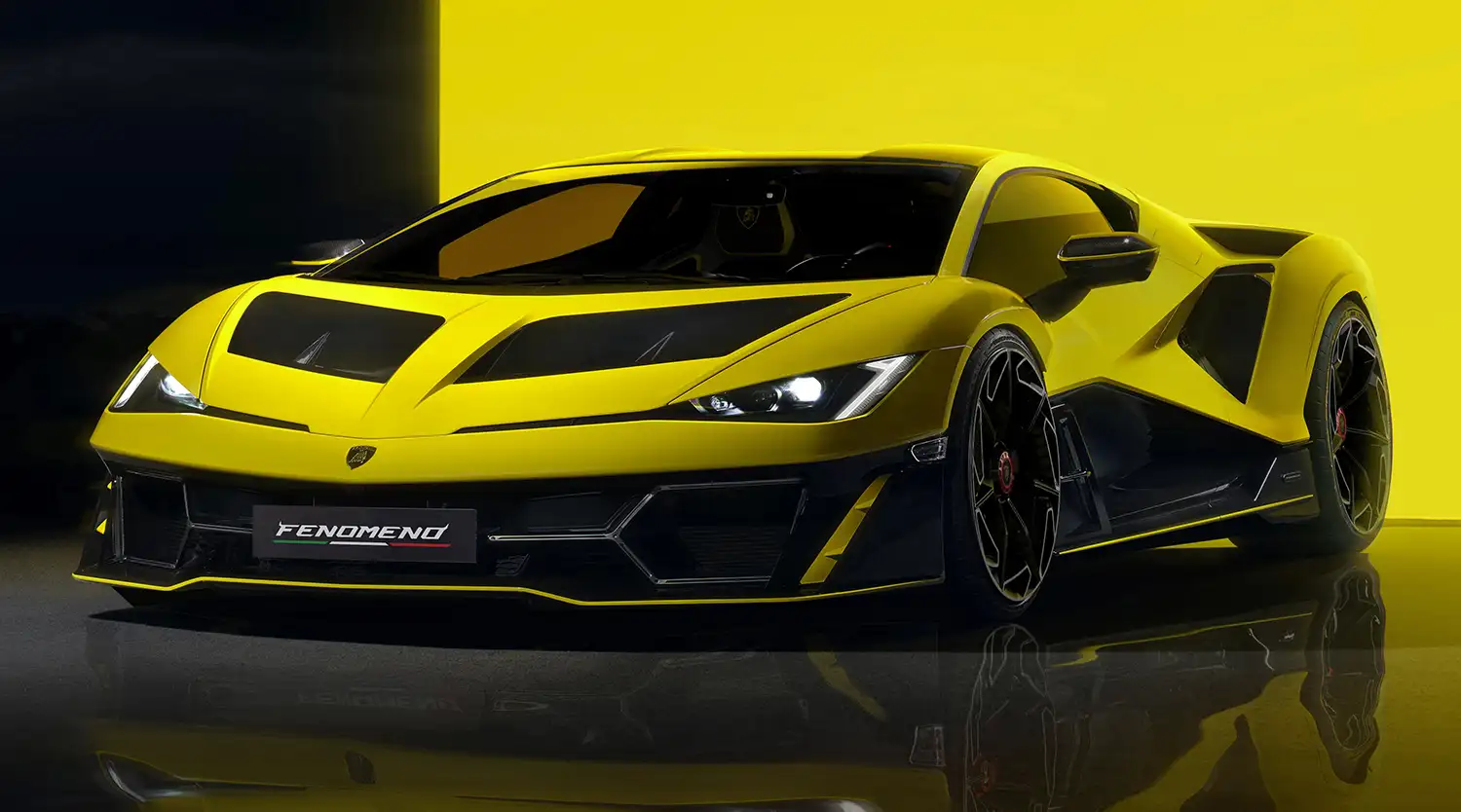
The future of Lamborghini engine sounds faces big changes. The rise of hybrid and electric technology shifts how engines roar. Fans of the classic V12 grow curious about how new models will sound. Preserving the legendary engine note while adopting new tech presents real challenges.
Hybrid And Electric Developments
Lamborghini now invests in hybrid and electric powertrains. These systems offer cleaner and more efficient performance. Electric motors run almost silently, unlike traditional engines. Lamborghini blends electric boost with combustion engines to keep some sound. This mix creates a unique new audio experience for drivers.
Maintaining Iconic Sound In New Models
Engineers work hard to keep Lamborghini’s iconic sound alive. Artificial sound generators sometimes add engine noise inside the cabin. Exhaust systems are tuned to enhance deep, aggressive tones. The goal is to match the emotional impact of classic V12s. Fans want to hear power and passion, even in hybrid cars.
Technological Challenges Ahead
Adapting sound to hybrid and electric cars is tough. Balancing noise rules with customer expectations is tricky. Batteries and electric motors limit how loud engines can be. Engineers must innovate without losing Lamborghini’s signature voice. The future demands creativity to keep the engine’s soul alive.
Credit: en.wheelz.me
Frequently Asked Questions
What Makes Lamborghini V12 Engines Sound Unique?
Lamborghini V12 engines have a distinct firing order and high-revving nature. These elements create a harmonious blend of mechanical symphony. The precision engineering and unique exhaust systems amplify their iconic sound. This distinct roar is a signature that sets Lamborghini apart from other supercar manufacturers.
Why Do Lamborghini V12 Engines Roar Loudly?
Lamborghini V12 engines are designed with performance and acoustics in mind. The engine’s high displacement and specialized exhaust system contribute to their loud roar. This intense sound is a result of engineering excellence. It provides an exhilarating experience for both drivers and onlookers.
How Do Lamborghini Engineers Enhance Engine Acoustics?
Lamborghini engineers focus on exhaust tuning and engine layout. They design unique components to optimize sound quality. These innovations ensure the engine’s acoustics are both powerful and refined. Their meticulous attention to detail enhances the driving experience and brand identity.
Are Lamborghini V12 Engine Sounds Artificial?
No, Lamborghini V12 engine sounds are not artificial. They are a product of precise engineering. The engines are naturally aspirated, enhancing the authentic sound. Engineers prioritize maintaining a genuine acoustic profile. This commitment ensures the iconic sound remains a true representation of the engine’s capabilities.
Conclusion
Lamborghini V12 engines create sounds that thrill car fans worldwide. Their unique design and powerful build make the roar unforgettable. Every note shows engineering skill and passion. This sound links drivers to the car’s spirit. It is more than noise; it is emotion.
This is why the Lamborghini V12 sound stays iconic and loved. True car lovers understand its special place in auto history.