Are you wondering if you can use 5W30 oil instead of 0W20 in your Toyota? Choosing the right engine oil is crucial to keep your car running smoothly and avoid costly repairs.
You might think swapping oils is a simple fix, but the truth could affect your engine’s performance and longevity. Keep reading to find out what happens when you switch, and whether it’s safe for your Toyota. Don’t risk your vehicle’s health—get the facts first!

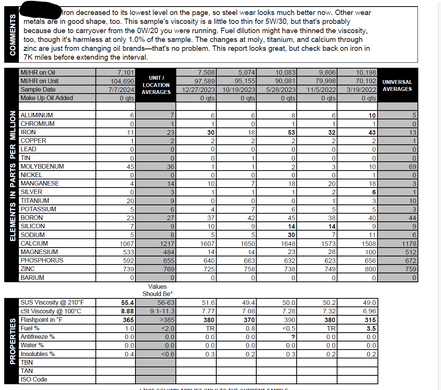
Credit: www.reddit.com
Oil Viscosity Basics
Understanding oil viscosity is key when deciding if you can switch from 0W20 to 5W30 in your Toyota. Viscosity affects how oil flows and protects your engine, especially under different temperature conditions. Let’s break down what these numbers mean and why they matter for your car’s performance and longevity.
What Do 5w30 And 0w20 Mean
Oil viscosity ratings like 5W30 and 0W20 describe how thick or thin the oil is at certain temperatures. The number before the “W” (which stands for winter) shows how the oil flows in cold conditions. A lower number here means the oil is thinner when cold, helping your engine start easier on chilly mornings.
The number after the “W” represents the oil’s thickness at normal engine operating temperatures. So, 5W30 oil is thicker at high temperatures than 0W20. This thickness affects how well the oil can protect engine parts when it’s hot.
How Viscosity Affects Engine Performance
The right oil viscosity ensures your engine parts move smoothly without excess friction or wear. Too thick oil might make your engine work harder, reducing fuel efficiency and causing extra strain during cold starts. On the other hand, oil that’s too thin may not protect engine parts adequately when it’s hot, leading to faster wear.
Switching from 0W20 to 5W30 changes the protection your engine receives, especially in cold weather. Have you noticed your engine’s behavior on cold mornings? That could hint at the ideal viscosity for your driving conditions. Remember, using the recommended oil helps maintain your Toyota’s efficiency and longevity.
Toyota’s Oil Recommendations
Toyota’s oil recommendations are more than just suggestions—they’re carefully designed to keep your engine running smoothly and efficiently. Using the right oil type affects everything from fuel economy to engine longevity. If you’re wondering about swapping 0W20 with 5W30, understanding Toyota’s preferences is crucial.
Why Toyota Prefers 0w20
Toyota specifically recommends 0W20 oil for many of its newer models because of its excellent flow characteristics in cold weather. This thinner oil reduces friction during engine startup, which means less wear and better fuel efficiency.
Since 0W20 is a low-viscosity oil, it helps your engine reach optimal operating temperature faster. This can improve performance and lower emissions, aligning with Toyota’s focus on eco-friendly technology.
Have you noticed how your car feels different on chilly mornings? That’s partly because of the oil’s viscosity—using 0W20 helps your engine start smoother and protects vital parts right from the first turn of the key.
Manufacturer Guidelines Importance
Ignoring Toyota’s oil recommendations can lead to unexpected problems. The manufacturer designs engines to work best with specific oil grades and viscosities, so using the wrong type might cause increased engine wear or reduced efficiency.
Many drivers think thicker oil like 5W30 offers better protection, but in some Toyota engines, this can actually cause more harm than good. It may not flow as easily in cold starts, leading to delayed lubrication and potential damage.
When you choose oil outside Toyota’s guidelines, you risk voiding your warranty. So, ask yourself: is it worth the gamble to save a few dollars on oil if it could cost you in repairs down the road?
Comparing 5w30 And 0w20
Choosing the right oil for your Toyota is crucial to keep your engine running smoothly. Both 5W30 and 0W20 oils have their own advantages, but understanding their differences can help you make an informed decision. Let’s compare these two oil types on key factors that affect your car’s performance and longevity.
Temperature Range Suitability
5W30 oil is thicker at higher temperatures compared to 0W20. This means it provides better protection in hotter climates or during heavy engine loads. On the other hand, 0W20 flows more easily in cold weather, helping your engine start quickly and reducing wear during cold starts.
If you live in a region with extreme cold, 0W20 might be more suitable. But if you often drive in high heat or tow heavy loads, 5W30 could offer better protection. Are you considering how seasonal changes affect your oil choice?
Fuel Efficiency Impact
0W20 oil is thinner overall, which reduces engine friction and can improve fuel economy. Toyota often recommends 0W20 to maximize mileage and meet environmental standards. Using 5W30 might slightly decrease fuel efficiency because of its higher viscosity.
However, if your driving habits involve a lot of stop-and-go traffic or heavy acceleration, the difference in fuel economy might be minimal. Would saving a few miles per gallon justify switching oils for your driving style?
Engine Wear And Protection
Thicker oil like 5W30 forms a stronger protective layer on engine parts, especially when the engine is hot. This can reduce wear in older engines or those with higher mileage. Conversely, 0W20 provides excellent protection during cold starts and maintains good lubrication at normal operating temperatures.
If your Toyota is new and under warranty, sticking with 0W20 is often best to meet manufacturer specifications. But if your engine shows signs of wear, 5W30 might give you extra peace of mind. How do you prioritize engine protection versus following factory recommendations?

Credit: www.reddit.com
When 5w30 Can Be Used
Choosing the right engine oil is important for your Toyota’s performance. Sometimes, 5W30 oil can be used instead of 0W20. Knowing when this swap is acceptable helps protect your engine. It depends on weather, vehicle age, and engine condition.
Cold Weather Considerations
0W20 oil flows better in very cold temperatures. It helps the engine start quickly and reduces wear. 5W30 is thicker at low temperatures and may not flow as easily. Use 5W30 only if the temperature is consistently above freezing. In mild or warm climates, 5W30 can protect the engine well.
Check your local weather patterns before switching. Using 5W30 in cold climates can cause engine strain. Stick to 0W20 in winter or very cold regions for best results.
Older Vehicles And High Mileage Engines
Older Toyota models and cars with high mileage sometimes benefit from thicker oil. 5W30 provides a better seal and reduces oil burn in worn engines. It also helps reduce leaks in engines with loose parts. Many mechanics recommend 5W30 for engines over 100,000 miles.
Thicker oil can improve engine performance and protect against wear. Ensure the oil meets Toyota’s quality standards. Always check the owner’s manual or consult a mechanic before changing oil types.
Risks Of Using The Wrong Oil
Using the wrong engine oil, like choosing 5W30 instead of the recommended 0W20 for your Toyota, can lead to several serious risks. These risks affect your car’s performance, longevity, and even your wallet. Understanding these dangers helps you make smarter choices about oil changes and keeps your engine running smoothly.
Potential Engine Damage
The viscosity difference between 5W30 and 0W20 affects how the oil flows through your engine. 0W20 is thinner, especially in cold temperatures, which means it lubricates engine parts quickly at startup. Using thicker 5W30 oil can cause delayed lubrication, increasing wear and tear on critical engine components.
Thicker oil may also reduce fuel efficiency because your engine has to work harder to pump it. Over time, this strain can lead to overheating or sludge buildup, which compromises engine health. Have you ever noticed rough idling or unusual engine noise after switching oils? These could be early signs of damage from incorrect oil viscosity.
Warranty Implications
Your Toyota’s warranty often specifies the exact oil grade you must use. Straying from 0W20 to 5W30 could void your warranty, leaving you responsible for costly repairs. Manufacturers require specific oil types to ensure optimal engine protection under different driving conditions.
If your engine develops a problem linked to using the wrong oil, the dealer might refuse to cover repairs. This risk is especially important if your car is still under warranty or if you plan to sell it soon. Ask yourself—would saving a few dollars on oil now be worth potential thousands later?
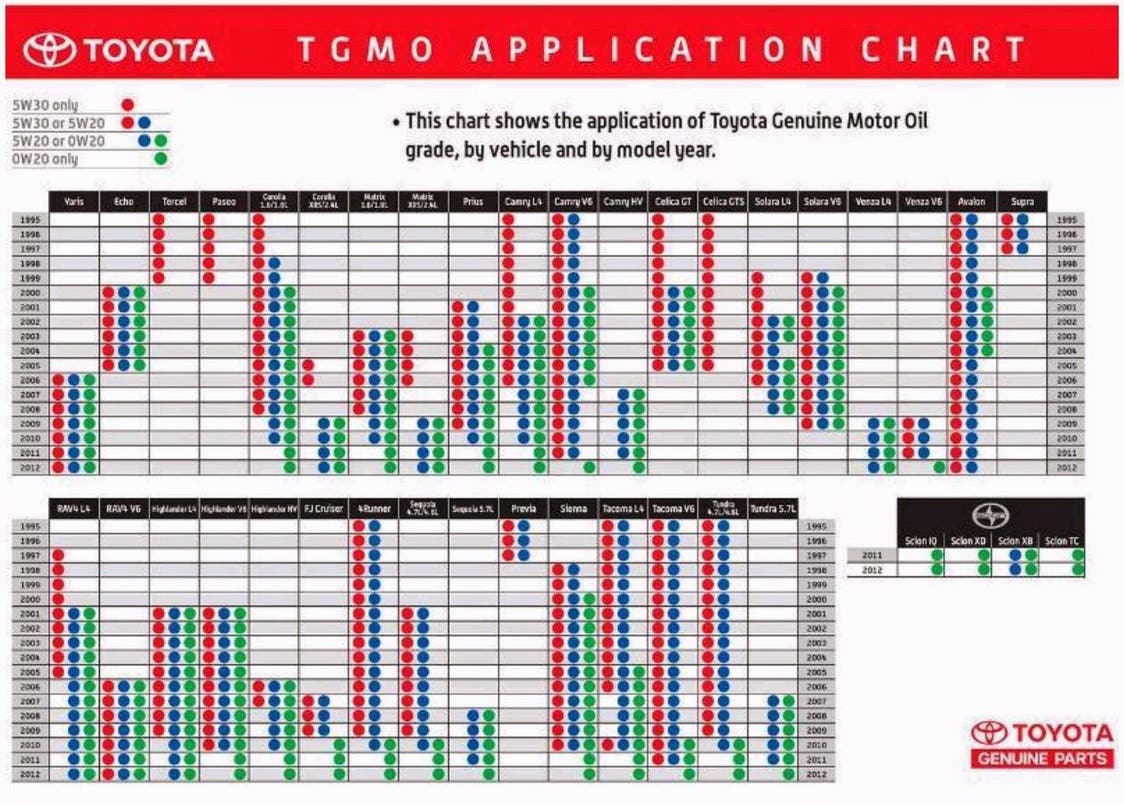
Credit: www.siennachat.com
Expert Tips For Choosing Oil
Choosing the right engine oil is crucial for your Toyota’s performance and longevity. Using the wrong oil can affect fuel efficiency, engine wear, and overall driving experience. Let’s look at expert tips to help you make the best choice when deciding between oils like 5W30 and 0W20.
Checking Your Owner’s Manual
Your Toyota’s owner’s manual is the most reliable source for oil recommendations. It specifies the ideal oil viscosity based on your engine’s design and typical operating conditions.
For example, if your manual recommends 0W20, it’s because this oil provides better fuel economy and cold-start performance for your engine. Ignoring this advice might lead to reduced efficiency or increased engine wear.
Have you ever considered how different oil weights affect engine temperature and protection? The manual explains these details, helping you avoid costly mistakes.
Consulting Certified Technicians
Certified technicians have hands-on experience with Toyota engines and can offer tailored advice. They understand how different oil viscosities behave in real-world driving situations.
If you’re unsure about switching from 0W20 to 5W30, ask a technician about your car’s specific needs, mileage, and climate conditions. They might suggest 5W30 only if you drive in hotter climates or your engine has higher mileage.
Technicians can also help you identify signs of oil-related problems early, saving you from expensive repairs. Have you ever asked a pro about oil choices during your last service? Their insights could be a game changer.
Alternative Oil Options
Choosing the right oil for your Toyota is vital for engine health. Alternative oil options can sometimes work if the original grade is unavailable. Understanding these options helps maintain performance and protect your engine over time.
Synthetic Vs Conventional Oils
Synthetic oils offer better protection in extreme temperatures. They flow easily during cold starts and resist breakdown in heat. Conventional oils come from crude oil and have fewer additives. They cost less but may not protect as well.
Synthetic oils last longer and keep engines cleaner. Conventional oils need more frequent changes. For Toyota engines, synthetic oils often match or exceed manufacturer standards. This helps ensure smooth engine operation and longer life.
Other Acceptable Viscosity Grades
Viscosity affects how oil flows at different temperatures. Toyota usually recommends 0W20 for newer engines. Using 5W30 is possible but depends on climate and engine condition.
- 0W20: Best for cold starts and fuel efficiency.
- 5W30: Thicker at high temperatures, suitable in warmer climates.
- 10W30: Sometimes acceptable for older engines with more wear.
Always check your owner’s manual for approved grades. Using a thicker oil like 5W30 might reduce fuel efficiency slightly. It can also provide better protection if the engine runs hotter or has higher mileage.
Frequently Asked Questions
Can I Replace 0w20 With 5w30 In My Toyota?
Yes, you can use 5W30 instead of 0W20, but only if the temperature is higher. 0W20 is best for cold starts, while 5W30 suits warmer climates.
What Are The Risks Of Using 5w30 In Toyota Engines?
Using 5W30 in cold weather may cause poor lubrication during startup. This can increase engine wear and reduce fuel efficiency. Always check your owner’s manual before switching oils.
Does 5w30 Affect Toyota Engine Performance?
5W30 provides thicker oil film at high temperatures, which can protect the engine better. However, it might slightly reduce fuel economy compared to 0W20.
When Is 5w30 Better Than 0w20 For Toyota Vehicles?
5W30 is better in hot climates or for older engines needing thicker oil. It handles higher temperatures well, protecting engine parts during heavy use.
Conclusion
Choosing the right oil for your Toyota is important. It affects performance and engine health. 0W20 is usually recommended for many Toyota models. It provides better fuel efficiency and engine protection. But, using 5W30 might be okay in warmer climates.
Always check your car’s manual first. It gives the best advice for your engine. Consulting a professional mechanic can also help. They know which oil suits your car best. Keeping these tips in mind ensures your Toyota runs smoothly and efficiently.