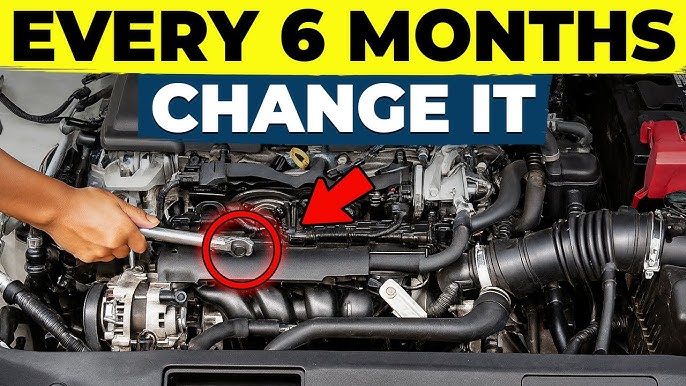
If you drive a Subaru, you know how important it is to keep your engine running smoothly. One simple way to do that is by changing your spark plugs regularly.
But maybe you’re wondering, “Can I really do this myself? ” The answer is yes—and it’s easier than you think. In this guide, you’ll learn exactly how to change spark plugs on your Subaru step-by-step. By the end, you’ll feel confident saving time and money while boosting your car’s performance.
Keep reading to discover the tricks and tips that make this task straightforward and rewarding.
Tools And Materials Needed
Changing spark plugs on your Subaru requires more than just a willingness to get your hands dirty. Having the right tools and materials on hand can make the task smoother and prevent frustrating delays. Before you start, gather everything you need to avoid interruptions and ensure a successful replacement.
Required Tools
You’ll need a few basic tools to change spark plugs efficiently. A spark plug socket is essential because it fits snugly around the plug and allows you to remove and install it without damage.
- Spark plug socket(usually 5/8″ or 13/16″)
- Ratchet wrenchto turn the socket
- Extension barfor reaching deep plugs
- Torque wrenchto tighten plugs to the correct specification
- Compressed airor a small brush to clean debris around the plugs
- Anti-seize compound(optional but recommended for preventing threads from sticking)
- Dielectric greaseto protect the spark plug boots
Without these tools, you risk damaging the spark plugs or the engine components. Have you ever tried using the wrong socket and ended up stripping the plug? Avoid that hassle by preparing the right equipment upfront.
Choosing The Right Spark Plugs
Not all spark plugs fit every Subaru model. Selecting the correct type is crucial for optimal engine performance. Check your owner’s manual or use an online parts lookup tool to find the exact model number.
Subaru often recommends iridium or platinum spark plugs for their longevity and better ignition. These plugs resist wear and maintain performance longer than standard copper plugs.
Consider the heat range as well—your spark plugs need to handle the engine’s operating temperature without fouling or overheating. Using the wrong plugs can cause misfires or reduced fuel efficiency.
Have you noticed your engine running rough or using more fuel? It might be time to upgrade to the right spark plugs. Investing in quality plugs pays off in smoother starts and better mileage.
Preparing Your Subaru
Before you dive into changing the spark plugs on your Subaru, getting the car ready is crucial. Proper preparation not only keeps you safe but also makes the job smoother. A rushed start can lead to mistakes or even damage, so take a moment to set the stage right.
Ensure Engine Is Cool
Never attempt to change spark plugs while the engine is hot. Hot engine parts can burn your skin and make it hard to work comfortably. Wait at least 30 minutes after turning off your Subaru to let the engine cool down.
Checking the temperature by carefully feeling near the engine block can help. If it still feels warm, give it more time. Patience here prevents injury and protects your tools from heat damage.
Disconnect The Battery
Disconnecting the battery is a simple but vital safety step. It prevents accidental electrical shocks and stops the engine from starting while you’re working. Use a wrench to remove the negative terminal cable first, then the positive.
Keep the cables away from the battery posts to avoid accidental reconnection. This step might seem basic, but it’s easy to overlook. Skipping it could result in costly electrical problems or personal injury.
Locating The Spark Plugs
Finding the spark plugs on a Subaru is the first important task before changing them. Knowing their exact location helps avoid mistakes and saves time. Subaru engines have different layouts, so the spark plug positions vary by model. Understanding the engine bay setup is key to spotting the plugs quickly.
Accessing The Engine Bay
Open the hood of your Subaru carefully and secure it with the prop rod. Clear any items or covers blocking the engine. Some models have plastic engine covers that need removal. Use a screwdriver or socket wrench to take off these covers. This step gives clear access to the engine components.
Identifying Spark Plug Positions
Spark plugs sit on the cylinder head and connect to thick ignition wires or coils. Look for these wires leading to the engine block. Most Subaru engines have spark plugs arranged in a straight line or in two rows. Check near the top or side of the engine for spark plug boots. These boots cover the plugs and protect them from dirt.

Credit: www.subarulegacy.com
Removing Old Spark Plugs
Removing old spark plugs is an important step when changing them on a Subaru. It prepares the engine for new plugs that improve performance. Care must be taken to avoid damage to the ignition system and cylinder head. Proper tools and gentle handling make this task easier and safer.
Removing Ignition Coils Or Wires
Start by locating the ignition coils or spark plug wires on the engine. These connect the spark plugs to the ignition system. Gently pull the coil or wire from the spark plug. Twist slightly if it feels stuck, but avoid pulling on the wire itself. Use a socket or wrench if bolts hold the coil in place. Set the coils or wires aside carefully to prevent damage.
Using A Spark Plug Socket
Attach a spark plug socket to a ratchet or extension. Insert the socket onto the spark plug carefully. Turn counterclockwise to loosen the plug. Use steady pressure and avoid forcing it. Once loose, remove the spark plug by hand. Inspect the old plug for wear or damage. Keep the socket clean to avoid contaminating the engine.
Installing New Spark Plugs
Installing new spark plugs on your Subaru is a crucial step in maintaining engine performance and fuel efficiency. It’s not just about swapping old parts; it’s about ensuring every spark plug fits perfectly to ignite your engine smoothly. Pay close attention to details during installation to avoid common mistakes that can lead to misfires or engine damage.
Checking Spark Plug Gap
Before installing, always check the spark plug gap. This gap is the distance between the center and ground electrode, and it affects how well your engine fires.
Use a feeler gauge to measure the gap. Compare it with the gap specified in your Subaru’s owner manual or service guide.
If the gap is too wide or too narrow, gently adjust it by bending the ground electrode. A proper gap ensures efficient combustion and smooth engine running.
Hand Threading The Plugs
Start by threading the spark plugs into the cylinder head by hand. This step is key to avoid cross-threading, which can damage the threads and the cylinder head.
Turn the spark plug slowly and feel for resistance. If it doesn’t thread smoothly, back it out and try again.
Hand threading saves you from costly repairs and sets the stage for proper tightening later on.
Tightening To Specifications
Use a torque wrench to tighten the spark plugs to the manufacturer’s specifications. Over-tightening can strip threads, while under-tightening can cause poor sealing.
Your Subaru’s manual will list the correct torque value, usually in foot-pounds (ft-lbs). Set your wrench accordingly before tightening.
Apply the torque in a steady, controlled motion to ensure the plug seats properly without damage. This precision can extend the life of your spark plugs and keep your engine running at its best.
Credit: www.subaruoutback.org
Reassembling Components
After replacing the spark plugs on your Subaru, reassembling the components carefully ensures everything works smoothly. Taking the right steps now prevents future engine problems and saves you time. Let’s focus on putting everything back exactly where it belongs.
Reattaching Ignition Coils Or Wires
Start by placing the ignition coils or spark plug wires back onto the new spark plugs. Make sure each coil or wire clicks or fits snugly to guarantee a solid connection.
Check for any dirt or debris on the connectors before attaching them. Clean connections help maintain good electrical flow, which keeps your engine running efficiently.
If your Subaru has ignition coils secured with bolts, tighten them to the manufacturer’s torque specifications. Over-tightening can damage parts, while under-tightening may cause loose connections.
Reconnecting The Battery
Before reconnecting the battery, double-check that all tools are removed from the engine bay. This avoids accidental short circuits or damage.
Attach the positive (red) cable first, followed by the negative (black) cable. This order reduces the risk of sparks near the battery.
Once reconnected, start your engine and listen for smooth operation. Any unusual noises or rough idling might indicate a missed step during reassembly. Have you noticed how a simple reconnection can immediately reveal if everything is in place?
Testing And Maintenance
After changing the spark plugs on your Subaru, it’s essential to test and maintain them properly to ensure your engine runs smoothly. Proper testing confirms that the installation was successful, while regular maintenance keeps your vehicle performing at its best. Let’s look at how to start the engine, recognize signs of success, and keep your spark plugs in top shape.
Starting The Engine
Once the new spark plugs are installed, start your Subaru’s engine without pressing the gas pedal. Listen carefully to the engine’s sound and feel for smoothness. A steady idle and quick ignition indicate the spark plugs are firing correctly.
If the engine hesitates, sputters, or struggles to start, double-check your installation. Make sure each plug is properly tightened and connected to the ignition wires. Sometimes a loose wire or under-tightened plug can cause misfires or poor performance.
Signs Of Successful Installation
Successful spark plug replacement often shows immediate results. Your Subaru should accelerate smoothly without hesitation. Fuel efficiency may improve, and you might notice a quieter engine.
Watch for these indicators:
- Quick and consistent starts
- Stable idle speed
- Improved throttle response
- Reduced engine knocking or pinging
If you experience any engine warning lights or unusual sounds, it’s worth rechecking the plugs or consulting a mechanic. Have you ever ignored these signs and ended up with a costly repair? Paying attention now can save headaches later.
Routine Spark Plug Maintenance Tips
Maintaining your spark plugs is easy but often overlooked. Check them every 30,000 miles or as recommended in your Subaru’s owner manual. Regular inspections can catch wear and fouling before they affect performance.
Here are practical tips to keep your spark plugs healthy:
- Clean any dirt or debris around the plugs before removal
- Inspect plugs for cracks, carbon buildup, or worn electrodes
- Use a gap tool to verify the correct spark plug gap
- Apply a small amount of anti-seize compound on the threads to prevent sticking
- Replace plugs that look damaged or exceed their recommended lifespan
Remember, routine care extends the life of your engine and prevents unexpected breakdowns. How often do you check your spark plugs? Making it part of your regular vehicle care routine can improve your Subaru’s reliability and save money over time.

Credit: www.reddit.com
Frequently Asked Questions
How Often Should Spark Plugs Be Changed On A Subaru?
For most Subaru models, replace spark plugs every 30,000 to 60,000 miles. Check your owner’s manual for specific intervals. Regular maintenance ensures optimal engine performance and fuel efficiency. If you notice reduced engine power or increased fuel consumption, inspect your spark plugs sooner.
What Tools Are Needed To Change Spark Plugs?
You’ll need a spark plug socket, ratchet wrench, and extension bar. A torque wrench is recommended for precise installation. Having an anti-seize lubricant and spark plug gap tool can be helpful. Always ensure you have the correct spark plug type for your Subaru model.
Can I Change Subaru Spark Plugs Myself?
Yes, you can change spark plugs yourself with the right tools and instructions. Familiarize yourself with your Subaru’s engine layout. Ensure you follow safety precautions and double-check plug gaps. This DIY task can save on labor costs and enhance your vehicle maintenance skills.
What Are Signs Of Bad Spark Plugs?
Signs include rough idling, engine misfires, and decreased fuel efficiency. You might also notice difficulty starting your engine. Check for these symptoms regularly. Replacing worn spark plugs can restore engine performance and prevent further issues.
Conclusion
Changing spark plugs on your Subaru keeps the engine running smooth. It saves money and helps avoid car trouble. Follow each step carefully for best results. Use the right tools and parts for safety. Regular maintenance improves fuel efficiency and engine power.
Take your time and double-check your work. Enjoy the confidence of fixing your car yourself. This simple task makes a big difference in driving performance. Keep your Subaru healthy and reliable with fresh spark plugs.