Are you thinking about tinting your car windows in Kansas? Before you get started, it’s important to know the rules that protect you and keep you safe on the road.
Kansas tint law can seem confusing, but understanding it will help you avoid fines and make smart choices for your vehicle. You’ll find clear, simple answers about what’s allowed, what’s not, and how to stay within the legal limits. Keep reading to make sure your tint is both stylish and legal.

Credit: www.cjonline.com
Kansas Tint Regulations
Kansas tint regulations set clear rules on how dark and reflective car window tints can be. These rules aim to balance driver privacy and safety for all road users. Understanding these regulations helps avoid fines and ensures compliance with the law.
Tint Darkness Limits
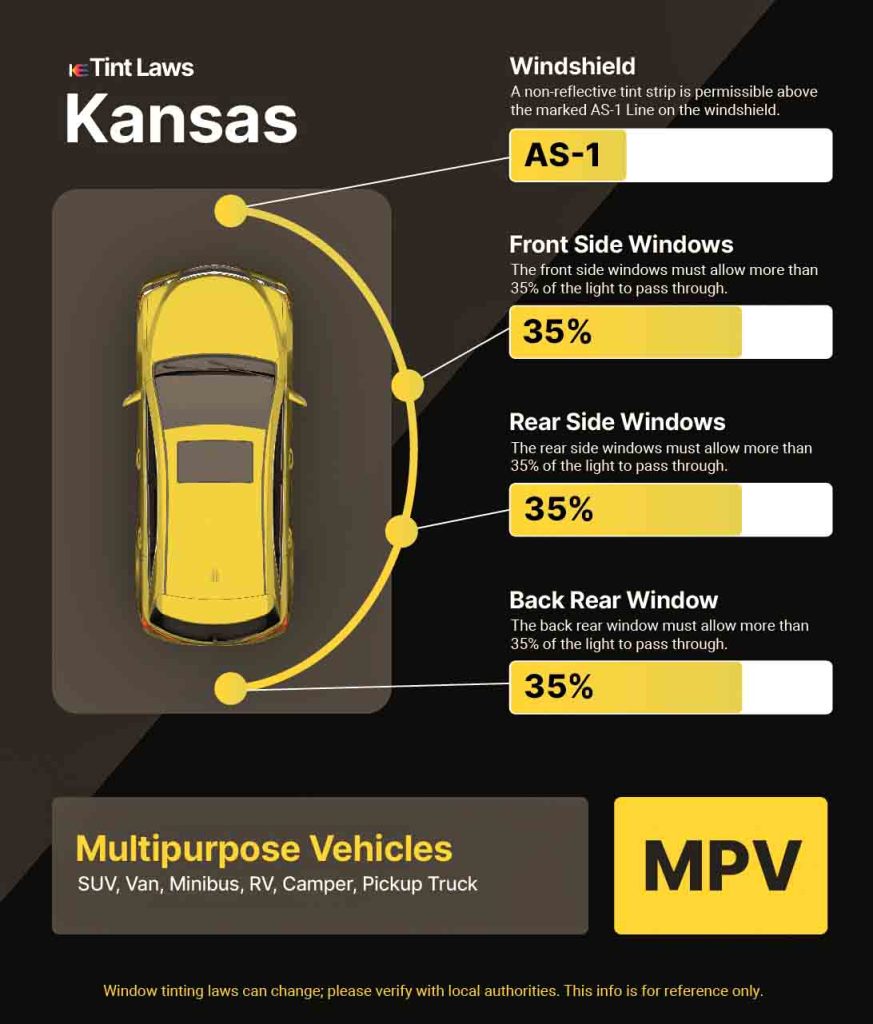
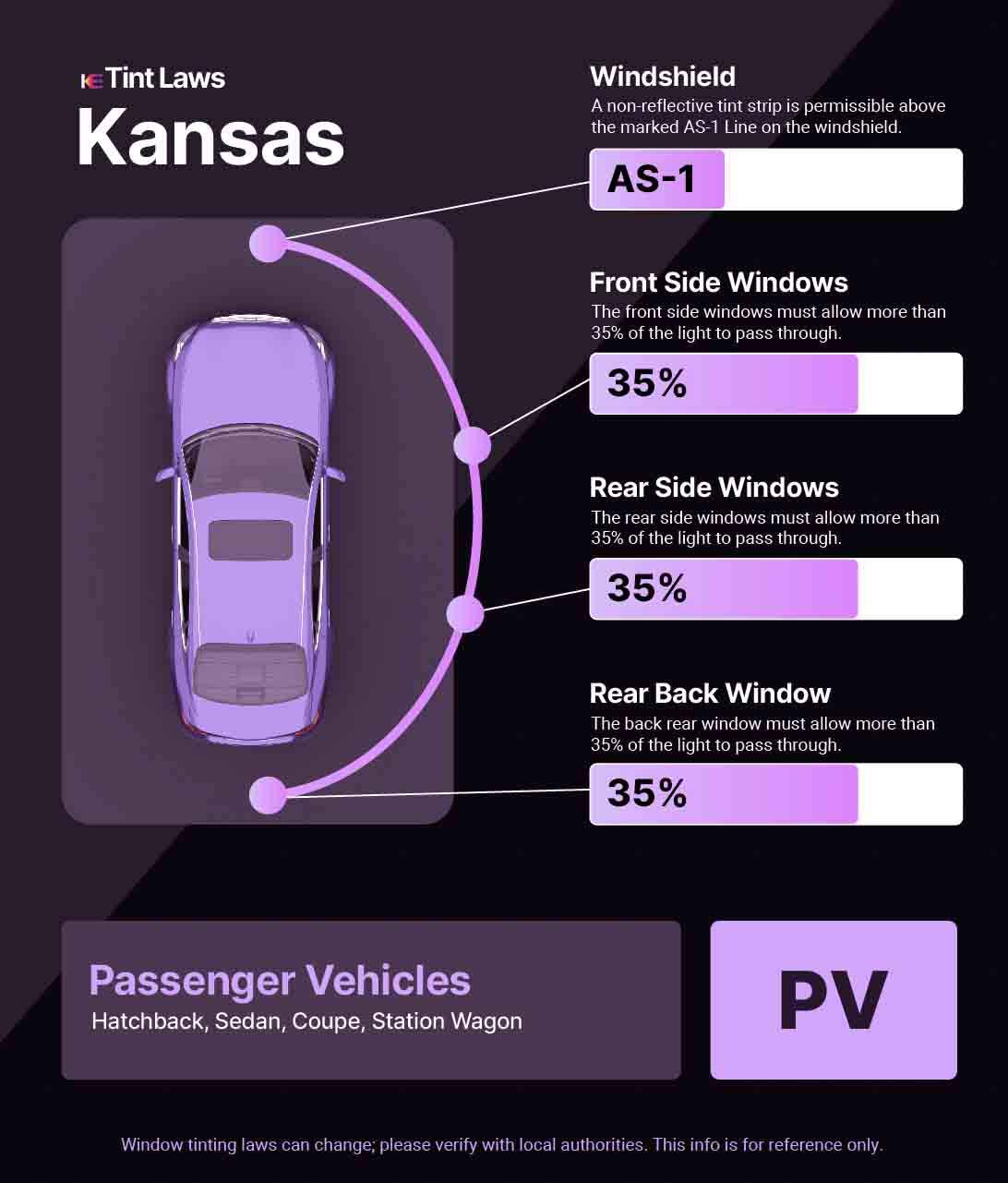
Kansas law limits how dark window tint can be. The front windshield can only have a non-reflective tint on the top 5 inches. Side windows in the front must allow more than 35% of light inside. Rear side windows and the back window can have darker tints, but they must still meet visibility standards. These limits help police see inside the vehicle during stops.
Permitted Window Types
The law applies to passenger vehicles, trucks, and vans. Vehicles with factory-tinted windows have some exceptions. Medical exemptions allow darker tints if approved by a doctor. Commercial vehicles have their own rules, often stricter. Always check which windows can be tinted to avoid breaking the law.
Reflectivity Rules
Kansas also controls how reflective window tint can be. The tint must not reflect more than 25% of light on the front side windows. Reflective tints can cause glare and reduce visibility for other drivers. These rules keep roads safer by limiting glare and distractions. Reflective tint on the rear windows usually faces fewer restrictions.
Credit: kepler-dealer.com
Medical Exemptions
Medical exemptions under Kansas tint law offer relief for individuals whose health conditions make standard window tinting limits unsafe or uncomfortable. Understanding these exemptions can help you protect your well-being without risking legal trouble. If you have a qualifying medical condition, knowing the rules and process is essential for getting the right tint allowance.
Qualifying Conditions
Kansas allows medical exemptions primarily for conditions that increase sensitivity to sunlight or UV rays. Common qualifying conditions include:
- Albinism
- Lupus
- Skin cancer
- Photosensitivity disorders
- Other physician-documented conditions requiring reduced light exposure
Do you know if your condition qualifies? Consulting your healthcare provider is a good first step to confirm eligibility.
Required Documentation
To apply for a medical exemption, you must provide specific documentation. This includes:
- A written statement from a licensed physician detailing the medical condition
- Explanation of why the exemption is necessary for your safety or comfort
- Vehicle information, including registration and license plate number
Make sure the physician’s statement is clear and thorough to avoid delays. Missing or vague documents could result in a denied exemption.
Application Process
Applying for a medical tint exemption in Kansas involves submitting your documentation to the local Department of Motor Vehicles (DMV) or law enforcement agency. You will:
- Complete an application form provided by the DMV
- Attach the physician’s medical statement
- Submit vehicle details and proof of ownership
After submission, your application will be reviewed and, if approved, you will receive a certificate allowing legal use of darker window tint. Have you prepared all your paperwork before visiting the DMV? Being organized can save you hours and frustration.
Inspection And Enforcement
Inspection and enforcement play a key role in keeping Kansas roads safe. The state has clear rules for window tinting. Law officers check vehicles to ensure these rules are followed. This helps prevent dark tints that reduce driver visibility. Regular inspections and strict enforcement make sure everyone drives safely.
Law Enforcement Checks
Police officers stop vehicles to check window tint levels. They use special tools to measure how much light passes through the glass. If the tint is too dark, the officer may issue a citation. These checks happen during routine traffic stops or special enforcement campaigns. Officers focus on driver and passenger side windows.
Penalties For Violations
Drivers caught with illegal tint face fines. The amount varies based on the severity of the violation. Repeat offenders may receive higher penalties. In some cases, drivers must remove the illegal tint. Failure to comply can lead to more serious consequences. This encourages drivers to follow the Kansas tint laws strictly.
Appealing Citations
Drivers can challenge tint citations in court. They need to present evidence showing compliance with the law. Photographs and tint measurement reports help support their case. The court reviews all facts before making a decision. This process gives drivers a fair chance to explain their situation.
Choosing Legal Tint Films
Choosing the right tint film for your vehicle in Kansas is more than just picking a shade that looks cool. It’s about following the law to avoid fines and keep your car safe. Knowing which tint films are legal helps you make a smart choice that protects you and your investment.
Approved Tint Materials
Kansas law allows only certain types of tint films on vehicle windows. The most common approved materials are dyed films, metalized films, and hybrid films that combine both. These materials must meet the visible light transmission (VLT) levels set by the state—usually no less than 35% for the front side windows.
When shopping, check the product specifications for VLT percentages. Legit manufacturers provide certification labels that confirm legal compliance. Don’t rely on dark tints just because they look good; legality and safety come first.
Benefits Of Compliant Tints
Using legal tint films offers more than just peace of mind. Compliant tints reduce glare from the sun and headlights, which can improve your driving focus and reduce eye strain. They also help keep your car’s interior cooler, protecting upholstery from fading.
Legal tints maintain clear visibility, especially at night, which enhances your safety. Have you ever driven behind a car with overly dark windows and found it hard to see inside? Avoid creating that hazard for others by choosing tints that respect the law.
Avoiding Illegal Products
Illegal tint films can cause headaches beyond just fines. They might be made with poor-quality materials that peel, bubble, or discolor quickly. Worse, some illegal films block too much light, creating dangerous driving conditions.
Be cautious of online deals that don’t specify compliance or come without a certification label. Ask your installer to confirm the tint’s legality and request a warranty. Your safety and your wallet depend on steering clear of these risky products.
Installation Tips
Installing window tint in Kansas requires careful attention to local laws and proper techniques. Good installation ensures the tint lasts long and looks great. Follow these tips to avoid problems and enjoy your tinted windows safely.
Professional Vs Diy
Choosing between professional installation and doing it yourself depends on skill and tools. Professionals have experience and use the right equipment. They can ensure the tint fits Kansas legal limits perfectly. DIY can save money but risks mistakes without proper knowledge. Poor installation may lead to bubbles, peeling, or uneven tint.
Common Installation Mistakes
- Not cleaning the window thoroughly before applying tint.
- Using incorrect tint film that does not meet Kansas regulations.
- Allowing dust or air bubbles to get trapped under the tint.
- Cutting the tint inaccurately, causing gaps or overlaps.
- Applying tint in a humid or dusty environment.
Maintaining Your Tint
Keep your tint looking new with simple care steps. Avoid rolling down windows for a few days after installation. Clean with a soft cloth and mild soap, not ammonia-based cleaners. Check for any damage or peeling regularly. Promptly fix small issues to prevent bigger problems.
Credit: kepler-dealer.com
Updates For 2025
The Kansas tint law is set to see important updates in 2025. These changes aim to clarify rules and improve road safety. Drivers and vehicle owners should stay informed to avoid penalties.
Understanding the new rules helps maintain compliance and avoid fines. This section highlights recent changes, expected trends, and tips for preparation.
Recent Law Changes
Kansas updated its tint law to specify allowed darkness levels. The front side windows now have stricter limits on tint percentage. Reflective or mirrored films are banned on all windows. The rear window tint remains more flexible but must meet new visibility standards.
These changes aim to balance driver privacy with law enforcement safety needs. Police can better see inside vehicles during stops.
Expected Trends
Authorities will increase enforcement of tint regulations in 2025. More roadside checks and ticketing are likely. The use of advanced tint measurement tools will rise. Car owners may see more clarity on what is legal or not.
The push for safer roads may lead to further law revisions. Expect continuous updates as technology and safety data evolve.
Preparing For Compliance
Check your vehicle’s tint levels before 2025 changes take effect. Use professional services to measure tint accurately. Remove any illegal tint films ahead of time.
- Consult authorized dealers or tint shops
- Keep documentation of tint compliance
- Review official Kansas DMV resources regularly
Being proactive saves money and prevents legal trouble. Stay updated to keep your vehicle street-legal and safe.
Frequently Asked Questions
What Is Kansas Tint Law?
Kansas tint law regulates the darkness and reflectiveness of window tints on vehicles. For the front side windows, the law allows a minimum of 35% Visible Light Transmission (VLT). For the back side and rear windows, any darkness can be used.
Reflective tint must not exceed 35% reflectivity.
Are There Medical Exemptions For Tint In Kansas?
Yes, Kansas allows medical exemptions for window tint. Individuals with certain medical conditions can apply for an exemption. This permits them to have a darker tint than normally allowed. A medical statement from a licensed physician is required to obtain this exemption.
How Is Tint Darkness Measured In Kansas?
Tint darkness in Kansas is measured by the percentage of Visible Light Transmission (VLT). This percentage indicates how much light the tint film allows through the windows. Lower VLT percentages mean darker tints. Kansas law requires at least 35% VLT on front side windows.
What Are Penalties For Illegal Tint In Kansas?
Penalties for illegal tint in Kansas include fines and mandatory removal of the non-compliant tint. Law enforcement officers may issue a citation during a traffic stop. It’s important for vehicle owners to ensure their tint complies with state regulations to avoid penalties.
Conclusion
Kansas tint law sets clear rules for vehicle window tinting. Following these rules helps avoid fines and trouble with the police. It also keeps drivers safe by ensuring good visibility. Always check your tint percentage before installing or buying a tinted film.
Knowing the law helps you make smart choices for your car. Stay within the legal limits and enjoy the benefits of tinting. Clear rules mean a safer road for everyone. Keep your car stylish and legal at the same time.
Simple steps lead to peace of mind while driving.