Are you tired of dealing with harsh sunlight and prying eyes every time you get behind the wheel? Carbon auto tint could be the simple upgrade your car needs to stay cool, protect your privacy, and enhance its look.
Imagine driving without glare, feeling cooler inside, and knowing your car’s interior is shielded from harmful UV rays. You’ll discover why carbon auto tint stands out from other options and how it can make a real difference in your daily drive.
Keep reading to learn how this smart choice can improve your comfort and style on the road.
Benefits Of Carbon Auto Tint
Carbon auto tint offers many benefits for vehicle owners. It improves the look of your car while providing functional advantages. This tint is a smart choice for those who want style and protection combined. Let’s explore the key benefits of carbon auto tint.
Improved Vehicle Appearance
Carbon tint gives your car a sleek, modern look. It creates a uniform shade that enhances the vehicle’s style. The tint resists fading, keeping your car looking fresh longer. This tint adds a subtle, elegant finish without a shiny or reflective surface.
Enhanced Privacy
Carbon tint helps block the view inside your vehicle. It gives you more privacy while driving or parked. Passengers feel more secure with less outside visibility. This tint balances privacy with clear vision from inside the car.
Uv Ray Protection
This tint blocks a large part of harmful UV rays. It protects your skin and reduces glare while driving. Interior materials like seats and dashboard last longer without fading. UV protection helps keep your car cooler on sunny days.

Credit: www.ebay.ca
How Carbon Tint Works
Understanding how carbon auto tint works can help you decide if it’s the right choice for your vehicle. This type of tint uses advanced materials to block heat and UV rays without compromising visibility. Let’s break down the key features that make carbon tint effective and durable.
Carbon Particle Technology
Carbon tint contains tiny carbon particles that absorb infrared light. Unlike metallic tints, these particles don’t interfere with electronic signals in your car. This means you won’t face issues like GPS or radio disruptions.
These carbon particles scatter light evenly, reducing glare and enhancing your driving comfort. Have you noticed how some tints make your car look darker but don’t actually cool it down? Carbon tint solves that problem by focusing on heat absorption rather than just blocking light.
Heat Rejection Properties
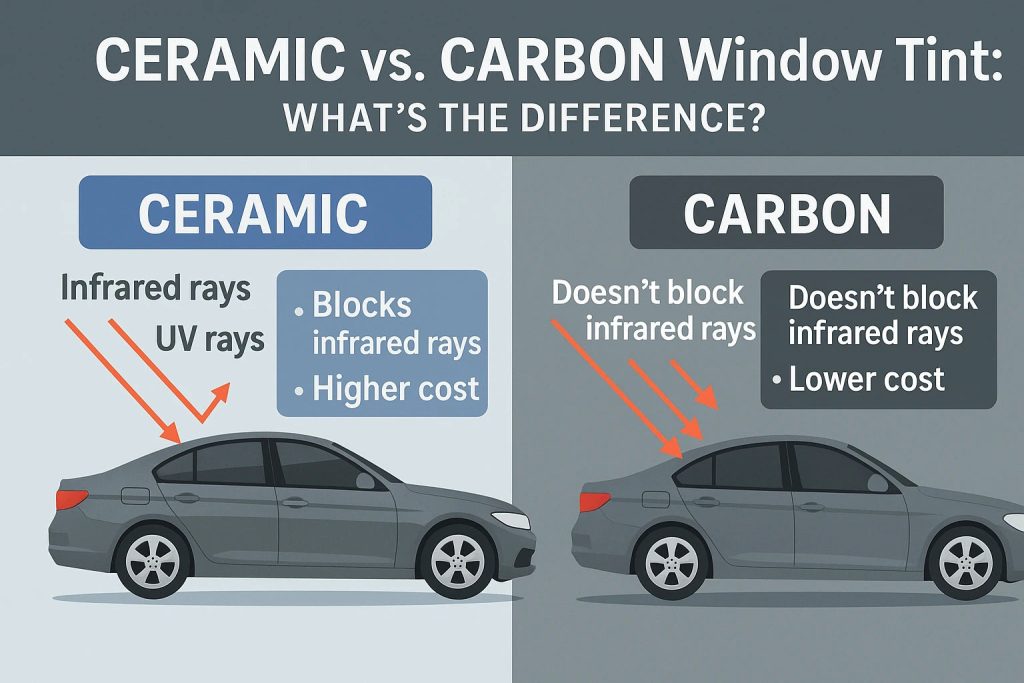
One of the biggest benefits of carbon tint is its ability to reject heat. It blocks a significant amount of infrared rays, which are responsible for most of the heat entering your car. This keeps your interior cooler, even on hot days.
Unlike traditional dyes, carbon tint doesn’t fade over time, so the heat rejection stays consistent. Imagine driving on a summer afternoon without the usual blast of heat—carbon tint makes that possible without needing to crank your AC.
Durability And Longevity
Carbon tint is known for its strong durability. It resists bubbling and peeling better than many other types of tint films. This means it can last several years without losing its performance or appearance.
Because it doesn’t rely on metal, carbon tint won’t rust or corrode. If you want a tint that holds up through sun exposure and washing, carbon tint is a practical choice that keeps your car looking sharp for a long time.
Comparing Carbon Tint To Other Films
Choosing the right tint for your car can make a huge difference in comfort, style, and protection. Carbon auto tint stands out among popular options because of its unique qualities. Let’s break down how it compares with other common films, so you can decide what fits your needs best.
Dyed Vs. Carbon Tint
Dyed tint is often the most affordable option. It uses a layer of dye to block sunlight, but this dye can fade over time and reduce clarity. Carbon tint, on the other hand, contains carbon particles that do not fade, keeping your windows looking darker and sharper for years.
Have you noticed how dyed films sometimes turn purple or bubble up? Carbon tints avoid those problems, maintaining a smooth, matte finish. Plus, carbon tint offers better heat rejection without interfering with electronic signals, unlike some metallic films.
Ceramic Tint Advantages
Ceramic tint is well-known for its superior heat and UV protection. It blocks infrared rays more effectively than carbon tint, which means your car stays cooler on hot days. It also reduces glare and doesn’t interfere with GPS or mobile signals.
However, ceramic tint usually costs more than carbon. If you spend a lot of time in intense sunlight or need maximum heat rejection, ceramic may be worth the investment. But if you’re looking for a balance of performance and price, carbon tint is a strong contender.
Cost And Performance
| Tint Type | Average Cost | Heat Rejection | Durability | Signal Interference |
|---|---|---|---|---|
| Dyed | Low | Low | Medium (fades over time) | None |
| Carbon | Medium | Medium-High | High (fade-resistant) | None |
| Ceramic | High | Highest | High | None |
Choosing the right tint boils down to your budget and what you value most. Are you willing to pay extra for top-tier heat protection, or do you want a long-lasting tint without breaking the bank? Carbon tint offers a middle ground that many drivers find appealing.

Credit: www.ebay.ca
Installation Process
Installing carbon auto tint requires care and precision. The process affects both the look and performance of your vehicle. Proper installation ensures the tint lasts longer and fits perfectly on your windows. Understanding the steps helps you choose the right approach for your needs.
Professional Vs. Diy
Professional installation offers expert skills and tools. Technicians remove dirt and bubbles for a smooth finish. They guarantee proper fit and durability. DIY installation saves money but carries risks. Mistakes like air bubbles or creases can happen. It needs patience, steady hands, and clean space. Choosing professional or DIY depends on your budget and confidence.
Preparation Steps
- Clean the window surface thoroughly with glass cleaner.
- Remove any stickers or debris from the glass.
- Cut the tint film to match your window size.
- Spray a soapy water solution on the glass to help slide the film.
- Peel off the protective layer from the tint film carefully.
Good preparation prevents mistakes and ensures a smooth application.
Maintenance Tips
- Wait at least a week before rolling down windows.
- Clean tinted windows with a soft cloth and gentle cleaner.
- Avoid abrasive tools or ammonia-based cleaners.
- Check edges regularly for peeling or damage.
- Fix minor issues early to extend tint life.
Proper care keeps your carbon auto tint looking fresh and lasting longer.
Legal Considerations
Choosing carbon auto tint for your vehicle involves understanding key legal factors. Laws about tinting vary widely. These rules protect drivers, passengers, and law enforcement. Knowing the legal limits helps avoid fines and ensures safety.
Tint Darkness Regulations
Tint darkness is measured by Visible Light Transmission (VLT). This number shows how much light passes through the window. Most places require a certain minimum VLT for front and rear windows. Darker tints may be illegal. It is important to check the allowed VLT level before applying tint.
Regional Laws
Each state or region sets its own tint laws. Some allow darker tints on rear windows but restrict front side windows. Others have strict rules for all windows. Laws may also differ for passenger vehicles and commercial trucks. Always review your local regulations before installing any tint.
Safety Implications
Proper tinting can reduce glare and heat inside the car. But too dark tint reduces visibility, especially at night. This can increase accident risk and delay emergency response. Lawmakers balance tint benefits with safety needs. Following legal tint limits keeps everyone safer on the road.
Choosing The Right Carbon Tint
Choosing the right carbon tint for your vehicle involves more than just picking a dark shade. The right tint enhances your car’s look, protects you from UV rays, and keeps the interior cooler. It’s important to consider several factors before making your choice to ensure the tint meets your needs and complies with local laws.
Shade Selection
Shade selection plays a crucial role in both style and functionality. You might prefer a darker tint for privacy, but remember that extremely dark shades can reduce visibility, especially at night. Think about how much light you want to block and check the legal tint limits in your area.
Consider your daily driving conditions. If you spend a lot of time in the city, a medium shade that balances glare reduction and visibility might work best. On the other hand, if you live in a sunny area, a darker tint could help keep your car cooler and protect your skin from harmful UV rays.
Brand Options
Not all carbon tints are created equal. Some brands offer superior durability, better heat rejection, and a more natural look without the reflective shine of metallic tints. Look for brands with positive reviews and proven technology.
Brands like 3M, Llumar, and Huper Optik are popular for their quality and innovation. They often provide a range of options to fit different budgets and preferences. Don’t hesitate to ask your installer about the differences between brands and which might suit your car best.
Warranty And Support
A solid warranty can save you from future headaches. The right carbon tint should come with a warranty that covers bubbling, peeling, and fading. This guarantees you’re investing in a product built to last.
Check how long the warranty lasts and what it covers. Also, consider the support provided by the brand or installer after installation. Will they fix issues quickly? Do they offer maintenance tips to prolong your tint’s life?
Think about your experience with other car upgrades. Have you ever chosen a product with no warranty and regretted it? Choosing a carbon tint with reliable support can make a big difference in your satisfaction down the road.

Credit: colorcardfilm.en.made-in-china.com
Frequently Asked Questions
What Is Carbon Auto Tint Used For?
Carbon auto tint reduces heat and glare inside vehicles. It blocks UV rays without affecting radio signals. It also enhances privacy and improves car aesthetics.
How Does Carbon Tint Differ From Other Tints?
Carbon tint uses carbon particles, not metal. It does not interfere with electronic devices or GPS. It offers better heat rejection and longer durability.
Is Carbon Auto Tint Legal For All Vehicles?
Carbon tint legality varies by location. Most places allow it within specific darkness limits. Always check local laws before installation to ensure compliance.
How Long Does Carbon Auto Tint Last?
Carbon auto tint typically lasts 5 to 7 years. It resists fading and bubbling better than dyed films. Proper installation and care extend its lifespan.
Conclusion
Carbon auto tint offers strong heat and glare protection. It keeps your car cooler on sunny days. The tint also blocks harmful UV rays effectively. It does not fade or turn purple over time. Installation is simple and improves your car’s look.
Many drivers trust carbon tint for its durability. Choosing this tint means better comfort and style. Consider carbon auto tint for your next upgrade. It’s a smart choice for daily driving needs.