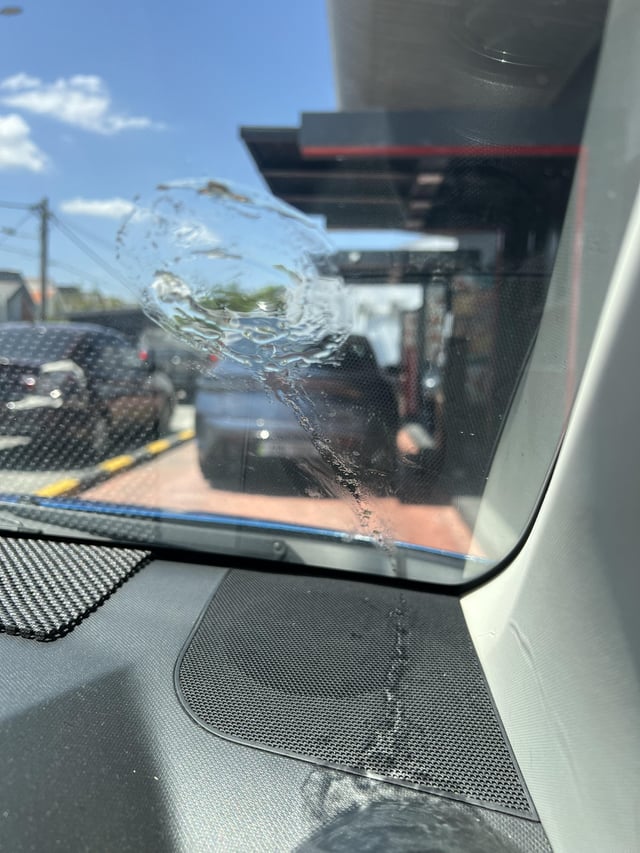
Have you ever found stubborn glue stuck on your car glass, ruining your view and driving you crazy? Removing it might seem tricky, but you don’t have to struggle or risk damaging your glass.
You’ll discover simple, effective ways to get rid of that sticky mess quickly and safely. Keep reading—your car’s crystal-clear glass is just a few easy steps away.
Types Of Glue On Car Glass
Understanding the types of glue on car glass is crucial before attempting to remove it. Different adhesives behave differently on glass surfaces, and knowing what you’re dealing with can save you time and prevent damage. Let’s look at the most common glues used and how they affect your car’s glass.
Common Adhesives Used
Car glass often has various adhesives applied during manufacturing or repairs. Here are some typical types:
- Silicone Sealant:Used for waterproofing and flexibility. It’s sticky but usually easier to remove.
- Polyurethane Adhesive:Common in windshield installation for strong bonding. It’s tough and can leave stubborn residue.
- Epoxy Glue:Known for a very strong hold, often used in repairs. It hardens quickly and can be tricky to remove.
- Double-Sided Tape:Used for attaching trims or decals. It’s adhesive but leaves behind a sticky film.
Have you ever tried scraping off a sticker only to find a sticky mess left behind? That’s usually the tape or glue residue sticking stubbornly to the glass.
How Glue Affects Glass Surface
Glue can impact your car glass in several ways. Some adhesives may leave a cloudy or sticky film that affects visibility. Others might cause tiny scratches if you scrape them off carelessly.
Sometimes, glue interacts with the glass surface chemically, making removal harder without damaging the glass. Using harsh chemicals can worsen this by etching or dulling the glass finish. So, it’s essential to choose removal methods that protect your glass while effectively eliminating glue.
Think about your last experience cleaning glue off your car glass—did you notice any haze or scratches afterward? That might be the glue’s effect or the removal method you used.
Tools Needed For Glue Removal
Removing glue from car glass requires the right tools. Using proper items makes the job easier and protects the glass from damage. Some tools are common household items. Others are specialized for tough glue removal. Preparing these tools before starting saves time and effort.
Household Items
- Warm water and soap – softens glue for easier removal
- Rubbing alcohol – breaks down sticky residue effectively
- Plastic scraper or old credit card – lifts glue without scratching glass
- Microfiber cloth – cleans glass without leaving lint
- Vinegar – natural solvent for light glue stains
- Cooking oil or peanut butter – helps loosen stubborn glue spots
Specialized Tools
- Razor blade scraper – removes thick glue layers carefully
- Adhesive remover gel – designed for safe glue dissolving
- Heat gun or hairdryer – softens glue for easier scraping
- Glass cleaner – restores shine after glue removal
- Gloves – protect hands from chemicals and sharp edges
- Masking tape – protects surrounding glass areas during scraping
Safe Glue Removal Techniques
Removing glue from car glass requires gentle techniques that protect the surface while effectively loosening the sticky residue. Harsh chemicals or abrasive tools can scratch or damage the glass, making safe removal methods essential. Let’s look at some practical ways you can clear glue safely using common household items.
Using Warm Soapy Water
Warm soapy water is often the easiest and safest choice for tackling glue on car glass. The heat helps soften the adhesive, while the soap breaks down its stickiness without harming the glass surface.
Simply mix a few drops of dish soap in warm water, soak a cloth, and apply it to the glue spot. Let it sit for several minutes before gently scrubbing in circular motions with a soft cloth.
Have you noticed that sometimes patience is the key? Giving the glue time to loosen can save you from scrubbing too hard and risking scratches.
Applying Rubbing Alcohol
Rubbing alcohol is a powerful solvent that dissolves many types of adhesives safely. It evaporates quickly and usually doesn’t leave streaks, making it ideal for car glass.
Use a cotton ball or soft cloth soaked in rubbing alcohol and dab it onto the glue. After a few minutes, rub gently to lift the glue away. Be careful not to pour alcohol directly onto the glass to avoid excess moisture.
Have you ever tried this and been surprised how much glue dissolves without harsh scraping? It’s a small trick that can save your glass and your patience.
Utilizing Vinegar Solutions
White vinegar is a natural and non-toxic option that softens glue through its mild acidity. It’s safe for glass and often found in your kitchen pantry.
Mix equal parts white vinegar and warm water, then soak a cloth in the solution. Place the cloth over the glue for 5 to 10 minutes to allow the vinegar to work. Afterward, gently wipe or scrape off the loosened glue with a plastic scraper or your fingernail.
Have you considered vinegar for glue removal before? Its gentle power can be surprisingly effective without risking damage.
Credit: carlikefilm.com
Chemical Solvents For Stubborn Glue
Removing stubborn glue from car glass can be tough without the right chemicals. Chemical solvents break down adhesives, making removal easier. They work by softening the glue so it can be wiped or scraped away. Choosing the correct solvent and applying it safely is crucial for protecting your glass and car finish.
Choosing The Right Solvent
Not all solvents work well on car glass. Some may damage the glass or surrounding paint. Common effective solvents include:
- Isopropyl alcohol – gentle and safe for many surfaces
- Acetone – strong but can harm paint if used carelessly
- Goo Gone or commercial adhesive removers – designed for sticky residues
- Mineral spirits – good for dissolving tougher glues
Pick a solvent that matches the glue type and your car’s material. Test the solvent on a small hidden spot first. This prevents unexpected damage.
Application Tips And Precautions
Apply solvents carefully to avoid stains or scratches. Follow these steps:
- Wear gloves to protect your skin from chemicals.
- Use a soft cloth or cotton ball to apply the solvent gently.
- Let the solvent sit for a few minutes to soften the glue.
- Wipe or gently scrape the glue off with a plastic tool.
- Clean the area with water and mild soap afterward.
Avoid using metal tools or harsh scrubbing. Protect your eyes by wearing safety glasses. Work in a well-ventilated area to reduce inhaling fumes.
Mechanical Methods To Remove Glue
Removing glue from car glass can be tricky, but mechanical methods offer a hands-on way to tackle the problem. These methods rely on physical tools and careful technique rather than chemicals, making them ideal if you want to avoid residue or potential damage from solvents. Let’s look at how you can use simple tools effectively to clear off stubborn glue.
Scraping With Plastic Tools
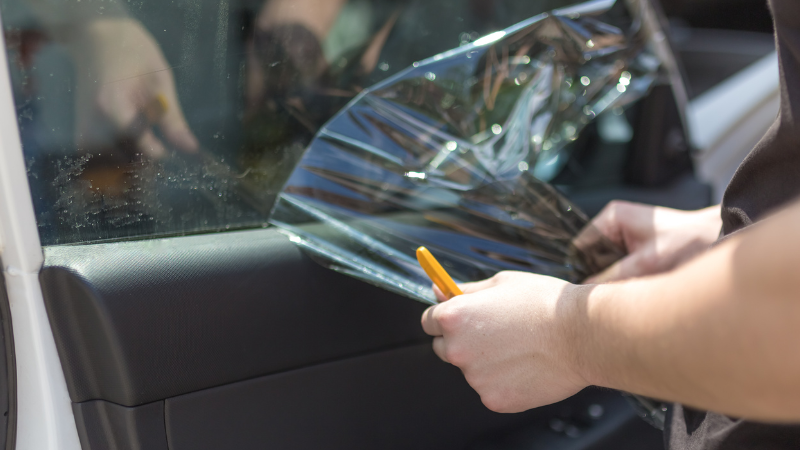
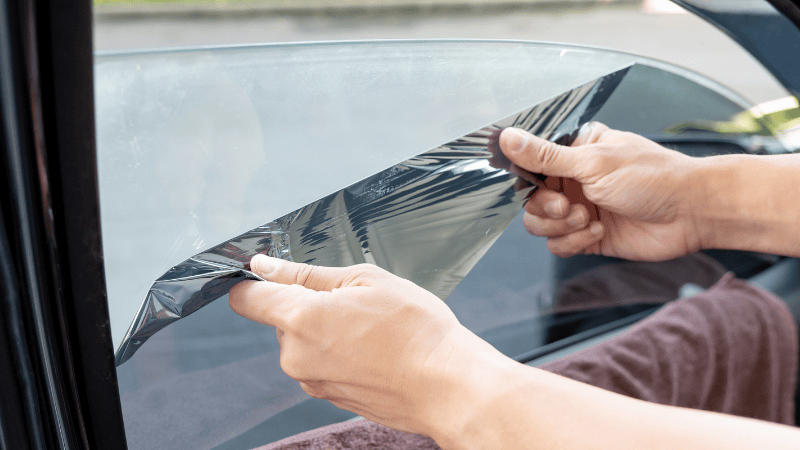
Plastic scrapers are a great choice because they are gentle on glass yet firm enough to lift glue. You can find these tools in most automotive or hardware stores, often marketed for removing decals or stickers.
Start by softening the glue with warm water or a little rubbing alcohol. Then, carefully slide the plastic scraper under the glue edge. The key is to use a steady, even pressure and avoid digging too hard, which might scratch the glass.
Have you noticed how plastic scrapers reduce the risk of accidental scratches compared to metal tools? This makes them perfect for delicate areas around windshield edges or tinted windows. If some glue remains, repeat the process or pair it with a mild adhesive remover for better results.
Using Razor Blades Safely
Razor blades can remove glue very effectively because of their sharp edge, but they require caution. Always hold the blade at a low angle, almost flat against the glass, to avoid gouging or scratching the surface.
It’s best to wet the glue spot before scraping to reduce friction and make the glue easier to lift. Use slow, controlled strokes rather than quick scraping motions. If you feel resistance, pause and try softening the glue more before continuing.
Do you keep a razor blade handy for other car maintenance tasks? Its versatility makes it a useful addition to your toolkit, but never use a dull blade as it increases the risk of slipping and damaging your glass.
Credit: carlikefilm.com
Preventing Damage To Car Glass
Removing glue from car glass requires care to avoid causing damage. Glass is delicate and scratches easily. The edges and seals around the glass can also be harmed during cleaning. Taking proper steps protects your car’s glass and surrounding parts.
Avoiding Scratches
Use soft materials like microfiber cloths to clean the glass. Avoid metal tools or hard scrapers that can scratch the surface. Apply gentle pressure when removing glue. Test any solvent on a small area first. Clean in a circular motion to reduce marks. Rinse thoroughly after glue removal to remove residue.
Protecting Seals And Surroundings
Car glass is surrounded by rubber seals and paint that can be damaged by harsh chemicals. Cover seals with painter’s tape before applying glue removers. Use mild solvents safe for rubber and paint. Avoid soaking the edges to prevent weakening the seals. Wipe spills immediately to stop damage. Check for leaks after cleaning to ensure seals remain intact.
Cleaning And Polishing After Glue Removal
After successfully removing glue from your car glass, the surface often needs extra care to look its best. Cleaning and polishing are key steps to eliminate any leftover residue and restore the glass’s original clarity and shine. These steps not only improve visibility but also help protect your glass from future damage.
Removing Residue
Glue removal can leave behind sticky patches or haze that dirt can cling to easily. Use a gentle glass cleaner or a mixture of vinegar and water to wipe away any remaining bits. A microfiber cloth works best to avoid scratching the glass while thoroughly cleaning the surface.
If residue persists, try rubbing alcohol on a soft cloth to break down stubborn spots. Be careful not to apply too much pressure, as this can cause micro-scratches. Have you noticed how a simple cleaning routine can prevent buildup from becoming a bigger problem?
Restoring Shine
Once the surface is clean, polishing helps bring back the glass’s natural sparkle. Use a glass polish or a small amount of toothpaste as a mild abrasive to buff the area gently. Circular motions with a soft cloth are effective for evenly restoring shine.
After polishing, rinse the glass with clean water and dry it with a lint-free cloth to avoid streaks. Regular polishing not only improves appearance but can also extend the life of your car glass. How often do you give your car glass this kind of attention?

Credit: www.windshieldexperts.com
Tips For Quick And Effective Glue Removal
Removing glue from your car glass can be tricky, but a few smart approaches can make the process faster and more effective. Knowing when to act and how to combine different techniques will save you time and protect your glass from damage. Let’s dive into some practical tips that will help you clear off stubborn glue without stress.
Timing And Patience
Glue removal works best when you don’t rush. Fresh glue is easier to remove than glue that has fully dried and hardened. Have you noticed how some adhesives peel away more smoothly right after application? That’s your window of opportunity.
Sometimes, letting a solvent sit for a few minutes softens the glue enough for easy scraping. Don’t try to force it off immediately; patience here prevents scratching your glass. If the glue resists, wait a bit longer and try again gently.
Combining Methods For Best Results
No single method is perfect for every type of glue or situation. Combining heat, solvents, and gentle scraping often yields the best outcome. For example, you could warm the glue slightly with a hairdryer before applying a glue remover or rubbing alcohol.
After softening the glue, use a plastic scraper or a credit card to lift it off without damaging the glass. Following up with a glass cleaner ensures no residue is left behind. Have you tried mixing methods before? You might find that layering techniques works better than sticking to one.
Frequently Asked Questions
How Do I Safely Remove Glue From Car Glass?
Use warm soapy water and a plastic scraper first. For stubborn glue, apply rubbing alcohol or adhesive remover carefully. Avoid harsh chemicals that may damage the glass or tint.
What Household Items Remove Glue From Car Windows?
Rubbing alcohol, vinegar, and baking soda effectively break down glue. Apply with a soft cloth and gently rub until the glue softens and peels off.
Can Heat Help Remove Glue From Car Glass?
Yes, using a hairdryer softens glue, making it easier to scrape off. Heat loosens adhesive bonds without harming the glass surface.
Is It Safe To Use Razor Blades On Car Glass Glue?
Yes, but only with caution and a razor blade designed for glass. Hold it at a low angle and scrape gently to avoid scratches.
Conclusion
Removing glue from car glass is simple with the right steps. Start with safe tools like plastic scrapers. Use vinegar or warm soapy water to soften glue. Gently scrape away the residue. Always wipe with a clean cloth to finish.
This keeps your car glass clear and smooth. Regular maintenance prevents future glue build-up. Follow these steps to enjoy spotless car windows. Safe driving with clear vision is key. Keep your car glass clean and glue-free. It’s easy and effective.