Is your Audi Q7 showing signs of too much oil? High oil levels can cause serious damage to your engine if left unchecked.
You might be wondering how to safely reduce the oil level without causing harm. This guide will walk you through simple, clear steps you can follow right now. By the end, you’ll feel confident managing your car’s oil level and keeping your Audi running smoothly.
Let’s dive in and take control of your vehicle’s health together.
Signs Of High Oil Level
Noticing the signs of a high oil level in your Audi Q7 early can save you from costly repairs. Overfilled oil isn’t just a minor issue—it affects your engine’s performance and longevity. Recognizing the symptoms helps you act before the problem worsens.
Common Symptoms
- Foamy or frothy oil on the dipstick:Excess oil can mix with air, creating bubbles that reduce lubrication efficiency.
- Engine running rough:You might feel unusual vibrations or hear knocking sounds because the crankshaft hits the excess oil.
- Smoke from the exhaust:Too much oil can lead to burning off in the combustion chamber, causing blue or gray smoke.
- Oil leaks or puddles under the vehicle:High pressure from too much oil can force seals to leak.
- Check engine light:Sensors may detect abnormal engine conditions related to oil level.
Think about the last time your Q7 felt off or showed warning signs. Did you check the oil level? Many drivers overlook this quick check and end up facing bigger engine problems.
Potential Risks
Ignoring a high oil level can damage your engine in several ways. Excess oil can cause increased pressure inside the engine, leading to seal damage and leaks.
It also causes poor lubrication because the oil turns aerated, which means your moving parts don’t get the smooth protection they need. This can accelerate engine wear and reduce fuel efficiency.
Another risk is that the oil can contaminate spark plugs, leading to misfires and rough idling. Have you ever experienced engine hesitation? High oil levels might be the hidden culprit.
Tools And Materials Needed
Before you start reducing the oil level in your Audi Q7, gathering the right tools and materials is crucial. Having everything ready not only speeds up the process but also keeps it safe and efficient. Without the proper equipment, you might struggle or even cause damage to your vehicle.
Essential Equipment
To adjust the oil level, you’ll need a few key items. A reliable oil extractor pump or a fluid transfer pump can make the job much easier, letting you remove excess oil without the mess. Additionally, a clean container to catch the drained oil is necessary to avoid spills and facilitate proper disposal.
Don’t forget a funnel for refilling oil if needed, and some clean rags to wipe any drips. Having a dipstick handy is important too, so you can check the oil level accurately throughout the process. If you prefer, a socket wrench set may be useful for opening the oil drain plug, depending on your chosen method.
Safety Gear
Protecting yourself is just as important as protecting your car. Wear gloves to keep your hands clean and safe from hot oil or sharp parts. Safety glasses can shield your eyes from unexpected splashes or debris.
Consider using old clothes or a mechanic’s jumpsuit to prevent stains. Also, ensure you’re working in a well-ventilated area to avoid inhaling harmful fumes. Have paper towels or absorbent mats nearby to quickly clean up spills and maintain a safe workspace.
Preparing Your Audi Q7
Preparing your Audi Q7 before adjusting the oil level is important. It helps get accurate readings and prevents mistakes. Proper preparation also keeps you safe during the process. Follow these simple steps to ready your vehicle for oil level checks and adjustments.
Park On A Level Surface
Choose a flat area to park your Audi Q7. A level surface ensures the oil spreads evenly in the engine. This gives a true reading of the oil level. Avoid parking on slopes or uneven ground. Use the parking brake to keep the car steady.
Warm Up The Engine
Start the engine and let it run for a few minutes. Warm oil flows better and shows the correct level on the dipstick. Turn off the engine and wait for about five minutes. This allows the oil to settle back into the oil pan. Now, you can check or adjust the oil level accurately.
Credit: www.a5oc.com
Checking The Oil Level
Checking the oil level in your Audi Q7 is a crucial step to maintaining its engine health and performance. Regular checks help you spot if the oil is too high or too low, both of which can cause serious damage. Knowing how to accurately check the oil level empowers you to take timely action and avoid costly repairs.
Locating The Dipstick
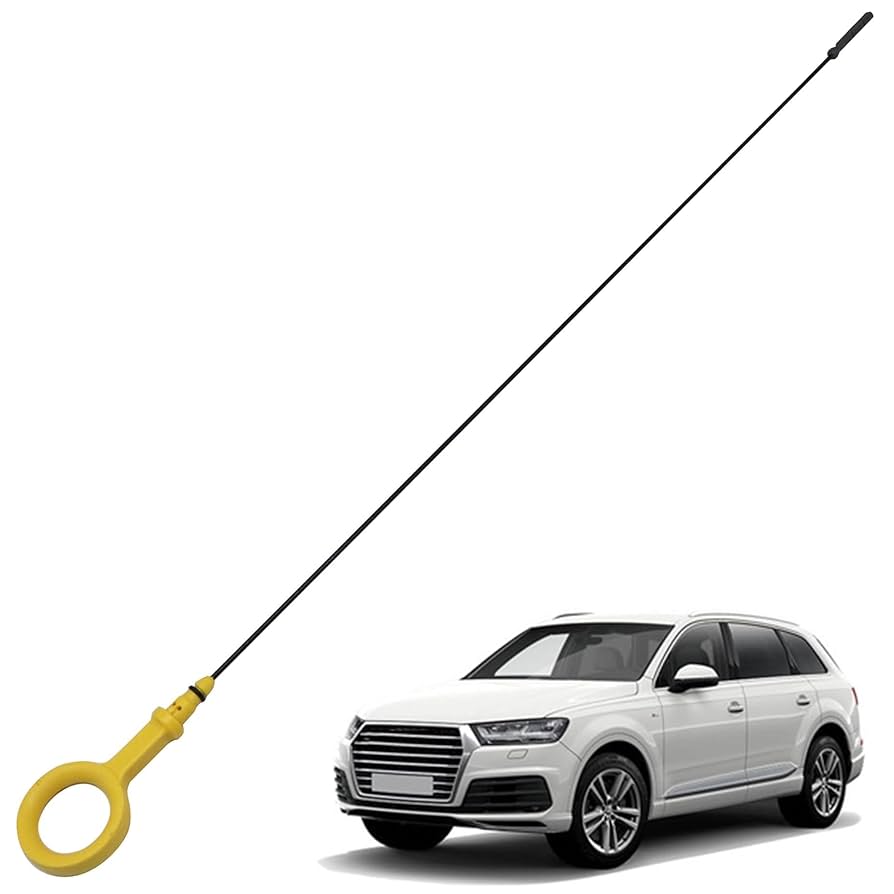
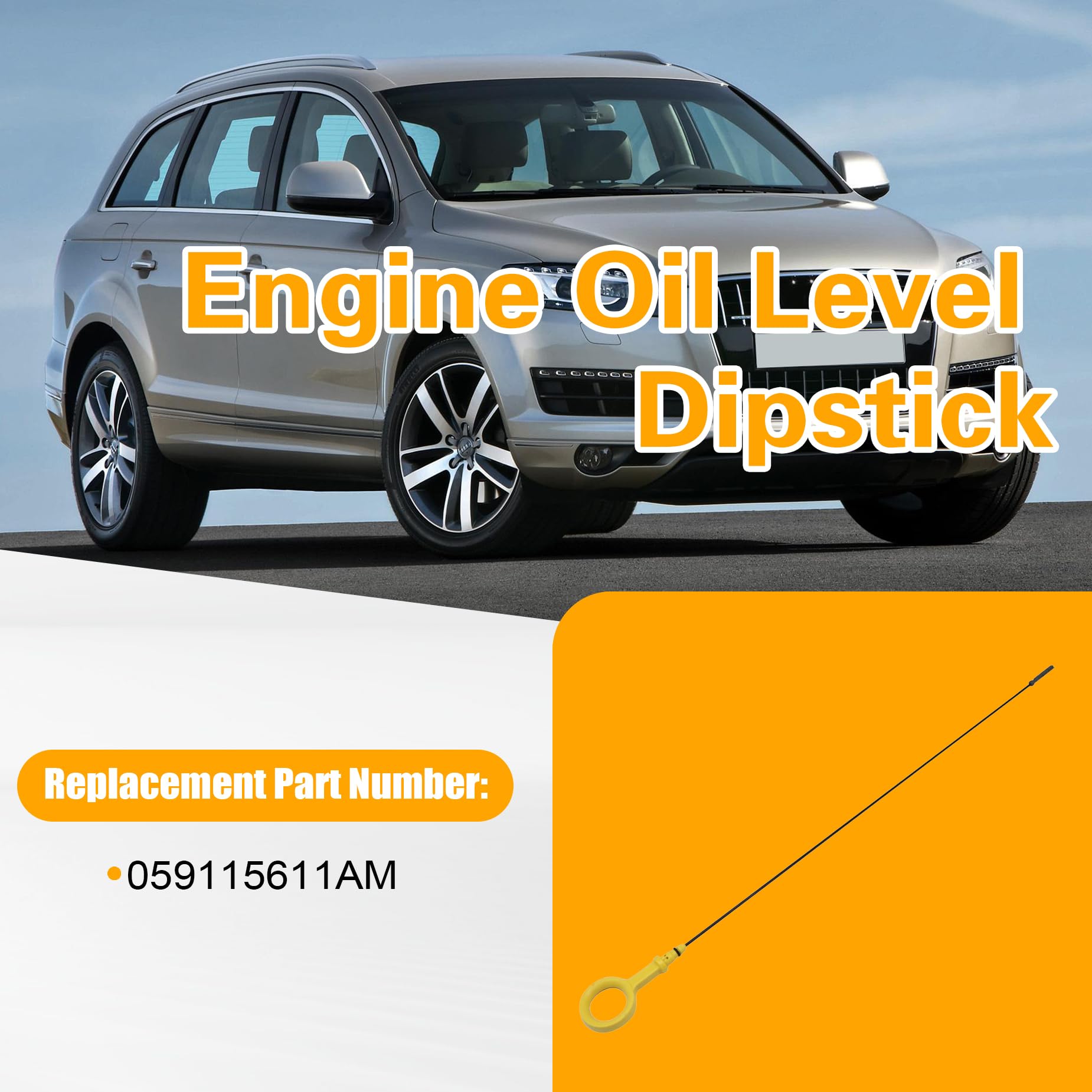
The dipstick is your primary tool for measuring the oil level. In most Audi Q7 models, it’s a bright-colored handle, often yellow or orange, located near the engine. You might need to open the hood and look around the engine bay carefully; sometimes the dipstick is tucked away but still easy to spot once you know what to look for.
Make sure the engine is cool or has been off for a few minutes to get an accurate reading. Pull the dipstick out slowly and wipe it clean with a cloth or paper towel before reinserting it fully. This simple step prevents old oil residue from giving you a false reading.
Interpreting Oil Marks
Once you pull out the dipstick again, examine the oil marks on its tip carefully. You will see two marks or a crosshatched area indicating the minimum and maximum oil levels. The oil should sit between these two marks, neither too low nor exceeding the maximum.
If the oil is above the maximum mark, your engine could be overfilled, which might cause leaks or increased pressure. If it’s below the minimum, you should add oil immediately to prevent engine wear. Keep a close eye on the oil color too—dark or gritty oil means it’s time for a change, not just a top-up.
Methods To Reduce Oil Level
Excess oil in your Audi Q7 can lead to engine problems and reduced performance. Knowing how to reduce the oil level safely is important to keep your vehicle running smoothly. Here are practical ways you can manage and adjust the oil level effectively.
Using The Drain Plug
The drain plug is designed to let oil out during an oil change, but it can also help reduce excess oil. First, make sure the engine is cool to avoid burns. Then, place a container under the drain plug, unscrew it carefully, and allow some oil to drain out slowly.
Be cautious not to remove too much oil at once. Check the oil level frequently with the dipstick to find the right amount. This method is straightforward but requires patience and a clean workspace to avoid spills.
Siphoning Excess Oil
If you’re not comfortable working under your Audi Q7, siphoning oil through the dipstick tube can be a cleaner option. Use a manual siphon pump designed for automotive fluids. Insert the tube carefully and pump out small amounts of oil at a time.
This technique reduces mess and is easier to control. However, make sure the siphon tube is food-grade and free of contaminants to avoid damaging your engine. Have you tried using a siphon before? It can save time and keep your hands clean.
Consulting A Professional
Sometimes, the best choice is to let a professional handle oil level adjustments. Mechanics have the right tools and experience to remove excess oil safely without risking engine damage. If you’re unsure about doing it yourself, visiting a service center can prevent costly mistakes.
Professionals can also inspect for underlying issues causing the oil overfill. Have you ever faced oil-related problems that a mechanic helped fix? It’s worth considering expert advice when precision matters most.
Preventing Overfill In The Future
Keeping the oil level just right in your Audi Q7 is crucial. Overfilling can lead to engine problems and reduce performance. Preventing overfill means developing good habits and using the right techniques every time you check or add oil.
Proper Oil Change Techniques
Always use the recommended oil type and quantity for your Q7. Check the owner’s manual or ask your dealer to avoid guessing. Pour oil slowly and in small amounts to prevent adding too much at once.
After adding oil, wait a few minutes before checking the level. This allows the oil to settle and gives you a more accurate reading. Have you ever rushed the process and ended up with too much oil? Taking your time here saves headaches later.
Regular Oil Level Checks
Make it a habit to check your oil level regularly, not just during oil changes. Use the dipstick to check when the engine is cool and parked on a level surface. This helps you catch any overfill issues early.
Keep a simple log of your checks. It helps spot trends or leaks before they become serious problems. How often do you check your oil? Turning it into a routine can protect your engine and keep your Q7 running smoothly.
When To Seek Expert Help
Knowing when to seek expert help is vital for maintaining your Audi Q7’s engine health. Some oil level issues can be simple to fix, but others may signal deeper problems. Timely professional assistance prevents costly repairs and ensures your vehicle runs smoothly.
Signs Of Serious Issues
- Oil level drops rapidly after topping up
- Visible oil leaks under your car
- Engine warning lights on the dashboard
- Unusual engine noises or smoke from the exhaust
- Overheating engine or poor performance
These signs often point to problems beyond just adding oil. Ignoring them can cause severe engine damage.
Authorized Service Centers
Authorized Audi service centers have trained technicians and genuine parts. They use specialized tools to diagnose and fix oil level problems correctly.
Choosing a certified center protects your vehicle’s warranty and ensures quality service. They can also provide proper maintenance advice to avoid future issues.
Credit: www.amazon.com

Credit: www.youtube.com
Frequently Asked Questions
How Can I Check Oil Level In Audi Q7?
To check the oil level in your Audi Q7, ensure the engine is cold. Open the hood, locate the dipstick, and wipe it clean. Insert it back fully, then remove it again to check the oil level. Ensure the oil level is between the minimum and maximum marks.
What Causes High Oil Level In Audi Q7?
High oil levels in an Audi Q7 can be caused by overfilling, fuel contamination, or coolant leaks. Overfilling occurs when too much oil is added. Fuel contamination results from incomplete combustion. Coolant leaks could indicate a head gasket issue. Addressing these causes promptly can prevent engine damage.
How To Safely Reduce Oil Level In Audi Q7?
To safely reduce the oil level, use an oil extractor pump. Remove excess oil carefully to avoid spills. Alternatively, visit a mechanic for a professional service. Regularly check oil levels to prevent overfilling. Ensure the engine is off and cold before starting any oil-related tasks.
Can Overfilling Oil Damage Audi Q7 Engine?
Yes, overfilling oil in your Audi Q7 can damage the engine. Excessive oil creates pressure, leading to leaks and gasket failures. It can also foam, reducing lubrication efficiency. Regularly monitor oil levels to prevent overfilling and protect engine components from damage.
Conclusion
Keeping the oil level right in your Audi Q7 helps the engine run smooth. Check the oil often to avoid problems. Use the right tools and follow simple steps to lower oil safely. Clean oil keeps your car healthy and saves money.
Taking care of your car is easier than you think. Small efforts make a big difference in the long run. Stay attentive and your Audi Q7 will serve you well.