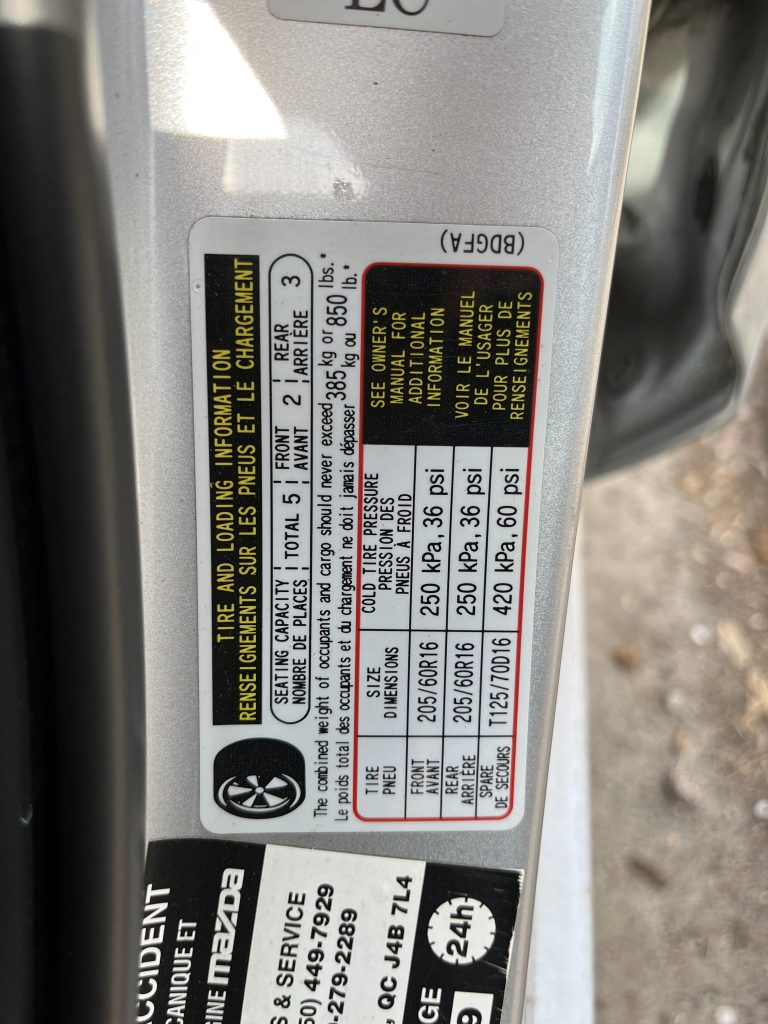
Are you sure your Mazda 3’s tires have the right pressure? It might seem like a small detail, but the correct tire pressure can make a huge difference in your car’s performance, safety, and fuel efficiency.
Too low or too high, and you could be putting yourself at risk or wasting money on gas. You’ll discover exactly what tire pressure your Mazda 3 needs, how to check it properly, and why it matters more than you might think.
Keep reading to protect your ride and get the smoothest drive possible.

Credit: www.reddit.com
Mazda 3 Tire Pressure Basics
Understanding the basics of tire pressure for your Mazda 3 is essential for safety, performance, and fuel efficiency. Proper inflation not only protects your tires but also improves your driving experience. Let’s break down what you need to know about maintaining the right tire pressure.
Recommended Pressure Range
The ideal tire pressure for a Mazda 3 usually falls between 32 and 35 PSI (pounds per square inch). This range can vary slightly depending on the model year and tire type, so always check the sticker inside the driver’s door or your owner’s manual for the exact numbers.
For example, the 2020 Mazda 3 recommends 33 PSI for both front and rear tires. Keeping your tires within this range ensures even wear and optimal contact with the road.
Importance Of Proper Inflation
Have you ever noticed how your car handles differently when tires are underinflated? Low tire pressure can lead to poor fuel economy, sluggish steering, and increased tire wear. Overinflated tires, on the other hand, reduce traction and create a harsher ride.
Properly inflated tires improve your Mazda 3’s braking and cornering abilities. They also help avoid unexpected blowouts, which can be dangerous and costly. Regularly checking your tire pressure can save you money and keep you safe on the road.
Credit: www.mazda3revolution.com
Factors Affecting Tire Pressure
Maintaining the correct tire pressure for your Mazda 3 is not just about filling tires to a fixed number. Several factors influence how much air your tires should hold at any given time. Understanding these factors helps you adjust pressure for safety, performance, and tire longevity.
Load And Passengers
The weight inside your Mazda 3 directly affects tire pressure needs. More passengers or heavy cargo means the tires must support extra load.
Higher load requires higher tire pressure to prevent excessive tire wear and improve handling. Check your vehicle’s manual or the sticker inside the driver’s door for recommended pressures when fully loaded. Have you ever noticed your car feeling sluggish or unstable with a full trunk? That’s often due to incorrect tire pressure for the load.
Weather And Temperature Changes
Tire pressure fluctuates with temperature. Cold weather causes air to contract, lowering pressure, while heat makes it expand, increasing pressure.
For example, a 10°F drop can reduce tire pressure by about 1 psi. Regularly checking your tires during seasonal changes can save you from unexpected handling issues. Do you check your tire pressure more often in winter or summer? It’s a small habit that can prevent big problems.
Driving Conditions
Where and how you drive your Mazda 3 matters. Rough roads or off-road driving can require different tire pressures than smooth highways.
Lower pressure might improve traction on loose surfaces, but too low can damage tires or affect fuel efficiency on paved roads. High-speed driving demands optimal pressure to maintain tire integrity and control. Have you ever adjusted your tire pressure before a long road trip or a weekend adventure? It can make a noticeable difference in comfort and safety.
How To Check Tire Pressure
Checking tire pressure is key to keeping your Mazda 3 safe and efficient. Proper pressure improves fuel economy and tire life. It also helps maintain good handling and braking.
The process is simple and takes only a few minutes. You only need a few tools and some basic steps to get it right. Regular checks prevent problems and keep your ride smooth.
Tools You Need
- Tire pressure gauge (digital or analog)
- Air compressor or pump (found at gas stations or home)
- Owner’s manual or tire placard (for correct pressure values)
Step-by-step Checking Process
- Park your Mazda 3 on a flat surface and turn off the engine.
- Remove the valve cap from the tire’s valve stem.
- Press the tire pressure gauge firmly onto the valve stem.
- Read the pressure value displayed on the gauge.
- Compare the reading to the recommended pressure in your manual or placard.
- Add air if the pressure is low, or release air if it’s too high.
- Repeat the process for all four tires, including the spare.
- Replace all valve caps securely after checking.
When To Check
- Check tire pressure at least once a month.
- Check before long trips or heavy loads.
- Check when there are big temperature changes.
- Check if your car feels unstable or tires look flat.
Adjusting Tire Pressure
Adjusting tire pressure is key for safe driving and better fuel efficiency. Proper pressure keeps your Mazda 3’s tires in good shape. It improves handling and extends tire life. Checking pressure regularly helps spot leaks or damage early.
Use a reliable pressure gauge for accuracy. Adjust pressure when tires are cold, before driving. This ensures correct readings and safer adjustments.
Inflating Tires Safely
Choose a clean, dry place to inflate tires. Remove the valve cap gently. Attach the air hose firmly to the valve stem. Add air slowly to avoid over-inflation. Stop and check pressure often. Inflate to the recommended psi found in your Mazda 3’s manual or door sticker.
Releasing Excess Air
Press the valve stem center to release air. Do it in short bursts to avoid letting out too much. Use your pressure gauge to check the level after each release. Stop releasing air once you reach the correct pressure. Replace the valve cap tightly to keep air in.
Using Air Compressors
Air compressors make tire inflation easy and fast. Use one with a built-in pressure gauge for better control. Turn the compressor on and connect the hose to the tire valve. Monitor the pressure gauge while inflating. Switch off the compressor as soon as the recommended pressure is reached. Always keep the compressor clean and dry for best use.
Consequences Of Wrong Tire Pressure
Keeping the correct tire pressure in your Mazda 3 is more than just a maintenance task—it’s a key factor that affects how your car performs every day. Driving with the wrong tire pressure can lead to several issues that impact your wallet, your safety, and the lifespan of your tires. Understanding these consequences can help you make better choices and avoid unnecessary problems on the road.
Reduced Fuel Efficiency
When your tires are underinflated, they create more rolling resistance. This means your engine has to work harder, using more fuel to keep your car moving.
Even a slight drop in tire pressure can reduce your miles per gallon noticeably. Have you ever wondered why your fuel costs suddenly spiked? Checking your tire pressure could be the simple fix.
Uneven Tire Wear
Incorrect tire pressure causes your tires to wear unevenly. Overinflated tires wear out the center tread faster, while underinflated tires wear more on the edges.
This uneven wear shortens the life of your tires and can lead to premature replacements. Noticing patches of worn rubber on your tires is a clear sign you should check your tire pressure immediately.
Safety Risks
Safety is the most critical concern when tire pressure is off. Underinflated tires can overheat, increasing the risk of a blowout while driving at high speeds.
Overinflated tires reduce the contact area with the road, leading to less grip and a higher chance of slipping, especially on wet surfaces. Would you want to risk your safety and that of others just to avoid a quick tire pressure check?
Tips For Maintaining Optimal Pressure
Maintaining the right tire pressure for your Mazda 3 improves safety, fuel efficiency, and tire life. Proper care keeps your driving smooth and reduces wear. Small efforts every week help avoid big problems later.
Regular Monitoring Schedule
Check tire pressure at least once a week. Use a reliable tire gauge for accuracy. Measure pressure when tires are cold for correct readings. Keep a log of your measurements to track changes. Promptly adjust pressure to match Mazda 3’s recommended levels.
Seasonal Adjustments
Temperature changes affect tire pressure significantly. Tires lose pressure in cold weather and gain it in heat. Increase pressure slightly in winter to compensate for the drop. Reduce pressure a bit in summer to avoid overinflation. Always refer to the Mazda 3 manual for exact seasonal pressure values.
Professional Inspections
Visit a tire professional at least twice a year. They check for leaks, tread wear, and valve condition. Professionals can spot hidden issues affecting pressure. Consider alignment checks to ensure even tire wear. Timely inspections extend tire life and improve safety.
Where To Find Mazda 3 Tire Specs
Finding the correct tire pressure for your Mazda 3 is essential for safety, fuel efficiency, and tire longevity. But where exactly can you find the right specs? There are a few reliable spots that provide accurate information tailored to your specific model and year.
Owner’s Manual
Your Mazda 3’s owner’s manual is the most detailed source for tire pressure information. It lists recommended pressure levels for both front and rear tires under various load conditions.
Have you ever flipped through your manual during routine maintenance? It’s worth the effort because it also explains why those numbers matter for your car’s handling and tire wear.
Driver’s Side Door Placard
Open the driver’s side door and look for a sticker or placard on the door frame or the edge of the door. This placard shows the exact tire pressure recommended by Mazda for your specific model and tire size.
This quick check can save you a trip to the dealership. If you’ve ever wondered if your tires are over or under-inflated, this label gives you the definitive answer.
Online Resources
If you don’t have access to the manual or door placard, several trusted websites provide Mazda 3 tire specs. Official Mazda websites, tire manufacturers, and automotive forums are good places to start.
Be cautious—make sure the source matches your car’s model year and trim. Have you tried searching online only to get conflicting numbers? Stick to official or well-reviewed sites to avoid guesswork.

Credit: www.carsales.com.au
Frequently Asked Questions
What Is The Ideal Tire Pressure For Mazda 3?
The ideal tire pressure for a Mazda 3 typically ranges between 32 to 36 PSI. Always check the owner’s manual or the sticker inside the driver’s door for the exact specifications. Proper tire pressure ensures better fuel efficiency and a smoother ride.
How Often Should I Check Tire Pressure?
It’s advisable to check your tire pressure at least once a month. Changes in temperature can affect tire pressure. Regular checks can prevent underinflation or overinflation, ensuring safety and optimal performance. Use a reliable tire pressure gauge for accurate readings.
Can Incorrect Tire Pressure Affect Fuel Efficiency?
Yes, incorrect tire pressure can significantly impact fuel efficiency. Underinflated tires create more rolling resistance, causing the engine to work harder. This results in increased fuel consumption. Maintaining the recommended tire pressure ensures better mileage and reduces wear and tear on tires.
Does Tire Pressure Change With Temperature?
Tire pressure can fluctuate with temperature changes. For every 10°F change in temperature, tire pressure can change by about 1 PSI. It’s important to adjust tire pressure accordingly to maintain optimal performance and safety. Regular monitoring helps in adapting to seasonal temperature variations.
Conclusion
Maintaining the correct tire pressure helps your Mazda 3 drive safely and smoothly. Check the pressure regularly with a reliable gauge. The recommended pressure is usually found on the driver’s door frame or in the owner’s manual. Proper inflation improves fuel efficiency and tire life.
Too low or too high pressure can cause problems. Keep your tires in good shape to enjoy a better ride every day. Simple care can save money and prevent accidents. Stay safe on the road by keeping the right tire pressure.