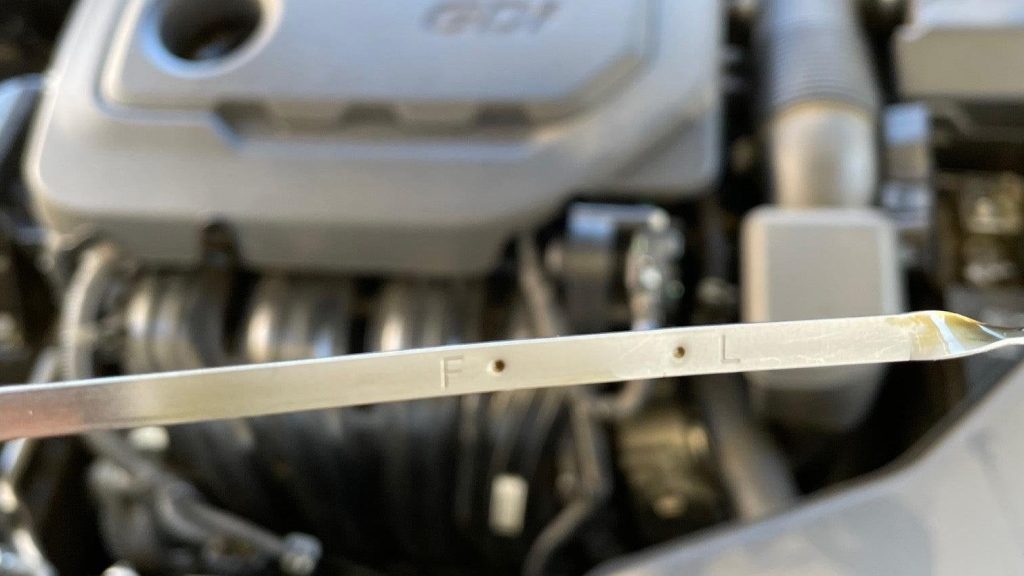
Have you noticed your Hyundai engine using more oil than usual? It can be frustrating and worrying to see those oil levels drop faster than expected.
You might wonder what’s causing this and if it means trouble for your car. Understanding why Hyundai engines burn oil is key to keeping your vehicle running smoothly and avoiding costly repairs. You’ll discover the common reasons behind this issue and what you can do to fix it before it gets worse.
Keep reading to protect your engine and save money in the long run.
Credit: www.youtube.com
Common Causes Of Oil Burning
Experiencing oil burning in your Hyundai engine can be frustrating and confusing. Understanding the common causes behind this issue can help you spot problems early and take action before costly repairs become necessary. Let’s break down the main reasons why your engine might be burning oil and what that means for your car’s health.
Worn Piston Rings
Piston rings seal the gap between the piston and cylinder wall. Over time, these rings can wear out or break, allowing oil to seep into the combustion chamber. This leads to oil burning along with fuel, causing blue smoke from the exhaust and increased oil consumption.
Have you noticed your oil level dropping faster than usual? Worn piston rings could be the culprit, especially if your Hyundai has high mileage.
Valve Seal Damage
Valve seals prevent oil from leaking into the engine’s cylinders. If these seals become brittle or cracked, oil can slip past them and burn during combustion. This often results in a smoky exhaust, especially after the car sits idle for a while.
Pay attention if your car emits smoke mostly during startup—damaged valve seals might be to blame.
Pcv Valve Issues
The Positive Crankcase Ventilation (PCV) valve helps release pressure and gases from the engine. A clogged or faulty PCV valve can cause oil to be pushed into the intake manifold, where it burns along with the fuel. This is a common yet often overlooked cause of oil burning.
Checking and replacing the PCV valve is usually affordable and can fix oil burning problems quickly.
Cylinder Wall Wear
Over time, cylinder walls can get scratched or worn down. This wear reduces the engine’s ability to keep oil out of the combustion chamber. It’s a serious issue because it affects engine compression and overall performance.
If your engine feels weaker or less responsive, worn cylinder walls might be affecting both power and oil consumption.
Turbocharger Problems
If your Hyundai has a turbocharger, oil burning might be linked to turbo issues. A failing turbo can leak oil into the exhaust system, causing blue smoke and increased oil use. Turbo problems often come with a drop in engine performance and unusual noises.
Do you hear whining sounds or notice a loss in power? Your turbocharger could be leaking oil into the engine’s combustion process.
Signs Of Oil Burning In Hyundai Engines
Recognizing signs of oil burning in Hyundai engines helps catch problems early. Oil burning affects engine health and car performance. Spotting these signs can prevent costly repairs.
Blue Smoke From Exhaust
Blue smoke from the exhaust means oil is burning inside the engine. This happens when oil seeps into the combustion chamber. The smoke is usually visible during startup or acceleration. It signals worn piston rings or valve seals.
Low Oil Levels
Frequent oil top-ups signal oil burning issues. The engine loses oil faster than normal. Check oil levels regularly to avoid engine damage. Low oil affects lubrication and causes overheating.
Engine Performance Drops
Burning oil can reduce engine power and smoothness. The engine may run rough or hesitate during acceleration. Poor fuel efficiency often occurs as well. These symptoms indicate internal engine wear.
Burning Smell
A strong burning oil smell inside or outside the car points to oil leaks or burning. This odor is often sharp and unpleasant. It might come from oil dripping on hot engine parts. Address this quickly to avoid fire risks.
Engine Models Most Affected
Not all Hyundai engines share the same fate when it comes to burning oil. Some models are more prone to this issue due to their design and materials used. Understanding which engines are most affected can help you spot potential problems early and take action before damage worsens.
Theta Ii Engines
The Theta II engine series, especially the 2.4L variants, is frequently reported for burning oil. Many owners notice oil consumption rising after just a few tens of thousands of miles. The issue often stems from piston ring wear and valve seal deterioration, which allow oil to seep into the combustion chamber.
If you drive a Hyundai with a Theta II engine, watch your oil levels closely. Missing regular oil checks could lead to costly repairs down the line. Have you ever experienced sudden low oil levels without visible leaks? This engine might be the reason.
Nu Engine Series
The Nu engine series, used in many recent Hyundai models, has had some reports of oil burning, though less frequently than Theta II. The 2.0L and 2.4L engines in this series sometimes show early signs of oil consumption linked to piston ring and cylinder wall issues. Hyundai has addressed some problems with updated components in later production runs.
Owners of Nu engines should still monitor oil usage, especially after 50,000 miles. Regular oil changes with the right viscosity can help slow down wear. Do you keep up with manufacturer-recommended oil changes? It makes a surprising difference here.
Kappa Engine Variants
The smaller Kappa engines, like the 1.0L and 1.2L, are generally less prone to burning oil but are not immune. Some users report oil consumption issues related to turbocharged versions where higher operating temperatures stress engine seals and rings. These problems often appear after extended use and hard driving conditions.
If your Hyundai has a Kappa engine, especially with a turbo, consider more frequent oil inspections. You might catch early signs of oil burning before it affects engine performance. How often do you check your oil level? It’s a simple habit that can save you money.
Credit: www.santafeforums.com
Expert Solutions To Prevent Oil Burning
Preventing oil burning in your Hyundai engine is crucial for maintaining its performance and longevity. Fortunately, there are practical solutions you can apply right away to reduce or eliminate this issue. Paying attention to these expert tips will help you protect your engine and save on costly repairs down the road.
Regular Oil Changes
Changing your engine oil regularly keeps it clean and effective. Dirty or old oil loses its lubricating power, causing the engine to work harder and burn oil. Sticking to the manufacturer’s recommended oil change schedule can prevent this problem.
Have you noticed your oil level dropping quickly? It might be time to check your oil and replace it more often. This simple habit can make a big difference in how your engine runs.
Using High-quality Oil
Not all oils are the same. Using high-quality synthetic oil designed for Hyundai engines can reduce oil consumption. These oils provide better protection under extreme temperatures and prevent oil from breaking down too fast.
Choosing the right oil isn’t just about brand names. Look for oils that meet Hyundai’s specifications and have certifications like API SN or higher. Your engine will thank you with smoother performance.
Pcv Valve Replacement
The Positive Crankcase Ventilation (PCV) valve helps remove gases from the engine. If it gets clogged or fails, pressure builds up and forces oil into the combustion chamber, causing burning.
Replacing a faulty PCV valve is a straightforward fix. It’s a small part that can save you from bigger engine problems. Have you checked your PCV valve during your last tune-up?
Engine Seal Repairs
Worn or damaged engine seals allow oil to leak into places it shouldn’t be. Over time, these leaks can lead to oil burning inside the engine. Repairing seals promptly stops this issue from worsening.
Keep an eye out for signs like oil spots under your car or smoke from the exhaust. These can indicate seal problems that need attention. Don’t wait until the damage gets costly.
Timely Turbocharger Maintenance
If your Hyundai has a turbocharged engine, maintaining the turbo is essential to prevent oil burning. A failing turbocharger can leak oil into the combustion chamber, increasing oil consumption.
Regular inspection and cleaning of the turbocharger keep it running efficiently. Have you included turbo checks in your maintenance routine? This small step can protect your engine and improve fuel economy.
When To Seek Professional Help
Knowing when to seek professional help for your Hyundai engine’s oil burning issue can save you from costly repairs and unexpected breakdowns. Some signs indicate that the problem is more than just routine maintenance. Paying attention to these warning signals can help you act before the damage worsens.
Persistent Smoke Issues
If you notice continuous smoke coming from your exhaust, especially blue or gray in color, it’s a strong indicator that oil is burning inside the engine. Occasional smoke during cold starts can be normal, but persistent smoke means the seals or piston rings might be worn out.
Don’t ignore this sign. A professional mechanic can diagnose whether the problem is minor or if it requires immediate engine repair.
Frequent Oil Refills
Are you topping off your oil more often than usual? Burning oil at a rapid pace is a red flag. It shows that the engine is losing oil faster than it should, which could lead to low oil levels and severe engine damage.
If you find yourself adding oil every few hundred miles, it’s time to get your engine checked. Professionals can identify the root cause and advise on the best course of action to protect your engine.
Unusual Engine Noises
Strange knocking, ticking, or tapping sounds from your engine might be related to oil burning problems. Lack of proper lubrication due to oil loss can cause metal parts to grind or knock against each other.
Such noises should never be ignored. A skilled technician can assess whether your engine’s internal components are at risk and recommend necessary repairs before the situation worsens.

Credit: www.youtube.com
Frequently Asked Questions
Why Do Hyundai Engines Consume Excessive Oil?
Hyundai engines may consume excessive oil due to piston ring wear or valve seal issues. Over time, these components can degrade, leading to increased oil consumption. Regular maintenance and timely repairs can help mitigate these issues and ensure optimal engine performance.
Are Oil Leaks Common In Hyundai Engines?
Oil leaks can occur in Hyundai engines, often due to worn seals or gaskets. Regular inspections can help identify leaks early. Addressing leaks promptly can prevent further engine damage and maintain vehicle reliability.
How Can I Reduce Oil Consumption In My Hyundai?
To reduce oil consumption, ensure regular engine maintenance, including timely oil changes and using recommended oil grades. Address any leaks or mechanical issues promptly. Monitoring oil levels frequently can also help detect and resolve consumption issues early.
What Are The Signs Of Oil Burning In Engines?
Signs of oil burning include blue smoke from the exhaust, increased oil consumption, and oil residue on spark plugs. These symptoms indicate oil entering the combustion chamber. Addressing these signs early can prevent engine damage.
Conclusion
Hyundai engines may burn oil due to worn piston rings or valve seals. This causes oil to enter the combustion chamber and burn. Regular oil checks help catch problems early. Using the right oil type reduces wear. Fixing issues quickly prevents engine damage.
Keep your Hyundai running smoothly by watching oil levels. Small steps can save costly repairs later. Understanding why oil burns helps you care for your car better. Stay alert and maintain your engine well.