If you own an Alfa Romeo Giulia or are thinking about getting one, you probably wonder, “How much will maintenance cost me?” Knowing the answer can save you from unexpected expenses and keep your car running smoothly. You’ll discover the real costs behind servicing your Giulia, what to expect for routine check-ups, and tips to keep those bills manageable.
Keep reading to get the full picture and take control of your car’s maintenance budget.
Alfa Romeo Giulia Maintenance Basics
Keeping your Alfa Romeo Giulia in top shape means understanding the basics of its maintenance. Regular care helps avoid costly repairs and keeps your driving experience smooth and safe. Knowing what to expect with service intervals and common tasks lets you plan better and protect your investment.
Scheduled Service Intervals
Your Giulia follows specific service intervals designed to maintain performance and reliability. Typically, oil changes are recommended every 10,000 miles or once a year, whichever comes first. Brake fluid should be replaced every two years, while spark plugs usually need attention around 30,000 miles.
Checking the air filter and tire condition happens at every oil change. Some components, like the timing belt, might have longer intervals but shouldn’t be overlooked. Are you aware of the last time your Giulia had a full inspection? Staying on top of these intervals can prevent small issues from turning into expensive repairs.
Common Maintenance Tasks
Routine maintenance for the Giulia includes several key tasks that you can expect during visits to your mechanic or even handle yourself with some know-how. Regular oil and filter changes keep the engine running smoothly and extend its life.
- Brake pads and discs:These wear out naturally and need checking every 20,000 to 30,000 miles.
- Tire rotation and alignment:Vital for even tire wear and better fuel efficiency.
- Fluid level checks:Includes coolant, transmission fluid, and windshield washer fluid.
- Battery inspection:Ensures your car starts reliably, especially before winter.
One time, I delayed a brake pad replacement, thinking it was fine. That decision led to more expensive rotor damage. It’s proof that timely maintenance saves money and stress. What maintenance task have you been putting off that your Giulia might actually need right now?
Credit: www.sjalfaromeo.com
Typical Maintenance Costs
Understanding the typical maintenance costs for your Alfa Romeo Giulia helps you plan your budget better and avoid surprises. Maintenance expenses vary depending on the type of service and parts required. Knowing these costs upfront ensures you keep your Giulia running smoothly without breaking the bank.
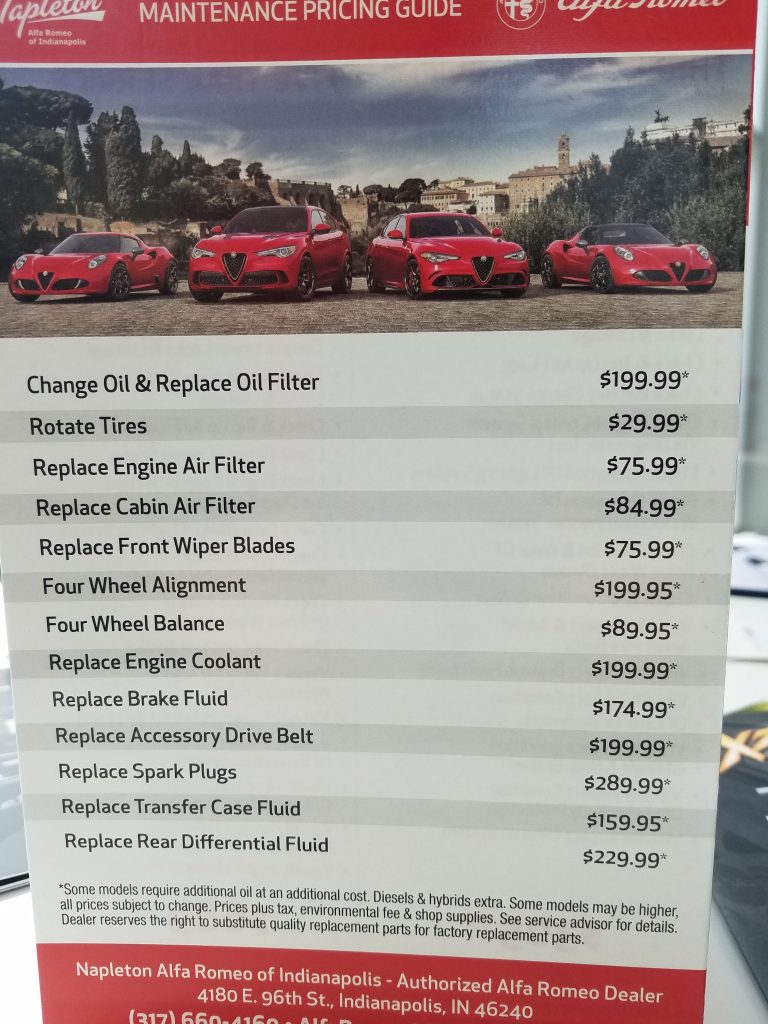
Oil Changes And Fluids
Oil changes on an Alfa Romeo Giulia usually cost between $150 and $250. This price includes premium synthetic oil and a quality oil filter. You’ll also need to refresh other fluids like coolant, brake fluid, and transmission fluid, which can add another $100 to $150annually.
Skipping regular oil changes can lead to engine wear and expensive repairs. Have you checked your oil level recently? Keeping fluids topped up protects your engine and improves performance.
Brake Service Expenses
Brake services tend to be one of the more frequent maintenance costs. Replacing brake pads on your Giulia typically runs between $300 and $500per axle. If rotors need replacement, expect to add another $400 to $600.
Regular brake checks save money in the long run and keep you safe on the road. Have you noticed any squeaking or reduced braking power? Addressing these signs early prevents costly repairs.
Tire Replacement Costs
Tires for the Alfa Romeo Giulia usually cost between $150 and $300 per tire, depending on the brand and type. Performance tires, which many Giulia owners prefer, tend to be pricier but offer better grip and handling.
Rotating and balancing tires every 5,000 to 7,000 miles extends their life. Are your tires showing uneven wear? Proper maintenance here can save hundreds on early replacements.
Battery And Electrical Checks
Battery replacement costs vary but generally range from $150 to $300. Electrical system checks, which include inspecting the alternator, starter, and wiring, typically cost around $100 to $200.
Electrical problems might start as minor glitches but can escalate quickly. Have you experienced dimming lights or slow starts? Regular checks help catch issues before they leave you stranded.
Major Repairs And Their Costs
Major repairs on an Alfa Romeo Giulia can impact your budget significantly. These repairs often involve complex parts and skilled labor. Knowing typical costs helps you plan for unexpected expenses. Below are common major repairs and their price ranges.
Engine Repairs
Engine repairs are among the most expensive maintenance tasks. Problems like timing chain issues, oil leaks, or overheating may require extensive work. Labor and parts cost vary depending on the issue.
- Minor engine repairs: $500 to $1,200
- Timing chain replacement: $1,500 to $3,000
- Complete engine rebuild: $4,000 to $7,000
Regular oil changes and inspections help reduce engine repair needs.
Transmission Service
The transmission system ensures smooth gear changes. Repairs range from fluid changes to full rebuilds. Transmission problems often cause slipping or rough shifts.
- Transmission fluid change: $150 to $250
- Transmission repair: $1,000 to $3,500
- Complete transmission replacement: $3,500 to $6,000
Proper maintenance extends transmission life and lowers repair costs.
Suspension And Steering
Suspension and steering parts wear out over time. Worn shocks, struts, or steering components affect ride quality and safety.
- Shock or strut replacement: $400 to $1,000
- Steering rack repair: $700 to $1,500
- Complete suspension overhaul: $1,500 to $3,000
Check suspension regularly to avoid bigger, costly repairs later.

Credit: carexamer.com
Factors Influencing Maintenance Prices
Maintenance costs for an Alfa Romeo Giulia vary widely. Different factors affect how much you pay for upkeep and repairs. Understanding these can help you plan your budget better.
Some factors relate to where you live, the type of service center you choose, and how old your car is. Each one impacts maintenance prices in its own way.
Geographic Location
Maintenance prices depend heavily on your location. Cities with higher living costs usually have higher labor rates. Rural areas might offer cheaper services but fewer options. Weather also plays a role. Harsh climates can cause more wear and tear, increasing repair needs.
Service Center Choice
Where you get your Giulia serviced changes the bill. Authorized Alfa Romeo dealers charge more for parts and labor. Independent mechanics often offer lower prices but may use aftermarket parts. Some shops specialize in European cars, which can mean better quality but higher costs.
Vehicle Age And Mileage
Older cars need more frequent repairs. High mileage increases chances of worn parts needing replacement. Routine maintenance like oil changes stays steady but major services become costly. Timing belt or brake replacements add to expenses as the car ages.
Tips To Lower Maintenance Expenses
Maintaining your Alfa Romeo Giulia doesn’t have to drain your wallet. With a few smart moves, you can significantly cut down on upkeep costs without compromising on quality or safety. Let’s look at practical ways you can keep maintenance expenses in check and enjoy your Giulia with less stress.
Diy Maintenance Options
Handling simple tasks yourself can save you a lot. Changing the air filter, topping off fluids, or replacing windshield wipers are all doable with minimal tools and a bit of patience.
Have you ever tried swapping out brake pads or spark plugs? With the right guides and a little care, these jobs can be cost-effective and satisfying. Just make sure you understand the process fully to avoid costly mistakes.
Using Genuine Vs Aftermarket Parts
Choosing between genuine Alfa Romeo parts and aftermarket alternatives can impact your budget. Genuine parts often guarantee better fit and reliability, but they come at a premium price.
Aftermarket parts can be cheaper, but quality varies widely. Research brands carefully and read user reviews to find parts that balance cost and performance. Have you considered that some aftermarket parts might even last longer than original ones?
Regular Inspections And Early Repairs
Scheduling routine check-ups can prevent small issues from turning into expensive repairs. Spotting leaks or worn-out components early helps you act before damage escalates.
Think about your last oil change or brake inspection—did the mechanic find something minor that saved you from a bigger bill? Staying ahead with regular inspections keeps your Giulia running smoothly and your wallet happier.

Credit: www.edmunds.com
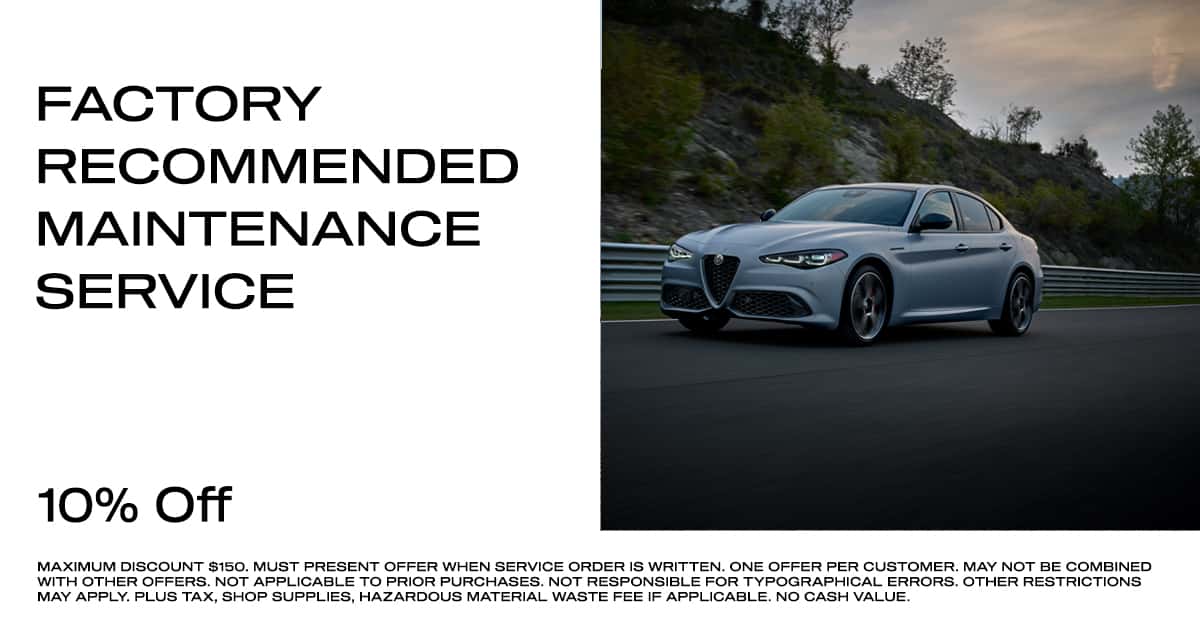
Warranty And Service Packages
Understanding the warranty and service packages that come with your Alfa Romeo Giulia can save you time and money down the road. These packages provide a safety net against unexpected repair costs and help keep your vehicle running smoothly. Knowing what’s covered and what options are available lets you make smart decisions about maintenance.
Factory Warranty Coverage
The Alfa Romeo Giulia typically comes with a factory warranty that covers defects in materials and workmanship for a set period, usually 4 years or 50,000 miles. This means if a component fails due to manufacturing issues, Alfa Romeo will fix it at no cost to you.
Keep in mind, routine maintenance like oil changes and brake pads are not covered. But major repairs, like engine or transmission problems that arise within the warranty period, are taken care of.
Extended Service Plans
If you want extra peace of mind beyond the factory warranty, consider purchasing an extended service plan. These plans allow you to extend coverage for repairs over several additional years or miles.
Extended plans often cover things like electronics, suspension, and air conditioning systems, which can be expensive to fix. Ask your dealer about the specific options and costs, as they can vary widely.
Benefits Of Prepaid Maintenance
Prepaid maintenance packages let you pay upfront for scheduled services such as oil changes, tire rotations, and inspections. This approach can lower your overall maintenance costs and prevent surprise expenses.
Many Alfa Romeo owners find that these packages encourage them to stick to the manufacturer’s recommended service intervals. Have you ever skipped a routine service only to face bigger repairs later? Prepaid plans help avoid that pitfall.
Frequently Asked Questions
How Much Does Alfa Romeo Giulia Maintenance Cost?
The maintenance cost for an Alfa Romeo Giulia typically ranges from $500 to $1,000 annually. This includes regular services such as oil changes, tire rotations, and inspections. Costs may vary based on your location and the specific service provider. Always consult your owner’s manual for recommended maintenance schedules.
Is Alfa Romeo Giulia Expensive To Maintain?
Yes, the Alfa Romeo Giulia can be more expensive to maintain compared to some competitors. Its parts and specialized services contribute to higher costs. However, regular maintenance ensures longevity and performance. Opting for a warranty or service package might help manage expenses effectively.
How Often Does Alfa Romeo Giulia Need Servicing?
Alfa Romeo Giulia typically requires servicing every 10,000 miles or annually, whichever comes first. Regular maintenance includes oil changes, brake inspections, and tire rotations. Always refer to your owner’s manual for specific service intervals. Adhering to the schedule helps maintain optimal performance and avoid costly repairs.
What Are Common Alfa Romeo Giulia Maintenance Issues?
Common maintenance issues with the Alfa Romeo Giulia include electrical problems, brake wear, and oil leaks. Regular check-ups can help identify and address these issues early. Keeping up with scheduled maintenance reduces the likelihood of unexpected repairs and ensures your vehicle remains in top condition.
Conclusion
Owning an Alfa Romeo Giulia means some regular care and costs. Maintenance keeps the car running smooth and safe. Costs vary by service type and location. Simple tasks like oil changes are affordable. Bigger repairs can cost more but happen less often.
Planning and saving helps avoid surprises. Enjoy the style and performance with proper upkeep. Stay aware of maintenance needs to protect your investment. A well-cared-for Giulia stays reliable and fun to drive.