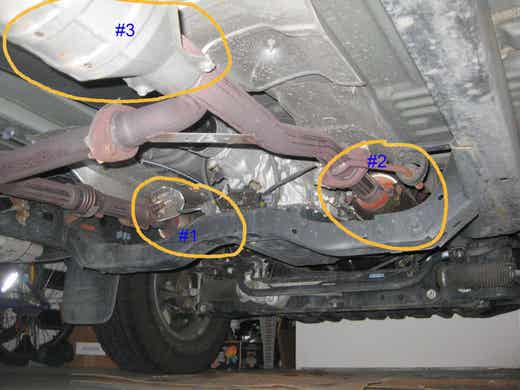
Are you curious about how many catalytic converters your Toyota Tundra has? Knowing this can help you understand your truck better, especially when it comes to maintenance and repairs.
Whether you’re troubleshooting an issue or just want to learn more about your vehicle’s emissions system, this information is essential. Keep reading to find out exactly how many catalytic converters are in your Toyota Tundra and why it matters to you.
Catalytic Converter Basics
Understanding the basics of catalytic converters helps you appreciate their role in your Toyota Tundra. These devices play a crucial part in reducing harmful emissions from your vehicle. Knowing how they work and the types available can guide you in maintaining your truck’s performance and staying eco-friendly.
Role In Vehicle Emissions
The catalytic converter acts like a filter for your truck’s exhaust gases. It converts harmful pollutants such as carbon monoxide, nitrogen oxides, and hydrocarbons into less harmful substances like carbon dioxide and water vapor.
This conversion happens through chemical reactions facilitated by catalysts inside the converter. Without it, your Tundra would release more toxic gases, which could harm both the environment and your health.
Think about the last time you noticed a strong exhaust smell—chances are, a faulty catalytic converter was the cause. Maintaining this component not only keeps emissions low but also ensures your engine runs smoothly.
Types Of Catalytic Converters
Not all catalytic converters are the same. Your Toyota Tundra typically uses a few specific types depending on the engine and emission standards.
- Two-way Catalytic Converters:These convert carbon monoxide and hydrocarbons into carbon dioxide and water. They are simpler and found in older or less strict emission models.
- Three-way Catalytic Converters:Most modern Tundras use this type. They handle carbon monoxide, hydrocarbons, and nitrogen oxides all at once, making them more efficient.
- Diesel Oxidation Catalysts (DOC):Used in diesel engines, these converters help reduce particulate matter and certain gases.
Knowing which type your vehicle uses can help you decide on repairs or upgrades. Have you checked your Tundra’s catalytic converter lately? It might reveal more about your truck’s health than you think.
Toyota Tundra’s Exhaust System
The Toyota Tundra’s exhaust system plays a crucial role in managing emissions and ensuring optimal engine performance. Understanding its layout and flow can help you grasp why the number of catalytic converters matters. This knowledge is especially useful if you’re considering repairs, upgrades, or just curious about how your truck handles exhaust gases.
Engine Layout And Impact
The Toyota Tundra typically features a V8 engine, which means it has two banks of cylinders. Each bank produces exhaust gases that need to be treated separately before merging downstream. This engine setup directly influences how many catalytic converters are installed.
Because the V8 has two exhaust manifolds—one on each side of the engine—each side usually has its own catalytic converter. This setup helps reduce harmful emissions more efficiently by processing exhaust gases closer to the engine.
Exhaust Flow Configuration
The exhaust flow in a Tundra moves from the engine’s cylinders through the exhaust manifolds into catalytic converters. After conversion, gases continue through the rest of the exhaust system, including the muffler and tailpipe.
In many Toyota Tundras, you’ll find two catalytic converters—one for each bank of the engine. Some models might include an additional converter downstream to meet stricter emission standards. This layered approach ensures your Tundra stays clean without sacrificing performance.
Have you ever wondered how your driving habits might affect the lifespan of these converters? Keeping an eye on your exhaust system can save you from costly repairs down the road.
Number Of Catalytic Converters In Toyota Tundra
The number of catalytic converters in a Toyota Tundra varies based on the model and engine type. Catalytic converters help reduce harmful emissions from the vehicle’s exhaust system. Knowing how many catalytic converters your Tundra has can help with maintenance and repairs.
Standard Models
Most standard Toyota Tundra models come with two catalytic converters. These are placed in the exhaust system to control emissions effectively. One is located close to the engine, often called the primary converter. The other is further down the exhaust pipe, known as the secondary converter. Together, they work to reduce pollutants before the exhaust leaves the vehicle.
Variations By Year And Engine Type
The number of catalytic converters can change depending on the year and engine of the Tundra. Older models typically have fewer converters. Newer models, especially those with larger engines or advanced emission systems, may have more than two. Some V8 engines in recent years have up to three catalytic converters to meet stricter emission rules. Always check your specific model’s details to know the exact number.
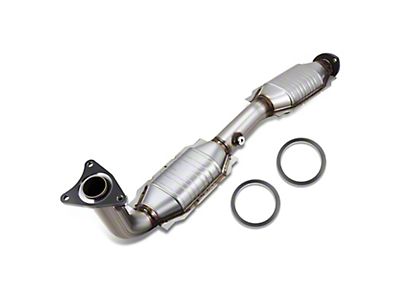
Credit: www.extremeterrain.com
Signs Of Catalytic Converter Issues
Recognizing the signs of catalytic converter issues in your Toyota Tundra can save you time and money. Ignoring these warning signs may lead to reduced performance and costly repairs. Knowing what to watch for helps you take action before the problem worsens.
Common Symptoms
- Reduced Engine Performance:You might notice your Tundra feels sluggish or struggles to accelerate as smoothly as before.
- Check Engine Light:This is one of the most obvious alerts. If it turns on, it could indicate a problem with the catalytic converter.
- Rattling Noise:A damaged converter sometimes produces a rattling sound, especially when starting the engine or accelerating.
- Decreased Fuel Efficiency:If your fuel economy drops without other explanations, the catalytic converter might not be working properly.
- Failed Emissions Test:Higher emissions or a failed test can be a direct sign the converter isn’t filtering exhaust gases effectively.
Diagnostic Methods
To confirm if your catalytic converter is the culprit, start with an OBD-II scanner. It reads trouble codes from your Tundra’s computer and points out specific issues.
Another way is a visual inspection. Look underneath for obvious damage, rust, or dents on the converter’s casing. Sometimes, you can spot physical problems early.
Testing exhaust backpressure helps too. Mechanics use special tools to check if exhaust gases are flowing freely or if there’s a blockage inside the converter.
Have you ever ignored a warning light only to face bigger repairs later? Checking these signs early can prevent that scenario and keep your Tundra running strong.
Replacement And Maintenance Tips
Proper care and timely replacement of your Toyota Tundra’s catalytic converter keep the truck running clean and efficient. Knowing when to replace and how to maintain this vital part extends its life and prevents costly repairs. Understanding costs and simple preventive steps helps protect your vehicle and the environment.
When To Replace
Signs that your catalytic converter needs replacement include:
- Check engine light turns on
- Reduced engine performance or power
- Unusual exhaust smells
- Failed emissions test
- Rattling noise from under the truck
Delaying replacement can cause damage to other engine parts.
Cost Considerations
The price varies based on model year and converter type. Expect to pay between $800 and $2,000 for parts and labor. Genuine Toyota parts tend to last longer but may cost more. Aftermarket options are cheaper but might not last as long. Labor costs depend on your location and shop rates.
Preventive Measures
- Use quality fuel to reduce contaminants
- Fix engine misfires promptly
- Keep the engine well-tuned
- Avoid driving through deep water
- Have regular emissions inspections
These steps help avoid premature failure and keep your Tundra running smoothly.

Credit: www.ebay.ca
Environmental Impact Of Catalytic Converters
Catalytic converters play a key role in reducing harmful emissions from vehicles. Toyota Tundra trucks, like many others, use these devices to clean exhaust gases. They help lower the amount of toxic pollutants released into the air. This reduces environmental damage and improves air quality around us.
These converters transform dangerous gases into less harmful substances. Their impact is significant in the fight against air pollution. Understanding how they work shows why they are essential for modern vehicles.
Pollution Reduction Benefits
Catalytic converters reduce three main pollutants:
- Carbon monoxide (CO)
- Nitrogen oxides (NOx)
- Hydrocarbons (HC)
These gases contribute to smog, acid rain, and health problems. The converter changes them into carbon dioxide, nitrogen, and water vapor. This process lowers toxic emissions by up to 90%. Cleaner air means fewer respiratory illnesses and less environmental harm.
Regulations Affecting Design
Government rules influence catalytic converter design. Emission standards require vehicles to meet strict limits. Manufacturers must use converters that effectively reduce pollutants. These rules vary by country and region.
For Toyota Tundra models, converters must comply with U.S. Environmental Protection Agency (EPA) and California Air Resources Board (CARB) standards. These laws ensure trucks produce fewer emissions. They drive innovation in converter technology to meet tough requirements. This results in cleaner, greener vehicles on the road.

Credit: www.toyotawarsaw.com
Frequently Asked Questions
How Many Catalytic Converters Does A Toyota Tundra Have?
The Toyota Tundra typically has two catalytic converters. One is located in front of the exhaust system, and the other is in the rear. This dual setup helps in reducing emissions effectively, meeting environmental standards, and ensuring optimal engine performance.
Where Are Toyota Tundra Catalytic Converters Located?
Catalytic converters in a Toyota Tundra are located along the exhaust system. One converter is placed closer to the engine, and the second one is further back. This strategic placement helps to efficiently process exhaust gases, reducing harmful emissions.
Why Does A Toyota Tundra Need Two Catalytic Converters?
A Toyota Tundra uses two catalytic converters to better control emissions. The dual setup ensures harmful gases are converted into less harmful substances before being released into the atmosphere. This configuration helps the vehicle meet strict environmental regulations.
Can A Toyota Tundra Run Without Catalytic Converters?
Running a Toyota Tundra without catalytic converters is not advisable. Catalytic converters reduce harmful emissions and ensure the vehicle meets legal requirements. Removing them can lead to increased pollution, reduced engine efficiency, and potential legal issues.
Conclusion
A Toyota Tundra usually has two catalytic converters. These parts help reduce harmful emissions from your truck. They keep the air cleaner and help the engine run well. Knowing how many converters your vehicle has can help with repairs and maintenance.
Keep an eye on their condition for better performance. Proper care means a longer-lasting Tundra and a safer environment. Simple steps make a big difference.