Wondering how much car insurance will really cost you? It’s a question everyone asks before hitting the road.
But the answer isn’t always simple. Your age, driving record, car type, and even where you live all play a role. Getting the right insurance at the right price can save you hundreds—maybe even thousands—of dollars each year. Keep reading, and you’ll discover what factors affect your premium and how you can find the best deal tailored just for you.
Credit: insurify.com
Factors Influencing Car Insurance Prices
Understanding what drives the cost of your car insurance can save you both money and stress. Various factors come into play, affecting how much you pay for coverage. Knowing these can help you make smarter choices when shopping for insurance.
Driver’s Age And Experience
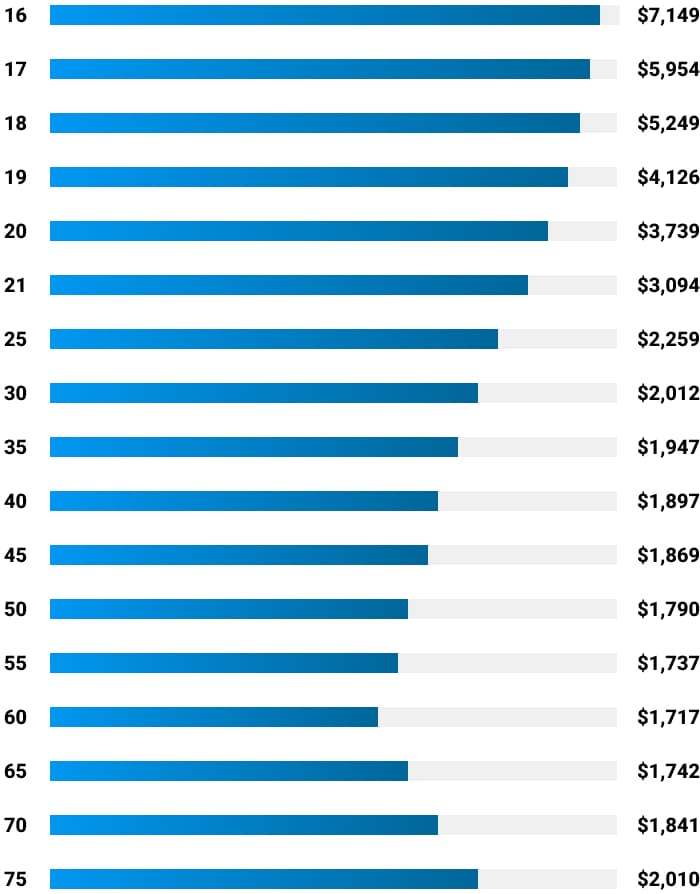
Your age and how long you’ve been driving significantly affect your insurance rates. Younger drivers, especially teens, usually pay more because they are considered higher risk. If you’ve been driving for years without accidents, insurers often reward you with lower premiums.
Vehicle Type And Model
The kind of car you drive matters a lot. Sports cars or luxury vehicles generally cost more to insure due to higher repair costs and theft risk. On the other hand, a reliable sedan with good safety ratings often leads to cheaper insurance.
Location And Driving Conditions
Where you live influences your rates more than you might think. Urban areas with heavy traffic and higher accident rates tend to have higher premiums. Also, weather patterns and road quality in your area can impact your insurance costs.
Credit Score Impact
Many insurers use credit scores as a factor in setting your rates. A better credit score can lead to lower premiums because it suggests financial responsibility. If your score isn’t great, you might face higher costs even if you have a clean driving record.
Coverage Levels And Deductibles
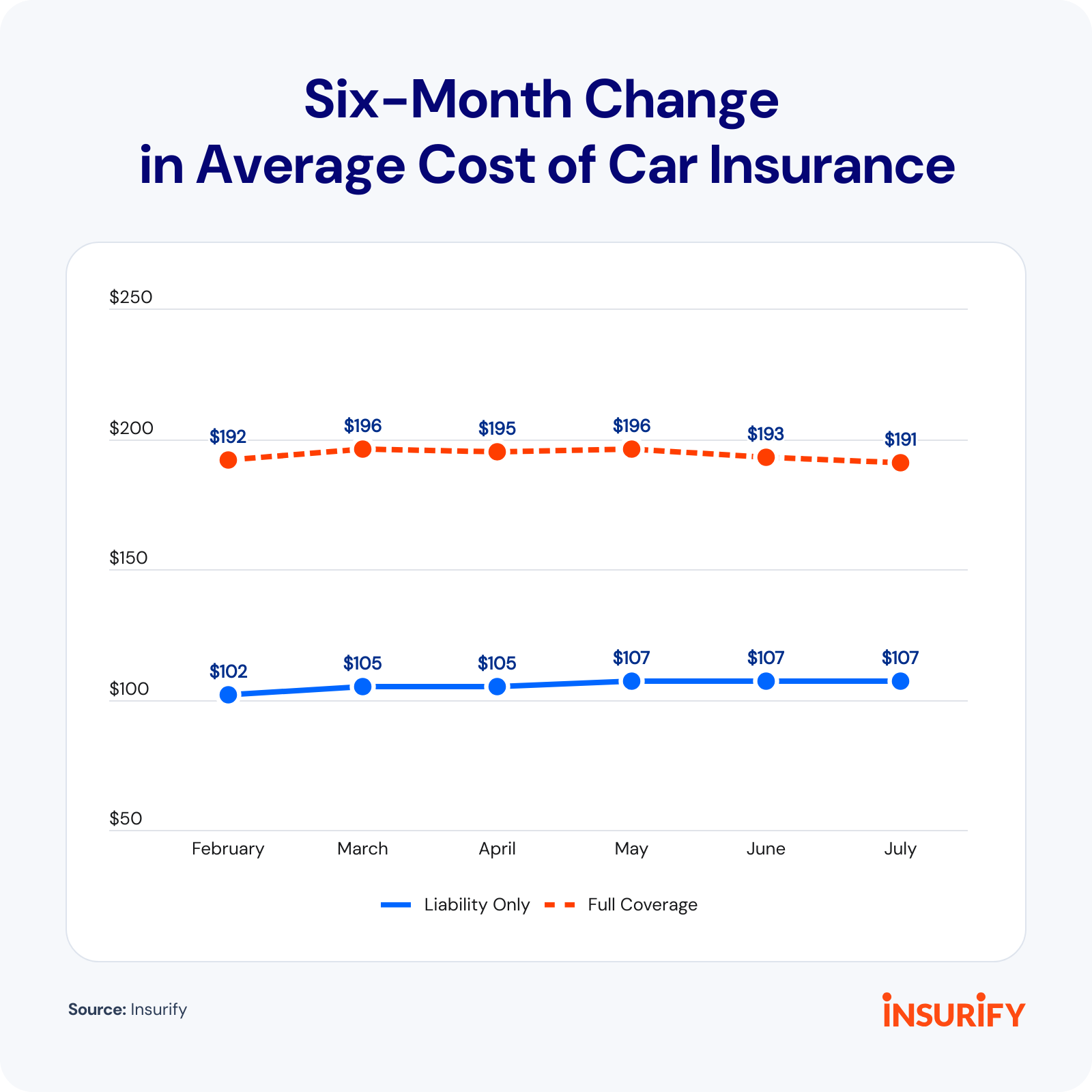
The amount of coverage you choose directly changes your monthly payments. Higher coverage limits and lower deductibles increase your premium but give more protection. Balancing what you need with what you can afford is key to managing your insurance costs.
Credit: www.webull.ca
Common Pricing Myths Debunked
Many people believe in common myths about car insurance prices. These myths can cause confusion and lead to wrong choices. Clearing up these misconceptions helps in understanding how insurance costs work. Let’s examine some popular myths and reveal the truth behind them.
Expensive Cars Always Cost More
Not all costly cars have higher insurance rates. Insurance depends on factors like repair costs, safety features, and theft risk. Some expensive cars have advanced safety technology that lowers premiums. Meanwhile, certain affordable cars may cost more to insure due to high theft rates or expensive parts.
Older Drivers Pay More
Older drivers often get lower insurance rates. Experience behind the wheel reduces accident risks. Insurers reward safe driving records, which many older drivers have. Young drivers usually pay more because of higher accident chances, not because of age alone.
All Coverage Options Are Similar
Coverage types vary widely and affect costs differently. Liability covers damage to others but not your car. Comprehensive and collision cover your car against damage or theft. Choosing the right coverage depends on your needs, not just price. Cheaper options may leave you underprotected.
Ways To Lower Your Insurance Premium
Lowering your car insurance premium doesn’t have to feel like a puzzle. There are clear actions you can take that directly impact what you pay each month. Some strategies might surprise you, but they are practical and easy to apply.
Bundling Policies
Have you checked if your insurer offers discounts for bundling? Combining your car insurance with other policies, like home or renters insurance, often leads to noticeable savings. This not only cuts your costs but also simplifies managing your policies under one provider.
Safe Driving Discounts
Maintaining a clean driving record can significantly lower your premium. Insurers reward drivers who avoid accidents and traffic violations with discounts. Think about the last time you got a ticket—how much did it affect your rates?
Usage-based Insurance Programs
Some insurance companies offer programs that track your driving habits using a mobile app or device. If you drive less or more safely than average, you could pay less. Are you ready to let your insurer see how careful you are behind the wheel?
Improving Credit Score
Your credit score influences your insurance rates more than many realize. Better credit generally means lower premiums because insurers view you as less risky. Taking steps to improve your credit can pay off in more ways than one.
Choosing Higher Deductibles
Opting for a higher deductible lowers your monthly premium, but it means paying more out of pocket if you file a claim. This choice works best if you don’t expect to make frequent claims. How much risk are you comfortable taking to reduce your premium?
Credit: www.insure.com
Impact Of Claims History On Costs
Your claims history plays a major role in shaping your car insurance costs. Insurance companies review past claims to estimate your risk level. A clean or low-claim history often means lower premiums. Multiple claims or accidents increase perceived risk, pushing costs higher. Understanding how claims history affects pricing helps drivers manage expenses better.
Effect Of Accidents
Accidents directly raise your insurance premium. Each reported accident signals higher risk to insurers. Even minor accidents can increase costs. The severity and fault in the accident also matter. At-fault accidents usually lead to bigger price hikes. Insurers may view drivers with accident records as less safe.
Claims Frequency And Premiums
More claims in a short time frame raise red flags. Frequent claims suggest a pattern of risk-taking or bad luck. Insurers often charge higher premiums for claim-prone drivers. They may also limit coverage or refuse policies. Keeping claims to a minimum helps maintain affordable insurance rates.
Claim-free Discounts
Many insurers offer discounts for claim-free drivers. These rewards encourage safe and careful driving habits. Claim-free discounts can lower premiums significantly over time. Staying claim-free shows reliability and reduces insurer risk. It pays off to avoid small claims and keep a clean record.
Regional Price Differences
Car insurance costs vary widely depending on where you live. Regional price differences play a big role in determining your premium. Insurers consider many local factors before setting rates. Understanding these differences helps you find the best coverage for your budget.
Urban Vs Rural Rates
Insurance rates tend to be higher in cities than rural areas. More traffic means more chances of accidents. Urban areas also see more claims for theft and vandalism. Rural drivers often pay less because roads are less crowded. However, rural drivers may face higher costs if emergency help takes longer to arrive.
State Regulations And Taxes
Each state has different laws that affect insurance prices. Some states require higher minimum coverage levels. Others have more taxes or fees on insurance policies. These rules impact the final cost you pay. States with strict regulations often have higher premiums. Check your state’s insurance laws to understand costs better.
Local Crime And Accident Rates
Insurance companies study local crime and accident data closely. Areas with high car theft or accident rates have higher premiums. Insurers see more claims and risks there. Neighborhoods with low crime usually enjoy lower insurance costs. Your location’s safety record directly influences your insurance bill.
Hidden Fees And Extra Charges
Car insurance quotes often show a base price, but the final bill may include hidden fees. These extra charges can increase your total cost without clear notice. Understanding these fees helps you avoid surprises and budget better.
Administrative Fees
Insurance companies charge administrative fees to cover paperwork and processing. These fees are small but add up over time. They appear on your bill as service or handling charges. Always ask for a breakdown of these costs before buying a policy.
Policy Renewal Costs
Renewing your insurance policy might come with extra fees. Some insurers add a renewal fee on top of the regular premium. This charge covers updating your policy details and maintaining your coverage. Check your renewal terms carefully to avoid unexpected expenses.
Cancellation Penalties
Canceling your insurance early can lead to penalties. These fees compensate the insurer for lost revenue. Penalties vary by company and policy type. Know the cancellation rules before you switch providers to prevent costly charges.
Frequently Asked Questions
What Factors Influence Car Insurance Costs?
Car insurance costs are influenced by several factors. These include your age, driving history, and the type of vehicle. Your location, credit score, and coverage level also play crucial roles. By maintaining a clean driving record and choosing a higher deductible, you can potentially reduce your premiums.
How Can I Lower My Car Insurance Costs?
To lower your car insurance costs, consider raising your deductible. Maintaining a good driving record and bundling policies can help. Additionally, shop around for quotes and take advantage of discounts. Installing safety features and improving your credit score may also lead to savings.
Does Car Model Affect Insurance Cost?
Yes, your car model significantly affects insurance costs. High-performance and luxury cars typically have higher premiums. These vehicles often cost more to repair or replace. Safety features and theft rates of the model also impact the insurance rates. Always consider insurance costs when purchasing a new car.
Is Car Insurance Cheaper For Used Cars?
Car insurance for used cars is generally cheaper than for new cars. Older vehicles typically have lower market values. This results in lower premiums. However, the condition and safety features of a used car can also influence insurance costs. Always compare insurance options when buying a used car.
Conclusion
Car insurance costs vary based on many factors. Your age, car type, and driving record all matter. Choosing the right coverage helps balance price and protection. Comparing quotes from different companies saves money. Regularly reviewing your policy keeps it up to date.
Understanding these basics makes insurance less confusing. Stay informed, pay what fits your budget, and drive safely.