
Have you ever felt your car shaking or noticed it struggling to speed up? That could be a sign of a misfire.
You might wonder, “Can I still drive my car with a misfire? ” It’s a question that matters because ignoring it can lead to bigger problems—and bigger bills. You’ll discover what a misfire really means for your car, how it affects your safety, and what you should do next.
Keep reading to protect your vehicle and yourself on the road.
Credit: autopartswd.com
What Causes Engine Misfires
Engine misfires can be frustrating and confusing. They happen when one or more cylinders fail to ignite the fuel-air mixture properly. Understanding what causes misfires can help you decide if you can still drive your car or if it needs immediate attention.
Ignition System Issues
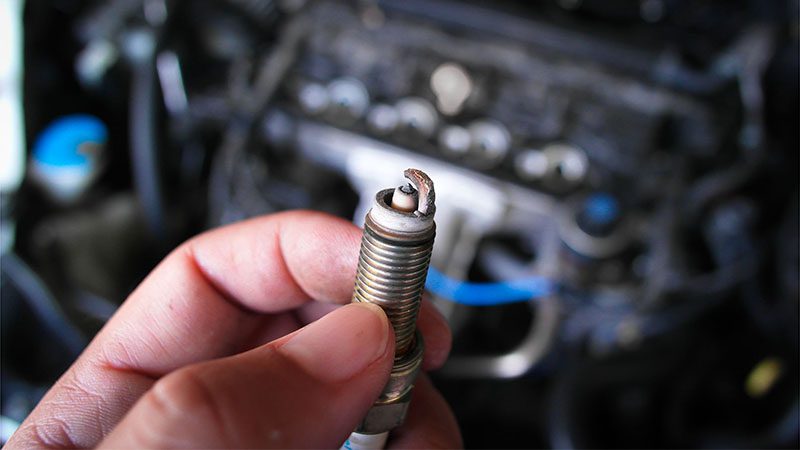
The ignition system plays a critical role in starting combustion. Faulty spark plugs, worn-out ignition coils, or damaged wires can cause weak or no sparks. I once ignored a misfire caused by bad spark plugs, which led to rough idling and poor fuel economy.
Have you checked your spark plugs lately? Replacing them can often fix misfires quickly and cheaply.
Fuel Delivery Problems
Your engine needs the right amount of fuel to run smoothly. Clogged fuel injectors or a failing fuel pump can disrupt this balance. Sometimes, dirt or debris blocks injectors, causing uneven fuel spray and misfires.
Pay attention if your car hesitates or stalls—it might be struggling to get enough fuel. Cleaning or replacing fuel injectors can restore proper engine function.
Air Intake And Vacuum Leaks
Air leaks in the intake manifold or vacuum hoses can upset the engine’s air-fuel ratio. This imbalance leads to incomplete combustion and misfires. Even a small crack in a hose can cause noticeable engine problems.
Listen for hissing sounds or check for rough idling. Fixing leaks often requires replacing damaged hoses or gaskets.
Mechanical Failures
Sometimes, misfires come from deeper mechanical issues. Worn piston rings, damaged valves, or timing chain problems can all disrupt combustion. These problems often cause persistent misfires that get worse over time.
Have you noticed loss of power or unusual engine noises? These signs suggest a mechanical problem needing a professional’s eye.
Signs Of A Misfiring Engine
Noticing the signs of a misfiring engine early can save you from costly repairs and unsafe driving conditions. A misfire affects how your engine runs, making your car behave differently. Recognizing these signs helps you decide if it’s safe to drive or if you need immediate attention.
Rough Idling And Stalling
If your engine feels shaky or rough when idling, it could be misfiring. You might also experience sudden stalling, especially when coming to a stop or sitting at a traffic light. These symptoms indicate that one or more cylinders aren’t firing properly, disrupting your engine’s smooth operation.
Loss Of Power
Have you ever pressed the accelerator and felt your car hesitate or struggle to speed up? That hesitation often signals a misfire. Your engine isn’t delivering the power it should, which makes driving uphill or overtaking dangerous.
Increased Fuel Consumption
Misfires cause your engine to burn more fuel to compensate for the lost power. You might notice you’re filling up your tank more often than usual. This inefficiency not only hits your wallet but also increases harmful emissions.
Check Engine Light
The check engine light is your car’s way of telling you something’s wrong. A misfire often triggers this warning. Don’t ignore it—getting a diagnostic check can pinpoint the problem before it worsens.
Risks Of Driving With A Misfire
Driving with a misfire might seem like a minor issue, but it carries several serious risks that can worsen quickly. Ignoring the problem affects not just your vehicle’s health but also your safety on the road. Understanding these risks can help you decide whether to drive or get immediate repairs.
Damage To Catalytic Converter
A misfire causes unburned fuel to enter the exhaust system, which can overheat and damage the catalytic converter. This component is expensive to replace and crucial for reducing harmful emissions. Have you noticed a strong sulfur smell or reduced fuel efficiency? These signs might mean your catalytic converter is already suffering.
Engine Overheating
When your engine misfires, it can throw off the balance of combustion, leading to overheating. Overheating damages internal components and may cause your engine to seize up. Have you felt your temperature gauge climb unexpectedly or steam coming from under the hood? These are warning signs you shouldn’t ignore.
Reduced Vehicle Performance
A misfiring engine struggles to deliver smooth power, resulting in poor acceleration and rough idling. You might find your car hesitating during starts or stalling in traffic. How often do you notice your vehicle lagging behind or losing speed without explanation? This drop in performance makes driving frustrating and unpredictable.
Safety Hazards On The Road
Driving a misfiring car can cause sudden loss of power or stalling, increasing the risk of accidents. It can also distract you as you try to manage the car’s behavior, reducing your focus on the road. Would you want to risk being stranded or losing control in heavy traffic? Safety should always come before convenience.
When Is It Safe To Drive
Driving a car with a misfire can be risky. Knowing when it is safe to drive helps protect your vehicle and yourself. Misfires affect engine performance and may cause damage if ignored. Certain conditions allow for limited driving without causing severe harm.
Short Distances At Low Speeds
Driving only short distances reduces stress on the engine. Keep speeds low to avoid overheating or worsening the misfire. This approach helps prevent further damage to engine parts. Use this limited driving to reach a repair shop or a safe place.
Avoiding Heavy Loads
Heavy loads increase engine strain and can make the misfire worse. Do not tow trailers or carry extra passengers during this time. Light driving reduces the risk of engine failure. Keep the car as light as possible to maintain control and safety.
Monitoring Warning Signs
Watch the dashboard for warning lights like the check engine light. Listen for unusual sounds such as knocking or rough idling. Notice if the car vibrates more than usual or loses power. Stop driving immediately if any new symptoms appear or get worse.
Diagnosing The Misfire
Diagnosing a misfire is essential before you decide whether to keep driving your car or head straight to a mechanic. Identifying the exact cause can save you from costly repairs and prevent further damage. Let’s break down how you can start diagnosing a misfire with simple tools and checks.
Using An Obd-ii Scanner
An OBD-II scanner is your first and fastest way to pinpoint a misfire. This device plugs into your car’s diagnostic port and reads error codes stored in the engine’s computer. These codes often indicate which cylinder is misfiring or if there’s a sensor issue affecting engine performance.
You don’t need to be a mechanic to use this tool. Many auto parts stores even lend scanners for free. Have you ever tried scanning your car yourself? It’s surprising how much info you can get without opening the hood.
Visual Inspection
After reading the codes, a visual inspection can help confirm the problem. Look at spark plugs, ignition coils, and wires for signs of wear or damage like cracks, corrosion, or carbon buildup. A worn spark plug can easily cause a misfire, and spotting this early can save you from bigger headaches.
Check under the hood for loose or disconnected wires and vacuum leaks too. Sometimes the culprit isn’t obvious but catching a small crack or loose hose can fix the issue. Have you noticed any unusual smells or smoke while driving? These can be clues during your inspection.
Professional Diagnostics
If the problem isn’t clear or you want peace of mind, professional diagnostics are the way to go. Mechanics have advanced tools that go beyond basic scanners, such as cylinder compression tests and fuel system analysis. These tests reveal hidden issues that a quick scan or visual check might miss.
Trusting a professional saves time and ensures safety, especially if you’re unsure about driving with a misfire. Have you ever been surprised by what a mechanic found after you thought the issue was minor? It’s a reminder that some problems hide beneath the surface.

Credit: www.coastwiderwc.com.au
Common Fixes For Engine Misfires
Engine misfires can cause poor performance and damage over time. Fixing these issues quickly protects your car and improves driving. Common fixes address the root causes of misfires. These fixes often restore smooth running and fuel efficiency.
Replacing Spark Plugs And Wires
Old or worn spark plugs cause weak or no sparks. This leads to incomplete combustion and misfires. Replacing spark plugs restores proper ignition. Spark plug wires also wear out and reduce spark power. Changing both plugs and wires often stops misfires fast.
Cleaning Or Replacing Fuel Injectors
Dirty or clogged fuel injectors block fuel flow. The engine gets less fuel than needed. This causes rough running and misfires. Cleaning injectors removes dirt and buildup. In severe cases, replacing injectors ensures proper fuel delivery.
Fixing Vacuum Leaks
Vacuum leaks let extra air enter the engine. This changes the air-fuel mix and causes misfires. Checking hoses and gaskets helps find leaks. Repairing or replacing damaged parts stops air leaks. Fixing these leaks stabilizes engine performance.
Repairing Mechanical Issues
Mechanical problems like worn valves or timing issues cause misfires. These problems need careful diagnosis by a mechanic. Fixing or replacing faulty parts restores engine timing and compression. This repair improves engine power and smoothness.
Preventing Future Misfires
Preventing future misfires is essential to keep your car running smoothly. Misfires can cause damage and reduce fuel efficiency. Taking simple steps helps avoid these issues and saves money on repairs. Focus on keeping the engine healthy and parts working well.
Regular Maintenance
Check your car regularly to spot problems early. Change spark plugs as recommended by your car manual. Replace air filters to keep the engine breathing well. Regular oil changes help keep the engine parts moving smoothly. Keeping up with maintenance stops small issues from becoming big.
Quality Fuel Use
Use clean, high-quality fuel to protect the engine. Poor fuel can cause deposits and clog parts. Avoid cheap or contaminated gasoline. Choose fuel with the right octane level for your car. Good fuel helps the engine burn smoothly and prevents misfires.
Timely Repairs
Fix any engine problems as soon as they appear. Delaying repairs can make misfires worse. Address issues like faulty spark plugs, bad ignition coils, or clogged injectors fast. Regular inspections help catch trouble early. Quick repairs keep your car safe and reliable.

Credit: collisiondocsandiego.com
Frequently Asked Questions
What Is A Car Engine Misfire?
A car engine misfire occurs when one or more cylinders fail to combust fuel properly. This can lead to engine shaking, power loss, and increased emissions. Misfires can be caused by issues with the spark plugs, fuel injectors, or ignition system.
Addressing a misfire promptly is crucial to prevent further damage.
Can You Drive With A Misfiring Engine?
Driving with a misfiring engine is not recommended. It can lead to reduced performance and increased fuel consumption. Over time, driving with a misfire can cause significant damage to the engine and catalytic converter. It’s important to diagnose and repair the issue as soon as possible for safety and efficiency.
What Causes Engine Misfires?
Engine misfires can be caused by several factors. Common causes include faulty spark plugs, bad fuel injectors, or ignition coil issues. Vacuum leaks and sensor malfunctions can also contribute to misfires. Regular maintenance and timely repairs can help prevent misfires and ensure smooth engine operation.
How To Fix A Car Misfire?
To fix a car misfire, first diagnose the root cause. Check spark plugs, ignition coils, and fuel injectors for faults. Replace any damaged components and ensure proper engine timing. Regular maintenance, like changing spark plugs, can prevent future misfires. Consulting a mechanic is advisable for accurate diagnosis and repair.
Conclusion
Driving a car with a misfire can be risky and damage your engine. It may cause rough running, poor fuel use, and loss of power. Fixing the problem soon keeps your car safe and saves money. Pay attention to warning signs like shaking or strange noises.
Regular check-ups help catch issues early. Stay safe and keep your car in good shape by addressing misfires quickly. Don’t ignore the problem—it can get worse fast. Your car deserves care and attention to run smoothly.