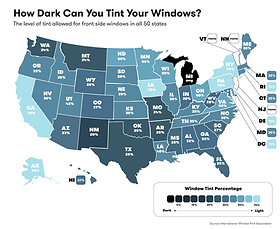
Are you thinking about tinting your car windows but unsure about the rules where you live? Window tint laws vary a lot from state to state, and not following them can lead to fines or even having to remove your tint.
Understanding these laws is key to keeping your ride both stylish and legal. You’ll find clear, easy-to-follow details about window tint regulations across the country. By the end, you’ll know exactly what’s allowed in your state—and how to avoid costly mistakes.
Keep reading to protect yourself and your vehicle.
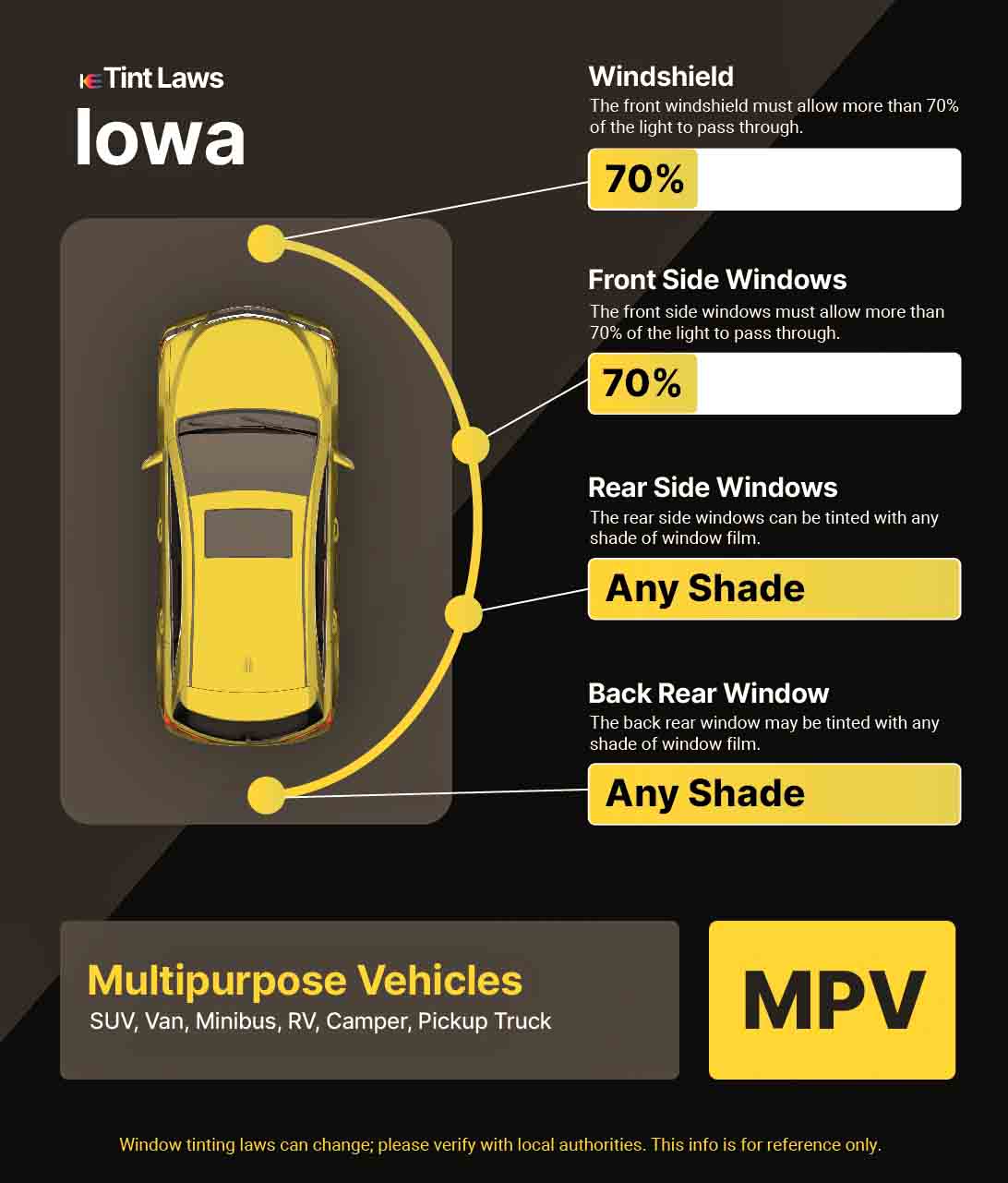
Credit: kepler-dealer.com
Tint Darkness Limits
Tint darkness limits vary widely by state, and understanding these rules can save you from fines or having to redo your windows. These limits are usually based on Visible Light Transmission (VLT) percentage, which measures how much light passes through your tinted windows. The lower the VLT percentage, the darker the tint.
Knowing the specific restrictions for each window on your vehicle helps you choose the right tint without breaking the law. Have you ever wondered why some drivers have noticeably darker rear windows but clear front windows? This is all about compliance with state tint darkness limits.
Front Side Windows
Most states set strict limits on how dark the tint can be on front side windows. Typically, the VLT must allow at least 35% to 50% of light through. This ensures you can see the driver clearly, which is important for safety and law enforcement.
If your front side windows are too dark, you risk getting pulled over. Some states allow medical exemptions, but these are rare and require proper documentation. Always check your state’s specific percentage to avoid surprises.
Rear Side Windows
Rear side window tint laws tend to be more lenient. Many states permit darker tints here, sometimes as low as 20% VLT or even no limit at all. This is because rear side windows don’t affect the driver’s ability to see ahead as much as the front windows do.
Keep in mind that having a very dark tint on rear side windows might still draw police attention in some areas. Ask yourself: Is the privacy worth the potential hassle? Balancing comfort with compliance is key.
Rear Window
The rear window often has the most flexible tint darkness limits. Some states allow any darkness as long as the vehicle has side mirrors, while others set specific VLT minimums. This window is crucial for rear visibility, so rules here focus on safety.
If your rear window tint is too dark, you might need to install additional mirrors or sensors. Think about how often you rely on your rearview mirror — too much tint can hinder your driving awareness. Always verify your state’s exact rules before applying tint to the rear window.
Visible Light Transmission
Visible Light Transmission (VLT) measures how much light passes through a window tint. It shows the percentage of light that reaches your eyes through the glass. VLT affects visibility, safety, and legal compliance. Lower VLT means darker tint and less light. Higher VLT means lighter tint and more light. Understanding VLT is key to following state tint laws.
Understanding Vlt Percentages
VLT is shown as a percentage from 0% to 100%. A 0% VLT means no light passes through. A 100% VLT means full, clear glass with no tint. For example, a 35% VLT lets 35% of outside light into the car. People often think lower VLT is better for privacy. But very low VLT can block too much light, causing safety risks.
Drivers need enough light to see outside clearly. Police and safety officials use VLT to check if tint is legal. Many states set minimum VLT levels for car windows. This ensures drivers can see and be seen on the road.
State Variations In Vlt
Each state has different rules about VLT limits. These rules depend on the type of vehicle and window location.
- Front side windows usually require higher VLT (more light allowed).
- Rear side and back windows often allow lower VLT (darker tints).
Some states allow very dark tints for rear windows but not for front windows. Others have strict rules for all windows to improve safety. Medical exemptions may exist for drivers who need darker tints. Always check local laws before tinting your windows.
Ignoring state VLT laws can lead to fines or having to remove tint. Knowing your state’s rules helps avoid trouble and keeps driving safe.
Reflectivity Rules
Reflectivity rules in window tint laws control how much your car’s windows can reflect light. These rules matter because overly reflective tints can cause glare, distracting other drivers and increasing accident risks. Understanding these rules helps you choose a tint that keeps you safe and legal wherever you drive.
Permissible Reflective Tint
Most states allow some level of reflectivity on vehicle windows, but the limits vary widely. Reflectivity is usually measured as the percentage of light that a window tint reflects back. For example, a tint with 20% reflectivity means it reflects 20% of the light hitting it.
Typically, front side windows must have lower reflectivity than rear windows or backlights. Some states cap reflectivity at around 25%, while others allow up to 35% or more on certain windows. This means your tint can’t be too shiny or mirror-like on windows facing forward.
Have you ever noticed a car with glass so reflective it looks like a mirror? That’s exactly what many states want to prevent because it can blind other drivers. Choosing a tint that balances style and safety is key.
States With Reflective Restrictions
| State | Max Reflectivity Allowed | Applicable Windows |
|---|---|---|
| California | 25% | All windows |
| New York | 30% | Front side windows |
| Texas | 35% | Rear and back windows only |
| Florida | None allowed | All windows |
Some states like Florida forbid any reflective tint, while others give you more freedom on rear windows. If you often travel across state lines, you must check local laws to avoid fines or tint removal orders.
Think about your daily routes—do you cross into states with stricter reflectivity rules? Adjusting your tint to comply with these rules prevents surprises during traffic stops and keeps your vehicle looking good.

Credit: www.allglasstinting.com
Medical Exemptions
Medical exemptions allow certain drivers to use darker window tints than normally permitted. These exemptions protect people with specific health needs from harmful sunlight. States vary widely in their rules and processes for granting these exceptions.
Understanding medical exemptions helps drivers comply with laws while safeguarding their health.
Qualifying Conditions
Common conditions that qualify for window tint exemptions include:
- Albinism, which causes sensitivity to sunlight
- Lupus, a disease that worsens with UV exposure
- Skin cancer or history of skin cancer
- Photophobia, extreme light sensitivity
- Other medical conditions requiring limited sun exposure
Proof from a doctor is usually required to show the condition is genuine. States may have different lists of qualifying illnesses.
How To Apply For Exemptions
To get a medical exemption, start by consulting your doctor. Obtain a written statement explaining your condition. The statement should detail why darker tint is medically necessary.
Submit the medical documents to your state’s motor vehicle department. Some states require filling out special forms or applications. Keep copies of all paperwork for your records.
Once approved, you will receive a certificate or decal. Display this in your vehicle to avoid fines or tickets.
Color Restrictions
Each state enforces unique rules on window tint colors to ensure safety and visibility. Color restrictions prevent overly dark or distracting shades. These laws aim to keep drivers, passengers, and law enforcement safe on the road. Understanding which colors are allowed or banned helps avoid fines and legal trouble.
Allowed Tint Colors
Most states permit shades close to black or gray for window tinting. Commonly allowed colors include:
- Black or charcoal gray
- Neutral shades without strong hues
- Some states allow brown or bronze tints
These colors reduce glare and heat without impairing driver vision. They also maintain a professional appearance and comply with safety standards.
Prohibited Tint Colors
Many states ban colors that distract or reduce visibility. These often include:
- Bright colors like red, blue, or green
- Reflective or mirror-like tints
- Colors that alter traffic signal visibility
Prohibited colors can interfere with law enforcement’s ability to identify drivers. They may also create unsafe driving conditions by distorting natural light.

Credit: windowfilmpros.com
Penalties And Enforcement
Understanding penalties and enforcement related to window tint laws is crucial if you want to avoid unexpected trouble on the road. Each state has its own set of rules about how strictly these laws are enforced and what happens if you don’t comply. Knowing what to expect can save you time, money, and stress.
Fines And Citations
Fines for illegal window tint vary widely by state, often ranging from $50 to over $500. In some places, you might receive just a warning on your first offense, but repeated violations can lead to heftier fines or even court appearances.
Sometimes, police officers issue citations during routine traffic stops or if your tint is clearly too dark. The fine might be a flat fee or increase if the tint is deemed a safety risk, such as obstructing the driver’s view. Have you ever wondered how your state handles repeat offenders?
Vehicle Inspections
Vehicle inspections can be another way authorities enforce tint laws. Some states require tint checks during annual safety or emissions inspections, which means your car must meet the tint standards to pass.
If your vehicle fails inspection due to illegal tint, you may be given a deadline to remove or replace the film. Failing to fix the issue can result in penalties or your vehicle being deemed unsafe to drive. How often do you think drivers actually get caught because of these inspections?
Special Vehicle Categories
Special vehicle categories have unique window tint laws that differ from regular passenger cars. These rules consider the vehicle’s use, size, and purpose. States often set different tint limits for these vehicles to ensure safety and visibility on the road.
Understanding these distinctions helps drivers comply with local laws and avoid fines.
Commercial Vehicles
Commercial vehicles include trucks, vans, and other vehicles used for business. Many states allow lighter tint on commercial vehicles to keep drivers visible to others. Some states require commercial vehicles to have clear front windows for safety checks. Rules vary widely, so check your state’s specific laws before tinting a commercial vehicle.
Passenger Vs. Non-passenger Vehicles
Passenger vehicles carry people, while non-passenger vehicles transport goods or equipment. Tint laws usually differ for these two categories. Non-passenger vehicles often get more lenient tint limits. This helps protect cargo and reduce heat inside the vehicle. Passenger vehicles have stricter limits to protect driver and passenger safety. Knowing your vehicle’s category is important before choosing tint darkness.
Installation And Certification
Getting your car windows tinted involves more than just picking a shade you like. Each state has specific rules about who can install window tint and what certifications they need. Knowing these details helps you avoid legal trouble and ensures your tint job is done right.
Authorized Installers
Not everyone can install window tint legally. Many states require that only authorized professionals handle the installation. These installers usually have to meet state standards and sometimes complete special training.
Hiring an authorized installer protects you. They understand the exact tint limits for your state and use the right materials. This means you won’t face fines or have to remove your tint later.
Have you ever wondered if the shop you chose really knows your state’s tint laws? Checking their authorization can save you time and money.
Certification Requirements
Certification rules vary a lot from state to state. Some require installers to carry a license that proves they passed a test on tint laws and installation techniques.
In states with strict regulations, installers must also provide a certificate after completing the tint job. This certificate often includes details like the film type and light transmission percentage.
This certification can be crucial if you get pulled over or involved in an accident. It shows you followed the law and had your tint installed by a qualified pro. What would happen if you couldn’t prove your tint met legal standards?
State-by-state Highlights
Window tint laws vary widely across the United States. Each state sets its own rules on how dark or reflective your car’s window tint can be. Knowing these differences helps drivers stay legal and avoid fines. Here is a look at some key highlights by state.
Strictest States
Some states have very tight restrictions on window tinting. They allow only minimal darkening to keep visibility clear for law enforcement and safety.
- New Jersey:Allows only 70% visible light transmission on front side windows.
- California:Front side windows must allow more than 70% light through.
- Washington D.C.:Limits tint on front windows to 50% light transmission.
- Delaware:Permits very light tinting on front windows, generally above 70% VLT.
These states prioritize clear views inside vehicles for safety and law enforcement reasons. Dark tints can lead to tickets or mandatory removal.
Most Lenient States
Other states offer more freedom with window tint darkness and reflectivity. These states often allow much darker tints on most windows.
- Arizona:Allows very dark tints, often down to 33% VLT or lower on front windows.
- Texas:Permits dark tints on rear and back side windows with fewer restrictions.
- Florida:Has relaxed rules for rear windows, allowing dark tints with some exceptions.
- Alaska:Allows dark tinting on most windows, with some limits on the windshield.
These states focus on personal choice and privacy. Drivers can enjoy cooler interiors and glare reduction with darker tints.
Frequently Asked Questions
What Are Window Tint Laws In The U.s.?
Window tint laws vary by state in the U. S. They regulate the darkness and reflectivity of the tint. These laws are enforced to ensure driver visibility and safety. It’s essential to check your state’s specific regulations before tinting your vehicle windows.
How Is Window Tint Darkness Measured?
Window tint darkness is measured by Visible Light Transmission (VLT) percentage. It indicates the amount of light that can pass through the tint and glass. A lower VLT percentage means a darker tint. Each state has its own legal limit for VLT percentages for different windows.
Can You Get Fined For Illegal Window Tint?
Yes, you can be fined for illegal window tint. Fines vary by state and can increase with repeated offenses. Illegal tints can also lead to failed vehicle inspections. It’s important to comply with state laws to avoid penalties and ensure your vehicle’s legality.
Do Window Tint Laws Apply To All Vehicles?
Yes, window tint laws generally apply to all vehicles, including cars, trucks, and SUVs. However, some states have different regulations for commercial vehicles or larger trucks. Always verify your state’s specific laws to ensure compliance for your particular vehicle type.
Conclusion
Knowing window tint laws helps you stay safe and legal. Each state has rules about how dark your tint can be. Check these rules before tinting your car windows. This avoids fines and problems with the police. Keep your car comfortable and protect your skin with the right tint.
Stay informed and follow the laws in your area. Simple steps like these make driving easier. Remember, safety and legality go hand in hand.