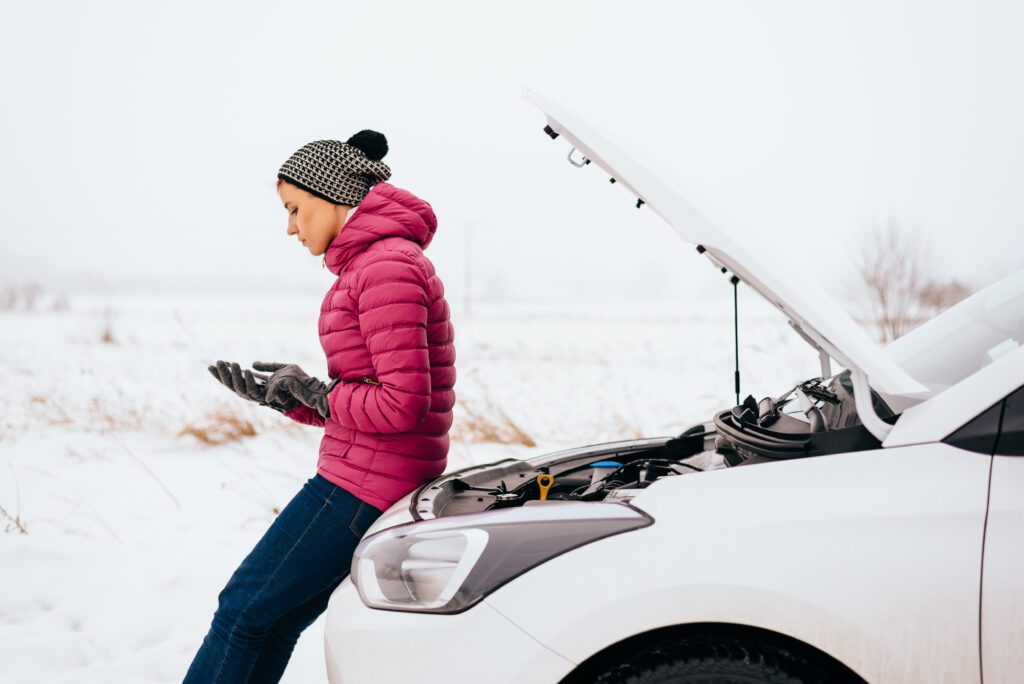
Have you ever wondered how long your car can safely sit outside when the cold weather hits? Leaving your vehicle parked in freezing temperatures might seem harmless, but it can lead to unexpected problems if you’re not careful.
You’ll discover exactly how long your car can withstand the cold without damage. You’ll also learn simple tips to protect your vehicle and keep it running smoothly, no matter how low the temperature drops. Keep reading to make sure your car stays safe and ready to go, even in the chilliest conditions.

Credit: www.reddit.com
Effects Of Cold Weather On Cars
Cold weather affects many parts of a car, causing issues that may stop it from working properly. Low temperatures can cause damage to the battery, engine fluids, tires, and fuel system. Understanding these effects helps keep a car safe and running during winter months. Below are key areas where cold weather impacts your vehicle.
Battery Performance In Cold
Cold temperatures reduce a battery’s ability to hold charge. Chemical reactions inside slow down, causing less power output. Starting a car becomes harder, especially after long periods of inactivity. A weak battery may completely fail to start the engine in freezing conditions.
Engine Fluid Changes
Engine fluids thicken in cold weather, making them less effective. Oil becomes thicker, increasing engine resistance at startup. Coolant and transmission fluids also lose flow, risking damage to engine parts. Proper fluid levels and winter-grade oils help protect the engine.
Tire Pressure Drops
Cold air contracts, lowering tire pressure naturally. Underinflated tires reduce fuel efficiency and grip on icy roads. Tires may wear unevenly or get damaged faster. Checking and adjusting tire pressure regularly is essential during cold months.
Impact On Fuel System
Fuel can thicken or form wax crystals in cold weather. This clogs fuel filters and lines, restricting fuel flow. Engines may sputter or fail to start. Using additives or winter-grade fuel can prevent these problems and keep the fuel system clean.

Credit: www.canr.msu.edu
Safe Duration For Parking In Cold
Parking a car in cold weather needs careful thought. Cold temperatures can affect a vehicle’s parts and fluids. Knowing the safe duration helps avoid damage and costly repairs.
Short-term Parking Limits
For short periods, cars usually handle cold weather well. Parking for a few hours or a day is generally safe. The engine and battery remain in good condition during this time. It is best to start the car and let it run for a few minutes before driving. This warms up the engine and oil.
Long-term Storage Risks
Leaving a car parked for weeks or months in cold weather can cause problems. Battery power may drain completely. Tires can lose pressure and develop flat spots. Fuel can degrade, leading to engine issues. Moisture may build up, causing rust on parts. Rodents might nest in the engine bay or wires.
Factors Influencing Car Durability
- Battery Health: A strong battery lasts longer in cold.
- Fuel Type: Diesel freezes faster than gasoline.
- Engine Oil: Thicker oil can strain the engine at low temperatures.
- Parking Location: Indoor garages protect cars better than outdoors.
- Maintenance: Regular checks improve car resilience to cold.
Preparing Your Car For Cold Weather
Preparing your car for cold weather is essential to avoid unexpected breakdowns and costly repairs. Cold temperatures can be harsh on your vehicle’s components, so taking a few simple steps can keep your car running smoothly. Understanding how to care for your battery, fluids, tires, and fuel system will make all the difference during winter months.
Battery Maintenance Tips
Cold weather can drain your car battery faster than you might expect. Check the battery terminals for corrosion and clean them if needed to ensure a strong connection.
Consider testing your battery’s charge with a multimeter or at a local auto shop. If your battery is older than three years, think about replacing it before the cold hits hard. Have you ever been stranded on a freezing morning because your battery died? Taking these steps can help you avoid that frustrating experience.
Fluid Checks And Replacements
Fluids thicken in cold temperatures, which can affect your car’s performance. Make sure your engine oil is rated for winter; thinner oils flow better in low temperatures and protect the engine.
Check your antifreeze levels and ensure the mixture is appropriate for freezing conditions. Don’t forget about windshield washer fluid—switch to one that won’t freeze, so you maintain clear visibility on icy roads.
Tire Care Strategies
Your tires are your car’s contact with the road, and cold weather can reduce their grip. Check the tire pressure regularly since it drops as temperatures fall, leading to uneven wear and poor traction.
Inspect the tread depth and consider switching to winter tires if you live in an area with heavy snow or ice. Winter tires are designed to stay flexible and provide better grip on slick surfaces. Could your current tires be putting you at risk during a sudden cold snap?
Protecting The Fuel System
Condensation can build up in your fuel tank during cold weather, which may freeze and block fuel lines. Keep your gas tank at least half full to reduce this risk and prevent moisture buildup.
Adding a fuel stabilizer or antifreeze additive can help keep your fuel system clean and flowing smoothly. Regularly running your car for short drives also helps prevent fuel system problems by keeping everything moving. Have you noticed your car hesitating or stalling in the cold? This might be why.
Credit: www.besafe.com
Starting A Car After Long Cold Exposure
Starting a car after it has been sitting in cold weather for a long time requires care. Cold temperatures affect the battery, engine oil, and fuel. These changes can make the car harder to start or cause damage. Taking the right steps helps protect the car and ensures it runs smoothly.
Step-by-step Starting Guide
- Check the battery for corrosion or loose connections.
- Turn off all electrical accessories like radio and lights.
- Insert the key and turn it to the “on” position for a few seconds without starting.
- Start the engine gently; avoid holding the key in start position too long.
- Let the engine run for a few minutes to warm up before driving.
- Drive slowly at first to allow fluids to circulate well.
Signs Of Cold-related Issues
- The engine cranks slowly or not at all.
- Unusual noises like knocking or clicking when starting.
- Dashboard warning lights stay on after starting.
- Excessive smoke from the exhaust.
- The car stalls or runs unevenly after starting.
When To Call A Mechanic
- The engine will not start after several attempts.
- Battery appears weak or drains quickly.
- Strange noises continue after the engine warms up.
- Warning lights remain on despite restarting the car.
- Signs of fluid leaks under the car.
Essential Survival Tips For Cold Weather
Cold weather can be tough on cars and drivers. Knowing how to protect your vehicle and stay safe is key. These essential survival tips help you prepare for freezing conditions. They focus on keeping your car ready and you comfortable.
Emergency Kit Essentials
Always keep an emergency kit in your car during cold months. Include items like:
- Blankets or warm clothing
- Flashlight with extra batteries
- Non-perishable snacks and water
- Ice scraper and snow brush
- Jumper cables
- First aid kit
- Portable phone charger
These tools help in unexpected situations and keep you safe until help arrives.
Keeping The Interior Warm
Use seat warmers or blankets to stay warm inside your car. Park in a garage or sheltered spot if possible. Run the engine briefly to heat the cabin before driving. Avoid running the heater on full blast at once. This protects the car’s systems and keeps the air fresh.
Preventing Frozen Locks And Doors
Apply silicone spray or lubricant to locks and door seals before cold weather hits. Keep a lock de-icer or rubbing alcohol nearby to thaw frozen locks. Avoid forcing doors open to prevent damage. Cover door seals with plastic or tape if you expect heavy ice.
Safe Driving Practices In Cold
Drive slowly and smoothly on icy roads. Increase the distance between vehicles. Use winter tires for better traction. Avoid sudden braking or sharp turns. Keep headlights on for better visibility. Check tire pressure often as cold air lowers it. Always let someone know your route and expected arrival time.
Frequently Asked Questions
How Long Can A Car Sit In Cold Weather?
A car can sit in cold weather for weeks, but it’s not ideal. Cold temperatures can affect the battery and fluids. Starting the car and letting it run for 10 minutes every few days is advisable. This helps maintain battery charge and prevents fluids from thickening.
What Happens To Car Batteries In Cold Weather?
Cold weather can significantly reduce a car battery’s efficiency. In low temperatures, the battery’s chemical reactions slow down. This results in a reduced ability to hold a charge. Regularly starting the car can help prevent battery drain and ensure it remains operational.
Should I Start My Car In Freezing Temperatures?
Yes, starting your car in freezing temperatures is beneficial. Running the engine helps keep the battery charged. It also circulates fluids, preventing them from thickening. Start your car every few days for about 10 minutes to maintain optimal conditions.
How Does Cold Affect Car Fluids?
Cold temperatures can thicken car fluids, reducing their effectiveness. Oil, coolant, and transmission fluid may become more viscous. This can hinder their ability to lubricate and cool. Regularly starting the car ensures these fluids circulate and maintain their proper consistency.
Conclusion
Cold weather can affect your car in many ways. Leaving it parked for too long may cause battery drain and fluid thickening. Regular checks help keep your car ready to drive. Start the engine and let it run sometimes. Protect tires and clean off snow and ice.
Taking small steps prevents bigger problems later. Stay aware of weather changes and act early. Your car will thank you with better performance and safety. Simple care keeps your vehicle healthy through winter months.