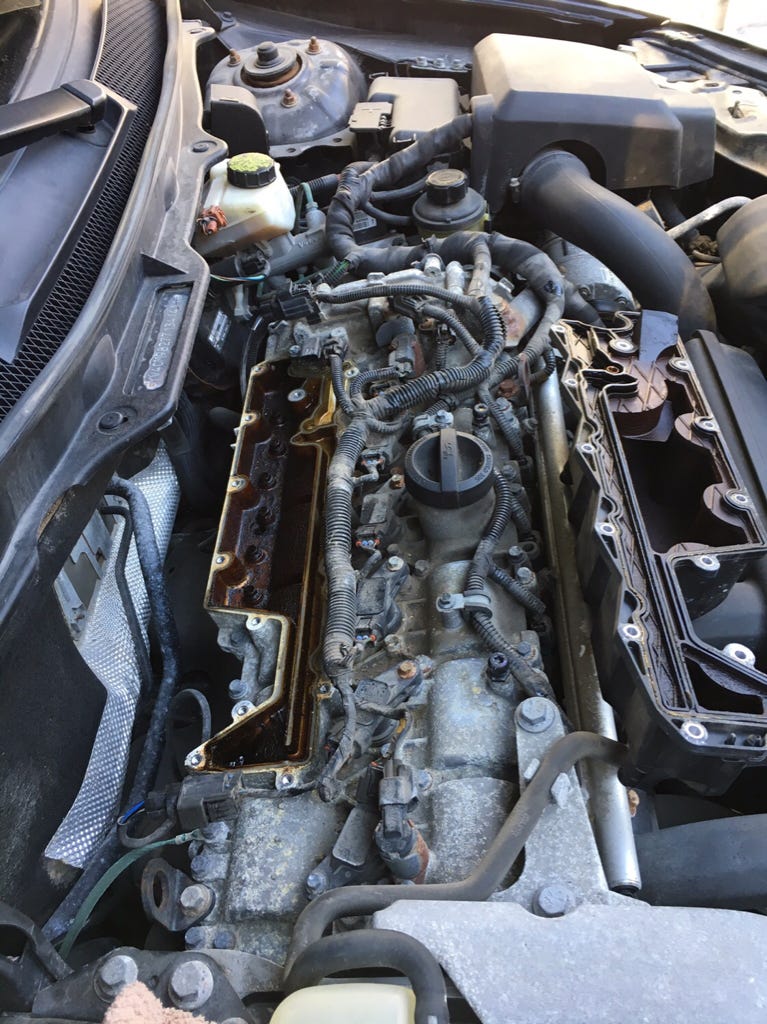
If you want your Volvo’s engine to run smoothly and avoid costly repairs, cleaning the PCV system is a must. The PCV (Positive Crankcase Ventilation) system helps remove harmful gases from your engine, but over time it can get clogged and cause problems like rough idling or increased emissions.
You’ll learn exactly how to clean your Volvo’s PCV system step by step. By the end, you’ll have a cleaner engine and better performance—without spending a fortune at the mechanic. Keep reading to discover simple tips that anyone can follow.
Credit: www.fcpeuro.com
Volvo Pcv System Basics
Understanding the Volvo PCV system is key before you dive into cleaning it. This system plays a vital role in your engine’s health by managing crankcase gases. Knowing how it works helps you spot problems early and keep your car running smoothly.
Purpose Of The Pcv System
The PCV (Positive Crankcase Ventilation) system controls the release of gases that build up inside your engine. Instead of letting these gases escape into the air, the system reroutes them back to the intake manifold to be burned again. This reduces harmful emissions and improves fuel efficiency.
Besides helping the environment, the PCV system prevents pressure buildup inside the engine. Excess pressure can cause oil leaks and damage seals, which might lead to costly repairs. Have you ever noticed oil spots under your car? That might be a sign your PCV system needs attention.
Common Pcv Issues
PCV valves and hoses can get clogged with oil sludge and dirt over time. This blockage stops the system from working correctly, causing rough idling, poor fuel economy, and increased emissions. Sometimes, a stuck valve can create a vacuum leak, making your engine run unevenly.
Another common problem is a cracked or worn hose. These leaks allow unfiltered air into the engine, disrupting the air-fuel mixture. If your check engine light comes on or you hear unusual noises from the engine bay, checking the PCV system might solve the issue.
Signs Of A Dirty Pcv System
The PCV (Positive Crankcase Ventilation) system keeps your Volvo’s engine clean by removing harmful gases. A dirty PCV system stops this process. It causes many problems that affect your car’s performance. Recognizing signs of a dirty PCV system helps avoid bigger engine issues.
Engine Performance Problems
A clogged PCV system can cause rough idling and poor acceleration. Your Volvo might stall or hesitate while driving. Fuel efficiency often drops, making your car consume more gas. Engine warning lights may turn on unexpectedly. These problems show the PCV system needs cleaning or replacement.
Unusual Noises And Smells
Listen for hissing or tapping sounds from the engine area. These noises may come from a blocked PCV valve or hose. Strong oil or fuel smells inside the car can also signal trouble. Bad odors happen when vapors do not vent correctly. Checking these signs early can save costly repairs later.
Tools And Materials Needed
Cleaning the PCV system on your Volvo requires specific tools and materials to do the job right. Having everything ready before you start makes the process smoother and prevents any delays. Let’s look at what you need to gather to keep your PCV system running efficiently.
Essential Cleaning Supplies
- PCV Valve Cleaner:A specialized cleaner designed to dissolve carbon build-up quickly.
- Carburetor or Throttle Body Cleaner:Great for clearing out stubborn deposits in the PCV system tubes.
- Socket Set and Screwdrivers:These tools help you remove clamps and bolts securing the PCV components.
- Replacement PCV Valve:Sometimes cleaning isn’t enough; having a new valve on hand saves time.
- Small Wire Brush or Pipe Cleaners:Useful for scrubbing inside hoses without damaging them.
- Rags or Shop Towels:Keep these handy to wipe off excess cleaner and dirt.
When I first cleaned my Volvo’s PCV system, not having the right cleaner meant I spent hours scrubbing with little effect. Using a proper PCV valve cleaner cut the time in half and made the difference clear.
Safety Equipment
- Protective Gloves:Essential to protect your hands from harsh chemicals and grime.
- Safety Glasses:Prevent cleaner splashes from getting into your eyes.
- Well-Ventilated Workspace:Always work in an area with fresh air to avoid inhaling fumes.
- Disposable Mask:Optional but recommended if you’re sensitive to chemical sprays.
Have you ever felt dizzy or nauseous after working on your car? That’s often due to poor ventilation or lack of protective gear. Taking a few safety precautions makes your job safer and more comfortable.
Credit: www.swedespeed.com
Step-by-step Cleaning Process
Cleaning the Volvo PCV system is essential for maintaining engine health and performance. The process involves several clear steps that anyone can follow. Each step ensures the PCV valve works properly, preventing engine issues caused by clogged parts. Below is a detailed cleaning process that is simple and effective.
Locating The Pcv Valve
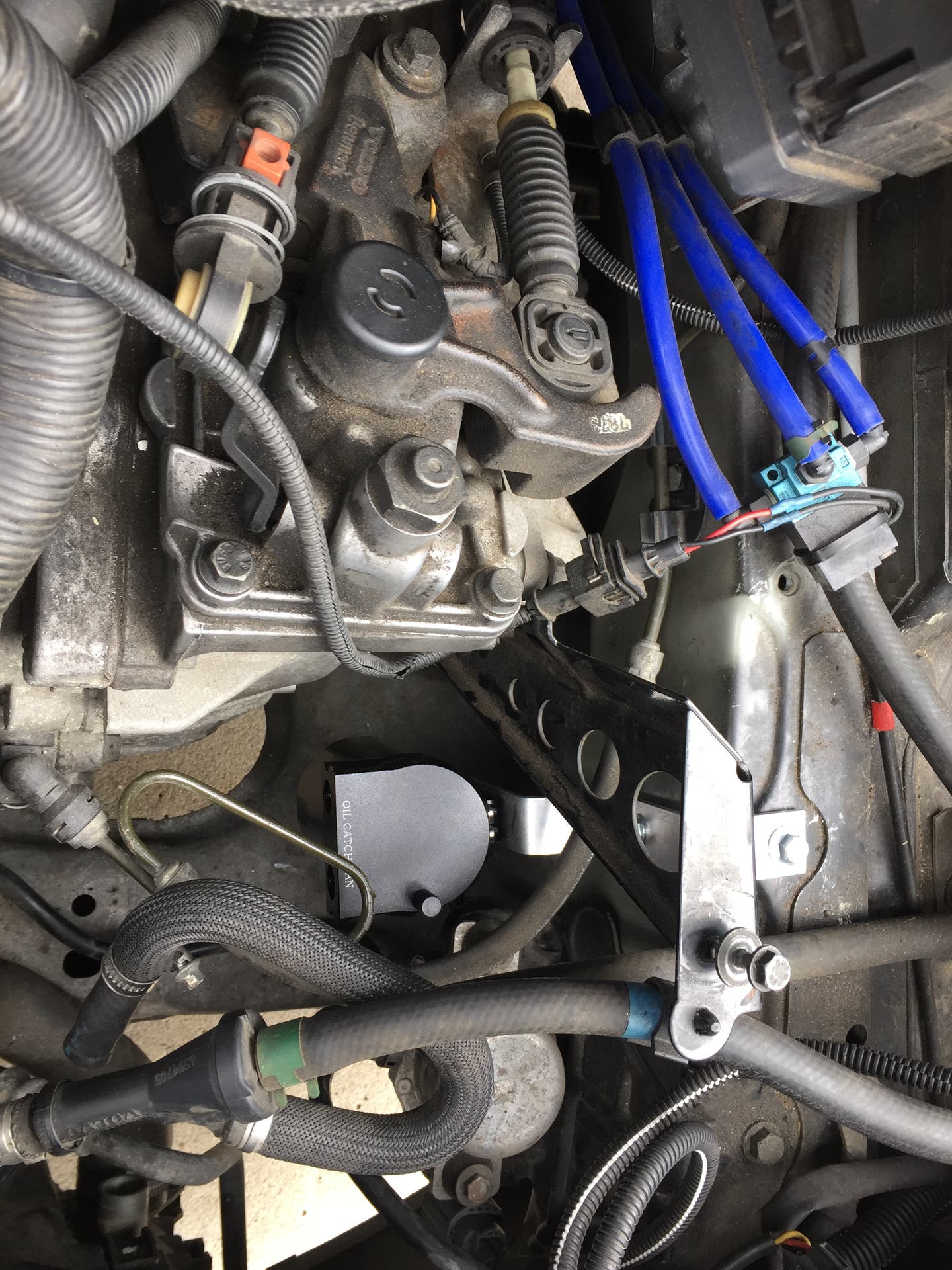
The PCV valve is usually on the valve cover or intake manifold. Find the black plastic or metal valve connected to a hose. It is often easy to spot because it has a small hose attached. Check your vehicle manual if unsure.
Removing The Pcv Valve
Start by disconnecting the hose from the PCV valve carefully. Pull the valve out by twisting gently. Avoid using force that might break the valve or hose. Keep the valve and hose safe for cleaning and reinstallation.
Cleaning The Valve And Components
Use a carburetor cleaner or similar spray to clean the valve. Spray inside the valve to remove oil and dirt buildup. Let it soak for a few minutes. Use a small brush or cloth to clean the hose and valve opening. Ensure all parts are dry before reinstalling.
Reinstalling The Pcv Valve
Place the cleaned valve back in its original spot. Push it in firmly but gently. Reattach the hose securely to avoid leaks. Double-check the connection to ensure it is tight. Start the engine to confirm the system works well.
Tips For Maintaining The Pcv System
Keeping your Volvo’s PCV (Positive Crankcase Ventilation) system clean and well-maintained can prevent costly engine problems and improve your vehicle’s performance. A little regular care goes a long way in ensuring that the PCV system functions properly. Here are practical tips that will help you maintain this important component effectively.
Regular Inspection Schedule
Set a clear inspection schedule to check your PCV system. Aim to inspect it every 12,000 miles or at least once a year, whichever comes first. Frequent checks allow you to catch buildup or damage early before it impacts engine health.
During inspections, look for signs like clogged valves, cracked hoses, or oil leaks around the PCV components. If you notice your engine idling roughly or increased oil consumption, the PCV system might be the culprit. Don’t wait for a warning light; proactive checks save time and money.
Using Quality Replacement Parts
Always choose high-quality replacement parts designed specifically for your Volvo model. Cheap or generic PCV valves and hoses may wear out quickly or fail to fit properly, leading to leaks or poor ventilation.
Investing in OEM (Original Equipment Manufacturer) parts ensures the system operates as intended. I once replaced a PCV valve with a low-cost alternative and faced repeated failures within months—saving money initially cost me more in repairs later.
Remember, your engine depends on each part performing perfectly. Using the right parts not only improves longevity but also maintains your vehicle’s resale value. Would you rather risk engine damage or spend a bit more upfront for peace of mind?
Credit: www.swedespeed.com
When To Seek Professional Help
Knowing when to seek professional help is important for cleaning your Volvo PCV system. Some issues go beyond simple cleaning. Early detection of serious problems can save time and money. Professionals have the tools and skills for complex repairs. They can ensure your engine runs smoothly and safely.
Signs Of Deeper Engine Problems
- Engine warning light stays on after cleaning
- Excessive smoke from the exhaust pipe
- Rough engine idle or frequent stalling
- Oil leaks near the PCV valve or hoses
- Unusual engine noises like knocking or tapping
- Poor fuel economy despite maintenance
These signs suggest issues beyond a clogged PCV system. A professional can diagnose and fix the root cause quickly.
Choosing A Trusted Mechanic
Select a mechanic with experience in Volvo engines. Check reviews and ask for recommendations. Look for certifications and proper tools for PCV system service.
Clear communication is key. A trusted mechanic explains repairs in simple terms. They provide honest advice and fair pricing.
Frequently Asked Questions
What Is The Volvo Pcv System?
The Volvo PCV (Positive Crankcase Ventilation) system reduces emissions by venting gases from the engine’s crankcase. It maintains engine efficiency and prevents sludge buildup. Regular cleaning is essential to ensure optimal performance and longevity of your Volvo engine.
How Often Should You Clean The Pcv System?
You should clean your Volvo PCV system every 30,000 to 60,000 miles. Regular maintenance helps prevent clogs and engine issues. Check your vehicle’s manual for specific recommendations and ensure your engine runs smoothly.
What Are Signs Of A Clogged Pcv System?
Signs of a clogged PCV system include poor engine performance and increased oil consumption. You may also notice oil leaks or a rough idle. If you experience any of these symptoms, consider inspecting and cleaning your PCV system.
Can A Dirty Pcv System Cause Engine Problems?
Yes, a dirty PCV system can cause engine problems. It can lead to increased emissions and reduced performance. Over time, it may cause sludge buildup and damage to engine components. Regular cleaning helps maintain engine health.
Conclusion
Cleaning the Volvo PCV system keeps your engine running smooth. It helps stop rough idling and reduces smoke from the exhaust. Regular cleaning prevents buildup that can cause damage over time. You save money by avoiding costly repairs later. Use the right tools and follow steps carefully for best results.
A clean PCV system means better engine health and longer life. Try to check it every few months for good performance. Simple care makes a big difference in how your car drives.