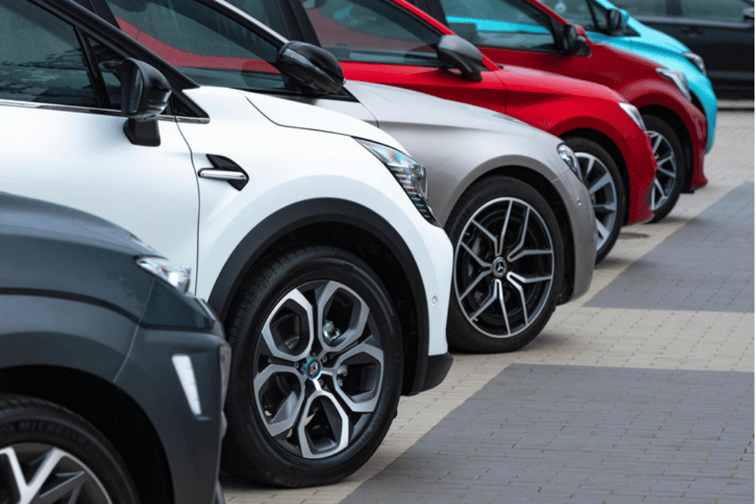
Have you ever wondered if the color of your car could impact your insurance rates? It sounds simple, but the shade you choose might do more than just turn heads.
Understanding how car color affects your insurance could save you money or help you avoid unexpected costs. You’ll discover the surprising truth about car colors and insurance, and learn what really matters when you’re picking your next ride. Keep reading to find out if your favorite color is costing you more than you think.
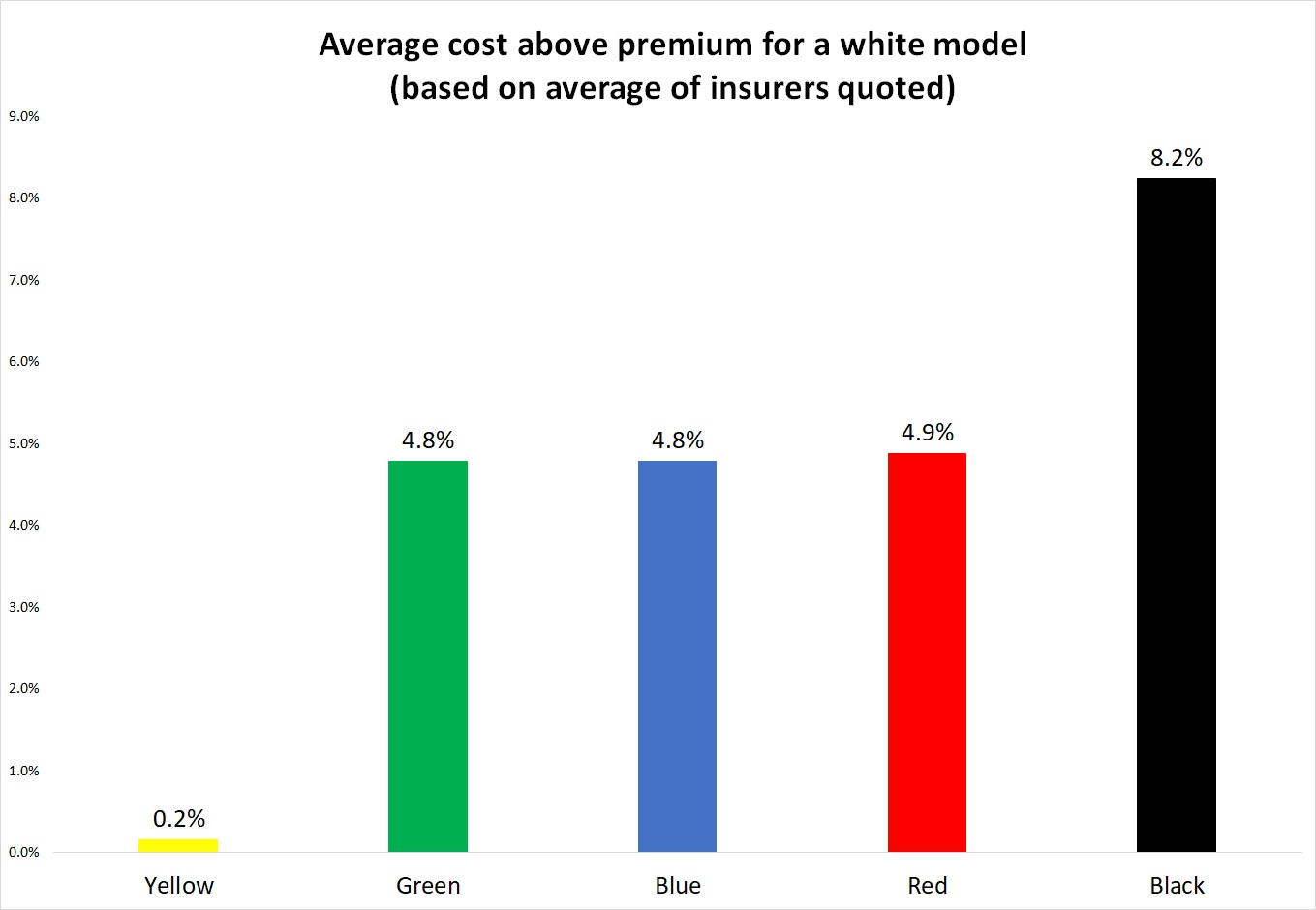
Credit: www.canstar.com.au
Car Color And Insurance Rates
Many people wonder if the color of their car affects how much they pay for insurance. It’s a question that pops up often, especially when choosing a new vehicle. Understanding the relationship between car color and insurance rates can help you make a smarter purchase.
Common Myths About Color Impact
There’s a popular belief that red cars cost more to insure because they attract more tickets or accidents. However, insurance companies don’t set rates based on color alone. Your car’s color is rarely a direct factor in determining your premium.
Another myth is that flashy colors like yellow or orange lead to higher insurance costs. In reality, insurers focus more on the type of car, its safety features, and your driving record. Color might catch the eye, but it doesn’t usually catch the insurer’s attention.
Insurance Companies’ Criteria
Insurance providers look at several key factors to decide your rates:
- Vehicle make and model:Sports cars or luxury vehicles often have higher premiums.
- Safety ratings:Cars with strong safety features usually get lower rates.
- Driver profile:Your age, driving history, and location play a big role.
- Repair costs:Expensive or hard-to-find parts can increase premiums.
Color doesn’t typically appear on this list. If you’ve ever tried to find a red or white car in a parking lot, you know how common these colors are. That commonality means insurers don’t see them as higher risk.
Have you ever considered how your personal driving habits affect your insurance more than your car’s appearance? Focusing on safe driving and choosing a vehicle with good safety features might save you more than picking a specific color.
Factors Influencing Insurance Premiums
Insurance premiums are shaped by various factors that go beyond just your car’s color. Understanding what influences these costs can help you make smarter choices and potentially save money. Let’s take a closer look at some key elements that insurers consider when calculating your premium.
Driver History And Behavior
Your driving record plays a huge role in determining your insurance premium. If you have a history of accidents or traffic violations, insurers see you as a higher risk and charge more. On the other hand, a clean driving record can lead to better rates and discounts.
Think about how often you drive aggressively or follow traffic rules. Your behavior behind the wheel impacts how insurance companies assess your risk level. Have you noticed how your own caution or carelessness could affect your wallet?
Vehicle Type And Model
The kind of car you drive matters a lot. Sports cars or luxury models often come with higher premiums because they are more expensive to repair and more likely to be stolen. Meanwhile, family sedans or economy cars usually cost less to insure.
Some models have advanced safety features that can lower your insurance costs. It’s worth checking if your vehicle qualifies for any discounts based on its safety rating or repair costs. What kind of vehicle do you think strikes the best balance between price and insurance?
Location And Usage Patterns
Where you live can affect your insurance premium significantly. Urban areas with heavy traffic and higher crime rates tend to have higher premiums. In contrast, rural locations often come with lower rates due to less risk of accidents and theft.
How often and how far you drive also matters. Using your car mainly for commuting in busy traffic might increase your premium compared to occasional leisure use. Reflect on your typical driving habits—are there ways to reduce your exposure to risk?
How Color Might Indirectly Affect Costs
Car color itself usually doesn’t directly change your insurance premiums, but it can have an indirect impact on the cost you pay. Certain colors influence how visible your car is on the road, which can affect accident risk. Also, some colors are more attractive to thieves, potentially raising the chance of theft claims.
Visibility And Accident Risk
Cars in bright colors like yellow, white, or orange stand out more in traffic. This visibility can help other drivers notice you sooner, potentially lowering the risk of accidents. On the other hand, darker colors such as black or dark blue might blend into the night or bad weather, increasing the chance of collisions.
Think about your daily drive: have you ever noticed how easily you spot a red or white car in heavy traffic? This small difference in visibility might influence how often you get into minor accidents or fender benders, which insurance companies consider when setting rates.
Theft Rates And Color Popularity
Some car colors are stolen more often than others. Thieves tend to target popular colors like black, white, and silver because they’re easier to sell or harder to track. If your car color is frequently stolen, your insurance company might see you as a higher risk.
Choosing a less common color could reduce the chance of theft-related claims. However, very unusual colors might also make your car stand out, which could attract unwanted attention. Balancing popularity and uniqueness in your car color might help manage insurance risks better.
Expert Opinions And Industry Insights
Understanding if car color influences insurance rates can shape how you choose your next vehicle. Experts and industry insiders offer valuable views that cut through common myths. Their insights help you make informed decisions about your insurance and car purchase.
Statements From Insurance Providers
Most insurance companies say car color does not affect your premium. They explain that rates depend more on factors like your driving record, car model, and location. Some insurers clarify they focus on risk assessments, not aesthetics.
One agent shared how a bright red sports car didn’t automatically mean higher costs for a client. Instead, the client’s clean driving history and safe neighborhood lowered the premium. Would you guess color mattered less than behavior?
- Risk-based pricing:Insurers calculate premiums based on accident and theft statistics.
- Color myths:Many insurers admit red cars are not more expensive to insure.
- Focus areas:Vehicle age, safety features, and usage impact rates more.
Research Studies And Findings
Academic and industry studies support insurers’ claims. Research shows no direct link between car color and insurance cost. Instead, factors like vehicle type and driver habits hold greater weight.
One study analyzed thousands of insurance claims across various colors. The results revealed no significant difference in claim frequency or cost due to color. This challenges the popular idea that flashy colors attract higher premiums.
Have you ever wondered why red cars get a reputation for expensive insurance? The data suggests it’s more about the style and performance of the car itself, not the paint job. What if your next car choice could be based on personal taste rather than insurance worries?
Tips For Choosing Car Color Wisely
Choosing a car color affects more than just its looks. It influences insurance costs and resale value too. Picking the right color takes thought about style and practicality. Here are key tips to guide smart choices.
Balancing Aesthetics And Practicality
Car color should match your personality and daily use. Bright colors like red or yellow stand out and may attract attention. Dark colors hide dirt but show scratches more easily. Neutral tones like white, gray, or silver often keep a car looking clean and safe. These colors may also lower insurance premiums by reducing accident risk. Think about where you park and drive most. Choose a color that fits your lifestyle and keeps maintenance simple.
Considering Resale Value
Some colors sell better than others. Neutral shades usually appeal to more buyers. They keep the car’s value stable over time. Rare or very bold colors might limit the pool of interested buyers. Check popular colors in your area before deciding. A good resale color helps you recover more money later. Remember, a smart color choice balances your taste and future sale potential.

Credit: www.youtube.com
Credit: www.canstar.com.au
Frequently Asked Questions
Does Car Color Impact Insurance Rates?
Car color does not directly impact insurance rates. Insurers focus on factors like vehicle make, model, and driver history. While color can influence resale value or theft likelihood, it doesn’t affect premiums. It’s a common myth that red cars cost more to insure.
Are Red Cars More Expensive To Insure?
Red cars are not more expensive to insure. Insurance companies do not use color as a factor for determining premiums. They consider other factors such as the car’s make, model, and safety features. The belief that red cars carry higher insurance costs is a misconception.
Why Do People Think Color Affects Insurance?
People often think color affects insurance due to common myths and misconceptions. Many believe red cars are more accident-prone or targeted by thieves. However, insurance companies focus on vehicle type, driver history, and location instead. Car color is not a determining factor in premium calculations.
Do Insurance Companies Ask For Car Color?
Insurance companies do not typically ask for car color when determining rates. They prioritize factors like vehicle make, model, and safety features. Color is irrelevant to risk assessment. Policyholders should focus on maintaining a good driving record and choosing a safe vehicle to lower premiums.
Conclusion
Car color does not directly change your insurance cost. Insurers focus more on your driving record and car model. Choosing a bright color won’t make your rates higher. Safe driving habits matter much more than paint shade. Still, some colors might show damage easier, affecting repairs.
Always compare quotes from different insurers before deciding. Your best bet is to keep a clean driving history. That’s what really helps lower your insurance premiums.