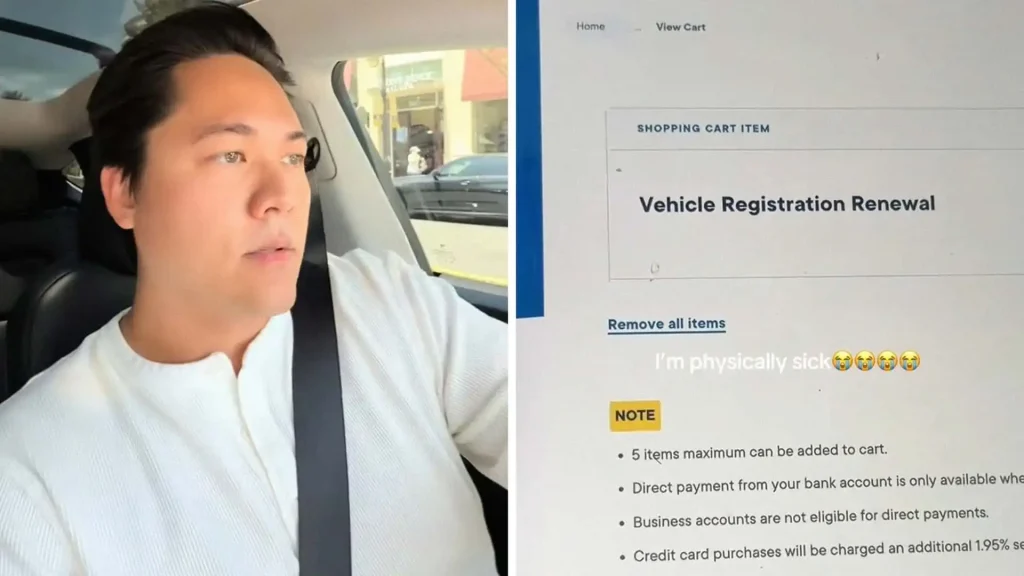
Have you ever wondered why registering your Tesla feels so much more expensive compared to other cars? You’re not alone.
Many Tesla owners are surprised when they see the registration fees, and it can leave you asking, “What’s behind these high costs? ” If you want to understand the real reasons and what factors affect your Tesla registration, keep reading.
By the end, you’ll have clear answers that can help you make smarter decisions about your electric vehicle.

Credit: www.reddit.com
Tesla Registration Costs
Registering a Tesla often surprises new owners with its higher-than-expected costs. These fees go beyond the typical car registration expenses you might be used to. Understanding what makes Tesla registration so expensive can help you plan better and avoid unexpected bills.
Breakdown Of Fees
Several factors contribute to Tesla’s registration costs. First, the base registration fee itself tends to be higher for electric vehicles in many states.
States often add special fees for electric cars to make up for lost gas tax revenue, which funds road maintenance. These EV fees can range from $100 to $300 annually, depending on where you live.
In addition to the standard registration fee and EV-specific charges, you might face other costs such as:
- Title fees
- Local county or city taxes
- Inspection or emissions fees (though emissions are usually exempt for EVs)
- Luxury or weight-based vehicle fees
For example, in California, registering a Tesla Model 3 can include a base fee of around $60, an EV fee of $100, and additional local fees that can push the total to over $300 annually.
Comparison With Other Vehicles
How does Tesla registration stack up against other cars? Gasoline-powered vehicles generally have lower registration fees because they pay gas taxes at the pump.
Typical sedans or compact cars might only cost $100 to $150 per year to register, depending on the state. In contrast, Teslas and other EVs often face extra fees that double or even triple that amount.
Luxury gas cars, like a BMW or Mercedes, may have higher registration fees due to their weight or value, but they usually don’t face the additional EV-specific charges.
Are these extra costs a fair trade-off for driving a zero-emission vehicle? Many Tesla owners weigh the higher registration fees against savings on fuel and maintenance. What’s your take on paying more upfront for long-term benefits?

Credit: www.reddit.com
State-specific Charges
State-specific charges play a major role in why Tesla registration costs can be surprisingly high. Each state sets its own rules and fees, which means what you pay depends heavily on where you live. Understanding these variations can help you anticipate expenses and avoid surprises when registering your Tesla.
High-fee States
Some states charge significantly more for Tesla registrations due to various reasons like higher vehicle taxes, additional electric vehicle fees, or special surcharges. California, for example, adds extra fees on electric vehicles to fund road maintenance, since EV owners don’t pay gas taxes. This can add hundreds of dollars to your registration bill annually.
Other states like Washington and New Jersey impose steep fees based on the vehicle’s value or weight. These charges can quickly add up, especially for luxury electric cars like Tesla models. Have you checked if your state charges a separate EV fee or luxury vehicle tax? It’s a crucial step before budgeting for registration.
States With Lower Registration Costs
On the flip side, several states offer more affordable registration rates for Teslas. States like Oregon and Texas tend to have lower registration fees and fewer additional EV taxes. Some even provide incentives or rebates that can offset registration expenses.
If you live in or are moving to one of these states, your Tesla registration might be much less painful financially. It’s worth researching specific fees and incentives in your state’s DMV or transportation department website. This knowledge can help you plan better and save money.
Factors Driving Up Tesla Fees
Understanding why Tesla registration fees are higher than average requires looking closely at several key factors. These fees aren’t just about the car’s price tag; they reflect specific policies and charges aimed at electric vehicles, vehicle weight, and luxury status. Knowing what drives these costs can help you anticipate expenses and make smarter choices.
Electric Vehicle Surcharges
Many states add extra fees specifically for electric vehicles like Teslas. These surcharges help make up for the lost gas tax revenue since EVs don’t use gasoline.
For instance, some states charge a flat annual fee or a higher registration rate for EVs. You might wonder if this discourages people from choosing clean energy cars. However, these fees fund road maintenance, which everyone benefits from, regardless of fuel type.
Weight And Vehicle Classification
Teslas tend to be heavier than many traditional cars because of their large batteries. Registration fees often increase with vehicle weight, as heavier vehicles cause more wear and tear on roads.
Your Tesla might be classified differently because of this weight, pushing it into a higher fee bracket. This means your registration bill can be more than a lighter electric or gas-powered vehicle.
Luxury Vehicle Taxes
Being a luxury brand, Tesla models sometimes fall under special luxury vehicle tax categories. These taxes target higher-end cars and add to registration fees.
Think about it this way: if you own a luxury Tesla model, you’re paying not just for the car’s eco-friendly benefits but also for its status and premium features. This can feel frustrating, but it reflects how states balance revenue with vehicle types.
Credit: caronphone.com
Impact Of Incentives And Rebates
The impact of incentives and rebates on Tesla registration fees is more complex than it appears. While these financial perks can lower your upfront purchase cost, they might also affect how much you pay to register your vehicle. Understanding this relationship can help you make smarter decisions about your Tesla purchase and ongoing expenses.
Federal Tax Credits
Federal tax credits can reduce the amount you owe on your taxes after buying a Tesla. However, these credits don’t directly lower your registration fee. Since registration fees often depend on the car’s value, a reduced purchase price due to tax credits doesn’t always mean a lower registration cost.
Interestingly, once Tesla hits certain sales milestones, these federal tax credits phase out. When that happens, new Tesla buyers lose this benefit, and the full vehicle price is used to calculate registration fees. Have you considered how this change might affect your budget over time?
State Incentives Affecting Registration
Many states offer their own incentives, including rebates, discounts, or reduced registration fees for electric vehicles like Teslas. Some states even waive certain registration fees entirely to encourage electric car adoption.
However, the specifics vary widely. For example:
- Californiaoffers a Clean Vehicle Rebate Program that lowers the effective price but may not reduce registration fees significantly.
- New Yorkprovides exemptions on certain registration taxes, which can cut your annual costs.
- Washingtoncharges an additional annual fee on electric vehicles to offset lost gas tax revenue.
It’s worth checking your state’s policies carefully. Are you aware of all the incentives you qualify for and how they impact your registration costs?
Tesla Ownership Costs Beyond Registration
Owning a Tesla involves more than just paying for registration. The total cost includes other important expenses that affect your budget over time. Understanding these costs helps you plan better for ownership.
Insurance Premiums
Insurance for Tesla cars tends to be higher than average. The advanced technology and repair costs increase the risk for insurers. Tesla parts and specialized repairs make insurance claims expensive.
Premiums vary by model, driving history, and location. Expect to pay more than for typical gasoline cars. Shopping around for quotes can help find better rates. Some insurers offer discounts for electric vehicles, which may reduce costs.
Maintenance And Repairs
Tesla vehicles require less regular maintenance than traditional cars. No oil changes or fuel system repairs needed. Still, some parts and repairs are costly.
Battery maintenance and software updates are key expenses. Repairs often need Tesla-certified technicians. This limits repair options and can raise prices. Unexpected damage, like to sensors or cameras, also adds to repair bills.
Future Trends In Tesla Registration Fees
Tesla registration fees may change as the electric car market grows. Governments and markets shape these fees. Watching trends helps buyers understand future costs. Below are key factors that influence Tesla registration fees in the future.
Policy Changes
Governments adjust policies to meet climate goals. Some states offer incentives for electric cars, lowering fees. Others add fees to balance road maintenance costs.
New laws may introduce extra taxes on electric vehicles. These policies aim to fund public services fairly. Registration fees could rise or fall based on these rules.
Market Influence On Fees
Electric car popularity affects registration costs. More Teslas on the road can lead to higher fees. This helps cover infrastructure and maintenance expenses.
Supply and demand also play a role. If Tesla models become more common, fees might increase. Conversely, competition among states may lower fees to attract buyers.
Frequently Asked Questions
Why Is Tesla Registration Costlier Than Other Cars?
Tesla registration can be more expensive due to higher vehicle values and advanced technology. Additionally, some states impose higher fees on electric vehicles to compensate for lost fuel tax revenue. These factors contribute to the increased registration costs for Tesla vehicles compared to traditional gas-powered cars.
Do Electric Cars Have Higher Registration Fees?
Yes, electric cars, including Teslas, often have higher registration fees. Many states charge additional fees on electric vehicles to offset decreased fuel tax revenue. These fees can increase the overall registration cost, making it more expensive than registering a traditional gas-powered vehicle.
What Factors Influence Tesla Registration Costs?
Tesla registration costs are influenced by several factors. The vehicle’s value, state-specific fees, and additional charges for electric vehicles impact the overall cost. These factors combined often make Tesla registration more expensive compared to conventional cars.
Are Tesla Registration Fees The Same Everywhere?
No, Tesla registration fees vary by location. Each state has different registration policies and fee structures. Some states impose higher charges on electric vehicles, impacting the total cost. It’s important to check local regulations for accurate information on Tesla registration fees.
Conclusion
Tesla registration costs more due to taxes and fees. The car’s high value raises registration charges. State rules also affect the total price. Electric vehicle incentives can sometimes lower costs. Knowing these reasons helps prepare for expenses. Think of registration as part of owning a Tesla.
Planning ahead avoids surprises at the DMV. Overall, expensive registration reflects Tesla’s unique status. Keep this in mind when buying a Tesla.