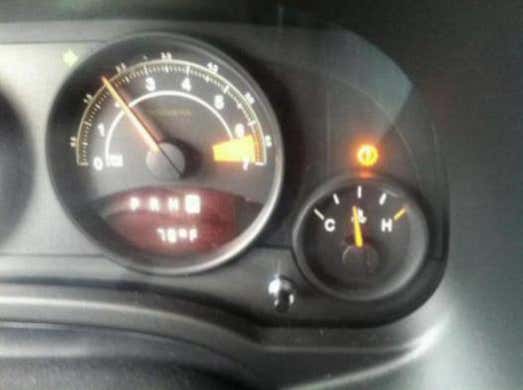
Is your Jeep’s transmission overheating and leaving you worried about costly repairs? You’re not alone, and the good news is that you can fix this problem before it gets worse.
Understanding why your transmission is running too hot is the first step to protecting your vehicle and saving money. In this guide, you’ll discover simple, effective ways to cool down your Jeep’s transmission and keep it running smoothly. Keep reading—you’ll find easy tips that anyone can follow to avoid breakdowns and enjoy worry-free driving.
Credit: www.jeepcommander.com
Signs Of Transmission Overheating
Transmission overheating can cause serious damage to your Jeep. It rarely happens without warning. Recognizing early signs helps prevent costly repairs. Pay close attention to your vehicle’s behavior. Notice any unusual signals or changes during driving.
Warning Lights And Messages
Your Jeep will alert you if the transmission overheats. The dashboard may show a transmission temperature light. It looks like a thermometer or a warning triangle. Messages like “Transmission Over Temp” can appear on the screen. These warnings need immediate attention. Ignoring them risks severe damage.
Unusual Noises And Smells
Overheated transmissions often produce strange sounds. Listen for whining, clunking, or grinding noises while driving. These sounds indicate stress in transmission parts. You may also smell a burning odor. It comes from overheated transmission fluid. This smell signals that the fluid is breaking down and losing effectiveness.
Performance Issues
Your Jeep might shift gears roughly or slip out of gear. Delayed or harsh shifting can signal overheating. The vehicle may also feel less powerful. Transmission slipping causes poor acceleration and jerky movements. These performance drops warn you to check the transmission immediately.
Common Causes Of Transmission Over Temp
Transmission overheating in your Jeep can be frustrating and even dangerous if ignored. Understanding what commonly causes the transmission to run hot is key to preventing damage and costly repairs. Let’s look at the typical reasons behind transmission over temp and what you might want to check first.
Low Transmission Fluid
Transmission fluid cools and lubricates the moving parts inside the transmission. If your fluid level is low, your transmission overheats because it can’t cool down properly. Have you checked your fluid lately? It’s easy to overlook, but a quick dipstick check can save you a lot of trouble.
Dirty or old transmission fluid can also lose its cooling power. If the fluid looks dark or smells burnt, it’s time for a change. Keeping the fluid clean and topped up helps keep your Jeep’s transmission running smoothly.
Faulty Cooling System
Your Jeep’s transmission relies on the cooling system to keep temperatures in check. If the transmission cooler or radiator is clogged or leaking, heat builds up quickly. Imagine driving through stop-and-go traffic with a blocked cooler—heat spikes become inevitable.
Have you noticed any leaks or damage near your radiator or cooler lines? Even minor issues can lead to serious overheating over time. Regularly inspect these parts and replace any worn components to avoid overheating problems.
Heavy Towing And Driving Conditions
Towing a trailer or carrying heavy loads puts extra stress on your transmission. The added weight makes the transmission work harder, generating more heat. If you often tow or drive in hilly terrain, your transmission temperature can rise faster than normal.
Think about your recent driving habits—have you been hauling heavy gear or off-roading? If yes, consider installing an auxiliary transmission cooler. It’s a practical upgrade that keeps temperatures down under tough conditions.
Immediate Steps To Take
Dealing with a transmission over temp warning in your Jeep needs quick action. Ignoring it can cause serious damage. Taking immediate steps helps protect your vehicle and avoid costly repairs.
Stop Driving Safely
Pull over to a safe spot right away. Turn off the engine to stop heat buildup. Avoid sudden moves or harsh braking. Staying calm and steady reduces stress on the transmission.
Check Transmission Fluid Level
Open the hood once the engine cools down. Locate the transmission fluid dipstick. Wipe it clean, reinsert, and then pull it out again. Check the fluid level and color. Low or dark fluid can cause overheating.
Allow Transmission To Cool
Keep the Jeep parked with the engine off for at least 30 minutes. This time lets the transmission cool naturally. Avoid restarting the vehicle until the temperature drops. Using a fan or shade helps speed cooling.
Credit: www.jeepcherokeeclub.com
Fixing Transmission Fluid Problems
Fixing transmission fluid problems is essential when your Jeep’s transmission runs hotter than it should. Transmission fluid not only lubricates moving parts but also helps cool the system. If the fluid is degraded or low, your transmission temperature can rise quickly, causing serious damage.
How To Check Fluid Quality
Start by locating the transmission dipstick, usually near the engine bay. Check the fluid level when the engine is warm and running, as this gives the most accurate reading.
Look at the fluid’s color and smell. Healthy transmission fluid is bright red and has a slightly sweet smell. If it’s dark brown or smells burnt, it’s time for a change.
Feel the texture as well; gritty or sticky fluid indicates contamination. Have you ever noticed a strange smell or color when you last checked your Jeep’s transmission fluid? This simple check can save you from costly repairs.
Flushing And Replacing Fluid
Flushing removes old, dirty fluid and replaces it with fresh fluid. This helps clear out contaminants that cause overheating.
You can either flush the system using a machine at a shop or do a fluid drain and refill yourself. Draining and refilling multiple times can also help remove old fluid without expensive equipment.
Make sure to replace the transmission filter if your Jeep has one. A clogged filter restricts fluid flow, increasing temperature. How long has it been since your last fluid change? Regular maintenance keeps your transmission cool and healthy.
Choosing The Right Transmission Fluid
Using the correct fluid is critical for your Jeep’s transmission performance. Check your owner’s manual for the recommended fluid type and specifications.
Some fluids are designed for specific transmission models or climates. Using the wrong fluid can lead to poor lubrication and overheating.
If you’re unsure, consult a trusted mechanic or Jeep forum for advice tailored to your model. Choosing the right fluid can be the difference between smooth shifting and costly repairs.
Inspecting And Repairing The Cooling System
Fixing a transmission over temp issue in your Jeep often means checking the cooling system. The cooling system helps keep the transmission fluid at the right temperature. A problem in this system can cause the transmission to overheat and fail. Careful inspection and repair can prevent serious damage and save money.
Radiator And Cooler Lines
The radiator cools the transmission fluid by passing it through cooler lines. These lines connect the transmission to the radiator. Check the cooler lines for cracks, leaks, or blockages. Replace any damaged lines to ensure proper fluid flow. Clean the radiator fins to improve cooling efficiency.
Transmission Cooler Functionality
The transmission cooler removes heat from the transmission fluid. Make sure it is not clogged or leaking. Flush the cooler to clear any debris inside. If the cooler is damaged, replace it to restore proper cooling. A working cooler keeps the transmission fluid cool and protects the transmission.
Thermostat And Fan Operation
The thermostat controls fluid temperature by regulating flow. Test the thermostat to see if it opens and closes correctly. The cooling fan helps move air through the radiator. Check the fan for damage and ensure it turns on at the right temperature. Replace faulty fans or thermostats to keep the system working well.
Credit: www.4xeforums.com
Preventive Measures For Transmission Health
Keeping your Jeep’s transmission cool and healthy saves you from costly repairs. Preventive care helps avoid transmission overheating and extends its life. Simple steps protect the transmission from damage caused by heat and strain. Follow these tips to maintain smooth shifting and reliable performance.
Regular Maintenance Schedule
Stick to the manufacturer’s maintenance schedule for your Jeep. Change transmission fluid at recommended intervals. Fresh fluid cools and lubricates moving parts better. Check fluid levels often to spot leaks early. Replace the transmission filter to keep contaminants out. Clean fluid and filters reduce wear and overheating risks.
Avoiding Overloading And Excessive Idling
Don’t overload your Jeep beyond its towing or payload limits. Extra weight makes the transmission work harder and heat up faster. Avoid long periods of idling, especially in hot weather. Idling keeps the engine running but reduces fluid flow in the transmission. This causes the fluid temperature to rise and can lead to overheating.
Upgrading Cooling Components
Upgrade your Jeep’s transmission cooler if you drive in tough conditions. A larger or auxiliary cooler helps remove heat more efficiently. Install a high-quality transmission cooler fan to improve airflow. Better cooling parts lower the transmission temperature and prevent overheating. This upgrade is useful for towing, off-roading, or hot climates.
When To Seek Professional Help
Knowing when to seek professional help for your Jeep’s transmission overheating can save you time, money, and a lot of frustration. While some issues can be fixed with basic checks and maintenance, others require specialized knowledge and tools. Ignoring warning signs or attempting complex repairs without expertise might worsen the problem.
Persistent Overheating Issues
If your transmission continues to overheat despite your efforts to cool it down, it’s a clear sign to consult a professional. Persistent overheating can damage internal components, leading to costly repairs.
Think about how often you notice the temperature gauge rising. Does it happen every time you drive or only under certain conditions? If the issue repeats, it’s time to get expert advice.
Diagnostic Tools And Scans
Professional mechanics use advanced diagnostic tools to identify the root cause of transmission overheating. These tools can scan for error codes, monitor fluid temperature, and check the transmission’s electronic control systems.
Without these scans, you might miss hidden problems like sensor failures or electronic malfunctions. Have you ever wondered why your transmission warning light turns on even after you fix the fluid level?
Cost Of Repairs And Replacement
Understanding the cost implications helps you decide when to bring in a professional. Minor fixes like fluid changes are affordable, but severe damage may require transmission rebuild or replacement, which is expensive.
Getting a professional diagnosis early can prevent small issues from escalating. Consider how much you’re willing to invest to keep your Jeep running smoothly versus risking total transmission failure.
Frequently Asked Questions
What Causes Jeep Transmission To Overheat?
Jeep transmission overheating can be caused by low fluid levels, heavy towing, or clogged filters. Regular maintenance, including checking fluid levels and changing filters, can prevent overheating. If you frequently tow heavy loads, consider installing an additional transmission cooler to help regulate temperatures and reduce the risk of overheating.
How Do I Know If My Jeep Transmission Is Overheating?
Signs of an overheating transmission include warning lights, a burning smell, or sluggish performance. You might also notice unusual noises from the transmission. Regularly monitoring your vehicle’s transmission temperature gauge can help catch overheating early, preventing potential damage and costly repairs.
Can I Drive With Transmission Over Temp Warning?
Driving with a transmission over temp warning is not advisable. It can lead to severe damage. Pull over safely and let the engine cool down. Check the transmission fluid level and condition. If the warning persists, consult a professional mechanic for a thorough inspection and appropriate repairs.
How To Prevent Jeep Transmission From Overheating?
To prevent transmission overheating, regularly check fluid levels and change fluids as recommended. Ensure proper cooling system function and avoid overloading your Jeep. Install an additional transmission cooler if towing heavy loads. Regular maintenance and inspections can help keep your Jeep’s transmission running smoothly.
Conclusion
Fixing a transmission over temp in your Jeep takes care and patience. Check the fluid level first; it often solves the issue. Clean or replace the transmission cooler if needed. Drive gently to avoid extra heat buildup. Watch the temperature gauge closely after repairs.
Regular maintenance prevents future problems. Simple steps keep your Jeep running smoothly and safely. Stay alert and act quickly if the warning returns. Your Jeep will thank you with better performance and longer life.