Choosing the right antifreeze for your Ford F150 is more important than you might think. Using the wrong color or type can lead to costly engine damage and poor performance.
You want to protect your truck and keep it running smoothly, right? You’ll discover exactly what color antifreeze your Ford F150 needs and why it matters. By the end, you’ll feel confident making the best choice for your vehicle’s health.
Keep reading to avoid common mistakes and ensure your engine stays cool and strong.
Antifreeze Basics
Understanding antifreeze is key to keeping your Ford F150 running smoothly. Antifreeze plays a vital role in protecting your engine from extreme temperatures. It prevents the engine from freezing in winter and overheating in summer. Knowing the basics helps you choose the right type and color for your truck.
Purpose Of Antifreeze
Antifreeze cools the engine and stops it from freezing. It circulates through the engine and radiator, carrying heat away. This keeps the engine at a safe temperature during all weather conditions. Antifreeze also protects metal parts from rust and corrosion. It extends the life of the cooling system.
Types Of Antifreeze
There are several types of antifreeze, each with different colors and chemical formulas. The most common types are:
- Inorganic Additive Technology (IAT) – usually green, used in older vehicles.
- Organic Acid Technology (OAT) – often orange or red, lasts longer and is common in newer models.
- Hybrid Organic Acid Technology (HOAT) – typically yellow or turquoise, combines features of IAT and OAT.
Using the correct type ensures proper engine protection and performance.

Credit: www.amazon.ca
Common Antifreeze Colors
Antifreeze comes in different colors to help identify its type and function. These colors indicate the kind of chemicals inside the coolant. Choosing the right antifreeze color is important for your Ford F150’s engine health. Using the wrong type can cause damage or reduce performance.
Understanding common antifreeze colors helps in selecting the right product. Each color serves a specific purpose and is designed for different engine types and cooling system needs.
Green Antifreeze
Green antifreeze is the traditional type used in many vehicles. It contains inorganic additives that protect against rust and corrosion. This antifreeze is usually based on ethylene glycol. It works well for older engines and lasts about two years or 30,000 miles.
Orange Antifreeze
Orange antifreeze is a newer type designed for extended use. It uses organic acid technology (OAT) to protect the cooling system. This type is common in newer Ford trucks, including the F150. Orange antifreeze can last up to five years or 150,000 miles.
Yellow Antifreeze
Yellow antifreeze is often a hybrid type combining organic and inorganic additives. It offers good protection against corrosion and is suitable for mixed vehicle fleets. This coolant usually lasts longer than green but shorter than orange antifreeze.
Pink And Red Antifreeze
Pink and red antifreeze types use organic acid technology like orange coolant. They often contain additional corrosion inhibitors. These colors are common in Asian and European cars but may also fit some Ford models. Pink or red antifreeze generally lasts for about five years.
Recommended Antifreeze For Ford F150
Choosing the right antifreeze for your Ford F150 is crucial to keep your engine running smoothly and prevent overheating or freezing. Using the correct coolant type not only protects your engine but also extends the life of your vehicle’s cooling system. Let’s take a closer look at the recommended antifreeze options that fit your Ford F150 perfectly.
Factory Specifications
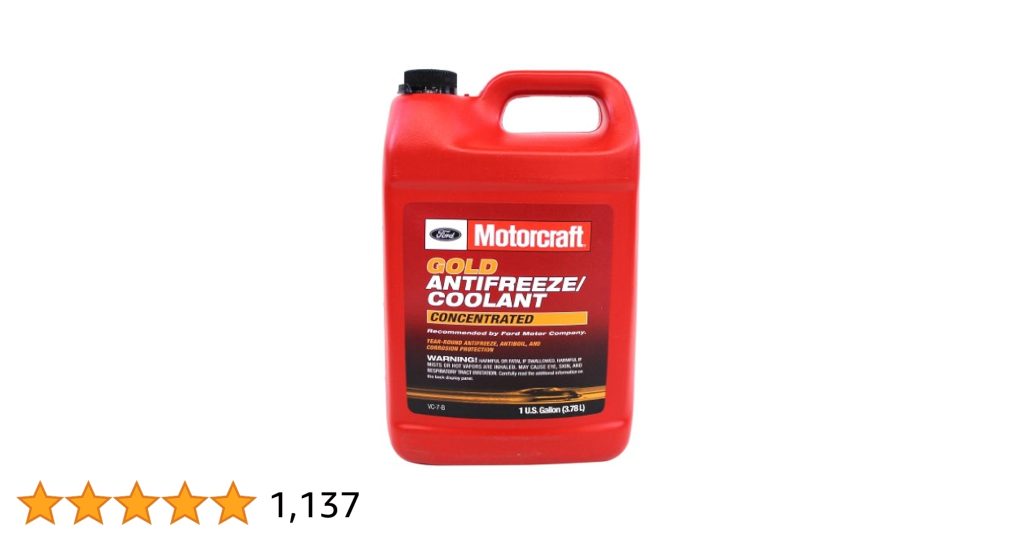
Ford specifies a particular type of antifreeze to match the materials and design of the F150’s engine. The original factory coolant is typically a Motorcraft orange or yellow antifreeze, formulated to provide optimal corrosion protection and heat transfer. Using factory-approved antifreeze helps avoid issues like gasket leaks and radiator damage.
Have you ever wondered why mixing different antifreeze colors sometimes causes problems? That’s often because factory specs require specific chemical compositions, and mixing can reduce effectiveness. Sticking with Ford’s recommendations ensures compatibility and peak performance.
Compatible Antifreeze Types
If you can’t find the exact Motorcraft antifreeze, there are other compatible options. Look for extended-life antifreeze with the same chemical base—usually ethylene glycol with organic acid technology (OAT). These coolants often come in orange, yellow, or sometimes red, but always check the label for Ford compatibility.
- Motorcraft Orange Antifreeze/Coolant (Ford’s original)
- Prestone Extended Life Antifreeze (compatible with Ford vehicles)
- PEAK Long Life Antifreeze (meets Ford specifications)
Always avoid mixing traditional green antifreeze with OAT types, as it can cause sludge buildup. Have you checked your current antifreeze’s label lately? Confirming the type before topping off can save you from costly repairs down the road.

Credit: www.ebay.ca
Mixing Antifreeze Colors
Mixing antifreeze colors in your Ford F150 can cause confusion. Different colors often mean different chemical formulas. These formulas affect how the antifreeze protects your engine. Understanding the risks and when mixing is safe helps maintain your truck’s performance.
Risks Of Mixing Different Types
Mixing antifreeze colors can cause chemical reactions. These reactions may reduce the cooling system’s effectiveness. It can lead to corrosion inside the engine. Some mixtures form gels or sludge that block coolant flow. This blockage can cause overheating and engine damage. Mixing also voids many vehicle warranties. The best practice is to avoid combining different antifreeze types.
When Mixing Is Acceptable
Mixing is sometimes safe if the antifreeze types are compatible. Most modern antifreeze labels state if they are compatible with other types. Mixing small amounts during a top-up usually does not cause harm. Use the same color and brand whenever possible. Always check your Ford F150 owner’s manual for the recommended antifreeze type. If unsure, flush the cooling system before switching antifreeze types.
How To Check And Replace Antifreeze
Checking and replacing antifreeze in your Ford F150 keeps the engine cool and prevents damage. Regular maintenance ensures your truck runs smoothly. Understanding how to check coolant levels and perform a flush and refill is essential. These tasks protect your engine from overheating and corrosion.
Checking Coolant Levels
Locate the coolant reservoir under the hood. It is usually a translucent plastic tank with markings. Check the level against the “Full” and “Low” lines. Ensure the engine is cool before opening the cap. If the coolant is below the “Low” mark, add the correct antifreeze. Use a mixture recommended by Ford, often a 50/50 blend of antifreeze and water.
Flushing And Refilling Process
Begin by allowing the engine to cool completely. Place a drain pan under the radiator drain valve. Open the valve and drain the old coolant. Close the valve once draining is complete. Fill the radiator with a 50/50 mixture of antifreeze and distilled water.
Start the engine and let it run with the heater on high. Watch for air bubbles and check the coolant level. Add more coolant if needed to keep the level stable. Proper flushing removes old coolant and debris. This process keeps the cooling system clean and efficient.
Signs Of Antifreeze Problems
Antifreeze is vital for your Ford F150’s engine health. It stops the engine from freezing in cold weather and overheating in hot weather. Detecting antifreeze problems early can save costly repairs. Knowing the signs helps keep your truck running smoothly.
Overheating Issues
Engine overheating is a clear sign of antifreeze problems. Without enough antifreeze, the engine temperature rises quickly. You might notice the temperature gauge moving into the red zone. Steam or smoke coming from the hood signals trouble. Overheating can cause severe engine damage fast.
Leaks And Discoloration
Leaks around the radiator or under the truck may indicate antifreeze loss. Antifreeze usually has bright colors like green, orange, or yellow. Look for puddles or stains with these colors. Discolored or rusty coolant inside the reservoir shows contamination. Cloudy or thick antifreeze can clog the cooling system.
Maintaining Your Ford F150 Cooling System
Keeping your Ford F150’s cooling system in top shape is key to avoiding unexpected breakdowns and costly repairs. Your truck’s engine depends on an efficient cooling system to stay at the right temperature, especially during long drives or heavy towing. Regular care helps you catch small issues before they turn into big problems.
Regular Inspection Tips
Start by checking the coolant level regularly. Low coolant can lead to overheating, which damages your engine quickly. Look for any leaks around hoses, the radiator, and the water pump. Even a small drip can signal a bigger issue.
Inspect the coolant’s color and clarity too. If you notice it’s rusty or cloudy, it’s time to flush the system. Clean coolant helps your engine run cooler and extends the life of cooling system parts.
Don’t forget to examine the radiator cap. A faulty cap can cause pressure loss, reducing cooling efficiency. You might not think about it, but this small part plays a big role in your truck’s performance.
Choosing Quality Coolants
Your Ford F150 requires the right type of antifreeze to protect the engine from freezing and overheating. Ford typically recommends a specific color and type of coolant, often a yellow or orange “Motorcraft” antifreeze. Using the correct formula ensures compatibility with your truck’s materials and prevents corrosion.
Mixing different coolant colors can cause chemical reactions that reduce effectiveness. Sticking to one high-quality brand designed for Ford trucks is safer and more reliable. Have you checked your owner’s manual lately? It provides exact coolant specs you should follow.
Buying from a trusted source also matters. Cheap or off-brand coolants might save money upfront but can cause blockages or damage over time. Investing in quality coolant keeps your engine cooler and your Ford F150 running smoother for thousands of miles.

Credit: www.amazon.sa
Frequently Asked Questions
What Color Is Ford F150 Antifreeze?
Ford F150 typically uses yellow or orange antifreeze. It’s essential to check your owner’s manual for the specific type. Using the correct antifreeze color ensures optimal performance and protection. Always use the recommended coolant type to prevent engine damage and overheating.
Can I Mix Different Antifreeze Colors In My F150?
Mixing different antifreeze colors is not recommended for Ford F150. Mixing can lead to chemical reactions that reduce effectiveness. It may also cause sludge buildup and engine damage. Always stick to the recommended antifreeze color for your vehicle.
How Often Should I Change My Ford F150 Antifreeze?
It’s advisable to change your Ford F150 antifreeze every 30,000 miles. Regular maintenance ensures engine efficiency and longevity. Refer to your owner’s manual for specific intervals. Timely antifreeze replacement prevents corrosion and overheating issues.
What Happens If I Use The Wrong Antifreeze?
Using the wrong antifreeze can lead to engine damage in your Ford F150. It may cause corrosion, overheating, and coolant leaks. Always use the recommended antifreeze to ensure optimal engine performance and protection.
Conclusion
Choosing the right antifreeze color keeps your Ford F150’s engine safe. Use the color recommended in your owner’s manual. Mixing different antifreeze types can cause damage. Regularly check coolant levels to avoid overheating. Proper care helps your truck run smoothly longer.
Stay informed and protect your investment. Simple steps make a big difference.