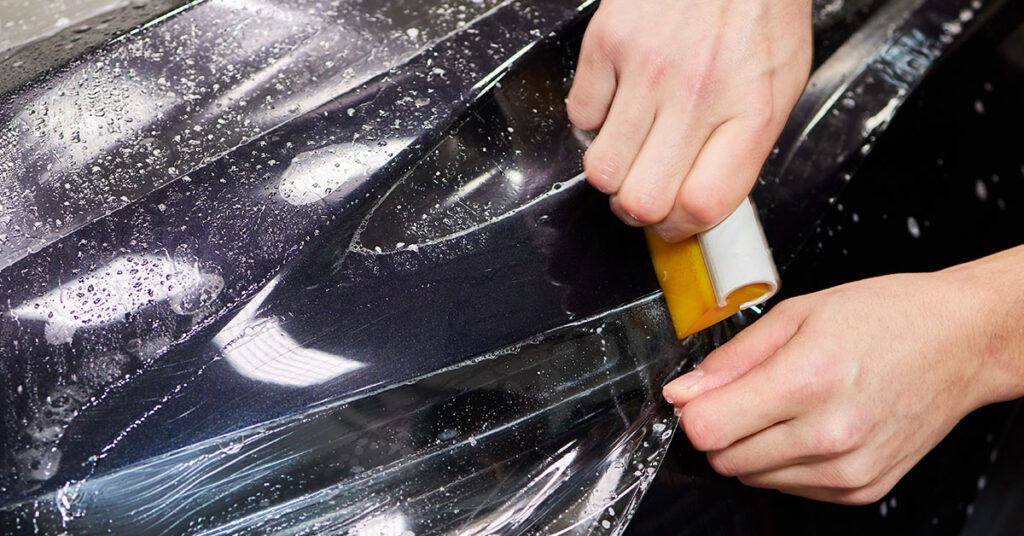
Have you ever noticed tiny scratches or chips on your car’s paint and wondered how to stop them? That’s where car paint protection film comes in.
It’s a clear layer that acts like armor, keeping your vehicle’s paint safe from everyday damage. If you want your car to look fresh and new for years, understanding this simple yet powerful solution is key. Keep reading to discover how paint protection film can save you time, money, and stress while preserving your car’s shine.

Credit: goldwingautocare.com
What Is Paint Protection Film
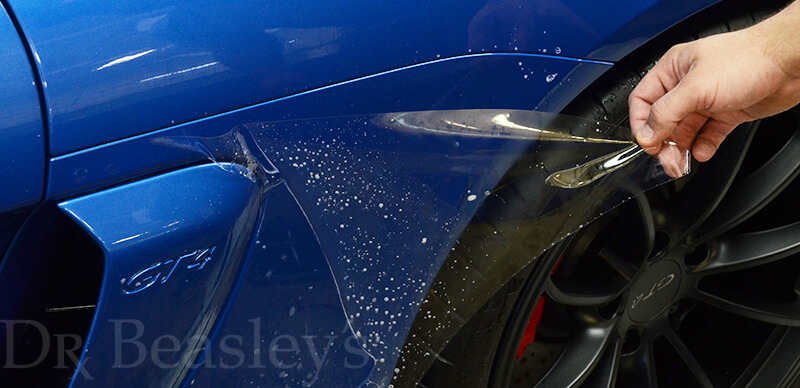
Paint Protection Film (PPF) is a clear, thin layer applied to a car’s surface. It shields the paint from damage and keeps the vehicle looking new. This film acts as a barrier against scratches, chips, and stains. Many car owners choose PPF to protect their investment and maintain the car’s shine over time.
Material Composition
Paint Protection Film is made from a strong, flexible polyurethane material. This material is clear and nearly invisible once applied. It has a sticky backing that sticks firmly to the car’s paint. Some films include an extra layer that repairs minor scratches on its own.
How It Works
The film covers the car’s paint and takes the impact from small stones and debris. It absorbs light scratches and prevents them from reaching the paint. The surface of the film can resist stains from dirt, bird droppings, and other harmful substances. Over time, the film protects the paint from fading caused by the sun’s UV rays.
Common Uses
- Protecting the front bumper and hood from road debris
- Covering side mirrors and door edges to avoid scratches
- Shielding headlights to keep them clear and bright
- Applying on high-contact areas to prevent wear and tear
Many car enthusiasts and everyday drivers use PPF to keep their vehicles looking fresh. It is popular for both new and used cars. The film can be removed without damaging the paint underneath.
Benefits Of Paint Protection Film
Paint Protection Film (PPF) offers more than just a glossy finish. It acts as a shield, safeguarding your car’s exterior from various daily hazards. Understanding its benefits can help you decide if it’s the right investment for your vehicle.
Scratch And Chip Resistance
Your car faces countless threats on the road: stones, gravel, and even accidental brushes with shopping carts. Paint Protection Film creates a tough barrier that absorbs these impacts, preventing scratches and chips on your paintwork.
Imagine avoiding those annoying little dents and marks that usually require costly repairs. With PPF, your car maintains a flawless look, even in busy urban environments or on rough country roads.
Uv Protection
Sun exposure can fade your car’s paint and cause it to lose its shine over time. Paint Protection Film includes UV-resistant properties that block harmful rays, keeping your car’s color vibrant for years.
Think about your car parked outside on a hot summer day. Without protection, the paint can oxidize and dull quickly. PPF helps you avoid this, preserving that fresh-from-the-showroom look.
Maintaining Vehicle Value
When it’s time to sell or trade your car, appearance matters a lot. A well-maintained exterior free from scratches and fading can significantly boost your vehicle’s resale value.
By investing in Paint Protection Film, you’re not just protecting your car’s surface—you’re protecting your investment. Wouldn’t you want to get the best possible price when you decide to sell?
Types Of Paint Protection Films
Paint protection films come in various types, each designed to meet different needs and preferences for your vehicle. Choosing the right one can make a big difference in how your car looks and how well it stays protected. Let’s look at the main types you might consider.
Glossy Vs Matte Finishes
Glossy films give your car a shiny, sleek look that enhances its color and makes it pop. They’re perfect if you want to keep that fresh, showroom shine without waxing every week.
Matte finishes, on the other hand, offer a smooth, non-reflective surface. This option is great if you prefer a subtle, modern appearance that stands out in a different way.
Which finish suits your style? Think about whether you want your car to catch eyes with shine or with understated elegance.
Self-healing Films
Self-healing films have a special layer that fixes minor scratches and swirl marks when exposed to heat. This means small damages disappear on their own, keeping your car looking flawless longer.
If you often park in busy lots or drive on gravel roads, self-healing films can save you time and money on repairs.
Wouldn’t it be nice if your car could bounce back from little scratches without you lifting a finger?
Thickness And Durability Options
Paint protection films come in different thicknesses, ranging from thin layers that protect against light scratches to thicker films that guard against stone chips and harsh impacts.
Thicker films offer more durability but might be slightly more visible, while thinner options are less noticeable but provide lighter protection.
Consider your driving habits: do you need heavy-duty protection for rough roads, or just enough to keep daily wear and tear away?
Credit: onyxcoating.com
Installation Process
The installation process of a car paint protection film (PPF) plays a crucial role in how effective and long-lasting the film will be. Whether you opt for a professional job or decide to try it yourself, understanding the steps involved can save you time, money, and frustration. Let’s dive into the key aspects of this process to help you make an informed choice.
Professional Vs Diy
Choosing between a professional installation and a DIY approach depends on your skill level, budget, and the condition of your vehicle. Professionals have access to specialized tools and experience, which often results in a flawless finish. They can also handle complex curves and edges without bubbles or wrinkles.
On the other hand, DIY kits are more affordable and allow you to install the film at your own pace. However, mistakes like trapped dust or improper alignment can reduce the film’s effectiveness and appearance. Are you confident enough to invest time in learning the technique before starting?
Surface Preparation
Proper surface preparation is critical to ensure the film adheres correctly and lasts longer. The car’s paint must be thoroughly cleaned, free from dirt, wax, and oils. Any residue can cause bubbles or peeling later on.
Many installers use isopropyl alcohol to wipe down the surface after washing. Some even go the extra mile with clay bars to remove microscopic contaminants. Think about how detailed you want to be—skipping this step compromises the entire installation.
Application Techniques
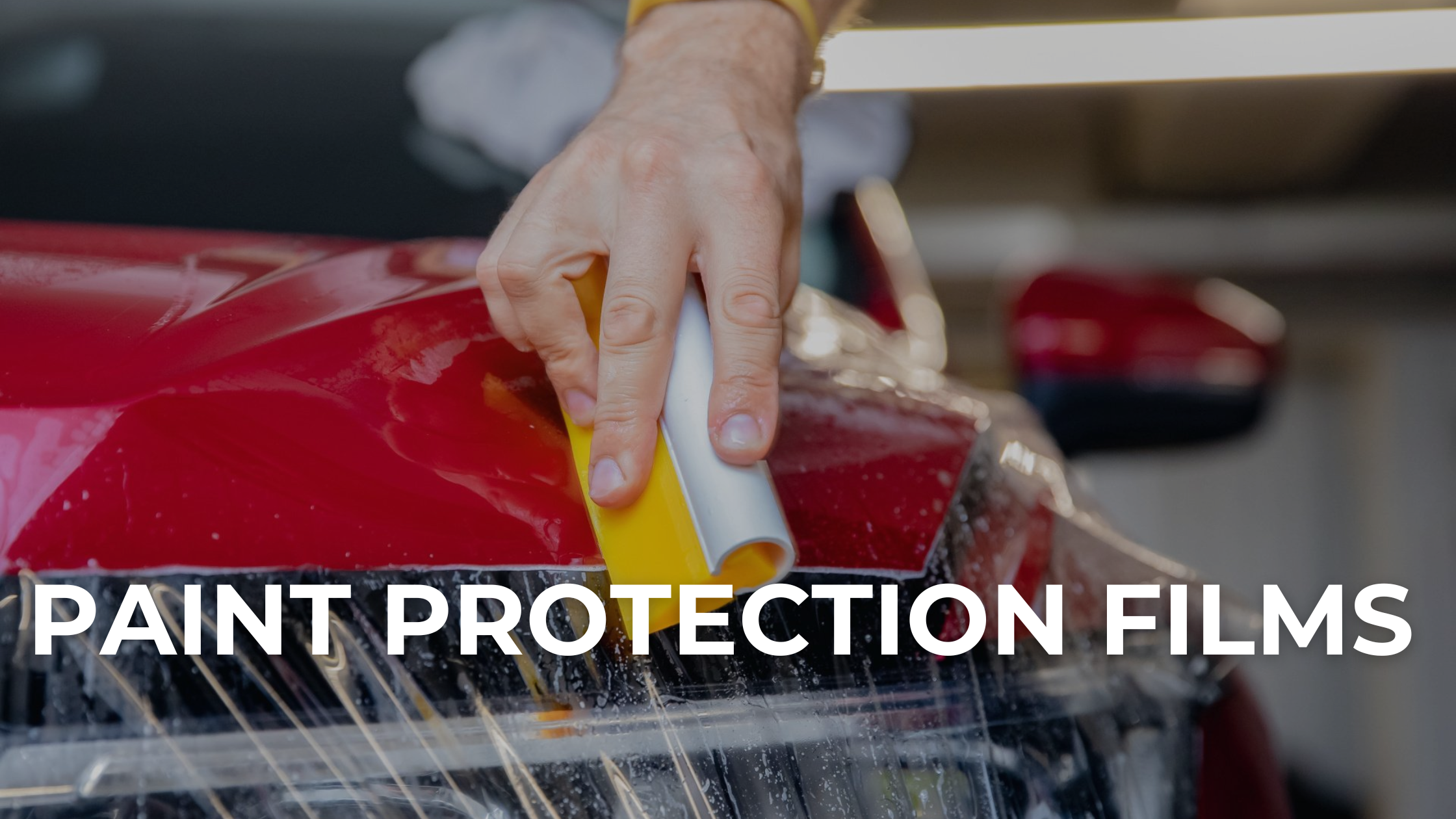
Applying PPF requires precision and patience. The film is usually sprayed with a solution to allow repositioning before it sticks permanently. This wet method helps avoid air bubbles and wrinkles.
Using a squeegee, the installer smooths out the film, pushing out excess water and air. Edges need special attention to prevent lifting or peeling over time. Do you have the right tools and steady hands to follow these steps carefully?
Whether you go professional or DIY, knowing what to expect from the installation process sets you up for better results. Your car deserves a flawless finish, so choose the path that matches your confidence and commitment.
Maintenance Tips
Keeping your car paint protection film (PPF) in top shape means more than just letting it sit on your vehicle. Proper maintenance helps preserve its clarity and protective qualities, ensuring your investment lasts longer. Here are some practical tips to keep your PPF looking fresh and effective.
Cleaning Guidelines
Regular cleaning prevents dirt and grime from embedding into the film. Use a gentle car wash soap with water and a soft microfiber cloth or sponge to avoid scratching the surface.
Avoid harsh chemicals or abrasive brushes that can damage the film. When drying, pat the surface lightly instead of rubbing vigorously. How often you clean depends on your driving conditions, but once every two weeks is a good starting point.
Repairing Minor Damages
Small scratches or scuffs can sometimes be fixed at home with a heat gun or warm water to soften the film and smooth out imperfections. However, you must be cautious not to overheat or stretch the film during this process.
For tiny chips or peeling edges, using a PPF repair kit or consulting a professional is often safer. Ignoring minor damages can cause them to worsen, leading to costly replacements. Have you checked your film closely for unnoticed blemishes?
Longevity Expectations
Most paint protection films last between 5 to 10 years depending on quality, exposure to elements, and maintenance habits. High UV exposure, frequent car washes, and physical abrasion can shorten this lifespan.
To get the most out of your film, park in shaded areas and avoid automatic car washes with stiff brushes. Remember, your care routine directly influences how long your PPF keeps your car looking new. What steps will you take today to extend your film’s life?
Cost Considerations
Cost plays a key role in choosing car paint protection film. Understanding price factors helps in making a smart decision. This section covers price ranges, what affects cost, and how to get value for money.
Price Ranges
The price of paint protection film varies widely. Basic full-car coverage can start around $500. Premium films and larger vehicles may cost $2,000 or more. Partial coverage, like just the front bumper or hood, is cheaper, often under $500.
Prices depend on the film quality and installation complexity. Simple jobs cost less. High-end films with advanced features cost more.
Factors Affecting Cost
- Type of film – thicker or self-healing films cost extra.
- Size of the vehicle – larger cars need more material.
- Coverage area – full or partial coverage changes the price.
- Installation complexity – curves and edges require more skill.
- Brand reputation – well-known brands may charge a premium.
- Location – prices vary by region and installer.
Value For Money
Choosing a film that protects well saves money on repairs. A quality film prevents scratches and chips. It keeps your car looking new longer. A cheap film may fail early, costing more to replace.
Professional installation is important. Poor fitting reduces protection and wastes money. Balance cost with quality to get the best outcome.
Choosing The Right Film
Choosing the right car paint protection film is crucial for keeping your vehicle’s paint flawless. The perfect film depends on several factors. These include the type of vehicle, how you use it, and the environment you drive in. Knowing these details will help you pick a film that offers the best protection and durability.
Vehicle Type And Usage
The type of vehicle affects the kind of film needed. Sports cars may need a thinner, high-gloss film to keep their sleek look. Trucks and SUVs often require thicker, tougher films to resist scratches and debris.
How you use your vehicle matters too. Daily drivers benefit from films that resist dirt and stains. Off-road vehicles need films that can handle rough conditions and impact.
Environmental Factors
Where you drive impacts the film’s performance. In sunny areas, UV protection is vital to prevent paint fading. In rainy or snowy regions, films with water and salt resistance work best.
Urban environments expose cars to pollution and minor scratches. Films that resist chemicals and offer self-healing properties help maintain the paint’s shine.
Brand Comparisons
| Brand | Thickness | Gloss Level | Durability | Price Range |
|---|---|---|---|---|
| Brand A | 6 mil | High Gloss | 5-7 Years | $$$ |
| Brand B | 8 mil | Matte and Gloss | 7-10 Years | $$$$ |
| Brand C | 7 mil | Glossy | 5 Years | $$ |
Comparing brands helps you find a film that fits your needs and budget. Look for reviews and warranties. These indicate the film’s reliability and customer satisfaction.
Credit: www.drbeasleys.com
Frequently Asked Questions
What Is Car Paint Protection Film Made Of?
Car paint protection film is a clear, durable polyurethane material. It acts as a shield against scratches, chips, and stains. This film is flexible and self-healing, maintaining your vehicle’s paint quality over time.
How Does Paint Protection Film Protect My Car?
Paint protection film absorbs impacts from debris and minor abrasions. It prevents paint damage from road salt, bugs, and UV rays. This reduces costly repairs and keeps your car looking new longer.
Is Paint Protection Film Better Than Wax Or Sealant?
Yes, paint protection film offers stronger, longer-lasting protection. Unlike wax or sealants, it physically blocks damage instead of just creating a surface barrier. It also requires less frequent maintenance for continuous defense.
How Long Does Car Paint Protection Film Last?
High-quality paint protection films typically last 5 to 10 years. Longevity depends on factors like film thickness, environment, and maintenance. Proper care ensures maximum durability and sustained paint protection.
Conclusion
Car paint protection film keeps your vehicle’s surface safe. It guards against scratches, dirt, and small damages. The film stays clear and does not affect the car’s look. It lasts for years with proper care. Many drivers choose this film to keep their cars new.
Easy to clean and maintain, it saves money on repairs. A simple way to protect your investment. Consider paint protection film to keep your car looking fresh. Small effort, big benefits.