
Are you tired of constantly worrying about your fuel costs? Imagine driving your Suzuki and getting the most miles out of every drop of gas.
How does Suzuki manage to squeeze out such impressive fuel efficiency? If you want to save money and reduce trips to the pump, understanding these smart techniques can make a big difference for you. Keep reading to discover the simple yet powerful ways Suzuki maximizes fuel efficiency and how you can benefit from them every time you hit the road.

Credit: www.cars24.com
Suzuki’s Fuel Efficiency Focus
Suzuki places a strong emphasis on fuel efficiency across all its vehicles. The brand aims to reduce fuel consumption without sacrificing performance. This focus helps drivers save money and lowers environmental impact. Suzuki achieves this through thoughtful design and smart engineering.
Design Philosophy
Suzuki designs cars with lightweight materials to cut unnecessary weight. A lighter vehicle uses less fuel, improving mileage. Aerodynamics plays a key role in Suzuki’s design. Smooth shapes reduce air resistance, allowing cars to move easily. Compact dimensions also help by minimizing drag and improving fuel economy.
Engineering Innovations
Suzuki uses advanced engine technology to boost fuel efficiency. Their engines often feature direct fuel injection for precise fuel delivery. The brand also applies variable valve timing to optimize power and fuel use. Efficient transmissions like CVT (Continuously Variable Transmission) help keep the engine in its best range. Suzuki integrates stop-start systems to save fuel when idling. These engineering steps combine to make Suzuki vehicles economical on fuel.
Credit: www.carnbikecafe.com
Advanced Engine Technologies
Suzuki uses advanced engine technologies to boost fuel efficiency. These innovations help engines use fuel more wisely. The result is less fuel wasted and more power gained from every drop. Suzuki’s focus on smart engineering keeps cars both strong and economical.
Fuel Injection Systems
Fuel injection controls how fuel enters the engine. Suzuki uses precise fuel injection to spray fuel directly where needed. This reduces waste and improves combustion. The engine burns fuel cleaner and uses less overall. Precise fuel delivery helps engines run smoothly and saves fuel.
Variable Valve Timing
Variable valve timing adjusts engine valves for different speeds. Suzuki’s system changes valve opening times to fit driving conditions. This improves air and fuel flow inside the engine. Better airflow means the engine works more efficiently. It lowers fuel use and boosts engine response without extra fuel.
Turbocharging Benefits
Turbochargers push more air into the engine. Suzuki’s turbo technology increases engine power without raising fuel use. More air means better fuel burning and more energy from less fuel. Turbocharging allows smaller engines to perform like bigger ones while saving fuel. This technology balances power and economy well.
Lightweight Construction
Suzuki focuses on lightweight construction to boost fuel efficiency. Lighter vehicles need less energy to move. This reduces fuel consumption and emissions. The design balances strength and weight for safety and performance.
Materials Used
Suzuki uses materials that are both light and strong. Steel alloys form the vehicle’s frame for durability. Aluminum parts reduce weight in key areas. High-strength plastics and composites appear in body panels. These materials cut down overall vehicle mass.
Impact On Mileage
Less weight means the engine works less hard. This improves miles per gallon (MPG) significantly. Drivers notice better fuel economy in city and highway rides. Lightweight design also helps with quicker acceleration. Suzuki’s approach leads to lower fuel costs and fewer stops at the pump.
Aerodynamic Enhancements
Aerodynamic enhancements play a key role in Suzuki’s fuel efficiency. These improvements help reduce air drag. Less drag means the engine works easier and uses less fuel. Suzuki focuses on refining the shape and design of its vehicles. This reduces wind resistance and boosts overall performance.
Body Shape Optimization
Suzuki designs its car bodies with smooth, flowing lines. Rounded edges and sloped roofs help air flow easily over the vehicle. The low, sleek profile cuts through the air with less effort. Careful attention to the front grille and bumper shapes also limits turbulence. These details lower drag and improve fuel economy. The compact body design balances space and aerodynamics well.
Wind Resistance Reduction
Suzuki uses advanced tools to study air movement around its cars. Wind tunnels test different shapes to find the most efficient form. Features like side mirrors and spoilers are shaped to minimize air resistance. Underbody panels smooth airflow beneath the vehicle. These parts prevent air from getting trapped or creating drag. Together, these changes help Suzuki vehicles glide through air smoothly. This means less fuel is needed for the same speed.
Transmission Efficiency
Transmission efficiency plays a crucial role in how Suzuki maximizes fuel economy. It directly affects how power from the engine is delivered to the wheels, impacting fuel consumption. A well-designed transmission reduces energy loss and helps maintain optimal engine performance.
Gear Ratios
Suzuki carefully selects gear ratios to balance power and fuel efficiency. Lower gears provide better torque for acceleration, but higher gears reduce engine RPM at cruising speeds, saving fuel.
For example, Suzuki’s transmissions often include an overdrive gear that lowers engine speed on highways. This simple adjustment can lead to noticeable fuel savings during long drives.
Have you noticed how some cars feel sluggish at higher speeds? That’s often because their gear ratios don’t allow the engine to run efficiently at those speeds. Suzuki avoids this by tuning gear ratios to keep the engine in its most efficient range.
Automatic Vs Manual
Suzuki offers both automatic and manual transmissions, each with its own fuel efficiency benefits. Manual transmissions give you more control over gear changes, allowing skilled drivers to optimize fuel use.
On the other hand, Suzuki’s automatic transmissions use advanced technology like torque converters and smart shift logic to reduce power loss. These automatics can adjust shifts based on driving conditions, often improving fuel economy for everyday drivers.
Choosing between manual and automatic depends on your driving style. If you enjoy controlling every shift, a manual might help you squeeze out extra miles per gallon. If you prefer a hassle-free drive, Suzuki’s automatic transmissions are engineered to be efficient without extra effort from you.
Eco-friendly Driving Modes
Suzuki’s eco-friendly driving modes offer a smart way to reduce fuel consumption without changing how you drive. These modes adjust engine performance and other settings to help you get the most out of every gallon. You don’t have to sacrifice power or comfort to save fuel; the technology blends efficiency with everyday usability.
Mode Features
Each eco-friendly mode tailors your driving experience to optimize fuel usage. For example:
- Eco Mode:Softens throttle response and shifts gears earlier to keep the engine running efficiently.
- EV Mode:Allows electric-only driving at low speeds in hybrid models, cutting fuel use during city driving.
- Sailing Mode:Lets the car coast with the engine off when you lift your foot off the accelerator, saving fuel on downhill or flat roads.
These features work quietly in the background, so you barely notice the adjustments but feel the savings at the pump.
Fuel Savings Impact
Using eco-friendly modes can improve your fuel economy by up to 15% in everyday driving. This means fewer trips to the gas station and less money spent on fuel. Imagine cutting your fuel bill just by switching a mode on your dashboard.
One driver shared how activating Eco Mode on their Suzuki during daily commutes led to noticeable savings over just a few weeks. The car still performed well, but the fuel gauge dropped slower than before.
What if you tried these modes on your next drive? You might discover an easy way to reduce your environmental footprint and save money without any extra effort.
Maintenance Practices
Proper maintenance keeps your Suzuki running efficiently and saves fuel. Simple care routines prevent engine strain and improve gas mileage. Regular checks and timely fixes help your vehicle perform at its best. Focus on key maintenance areas to maximize fuel efficiency and extend engine life.
Regular Servicing Tips
- Change engine oil as recommended in the manual.
- Replace air filters to ensure clean airflow to the engine.
- Check and clean spark plugs for better combustion.
- Inspect fuel injectors to maintain proper fuel flow.
- Ensure the cooling system works efficiently to avoid overheating.
- Use manufacturer-recommended parts and fluids for best results.
Tire Pressure Importance
Correct tire pressure reduces rolling resistance and improves mileage.
Under-inflated tires make the engine work harder and use more fuel.
Check tire pressure monthly and before long trips.
Use the pressure levels suggested on the tire sidewall or inside the door frame.
Properly inflated tires also enhance safety and tire lifespan.
Credit: www.saltwatersportsman.com
Real-world Fuel Efficiency Tips
Maximizing fuel efficiency extends beyond the car’s design. Small changes in daily driving habits and planning help save fuel. These real-world tips make a noticeable difference in Suzuki’s fuel consumption. Simple actions keep your ride smooth and economical.
Driving Habits
Gentle acceleration reduces fuel use. Avoid sudden starts and stops. Maintain steady speeds to keep the engine efficient. Use higher gears as soon as possible without straining the engine. Idling wastes fuel; turn off the engine if stopped for long. Regularly check tire pressure to lower rolling resistance. Keep your vehicle light by removing unnecessary items.
Route Planning
Choose the shortest route to cut fuel use. Avoid routes with heavy traffic or many stoplights. Use apps or GPS for real-time traffic updates. Plan trips during off-peak hours to reduce idling. Combine errands into one trip to save driving time. Select routes with smooth roads to maintain steady speeds.
Frequently Asked Questions
How Does Suzuki Improve Fuel Efficiency In Its Vehicles?
Suzuki uses advanced engine technology and lightweight materials. This reduces fuel consumption and enhances performance. Efficient fuel injection and optimized aerodynamics also play key roles.
What Suzuki Models Offer The Best Fuel Economy?
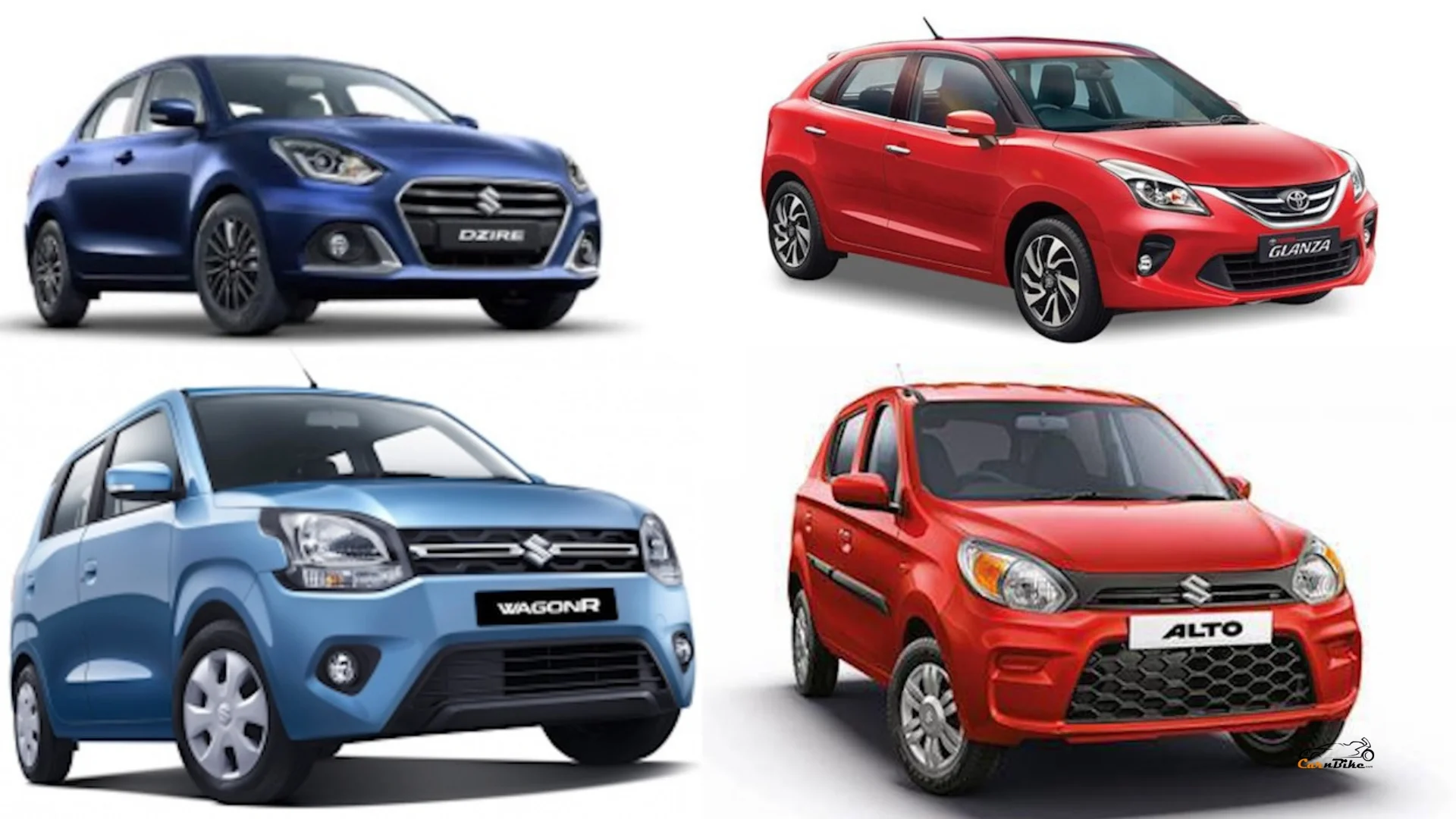
Suzuki’s Swift, Dzire, and Baleno are known for excellent fuel efficiency. These models feature smart engine designs and fuel-saving technologies, delivering high mileage per liter.
Does Suzuki Use Hybrid Technology To Save Fuel?
Yes, Suzuki incorporates mild hybrid systems in some models. This technology reduces fuel consumption by assisting the engine during acceleration and improving overall efficiency.
How Often Should I Maintain My Suzuki For Best Mileage?
Regular maintenance every 6,000 to 10,000 kilometers is recommended. Timely oil changes, air filter cleaning, and spark plug checks help maintain optimal fuel efficiency.
Conclusion
Suzuki uses smart technology to save fuel every day. Their engines work hard but use less gas. This means you can drive longer without stopping. They focus on making cars light and smooth. That helps reduce fuel use even more.
Small changes add up to big savings on fuel. Suzuki keeps improving to help drivers save money. Efficient cars help the environment too. Choosing Suzuki means choosing fuel savings and smart design. Simple, reliable, and efficient—Suzuki makes every drop of fuel count.