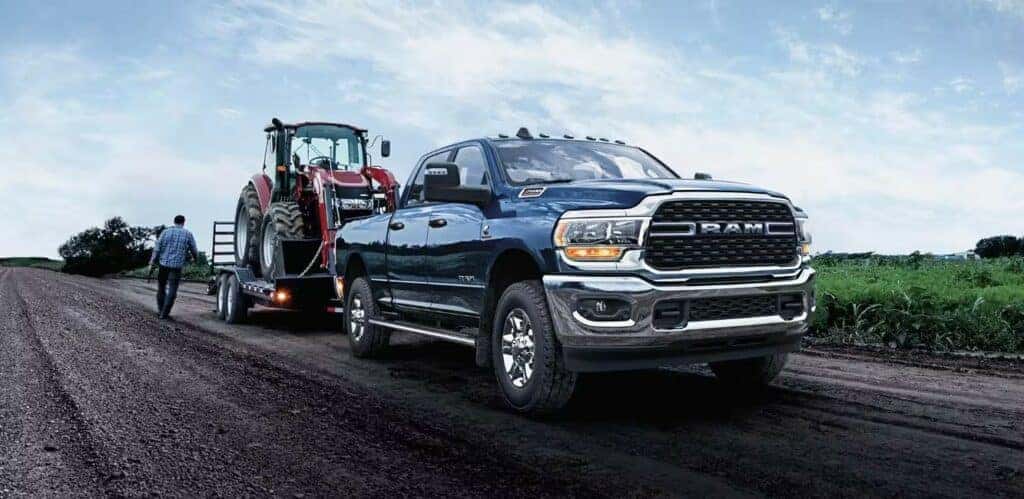
If you’re thinking about towing with a Dodge Ram 2500, you probably want to know exactly how much weight it can handle. Whether you’re hauling a boat, trailer, or heavy equipment, knowing your truck’s towing capacity is key to staying safe and getting the job done right.
You’ll discover the real towing limits of the Dodge Ram 2500 and how to make the most of its power. Keep reading to find out how to tow smarter and avoid costly mistakes.
Dodge Ram 2500 Towing Basics
Understanding the towing basics of the Dodge Ram 2500 is key to making the most of its capabilities. This truck is built to handle heavy loads, but how much it can tow depends on several important factors. Knowing these details helps you match your towing needs with the right setup, ensuring safety and performance on the road.
Engine Options And Impact
The engine you choose plays a huge role in how much your Dodge Ram 2500 can tow. The available engines range from a powerful V8 gasoline engine to a robust Cummins diesel option. The diesel engine, known for its higher torque, often allows for greater towing capacity compared to the gasoline engine.
Think about the kind of loads you plan to haul. If you frequently tow heavy trailers or equipment, the diesel engine might be your best bet. On the other hand, lighter towing needs might be well met by the gasoline engine, saving you on upfront costs and fuel.
Chassis And Frame Strength
The strength of the Ram 2500’s chassis and frame directly affects its towing ability. A heavy-duty frame provides the necessary support to handle heavy trailers without bending or compromising safety. Dodge designs the Ram 2500 with reinforced steel and a solid frame to ensure durability under stress.
Have you ever felt your truck flex or shake while towing? That’s a sign your chassis might be struggling. A stronger frame reduces this issue, keeping your ride stable and your load secure.
Towing Configurations
Towing capacity varies depending on the Ram 2500’s configuration. Key factors include the cab style, bed length, and drivetrain setup. For example, a 4×4 model might tow less than a 4×2 due to weight differences but offers better traction on rough terrain.
Additionally, choosing between a regular cab or crew cab affects weight distribution and, ultimately, towing performance. Knowing how each configuration impacts towing helps you pick the right model tailored to your specific needs.

Credit: www.clementchryslerdodgejeepramflorissant.com
Maximum Towing Capacities
The maximum towing capacity of a Dodge Ram 2500 plays a crucial role in deciding how much weight you can safely haul. Knowing these limits helps you match the truck to your specific towing needs, whether for work or recreation. Let’s break down what you need to know about the towing strengths of this powerful truck.
Standard Towing Limits
The base Dodge Ram 2500 models usually come with a respectable towing capacity that can handle most everyday needs. On average, standard models can tow between 13,000 to 15,000 pounds, depending on the engine and configuration. This range is ideal for hauling boats, trailers, or equipment without any special modifications.
Think about your typical towing tasks—does your current setup meet these numbers? If not, you might want to explore options that increase your towing limits.
Heavy-duty Towing Packages
Adding a heavy-duty towing package can significantly boost your Ram 2500’s capabilities. These packages often include upgraded cooling systems, stronger axles, and enhanced suspension components. With such an upgrade, your truck can tow up to 19,680 pounds, which is a huge jump from the standard limits.
Are you hauling heavy loads regularly? Investing in a heavy-duty package could save you from strain and increase safety during towing. It’s an option worth considering if you need more muscle from your truck.
Comparing Gas Vs Diesel Models
The choice between gas and diesel engines in the Ram 2500 impacts towing capacity noticeably. Diesel engines usually offer more torque, making them better suited for heavier towing jobs. For instance, the diesel variant can tow close to 19,000 pounds, while the gas version typically maxes out around 15,000 pounds.
Which engine fits your towing demands better? If you frequently tow heavy trailers, diesel might be your best bet. On the other hand, gas models can be more budget-friendly for lighter towing needs and everyday driving.
Factors Affecting Towing Performance
Towing performance depends on several key factors. These influence how much weight a Dodge Ram 2500 can safely pull. Understanding these elements helps maximize efficiency and safety on the road.
Each factor plays a role in the truck’s overall towing capacity. Ignoring them can lead to poor performance or damage to the vehicle. Let’s explore the main aspects affecting towing ability.
Payload And Gross Vehicle Weight Rating
Payload is the weight the truck can carry, including passengers and cargo. Gross Vehicle Weight Rating (GVWR) is the total weight the truck can safely handle. This includes the truck’s own weight plus the payload.
Exceeding the GVWR can strain the engine and brakes. It reduces control and increases wear on parts. Always check the truck’s GVWR before towing heavy loads.
Trailer Types And Weights
Different trailers have varying weights and designs. Enclosed trailers weigh more than flatbeds. Some trailers have extra features that add weight.
The trailer’s weight affects how hard the truck must work. Heavy trailers require more power and better braking systems. Knowing the trailer type helps estimate towing limits accurately.
Terrain And Driving Conditions
Flat roads are easier for towing than steep hills. Rough terrain or off-road conditions demand more engine power. Weather also impacts towing performance.
- Hills require more engine effort and reduce speed.
- Wet or icy roads decrease traction and control.
- High winds increase resistance and fuel consumption.
Adjust driving style based on terrain and weather to maintain safety and control.
Towing Safety Tips
Towing with a Dodge Ram 2500 requires attention to safety. Proper precautions protect you and others on the road. Following key safety tips ensures a smooth towing experience. Focus on hitching, brake and light setup, and maintaining stability.
Proper Hitching Techniques
Use the right hitch for your trailer’s weight. Check that the hitch ball fits snugly in the coupler. Secure all safety chains in a crisscross pattern under the hitch. Tighten the hitch and locking mechanisms firmly. Inspect the connection before every trip. Avoid loose or dangling parts that may cause accidents.
Brake And Light Requirements
Trailer brakes must work properly for heavy loads. Test the brake controller before driving. Connect all trailer lights—tail, brake, and turn signals. Use an electrical plug compatible with your truck. Replace burnt-out bulbs immediately. Proper lighting helps other drivers see your vehicle and trailer clearly.
Maintaining Stability On The Road
Drive at moderate speeds and avoid sudden stops. Keep a safe distance from other vehicles. Use lower gears on hills to control speed. Check tire pressure on both truck and trailer regularly. Distribute weight evenly in the trailer to reduce sway. Use sway control devices if needed for extra stability.
Upgrades To Enhance Towing
Upgrading your Dodge Ram 2500 can boost its towing ability and safety. Enhancements help the truck handle heavier loads with better control. Focus on key areas like suspension, brakes, cooling, tires, and wheels. These upgrades improve performance and reduce wear during towing tasks.
Suspension And Brake Enhancements
Strong suspension supports heavy trailers and keeps the ride stable. Consider adding heavy-duty shocks or airbags to improve load handling. Upgraded brakes provide better stopping power under heavy loads. Look for larger rotors or performance brake pads. These changes increase safety and control when towing.
Cooling Systems
Heavy towing strains the engine and transmission, raising temperatures. Upgraded cooling systems prevent overheating and maintain power. Install a high-capacity radiator or an auxiliary transmission cooler. These help keep your Dodge Ram 2500 running smoothly on long hauls.
Tire And Wheel Considerations
Tires and wheels must match the increased towing demands. Choose tires with a higher load rating for better durability. Opt for wheels designed to handle the extra weight and stress. Proper tires and wheels improve stability and traction during towing.

Credit: www.thibaultchrysler.com
Real-world Towing Experiences
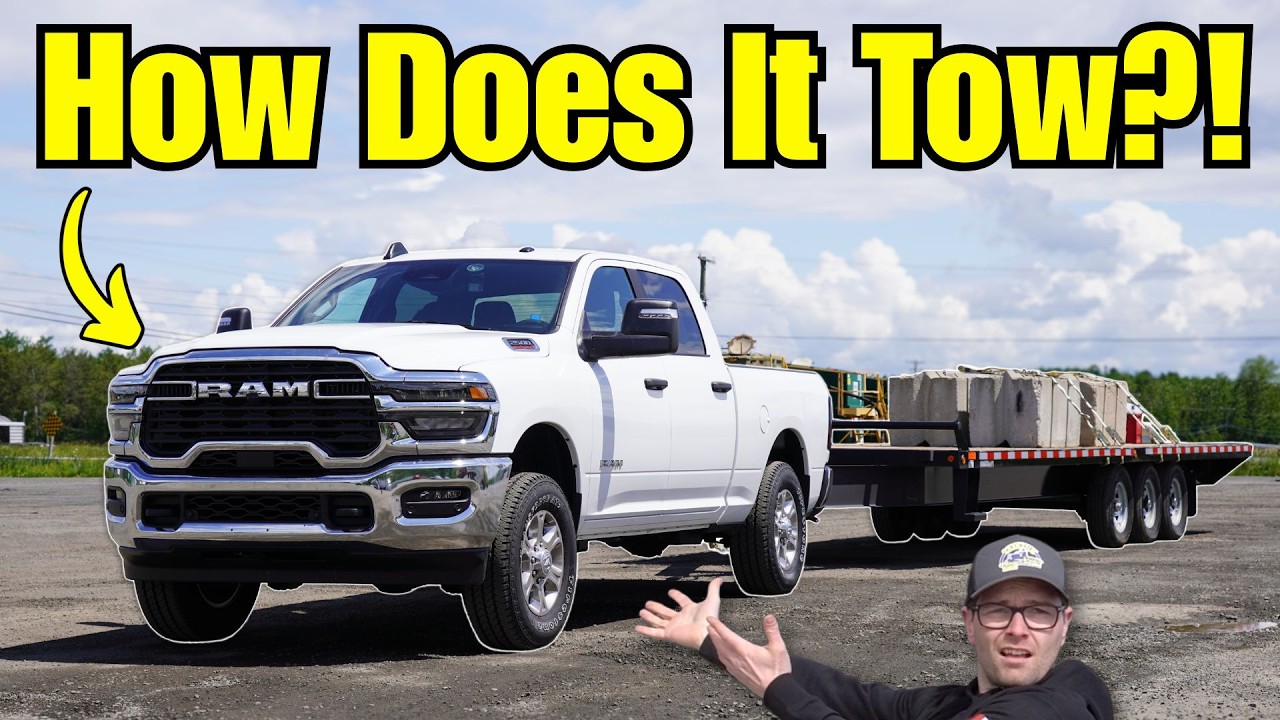
Real-world towing experiences reveal how the Dodge Ram 2500 performs beyond specs. These stories show its strength, handling, and occasional limits. They help buyers understand what to expect on the road.
Owners share their firsthand accounts. Mechanics and experts offer tips to enhance safety and efficiency. Challenges faced by drivers highlight important lessons.
Owner Testimonials
- Many owners tow boats, campers, and heavy trailers easily.
- Some report towing close to the 19,000-pound max without issues.
- Others notice a slight drop in fuel economy while towing heavy loads.
- Owners appreciate the truck’s stability on highways and rough roads.
- Several mention using upgraded cooling systems for long towing trips.
Common Challenges
- Heavy loads can cause brake wear faster than usual.
- Steep hills require lower gears and careful speed control.
- Strong crosswinds sometimes affect trailer stability.
- Incorrect hitch setup leads to sway and unsafe driving conditions.
- Overloading beyond rated capacity risks damage and legal issues.
Best Practices From Experts
- Always check the tow rating before hitching any load.
- Use weight distribution hitches for trailers over 10,000 pounds.
- Regularly inspect brakes, tires, and lights before trips.
- Drive slower and allow more stopping distance while towing.
- Keep the truck’s cooling system in top condition.
Credit: www.youtube.com
Frequently Asked Questions
What Is The Maximum Towing Capacity Of A Dodge Ram 2500?
The Dodge Ram 2500 can tow up to 19,680 pounds when properly equipped. This capacity depends on the engine, configuration, and towing package. Always check your truck’s specific model details for exact towing limits.
How Does Engine Type Affect Dodge Ram 2500 Towing?
The engine type significantly impacts towing capacity. The 6. 7L Cummins Turbo Diesel offers the highest towing power. Gasoline engines provide less towing capacity but better daily driving comfort.
Can The Dodge Ram 2500 Tow Large Trailers Safely?
Yes, with the right setup, the Ram 2500 can tow large trailers safely. Proper hitch, brakes, and weight distribution are essential for safe towing. Always follow manufacturer guidelines for trailer weight limits.
What Factors Influence Towing Capacity In A Dodge Ram 2500?
Towing capacity depends on engine type, axle ratio, transmission, and towing package. Payload, hitch type, and vehicle condition also affect towing performance. Proper maintenance ensures maximum towing ability.
Conclusion
The Dodge Ram 2500 offers strong towing power for heavy loads. It handles trailers, boats, and equipment with ease. Always check your truck’s specific towing capacity before hauling. Proper hitching and weight distribution keep towing safe. Regular maintenance helps your Ram perform at its best.
Choose the right engine and package for your towing needs. This truck suits work and play, making tough jobs easier. A reliable tow truck makes every trip smoother and safer.