Are you wondering if you can use your favorite cast iron cookware on an induction cooktop? You’re not alone.
This is a common question for many home chefs who love the versatility and durability of cast iron but have made the switch to modern induction cooking. The good news is that cast iron can indeed be used on an induction cooktop, but there are a few things you need to know to do it effectively and safely.
We’ll explore the benefits, potential challenges, and tips for using cast iron on your induction cooktop. Stick around to discover how you can enjoy the best of both worlds in your kitchen.
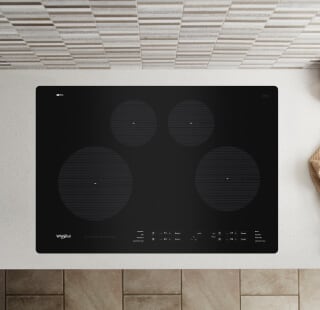
Credit: www.whirlpool.com
How Induction Cooktops Work
Understanding how induction cooktops work can change the way you cook and what cookware you choose. Unlike traditional stoves that use direct heat or flames, induction cooktops use magnetic fields to heat your pots and pans directly. This makes cooking faster and more energy-efficient, but it also means that not all cookware is compatible.
How Induction Generates Heat
Induction cooktops create a magnetic field using copper coils beneath the cooking surface. When you place a compatible pan on the cooktop, this magnetic field induces electric currents in the metal. These currents generate heat directly in the pan, warming your food quickly and evenly.
Why Cookware Material Matters
Since induction works through magnetism, your cookware must be made of or contain ferrous metals like cast iron or certain types of stainless steel. Non-magnetic materials like aluminum, copper, or glass won’t heat up unless they have a magnetic layer added. This is why checking your cookware’s compatibility is essential before using it on an induction cooktop.
Efficiency And Safety Benefits
Induction cooktops heat only the pan and not the surrounding surface, so the cooktop stays cooler and is safer to touch. This method also reduces wasted heat, making it more energy-efficient than gas or electric stovetops. Have you noticed how quickly water boils or food simmers when using induction? That’s the magnetic field working its magic.
Cast Iron Compatibility With Induction
Cast iron is a popular cookware choice for many kitchens. Its durability and heat retention make it excellent for cooking. Induction cooktops work by creating a magnetic field to heat the pan directly. This makes the compatibility between cast iron and induction important to understand.
Cast iron is naturally magnetic, which means it works well with induction cooktops. The magnetic field generated by the induction cooktop interacts with the iron in the pan. This interaction heats the pan quickly and evenly.
Despite its weight, cast iron provides great cooking results on induction surfaces. Some care is needed to avoid scratching the cooktop. Also, the pan’s bottom should be flat for better contact with the cooktop.
Why Cast Iron Works With Induction Cooktops
Induction cooktops heat cookware using magnetism. Cast iron contains iron, a magnetic metal. This makes cast iron pans respond well to induction heat. The pan heats up fast and cooks food evenly.
Benefits Of Using Cast Iron On Induction
- Efficient heat transfer saves energy
- Excellent heat retention for steady cooking
- Durable and long-lasting cookware
- Suitable for many cooking styles
Precautions When Using Cast Iron On Induction
- Lift the pan to move it, avoid sliding
- Use pans with flat bottoms for best contact
- Clean cooktop surface regularly to prevent scratches
- Handle heavy pans carefully to avoid damage
Advantages Of Using Cast Iron On Induction
Using cast iron on an induction cooktop offers several distinct advantages that can enhance your cooking experience. The unique properties of cast iron allow it to work exceptionally well with induction technology, providing you with reliable heat and durability. Understanding these benefits can help you decide whether cast iron is the right choice for your kitchen.
Efficient Heat Retention And Distribution
Cast iron holds heat exceptionally well, meaning once it gets hot, it stays hot. This quality helps maintain a consistent cooking temperature, which is crucial for recipes that require steady heat, such as slow-cooked stews or seared meats.
Because induction cooktops heat the pan directly, cast iron’s heavy material ensures even heat distribution without sudden cold spots. You’ll notice your food cooks more evenly, reducing the chances of burning or undercooking.
Durability That Lasts A Lifetime
Cast iron pans can withstand the high temperatures of induction cooktops without damage. Unlike some lighter cookware, cast iron won’t warp or lose its shape over time, even with frequent use.
If you’ve ever invested in cookware only to see it wear out quickly, cast iron offers peace of mind. It can last decades, making it a smart, long-term investment for your kitchen.
Excellent Compatibility With Induction Technology
Induction cooktops require magnetic cookware to function, and cast iron’s ferrous nature makes it an ideal match. This means your pan will heat up quickly and respond well to temperature changes.
Have you ever been frustrated with slow heating pans on your induction stove? Cast iron eliminates that issue, offering quick and efficient heating that helps you save time and energy.
Versatility For Various Cooking Styles
From frying and sautéing to baking and simmering, cast iron works well with induction cooktops for multiple cooking methods. You can move your pan from the stove to the oven without worry, giving you flexibility in your meal prep.
Do you enjoy trying different recipes or cooking techniques? Cast iron can handle it all, making it a valuable tool in your kitchen arsenal.
Natural Non-stick Surface When Seasoned
Properly seasoned cast iron develops a natural non-stick coating that improves with use. This means less oil needed and easier cleanup after cooking.
Imagine cooking your favorite dishes without worrying about sticking or scrubbing endlessly. The more you use your cast iron on induction, the better this surface gets.

Credit: karinearappliances.com
Tips For Using Cast Iron Safely
Using cast iron on an induction cooktop can be a great way to cook evenly and enjoy the durability of this classic cookware. However, to keep your cooktop and cast iron in top shape, you need to handle them carefully. Here are some essential tips for using cast iron safely and effectively on your induction surface.
Avoid Scratches And Damage
Cast iron is heavy and rough on the bottom, which can scratch your induction cooktop if you’re not careful. Always lift your pan rather than sliding it across the surface. Sliding may seem easier but it can leave permanent marks or damage the glass.
Consider placing a silicone or fabric mat between the pan and cooktop when moving it around. This simple step protects both your cookware and the induction surface. Have you noticed tiny scratches on your cooktop? Changing how you handle your pans could prevent more damage.
Preheating Techniques
Cast iron heats slowly but retains heat well. Avoid putting a cold pan directly on high heat; instead, start on low or medium to allow gradual warming. This prevents thermal shock, which can crack your pan or damage the cooktop surface.
Try preheating your pan empty for a few minutes, then add oil or food. This approach reduces sticking and helps you control cooking temperature better. How often do you rush preheating and end up with uneven cooking?
Cleaning And Maintenance
Cleaning cast iron right after use keeps it in prime condition. Avoid soap or abrasive scrubbers that can strip seasoning; instead, use hot water and a soft brush. Dry your pan thoroughly to prevent rust.
After cleaning, rub a thin layer of oil onto the surface to maintain its non-stick layer. This simple habit can extend the life of your cast iron and improve cooking results. Have you tried seasoning your pan regularly? It makes a noticeable difference.
Common Challenges And Solutions
Using cast iron on an induction cooktop can be a great choice, but it comes with some challenges you should be ready for. Understanding these common issues and how to handle them will help you get the best cooking experience without frustration. Let’s look at some practical solutions that will keep your kitchen running smoothly.
Slow Response Time
Cast iron takes longer to heat up compared to other cookware because of its thickness and density. You might notice a delay before the pan gets hot enough to cook your food.
To manage this, start by preheating your cast iron on a lower setting. This helps the heat spread evenly without burning your food.
Have you tried adjusting the heat gradually instead of turning it on high immediately? This small change can save you from uneven cooking and frustration.
Weight Considerations
Cast iron is heavy, and that weight can be challenging on your induction cooktop surface. It might cause scratches or make it harder to move the pan around while cooking.
Use a silicone or wooden trivet to protect your cooktop when setting down the pan. Also, lift the pan instead of sliding it to avoid damage.
Think about your daily cooking habits—do you need a lighter pan for quick meals, or is the durability of cast iron worth the extra effort?
Heat Distribution
One of the benefits of cast iron is its ability to hold heat, but this also means heat distribution can be uneven at first. Hot spots can cause some parts of your dish to cook faster than others.
To fix this, stir or move your food around often. You can also allow the pan to heat gradually to let the temperature even out across the surface.
Have you experienced burnt edges while the center remains undercooked? Adjusting how you manage heat can make a big difference in your results.
Best Cast Iron Cookware For Induction
Choosing the best cast iron cookware for your induction cooktop can transform your cooking experience. Not all cast iron pans perform equally well on induction surfaces, so selecting the right one matters. Let’s look at some top options that combine durability, heat retention, and induction compatibility.
Traditional Cast Iron Skillets
Classic cast iron skillets are a reliable choice for induction cooking. Their thick, flat bottoms ensure excellent contact with the cooktop, which helps distribute heat evenly. I’ve noticed my favorite 12-inch skillet cooks steaks perfectly without hot spots or sticking.
Look for skillets with smooth, polished bottoms rather than rough or uneven surfaces. This helps maintain good magnetic connection with the induction coil. Brands like Lodge and Le Creuset offer models specifically designed for induction.
Enamel-coated Cast Iron Cookware
Enamel-coated cast iron works well on induction cooktops and adds a stylish touch to your kitchen. The enamel layer prevents rust and eliminates the need for seasoning, which many find convenient. I often use my enamel Dutch oven to simmer soups and stews evenly on induction.
These pans heat up quickly and retain heat long after you turn off the burner. Popular options include Staub and Le Creuset, which come in various sizes and vibrant colors. Just make sure the base is flat and smooth to avoid scratching your cooktop.
Cast Iron Grill Pans For Induction
If you enjoy grilled flavors, cast iron grill pans designed for induction are worth trying. Their ridged surfaces create those classic grill marks while allowing fat to drain away. I’ve found that using a grill pan on induction gives me control over searing without needing an outdoor grill.
Choose pans with a wide, flat base and sturdy handles for easy handling. Lodge offers several grill pans compatible with induction cooktops that combine performance with affordability.
Pre-seasoned Vs. Unseasoned Cast Iron
Deciding between pre-seasoned and unseasoned cast iron depends on your cooking habits and maintenance preferences. Pre-seasoned pans come ready to use and often feature a smoother surface that works well on induction. I started with a pre-seasoned skillet and appreciated the non-stick feel from day one.
Unseasoned cast iron requires you to build the seasoning yourself but can last a lifetime with proper care. Both types work on induction, but ensure the pan’s base is flat and makes full contact with your cooktop.
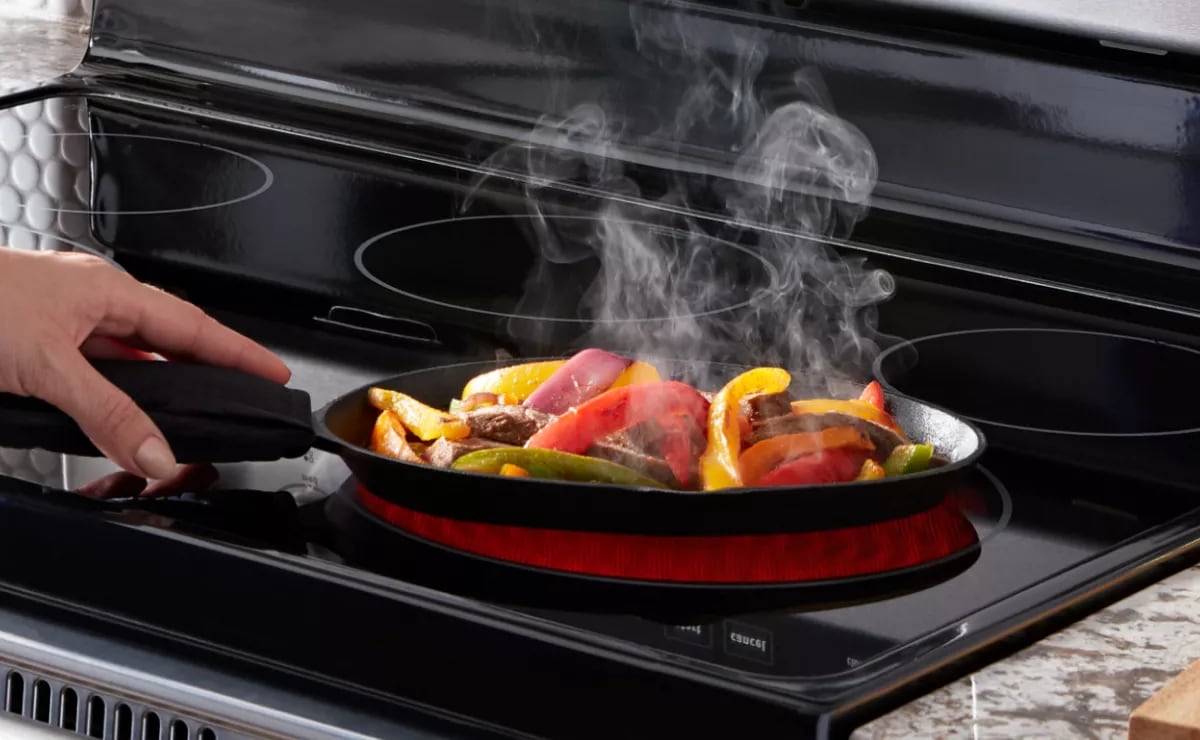
Credit: www.maytag.com
Frequently Asked Questions
Can Cast Iron Cookware Be Used On Induction Cooktops?
Yes, cast iron works well on induction cooktops. Its magnetic properties make it highly compatible. It heats evenly and retains heat efficiently, making it ideal for induction cooking.
Will Cast Iron Damage My Induction Cooktop?
No, cast iron will not damage induction cooktops. However, rough bottoms may scratch the surface. Using a smooth cast iron pan and careful handling prevents any potential damage.
Does Cast Iron Heat Evenly On Induction Stoves?
Yes, cast iron heats evenly on induction cooktops. It distributes heat slowly and retains it well, ensuring consistent cooking results without hot spots.
Is Cast Iron The Best Choice For Induction Cooking?
Cast iron is an excellent choice for induction cooking. Its magnetic nature allows fast heating, and it maintains temperature well, making it perfect for many recipes.
Conclusion
Cast iron works well on induction cooktops. It heats evenly and holds heat long. Make sure the pan’s bottom is flat. Avoid dragging the pan to protect the surface. Cast iron may take longer to heat up. Cleaning it properly keeps it lasting longer.
Using cast iron can improve your cooking experience. So, go ahead and enjoy cooking with cast iron on your induction cooktop. It’s a reliable and durable choice for many kitchens.