Are you wondering if your gas cooktop needs to be vented? It’s a common question that many homeowners face when setting up their kitchen.
Venting isn’t just about keeping your kitchen fresh—it’s about your health, safety, and the longevity of your cooking space. If you want to avoid unwanted smoke, grease buildup, and even harmful gases, understanding the role of venting is key. Keep reading to discover why venting matters and how it can make a difference in your home.
Why Venting Matters
Understanding why venting matters for your gas cooktop is key to keeping your kitchen safe and comfortable. Venting removes harmful pollutants and moisture produced during cooking. Without it, you might face unexpected health and safety issues that could affect your home environment.
Health Risks Of Unvented Cooktops
Using a gas cooktop without proper ventilation can expose you to harmful substances. These include nitrogen dioxide and other pollutants that irritate your lungs and eyes. You might notice symptoms like coughing or headaches after cooking, especially if your kitchen feels stuffy.
People with asthma or other respiratory conditions are more vulnerable. Even if you feel fine now, long-term exposure can increase your risk of serious respiratory problems. Are you willing to take that chance in your own home?
Indoor Air Quality Concerns
Cooking with a gas cooktop releases not only heat but also moisture and particles into the air. Without a vent, these build up, leading to dampness and possible mold growth. This can damage your walls and furniture over time, costing you more in repairs.
Good ventilation helps keep your indoor air fresh and balanced. It removes excess moisture and odors, making your kitchen a more pleasant place to be. How often do you open a window while cooking, and is that enough?
Carbon Monoxide And Gas Emissions
Carbon monoxide (CO) is a colorless, odorless gas produced by incomplete combustion of gas. Without venting, CO can accumulate to dangerous levels in your kitchen. This silent threat can cause dizziness, nausea, or worse—posing a real risk to your family.
Proper venting systems channel CO and other gases safely outside. Installing and maintaining a vent hood is a practical step you can take to protect your health. Isn’t it worth ensuring your cooktop doesn’t harm those you care about?

Credit: www.hgtv.com
Types Of Venting Options
Choosing the right venting option for your gas cooktop can significantly impact your kitchen’s air quality and cooking experience. Each type of venting system offers unique benefits and challenges. Understanding these options helps you decide which fits your space, lifestyle, and cooking habits best.
Downdraft Ventilation
Downdraft ventilation pulls smoke and odors downward through vents located behind or beside the cooktop. This system is great when overhead venting is not possible or you want a cleaner look without a hood. However, it may not be as effective for heavy cooking since it relies on airflow moving downward.
Think about your kitchen layout: Is there enough space behind your cooktop for this setup? If you often cook meals that produce lots of steam or grease, you might find downdraft ventilation less powerful than overhead hoods.
Overhead Range Hoods
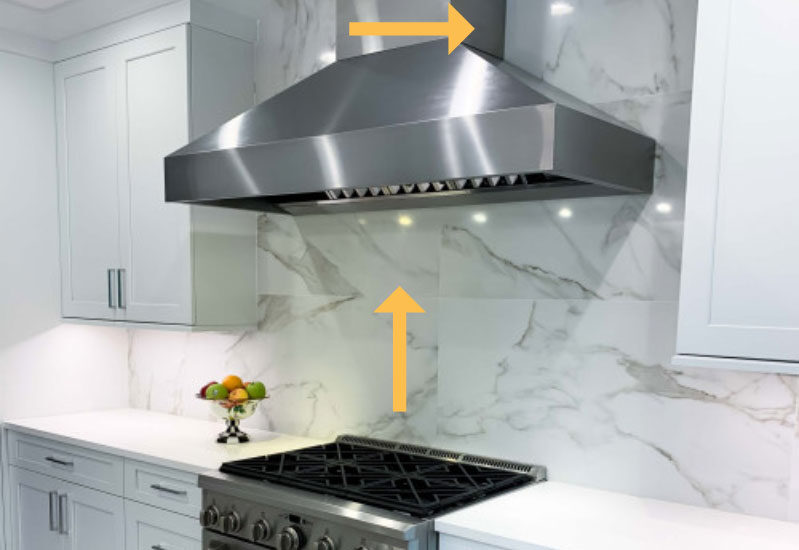
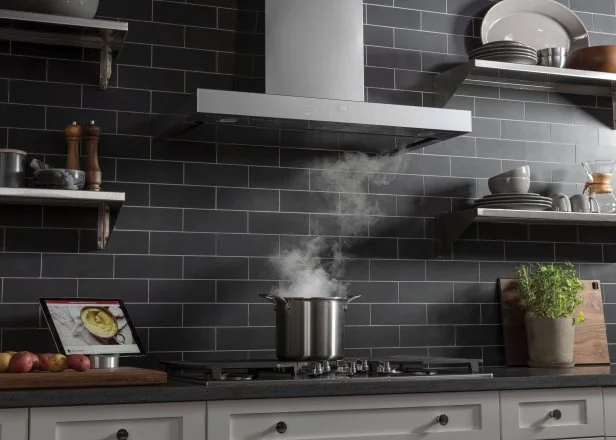
Overhead range hoods are the most common and powerful venting option. They capture smoke, steam, and odors rising directly from the cooktop and vent them outside or filter and recirculate the air. This option tends to be more efficient, especially for frequent or heavy cooking.
Installing a range hood requires space above your cooktop and proper ductwork. Ask yourself: Can your kitchen accommodate a hood without compromising cabinet space? Many cooks prefer overhead hoods because they handle strong cooking smells and grease better.
Recirculating Vents
Recirculating vents suck in air, filter out grease and odors, then release the cleaned air back into the kitchen. This setup is ideal if you can’t install external ductwork due to building restrictions or kitchen design. While easier to install, these vents usually don’t remove moisture or heat as effectively as vented systems.
Consider your cooking frequency and the intensity of meals you prepare. If you cook occasionally or focus on lighter meals, recirculating vents might be enough. Otherwise, you may want to invest in a venting system that fully removes air outside your home.
Local Codes And Regulations
Local codes and regulations play a key role in deciding if a gas cooktop needs venting. These rules protect your home and health by ensuring proper air quality and safety. Knowing what laws apply helps avoid fines and keeps your kitchen safe.
Building Code Requirements
Building codes vary by region but usually require some form of ventilation for gas cooktops. These codes ensure that harmful gases like carbon monoxide do not build up indoors. Venting helps remove smoke, odors, and moisture from cooking areas.
Some areas may allow recirculating vents if they meet specific standards. Others demand direct venting to the outside. Check local codes before installing a cooktop to meet all safety rules.
Manufacturer Recommendations
Manufacturers provide clear guidelines about venting gas cooktops. These instructions match the design and safety features of each model. Following them ensures the appliance works correctly and safely.
Ignoring these recommendations can void warranties and create hazards. Always read the manual to see if venting is mandatory or optional. Use the suggested vent type and size for the best results.
Permits And Inspections
Many areas require permits before installing or modifying gas cooktop ventilation. Permits confirm that the installation meets local building codes. Inspectors check the work to ensure it is safe and compliant.
Failing to get permits can lead to fines and problems when selling your home. Scheduling an inspection after installation is important. It gives peace of mind that your kitchen ventilation is done right.
Credit: blog.yaleappliance.com
Installation Considerations
Installing a gas cooktop involves more than just placing it on the countertop. You need to think carefully about venting to keep your kitchen safe and comfortable. Proper installation ensures that harmful gases and cooking odors don’t linger, and it also protects your appliances and home structure.
Proper Placement Of Vents
Where you place your vents can make a big difference in how well your kitchen stays fresh and smoke-free. Vents should be located directly above the cooktop to capture steam and fumes efficiently. Avoid placing vents too far away or off to the side, as this reduces their effectiveness.
Have you noticed how some kitchens feel stuffy even with a vent hood? That’s often because the vent isn’t positioned correctly. Think about airflow patterns in your kitchen and choose a spot that pulls air straight up and out.
Ductwork And Vent Size
The size of your ductwork matters a lot for venting performance. A duct that’s too small restricts airflow and can cause smoke to back up into your kitchen. Aim for ducts that match or exceed the vent hood’s specifications to ensure smooth exhaust flow.
Using smooth, straight ducts instead of flexible or kinked ones helps maintain strong airflow. This keeps your kitchen air cleaner and reduces the chance of grease buildup inside the ductwork. How often do you check if your ducts are clean and properly sized?
Professional Vs Diy Installation
Installing a vent system yourself can be tempting to save money, but it’s a task that demands precision and know-how. Professionals bring experience and tools that help avoid common pitfalls, like improper vent placement or incorrect duct sizing.
While DIY might work if you’re confident and follow all guidelines, mistakes can lead to poor ventilation or even safety hazards. Consider the risks carefully—would you rather handle a complex installation or have peace of mind knowing it’s done right?
Maintenance And Safety Tips
Proper maintenance and safety checks are vital for gas cooktops. They keep your kitchen safe and your cooktop working well. Neglecting these tasks can cause problems like gas leaks or poor ventilation. Follow these simple tips to maintain your gas cooktop effectively.
Regular Cleaning Of Vents
Vents remove smoke and gases from your kitchen. Dirty vents block airflow and reduce efficiency. Clean vents by removing dust and grease buildup. Use a soft brush or vacuum to clean vent covers. Clean vents monthly to keep air flowing freely.
Checking For Gas Leaks
Gas leaks are dangerous and must be found early. Check connections and hoses for cracks or smells of gas. Use soapy water on joints; bubbles show leaks. If you detect a leak, turn off the gas immediately. Call a professional to fix leaks safely.
Maintaining Optimal Airflow
Good airflow prevents harmful gases from building up. Keep kitchen windows or exhaust fans open during cooking. Avoid blocking vents with objects or curtains. Ensure the vent hood is the right size for your cooktop. Proper airflow protects your health and improves cooking.
Credit: www.hgtv.com
Alternatives When Venting Isn’t Possible
Cooking with a gas cooktop releases heat, moisture, and gases. Proper venting removes these from your kitchen. Sometimes, venting is not an option due to building rules or space limits. Alternatives help keep air clean and kitchen comfortable. These solutions reduce smoke and odors effectively.
Using Air Purifiers
Air purifiers help remove smoke and odors. Choose models with activated carbon filters. They trap gases and chemicals from cooking. HEPA filters catch tiny particles in the air. Place the purifier near the cooktop for best results. Regular filter changes keep the purifier working well.
Maximizing Natural Ventilation
Open windows and doors to let fresh air in. Cross-ventilation moves air through the kitchen fast. Use fans to push stale air outside. Position a fan near a window facing out. This helps pull cooking smells out quickly. Keep vents and openings clear for better airflow.
Choosing Electric Cooktops
Electric cooktops do not produce combustion gases. This means less need for venting. They generate less heat and no open flames. Electric models fit well in small kitchens. Switching to electric can improve indoor air quality. They offer a cleaner cooking experience overall.
Frequently Asked Questions
Does A Gas Cooktop Require Ventilation?
Yes, a gas cooktop needs ventilation to remove combustion gases and cooking odors. Proper venting improves indoor air quality and safety.
What Are The Types Of Venting For Gas Cooktops?
Gas cooktops can use ducted or ductless vent hoods. Ducted vents expel air outside, while ductless filters and recirculate air.
Can A Gas Cooktop Be Used Without A Vent Hood?
Technically, yes, but it is not recommended. Lack of ventilation can cause indoor pollution and potential health hazards.
How Often Should Vent Hoods Be Cleaned?
Vent hoods should be cleaned every 1 to 3 months. Regular cleaning ensures efficient airflow and removes grease buildup.
Conclusion
Ventilation is crucial for gas cooktops. It ensures safety and comfort. Proper venting removes harmful gases. It also reduces heat and moisture. A vented cooktop improves air quality. It enhances your cooking experience. Always consider a good venting system. It protects your health and home.
Choose the right vent for your kitchen. Enjoy safe and efficient cooking. Remember, good ventilation is essential. It keeps your kitchen fresh and healthy.