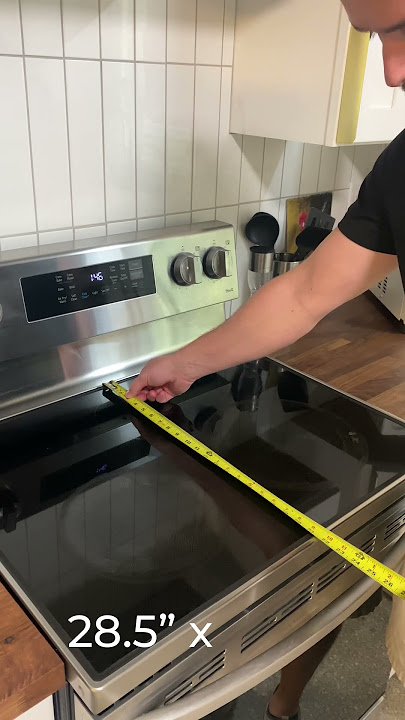
Are you planning to upgrade your kitchen with a sleek new cooktop but aren’t sure how to measure it correctly? You’re in the right place.
Measuring a cooktop might seem straightforward, but a small mistake can lead to a big headache later. Imagine ordering a beautiful new appliance only to find it doesn’t fit your countertop. Frustrating, right? Avoid this hassle by learning the precise steps to measure your cooktop accurately.
In this guide, we’ll walk you through each step with simple instructions, ensuring you get it right the first time. Stay with us to discover the secrets to a perfectly fitting cooktop that will transform your kitchen without the stress.
Tools Needed
Measuring your cooktop accurately starts with having the right tools at hand. Without them, you risk errors that can lead to a poor fit or costly adjustments. Gathering these essentials ensures your measurements are precise and your installation goes smoothly.
Measuring Tape
A flexible measuring tape is your best friend for this task. It lets you measure length and width with ease, even around curves or edges. Choose a tape that’s at least 12 feet long to cover all cooktop sizes comfortably.
Notepad And Pen
Recording your measurements immediately prevents mistakes. Use a small notepad and pen to jot down each dimension as you measure. This habit keeps your data organized and ready for reference when shopping or installing.
Level
Ensuring your cooktop sits perfectly flat is crucial for safety and performance. A level helps you check the counter surface and the cooktop’s position during installation. Even a small tilt can affect cooking results and appliance longevity.
Calculator
Sometimes, measurements need converting or adding up for cutouts and clearances. A calculator helps you quickly handle these numbers without errors. It’s especially useful if your cooktop manual lists dimensions in different units.
Masking Tape
Using masking tape to mark measurements on your countertop can save you from second-guessing. It visually outlines the cooktop’s space, so you can see if it fits before making cuts. Plus, it protects surfaces from pencil marks or scratches.
Types Of Cooktops
Cooktops come in several types, each with unique features and designs. Knowing the type helps you measure correctly and choose the right fit for your kitchen. The main cooktop types include electric, gas, and induction models. Each type requires different considerations during measurement.
Electric Cooktops
Electric cooktops use heating coils or smooth glass surfaces. They need space for coils or a flat surface, so measure the entire cooktop area. These cooktops often have a standard height and depth, but widths can vary. Check the space under the countertop for electrical connections.
Gas Cooktops
Gas cooktops have burners and grates. Measure the width and depth, including the grates. Allow extra space for the gas line and ventilation. The cooktop must fit snugly to prevent gas leaks. Verify clearance around burners for safety and performance.
Induction Cooktops
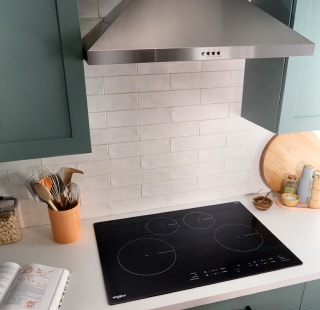
Induction cooktops feature a smooth glass surface with magnetic heating. Measure the surface area carefully for a precise fit. Induction units require specific clearance for electrical wiring. They usually have a lower profile but need proper ventilation beneath.
Key Measurements
Measuring your cooktop accurately is essential before making a purchase or replacement. Knowing the key measurements ensures the new cooktop fits perfectly and functions safely in your kitchen space. Let’s break down the crucial dimensions you need to focus on.
Overall Width And Depth
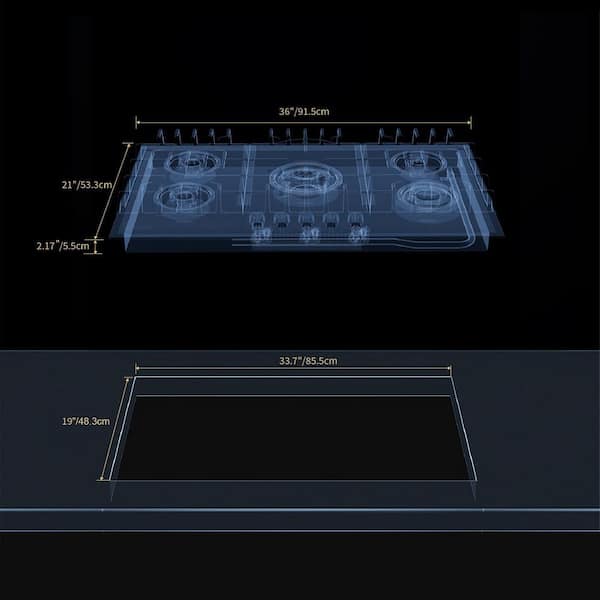
The overall width and depth determine how much countertop space your cooktop will occupy. Use a tape measure to get the exact dimensions from edge to edge.
Don’t guess here—an inch too large or too small can cause installation headaches. Think about the space around the cooktop too; you want enough room to place pots and pans comfortably.
Cutout Dimensions
The cutout dimensions refer to the size of the hole in your countertop where the cooktop will sit. These measurements are often different from the overall size of the cooktop.
Check your existing countertop cutout or consult the manufacturer’s guide. If the cutout is off, your cooktop might not sit flush or could be unstable.
Height And Clearance
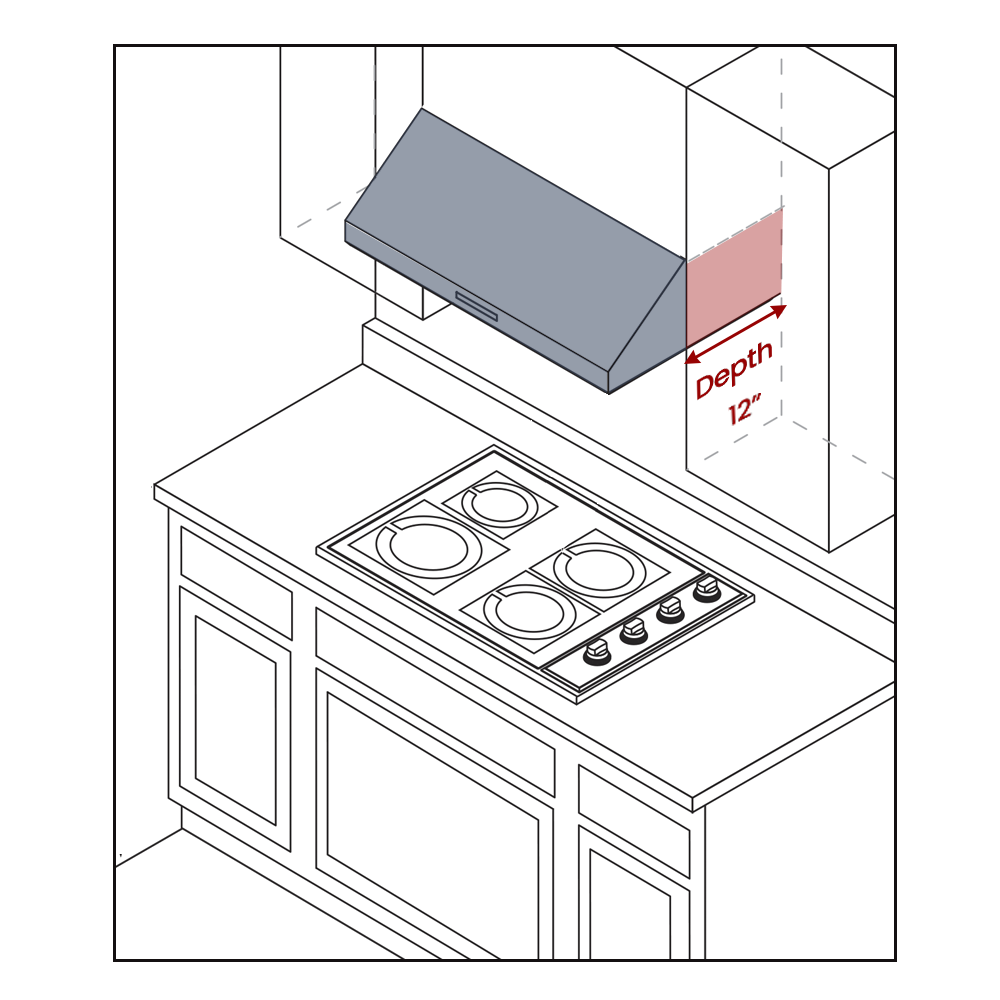
Height includes how tall your cooktop is from the countertop surface. Clearance is the space needed above and around the cooktop for ventilation and safety.
Don’t overlook clearance requirements; they are critical for preventing heat damage and ensuring proper airflow. Have you checked the recommended distance from cabinets or walls in your kitchen?
Credit: www.homedepot.com
Measuring Steps
Measuring a cooktop is key before making a purchase or installation. Precise measurements help avoid costly mistakes. Follow these clear steps to get accurate dimensions for your cooktop and countertop.
Prepare The Area
Clear the countertop space around the cooktop. Remove any items or appliances. Clean the surface for clear visibility. Check the area for any damage or irregularities. This ensures accurate measurement and easy installation.
Measure The Countertop Cutout
Use a tape measure to find the length and width of the existing cutout. Measure from edge to edge inside the cutout. Write down the exact numbers. Check the cutout depth if possible. This helps confirm the cooktop will fit properly.
Measure The Cooktop Size
Measure the cooktop’s overall width and depth. Include any edges or lips that extend beyond the main surface. Note the height of the cooktop from the base to the top. Compare these numbers with the countertop cutout measurements. This step ensures a perfect fit and safe installation.
Common Mistakes
Measuring a cooktop seems simple but can lead to errors. These mistakes cause poor fitting and installation problems. Avoiding common pitfalls ensures smooth installation and better kitchen use.
Ignoring Clearance Space
Space around the cooktop matters for safety and ventilation. Not leaving enough clearance can block airflow and cause overheating. Always measure extra room around the cooktop edges. Check under cabinets and walls for proper gaps.
Using Incorrect Tools
Wrong tools lead to wrong measurements. A flexible tape measure works best for cooktops. Avoid rulers or cloth tapes that bend and give false numbers. Use a level tool to confirm flat surfaces. Accurate tools save time and effort.
Not Checking Manufacturer Specs
Each cooktop has unique size and installation needs. Ignoring the manufacturer’s guide can cause mismatched cuts or unsupported mounts. Always read specs before measuring. Follow the recommended dimensions for cutouts and clearances strictly.
Tips For Accurate Measurement
Accurate measurement is key when fitting a new cooktop. Small errors can cause poor fit or installation problems. Use careful techniques to ensure you get the right size every time.
Double Check Measurements
Measure the cooktop space more than once. Use a tape measure and note the width and length carefully. Check your numbers against the cooktop specs. Measure at least twice to avoid mistakes.
Consider Cooktop Depth
Depth is often overlooked but very important. Measure from the front edge to the back wall. Make sure the cooktop will fit without sticking out or being too far back. Depth affects both appearance and safety.
Account For Cooktop Controls
Controls may add extra space needs. Some cooktops have front or side controls. Measure their position and size. Ensure there is enough room to use and install the controls comfortably.
When To Hire A Professional
Knowing when to hire a professional can save time and avoid mistakes. Measuring a cooktop might seem simple, but several challenges can arise. Safety risks and precise measurements require skill and experience. Choosing a professional ensures the job is done correctly and safely. Below are signs that indicate it is best to call an expert.
Complex Cooktop Designs
Cooktops come in various shapes and sizes. Some models have irregular edges or built-in features. Measuring these accurately can be difficult without proper tools. Professionals have the experience to handle these complex designs. They provide exact measurements that fit perfectly.
Electrical And Gas Connections
Cooktops often connect to gas lines or electrical outlets. Measuring near these connections can be risky. Mistakes might cause leaks or electrical faults. Experts understand safety protocols and local codes. They protect your home and ensure proper installation.
Tight Or Hard-to-reach Spaces
Some kitchens have limited space around the cooktop area. Measuring in tight spots can lead to errors. Professionals use specialized tools to measure accurately in confined spaces. This helps avoid costly replacements or adjustments later.
Custom Cabinetry Or Countertops
Custom cabinets or countertops require precise cooktop measurements. A small error can damage these expensive fixtures. Professionals measure carefully to fit the cooktop without harming surrounding surfaces. Their work preserves the beauty of your kitchen.
Lack Of Measuring Tools Or Experience
Not having the right tools can lead to wrong measurements. Also, inexperience increases the chance of mistakes. Professionals come prepared with proper equipment and skills. This guarantees accurate results and peace of mind.
Credit: www.2pacific.com
Credit: www.whirlpool.com
Frequently Asked Questions
How Do I Measure The Width Of A Cooktop?
Measure the cooktop’s width from the outer edges. Use a tape measure for accuracy. Record the measurement in inches for standard sizing.
What Is The Best Way To Measure Cooktop Depth?
Measure from the front edge to the back edge of the cooktop. Ensure the tape measure is straight for precise depth measurement.
Should I Include The Cooktop Lip In Measurements?
Yes, include the lip or rim in your measurements. This ensures the cooktop fits properly in the countertop cutout.
How To Measure Cooktop Cutout Dimensions Accurately?
Measure the length and width of the countertop cutout space. Compare these with the cooktop’s specifications to confirm compatibility.
Conclusion
Measuring a cooktop is simple with the right steps. Start by using a tape measure for width and depth. Check the space where you want to install it. Remember to measure carefully to avoid mistakes. Knowing the exact size helps you choose the best cooktop.
It also makes installation easier and safer. Take your time and measure twice if needed. This way, your kitchen upgrade will fit perfectly and work well.