Are you curious about the magic of induction cooktops and how they can revolutionize your cooking experience? You’re not alone.
Many home cooks are discovering the efficiency and precision these innovative appliances offer. Imagine being able to boil water faster, maintain a steady simmer, and enjoy a cooler kitchen—all while using less energy. Sounds intriguing, right? In this guide, you’ll learn exactly how to cook on an induction cooktop, unlocking its full potential and transforming the way you prepare meals.
Whether you’re a culinary novice or an experienced chef, understanding the nuances of induction cooking can elevate your kitchen skills to new heights. Ready to dive in and discover the secrets behind this modern marvel? Keep reading to master the art of induction cooking.
Choosing The Right Cookware
Choosing the right cookware is essential to get the best performance from your induction cooktop. Not all pots and pans will work, so understanding what suits this technology can save you time and frustration in the kitchen.
Using incompatible cookware might result in uneven heating or no heating at all. So, how do you pick the perfect pots and pans for your induction stove?
Compatible Materials
Induction cooktops require cookware made from magnetic materials. This usually means:
- Cast iron– excellent heat retention and perfect for slow cooking.
- Stainless steel– durable and often designed with a magnetic base.
- Carbon steel– great for searing and frying due to quick heat response.
Materials like glass, copper, or aluminum won’t work unless they have a special magnetic layer added to the base.
Checking Magnetic Properties
Wondering if your current cookware will work on an induction cooktop? The simplest test is to use a magnet.
- Hold a magnet to the base of your pan.
- If it sticks firmly, your cookware is induction-compatible.
- If it doesn’t, the pan won’t heat properly on the cooktop.
I once bought a beautiful copper pan and was disappointed when it didn’t work on my induction stove. Testing with a magnet saved me from making that mistake again.
Recommended Cookware Brands
Some brands make cookware specifically designed for induction cooking. Here are a few reliable names:
- All-Clad– known for high-quality stainless steel sets with magnetic bases.
- Lodge– offers durable cast iron skillets that perform well on induction.
- T-fal– produces affordable non-stick pans compatible with induction.
Choosing trusted brands ensures you get cookware that heats evenly and lasts long, giving you confidence in every meal you prepare.
Setting Up Your Induction Cooktop
Setting up your induction cooktop correctly is key to getting the best cooking results. It’s not just about plugging it in and turning it on. Paying attention to placement, understanding the power levels, and knowing the safety features can make your cooking experience smoother and safer.
Placement And Ventilation
Choose a flat, stable surface for your induction cooktop. It should be near a power outlet but away from water sources to avoid hazards.
Ventilation matters more than you might think. Ensure there’s enough space around the cooktop to let heat escape. A cramped spot can cause overheating and reduce efficiency.
Have you noticed your cooktop gets hot quickly? That’s why good airflow is essential to keep it running well and prevent damage.
Power Settings Explained
Induction cooktops offer several power levels, usually ranging from low simmer to high boil. Start low when warming delicate sauces, and ramp up for boiling water or frying.
Each number on the control panel represents a specific heat intensity. Learning what each setting does helps avoid undercooked meals or burnt pots.
Try experimenting with mid-range settings for most dishes; it often gives you more control than max heat.
Safety Features To Know
Induction cooktops include safety features like auto shut-off and child locks. These protect your kitchen from accidents and unexpected fires.
Some models detect if there’s no pot on the surface and automatically turn off. This saves energy and prevents burns.
Do you have curious children at home? Activating the child lock can give you peace of mind while cooking.
Cooking Techniques For Induction
Cooking on an induction cooktop requires different techniques than traditional stovetops. The heat transfers quickly and precisely. This makes it easier to control cooking temperatures. Learning specific methods helps to make the most of induction cooking. Use these tips for better results with your induction cooktop.
Boiling And Simmering
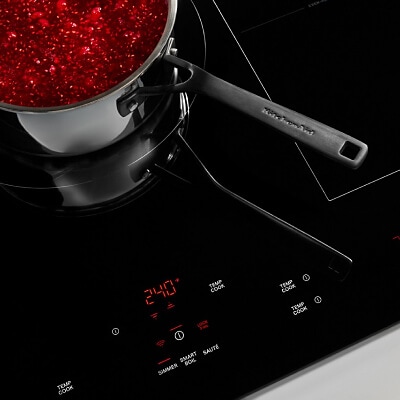
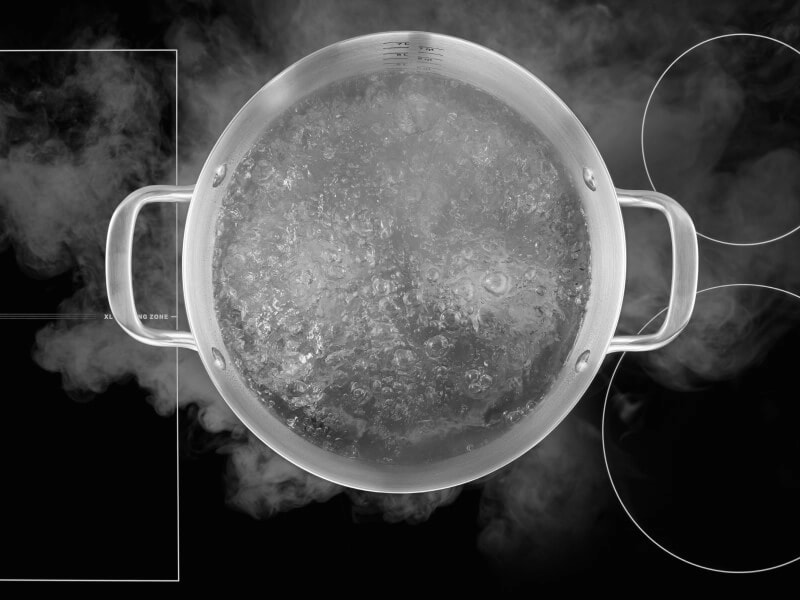
Induction cooktops heat water and liquids very fast. Bring water to a boil quickly by using high heat. To simmer, lower the temperature right after boiling starts. Induction keeps the temperature steady, so simmering is easy to control. Use a pot that fits the cooking zone for best results.
Searing And Frying
Induction cooktops reach high temperatures rapidly, ideal for searing meat. Preheat your pan for a minute before adding food. Use heavy-bottomed pans for even heat distribution. Fry foods on medium to high heat, adjusting as needed. The precise heat control prevents burning and helps create a perfect crust.
Slow Cooking Tips
Slow cooking on induction needs lower heat settings. Use a heavy pot to keep heat steady. Start with medium heat, then reduce to low. Cover the pot to keep moisture in. Check food regularly to avoid overcooking. Induction’s precise heat control makes slow cooking easier and more energy-efficient.
Credit: www.kitchenaid.com
Maintaining Temperature Control
Maintaining temperature control is key to cooking well on an induction cooktop. These cooktops heat up fast and respond quickly to changes. This makes it easier to cook food evenly and avoid burning. Understanding how to manage heat settings and timing helps achieve perfect results every time.
Adjusting Heat Levels
Induction cooktops have clear heat settings. Start with medium heat for most dishes. Increase or decrease heat depending on the cooking stage. Use low heat to simmer sauces or melt chocolate slowly. High heat works well for boiling water or searing meat quickly. Small changes can make a big difference in cooking speed and food texture.
Using Timers Effectively
Timers help prevent overcooking or burning food. Set timers for each cooking step. Use the cooktop’s built-in timer or a separate kitchen timer. Check food when the timer goes off. Adjust time based on food thickness and recipe needs. Timers keep you on track and reduce guesswork while cooking.
Avoiding Overheating
Overheating can damage food and cookware. Watch for smoke or burning smells. Lower the heat immediately if this happens. Avoid leaving the cooktop on high heat for too long. Use cookware that matches the size of the cooking zone. This ensures heat spreads evenly and prevents hot spots.
Cleaning And Care
Keeping your induction cooktop clean and well-maintained ensures it works efficiently for years. Regular care prevents damage and keeps the surface shiny. Simple habits make cleaning easy and protect your investment.
Daily Cleaning Routine
Wipe the cooktop after each use with a soft cloth. Use warm water and mild dish soap for gentle cleaning. Avoid harsh chemicals or abrasive sponges that can damage the surface. Dry the surface completely to prevent streaks and water spots.
Dealing With Spills
Clean spills immediately to avoid stains. Use a damp cloth or sponge to remove fresh spills. For stubborn spots, apply a cooktop cleaner made for induction surfaces. Avoid scraping with sharp tools that can scratch the glass.
Preventing Scratches
Use cookware with smooth, flat bottoms to protect the surface. Lift pots and pans instead of sliding them across the cooktop. Avoid dropping heavy items that can chip or crack the glass. Place a soft cloth under cookware if needed to reduce friction.
Credit: www.maytag.com
Common Mistakes To Avoid
Cooking on an induction cooktop requires attention to specific details. Avoiding common mistakes helps keep your cooking smooth and efficient. These errors can cause poor heating and even damage your cooktop. Recognizing and steering clear of these pitfalls makes your cooking experience better and safer.
Using Incompatible Cookware
Induction cooktops need cookware with magnetic bases. Non-magnetic pots will not heat properly. Check if your pan sticks to a magnet before use. Avoid glass, aluminum, or copper cookware unless they have a magnetic layer. Using the right cookware ensures fast and even heating.
Overloading The Cooktop
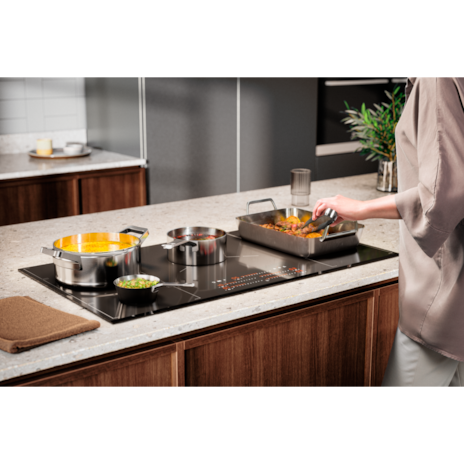
Placing too many pots on the cooktop reduces heat efficiency. Crowding pans limits airflow and slows cooking. Leave space between pots for even heat distribution. Follow the cooktop’s size limits to avoid overheating. Overloading can also trigger safety shutdowns.
Ignoring Manufacturer Guidelines
Each induction cooktop has unique instructions. Skipping the manual can lead to misuse and damage. Learn about power settings and cleaning rules. Use recommended cookware sizes and types. Following guidelines extends your cooktop’s life and improves safety.
Tips For Perfect Meals
Cooking on an induction cooktop offers precision and control. To create perfect meals, focus on key techniques that enhance flavor and texture. These tips help you get the most from your induction cooking experience. Enjoy tasty dishes every time you cook.
Optimizing Cooking Times
Induction cooktops heat up quickly and respond fast to changes. Adjust cooking times shorter than traditional stoves. Start with medium heat to avoid burning food. Use a timer to monitor dishes closely. Check food often to prevent overcooking. Remember, less time often means better texture and flavor.
Layering Flavors
Build flavors by adding ingredients step by step. Begin with aromatics like onions and garlic. Sauté them briefly to release scents. Add spices early to bloom their taste. Include liquids gradually to blend layers smoothly. Taste as you cook and adjust seasoning. This method creates richer, deeper flavors in every dish.
Using Induction For Diverse Cuisines
Induction cooktops suit many cooking styles. From stir-fries to soups, control heat easily. Use low heat for slow cooking dishes. High heat works well for searing meats. Try simmering sauces or boiling pasta quickly. The cooktop adapts to your recipe’s needs. Experiment with different cuisines confidently and enjoy varied meals.
Credit: www.electrolux.co.th
Frequently Asked Questions
What Cookware Works Best On An Induction Cooktop?
Cookware made of magnetic materials like cast iron or stainless steel works best. Avoid aluminum or glass pots unless they have a magnetic base.
How Do You Adjust Heat On An Induction Cooktop?
Use the control panel to increase or decrease heat levels instantly. Induction cooktops offer precise temperature control for better cooking results.
Is Induction Cooking Energy Efficient Compared To Gas?
Yes, induction cooktops use less energy by directly heating the pan. They cook faster and reduce wasted heat, saving energy and costs.
Can You Use Any Pot Size On An Induction Cooktop?
Induction cooktops require pots that match the cooking zone size for best efficiency. Using smaller or larger pots may cause uneven heating.
Conclusion
Cooking on an induction cooktop is simple and fast. Use the right cookware for best results. Keep the surface clean to avoid scratches. Control the heat carefully to cook food evenly. Enjoy the safety features that protect you from burns.
Practice a few times to get used to it. Soon, cooking will feel easier and more fun. Try new recipes and explore different meals. Induction cooking offers a modern way to prepare food. Give it time, and you will see the benefits clearly.