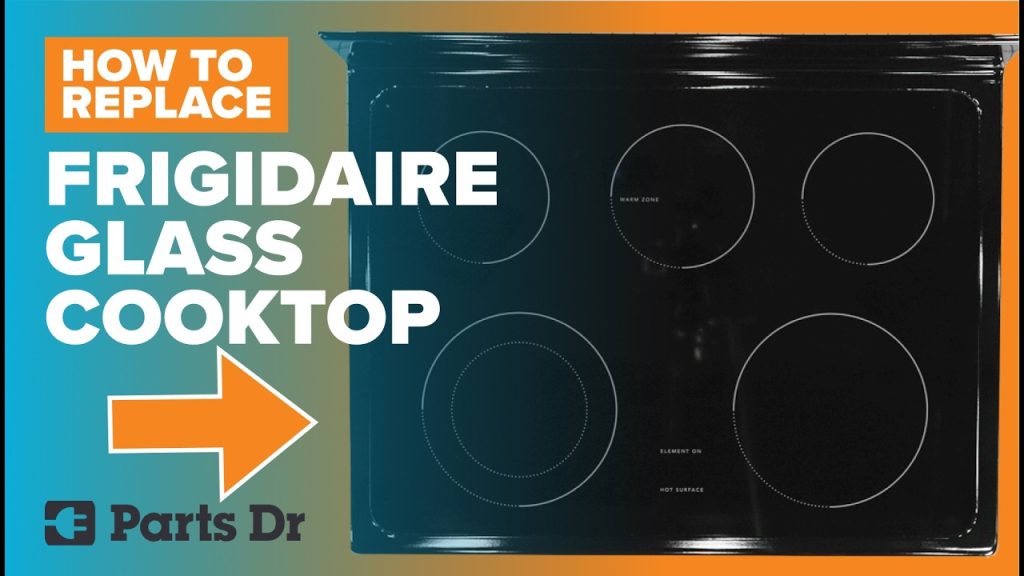
Are you dealing with a cracked or shattered cooktop glass? You might be worried about the cost of replacement or the hassle of calling a professional.
Don’t fret! Replacing a cooktop glass isn’t as daunting as it seems, and you can do it yourself with a bit of guidance. Imagine the satisfaction of not only fixing it on your own but also saving some money along the way.
In this guide, we’ll walk you through every step of the process, ensuring you have a clear, safe, and efficient path to get your kitchen back in top shape. By the end, you’ll feel empowered and accomplished, ready to tackle any kitchen repair with confidence. So, are you ready to master this handy skill and transform your kitchen space? Let’s dive in!
Tools And Materials Needed
Replacing a cooktop glass requires the right set of tools and materials to ensure the job goes smoothly. Using improper tools can lead to damaged parts or even injury. Preparing these essentials ahead of time saves frustration and helps you work efficiently.
Essential Tools For Cooktop Glass Replacement
- Screwdrivers:Both flathead and Phillips screwdrivers are necessary to remove screws securing the glass and other components.
- Putty Knife or Plastic Scraper:Useful for gently prying the glass off without causing damage to the surrounding surfaces.
- Gloves:Thick, cut-resistant gloves protect your hands from sharp glass edges during removal and installation.
- Socket Wrench Set:Some cooktops have bolts that require a socket wrench for removal.
- Vacuum Cleaner or Brush:To clean any glass shards and debris safely after removal.
Materials You’ll Need For A Successful Swap
- Replacement Cooktop Glass:Make sure to get the exact model or a compatible glass panel designed for your cooktop.
- High-Temperature Adhesive or Sealant:This helps secure the new glass and withstands the heat generated during cooking.
- Cleaning Supplies:Use glass cleaner and a lint-free cloth to prepare the surface before installation.
- Masking Tape:Helpful for marking positions or holding components temporarily during the replacement.
Why Skipping Proper Tools Can Cost You More
Imagine trying to pry off the glass with a kitchen knife—sounds risky, right? Using the wrong tools often leads to scratches, cracks, or injury. I once tried using a butter knife in a pinch and ended up with a chipped edge that cost extra to replace.
Are you ready to gather your tools and materials carefully? Having everything at hand before you start keeps frustration low and confidence high.
Safety Precautions
Replacing a cooktop glass requires careful attention to safety. Handling glass and electrical parts can be risky. Taking proper precautions protects you from injury and damage.
Wear safety gear and prepare your workspace well. Follow each safety step to make the job safer and easier.
Wear Protective Gloves And Eyewear
Gloves protect your hands from sharp edges and broken glass. Eyewear shields your eyes from flying shards or dust. Choose thick, cut-resistant gloves and safety glasses.
Turn Off Power Supply
Always disconnect the cooktop from electricity before starting. This stops electric shocks and accidents. Unplug the appliance or switch off the circuit breaker.
Work In A Clean, Clear Area
Clear your workspace of clutter to avoid tripping or dropping glass. Use a flat, stable surface to place removed parts. Good lighting helps you see small details.
Handle Glass With Care
Lift and move glass slowly to prevent cracks or breaks. Avoid applying pressure on fragile spots. Set glass down gently on a soft cloth or padded surface.
Use Proper Tools Only
Use tools designed for appliance repair to avoid damage. Avoid makeshift tools that can slip or break. Keep tools organized and within reach during the task.
Removing The Old Cooktop Glass
Removing the old cooktop glass is the first important task in replacing it. This step ensures safety and prepares the cooktop for the new glass installation. Careful handling is necessary to avoid injury and damage to the appliance.
Disconnecting Power Supply
Turn off the cooktop’s power at the circuit breaker. Do not rely on the control knobs to cut power. Use a voltage tester to confirm no electricity flows. This prevents electric shock during the glass removal process.
Detaching Cooktop From Counter
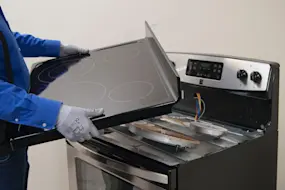
Clear the area around the cooktop for easy access. Remove screws or clips that hold the cooktop in place. Gently lift the cooktop out of the countertop opening. Place it on a flat, sturdy surface to work on safely.
Removing Broken Glass
Wear thick gloves to protect your hands from sharp edges. Carefully lift or pry loose glass pieces away from the frame. Use a putty knife to remove stubborn fragments without scratching the surface. Dispose of broken glass in a strong container to avoid injury.
Credit: www.searspartsdirect.com
Cleaning And Preparing The Surface
Cleaning and preparing the surface before replacing your cooktop glass is crucial for a secure fit and lasting durability. Neglecting this step can lead to poor adhesion or uneven installation, which might cause damage or safety issues later on. Taking your time to properly clean and prep ensures the new glass sits perfectly and looks great.
Removing Old Adhesive And Debris
Start by carefully scraping off any old adhesive or sealant left on the cooktop frame. Use a plastic scraper or a razor blade at a shallow angle to avoid scratching the metal or surrounding surfaces. If the adhesive is stubborn, apply a bit of rubbing alcohol or a commercial adhesive remover and let it sit for a few minutes before scraping again.
Don’t rush this step—any leftover residue can prevent the new glass from sticking properly. Think of it like laying a new floor; you want a clean, smooth base.
Cleaning The Surface Thoroughly
After removing debris, clean the entire surface with a mild detergent and warm water to get rid of grease and dirt. Use a lint-free cloth to avoid leaving fibers behind, which could interfere with adhesion. Finish with a wipe-down using isopropyl alcohol to ensure the surface is completely free of oils.
Have you ever installed something only to find it slipping or not sealing well? Often, it’s because the surface wasn’t clean enough.
Checking For Damage And Leveling
Inspect the cooktop frame for any dents, bends, or damage that could affect how the glass sits. Even slight warping can cause gaps or uneven pressure on the glass. Use a level to check the surface flatness and gently tap out minor bends if possible.
If you find significant damage, it’s better to address it before proceeding. How would you feel if your brand-new glass cracked because the base wasn’t flat?
Installing The New Cooktop Glass
Installing the new cooktop glass needs careful handling. It ensures your cooktop looks great and works well. Follow simple steps to position and secure the glass properly.
Positioning The Glass
Place the new glass gently on the cooktop frame. Align it so all edges match perfectly. Check for any gaps or uneven spots around the glass. Make sure the surface is clean and dry before placing the glass.
Securing The Cooktop
Use screws or clips to hold the glass firmly in place. Tighten each fastener evenly to avoid pressure points. Avoid over-tightening to prevent glass damage. Double-check the glass does not move or shift.
Reconnecting Power
Plug the cooktop back into the power source. Turn the circuit breaker on if it was switched off. Test the cooktop to confirm all burners heat correctly. Ensure no unusual sounds or smells appear during testing.
Credit: www.searspartsdirect.com
Testing The Cooktop
Testing the cooktop after replacing the glass is a crucial step to make sure everything works safely and correctly. It’s not just about turning it on; it’s about checking each burner, the controls, and watching for any signs of trouble. Taking a moment here can save you from bigger headaches later.
Visual Inspection Before Powering On
Before you plug in the cooktop, look closely at the glass and connections. Check for any cracks, loose screws, or misaligned parts that could cause issues.
Even a tiny chip in the glass might turn into a dangerous crack when heated.
Testing Each Burner Individually
Turn on each burner one by one to confirm they ignite properly. Watch the flame or heating element closely for a few minutes.
If a burner flickers, doesn’t ignite, or heats unevenly, you might need to revisit your installation or check the gas/electric connections.
Checking Control Panel Functionality
Use all control knobs or touch buttons to verify they respond smoothly. Pay attention to any unusual sounds or delayed responses.
A control that sticks or fails to register can indicate wiring problems or faulty parts.
Monitoring For Heat Distribution
Feel the surface temperature around the cooktop glass carefully after testing burners. Uneven heat spots can signal improper glass fitting or underlying damage.
Did you know that even slight misalignment can cause hotspots? That’s why this step often surprises people.
Safety Precautions During Testing
- Keep a fire extinguisher nearby just in case.
- Do not leave the cooktop unattended while testing.
- Use insulated gloves if you need to touch hot parts.
Your safety is more important than rushing through the test.
Tips For Maintaining Cooktop Glass
Maintaining your cooktop glass keeps it clear and safe to use. Clean glass looks nice and lasts longer. Proper care stops scratches and cracks. Follow simple habits to protect your cooktop glass every day.
Keep The Surface Clean Daily
Wipe spills quickly to avoid stains and damage. Use a soft cloth or sponge with mild soap. Avoid abrasive pads that can scratch the glass. Clean the glass after every use for best results.
Avoid Placing Hot Cookware Directly
Do not put hot pots or pans on the glass surface. Sudden heat changes can cause cracks. Use trivets or heat-resistant pads to protect the glass.
Use The Right Cleaners
Choose cleaners made for glass cooktops. Avoid harsh chemicals and bleach. These can dull or damage the surface. Test new cleaners on a small area first.
Prevent Heavy Impacts
Handle pots and pans carefully near the cooktop. Avoid dropping heavy items on the glass. Even small chips can grow into cracks over time.
Check For Damage Regularly
Inspect your cooktop glass for chips or scratches often. Small damage can worsen if ignored. Replace the glass quickly if you find serious cracks.
Use Cookware With Smooth Bottoms
Choose pots and pans with flat, smooth bases. Rough bottoms can scratch the glass surface. Clean cookware bottoms before use to avoid grit buildup.

Credit: www.youtube.com
Frequently Asked Questions
How Do I Safely Remove A Broken Cooktop Glass?
First, unplug the cooktop and wear heavy gloves. Carefully lift the broken glass pieces. Use a vacuum to clean tiny shards. Dispose of glass safely to avoid injury.
What Tools Are Needed To Replace Cooktop Glass?
You need a screwdriver, replacement glass, gloves, and a putty knife. A vacuum helps clean glass shards. Always check your cooktop model for specific tools.
How Long Does It Take To Replace Cooktop Glass?
Replacing cooktop glass usually takes 30 to 60 minutes. Time varies with your skill level and cooktop type. Prepare all tools and parts beforehand for efficiency.
Can I Replace Cooktop Glass Myself Or Hire A Professional?
You can replace it yourself if you’re confident with tools. For complex models or safety concerns, hire a professional. DIY saves money but requires caution.
Conclusion
Replacing a cooktop glass can seem tough, but it is doable. Take your time and follow each step carefully. Always keep safety in mind to avoid accidents. Using the right tools makes the job easier and faster. With patience, your cooktop will look and work like new.
This simple fix saves money and adds value to your kitchen. Try it yourself and enjoy cooking again with a clear, sturdy glass top.