Have you ever wondered if your electric cooktop needs to be vented? You’re not alone.
As you stand in your kitchen, pondering the best way to keep your cooking space fresh and smoke-free, this question might have crossed your mind. After all, the last thing you want is a kitchen filled with lingering odors or a smoke detector that just won’t stop chirping.
Understanding whether or not venting is necessary could save you from potential hassles and enhance your cooking experience. We’ll dive into the details and clear up any confusion. You’ll discover the essential facts about venting electric cooktops, and whether they apply to your kitchen setup. With this knowledge, you’ll be empowered to make informed decisions for a more enjoyable and efficient cooking environment. So, let’s explore the truth behind venting electric cooktops and find out what really suits your kitchen needs.
Electric Cooktops And Ventilation
Understanding whether electric cooktops need ventilation is important for maintaining a safe and comfortable kitchen environment. Unlike gas stoves, electric cooktops operate differently, which influences the type and level of ventilation required. Let’s take a closer look at how these cooktops work and what kind of heat and emissions they produce.
How Electric Cooktops Work
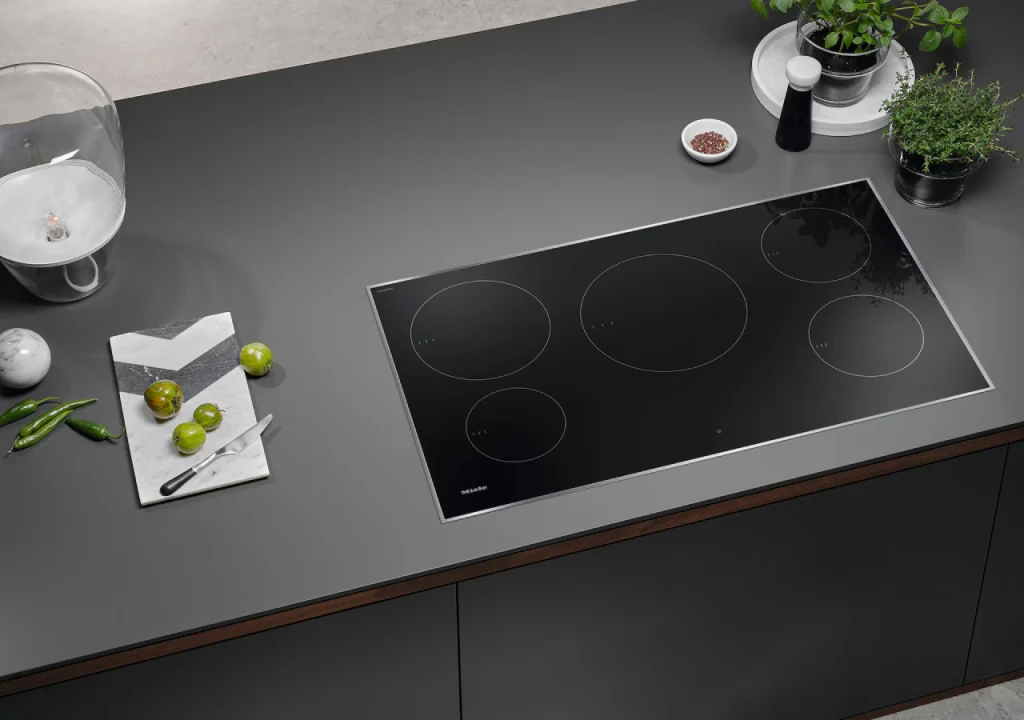
Electric cooktops use electric heating elements beneath a smooth glass or ceramic surface to heat your pots and pans. These elements heat up when electricity passes through them, transferring heat directly to the cookware. Because there’s no open flame, the cooking surface stays cleaner and cooler compared to gas stoves.
Have you noticed how quickly your electric cooktop heats up? That’s because the heat is concentrated and controlled precisely, allowing for consistent cooking temperatures. This precision reduces the chance of excess heat escaping into your kitchen.
Heat And Emission Characteristics
Electric cooktops produce heat differently from gas stoves, which burn fuel and release combustion gases like carbon monoxide and nitrogen dioxide. Since electric cooktops do not involve combustion, they don’t emit these harmful gases.
However, they do generate heat and steam from the food you cook. This moisture and heat can build up in your kitchen if not properly ventilated. So, is ventilation still necessary? Yes, especially to remove steam, smoke from burning food, and cooking odors.
- Electric cooktops emit less heat into the room compared to gas stoves.
- They do not release combustion gases, making indoor air quality better.
- Ventilation helps control humidity and odors during cooking.
Think about your last cooking session—did the kitchen feel stuffy or humid afterward? Proper ventilation can prevent that discomfort, making your kitchen more enjoyable and safe.

Credit: www.kitchenaid.ca
Venting Basics For Cooktops
Understanding venting basics for cooktops is essential whether you’re upgrading your kitchen or building a new one. Ventilation impacts your cooking experience, air quality, and even the lifespan of your appliances. Let’s break down why venting matters and the common systems used with cooktops.
Purpose Of Kitchen Ventilation
Kitchen ventilation removes smoke, steam, and odors that build up while cooking. Without proper venting, your kitchen can quickly become uncomfortable and even unhealthy. Have you ever noticed a lingering burnt smell that just won’t go away? That’s a sign your ventilation isn’t doing its job.
Besides clearing the air, ventilation helps reduce grease buildup on surfaces and prevents excess moisture, which can lead to mold. Good airflow also protects your walls and ceilings from stains and damage caused by cooking fumes.
Types Of Ventilation Systems
There are mainly two types of ventilation systems for cooktops: ducted and ductless. Each has its own benefits and limitations depending on your kitchen layout and needs.
- Ducted Systems:These vent air outside your home through ducts. They’re highly effective at removing smoke and odors but require space and proper installation. If you have the option, ducted systems usually provide the best air quality.
- Ductless Systems:These use filters to clean the air and recirculate it back into the kitchen. They’re easier to install but need regular filter changes to stay effective. Think about whether you’re willing to maintain filters frequently.
Choosing the right system depends on your kitchen’s design and how much ventilation you need. What’s your cooking style like—do you often fry or use high heat? Those factors can help you decide which venting option works best for your electric cooktop.
Do Electric Cooktops Require Vents?
Do electric cooktops require vents? This question often comes up during kitchen design or appliance upgrades. Venting helps remove smoke, odors, and moisture from cooking areas. Whether electric cooktops need vents depends on several factors, including the type of cooking and kitchen setup.
Comparing Electric And Gas Cooktops
Electric cooktops do not produce open flames or combustion gases. This reduces the amount of harmful pollutants released during cooking. Gas cooktops burn natural gas or propane, creating combustion byproducts like carbon monoxide and nitrogen dioxide.
Gas cooktops usually require ventilation to remove these harmful gases. Electric cooktops produce less smoke and fumes, so they generate fewer indoor air quality issues. Cooking smells and steam still happen, but they are less intense than with gas.
Still, venting electric cooktops can improve air circulation and reduce odors. It also helps remove steam from boiling or frying, protecting walls and cabinets from moisture damage.
Manufacturer Recommendations
Check the cooktop manual for venting advice. Manufacturers often recommend using a range hood or exhaust fan. This keeps the kitchen air fresh and clean. Some electric cooktops have built-in downdraft vents that pull air down and out.
Some models do not require external venting but suggest good general ventilation. Using an exhaust fan or window helps keep air moving. Proper ventilation prevents grease buildup and reduces cooking smells.
Following manufacturer guidelines ensures safe and efficient use. It also protects the cooktop and kitchen from damage over time. Venting might not be mandatory for all electric cooktops but remains a good practice.

Credit: www.whirlpool.com
Benefits Of Venting Electric Cooktops
Venting electric cooktops offers several advantages that directly impact your cooking experience and kitchen environment. While electric cooktops don’t produce open flames, they still generate heat, steam, and cooking odors that can linger. Proper venting helps manage these byproducts effectively, making your kitchen more pleasant and healthier.
Reducing Odors And Smoke
Even with electric cooktops, cooking strong-smelling foods can leave persistent odors in your kitchen. Venting helps pull these odors out quickly, preventing them from settling on walls, cabinets, and fabrics.
Have you noticed how some smells just seem to stick around for hours or even days? A good vent system tackles this problem, keeping your kitchen smelling fresh and inviting.
Improving Air Quality
Cooking releases tiny particles and moisture that can affect the air you breathe. Without venting, these particles accumulate, potentially causing discomfort or aggravating allergies.
Venting removes excess moisture and airborne particles, maintaining cleaner air in your kitchen. This is especially important if you or your family members have respiratory sensitivities.
Enhancing Kitchen Comfort
Heat from cooking can make your kitchen uncomfortably warm and stuffy. Venting helps regulate temperature by removing excess heat and steam.
Imagine preparing a meal without feeling like you’re in a sauna. Effective venting keeps the kitchen environment comfortable, so you can focus on cooking without distractions from heat or humidity.
Alternatives To Traditional Venting
Electric cooktops do not always require traditional venting systems. Many kitchens cannot install standard vents due to space or building limits. Alternatives to traditional venting provide effective ways to keep air clean. These options help remove smoke, odors, and grease without major construction. They work well in apartments or places with no external vent access.
Recirculating Range Hoods
Recirculating range hoods pull air through filters to trap grease and odors. The cleaned air then returns to the kitchen. These hoods use charcoal or carbon filters to absorb smells. They do not need a duct to the outside. This makes installation easier and cheaper.
Regular filter changes keep recirculating hoods working well. They come in many styles and sizes to fit different cooktops. Though they do not remove heat, they improve kitchen air quality.
Downdraft Ventilation Options
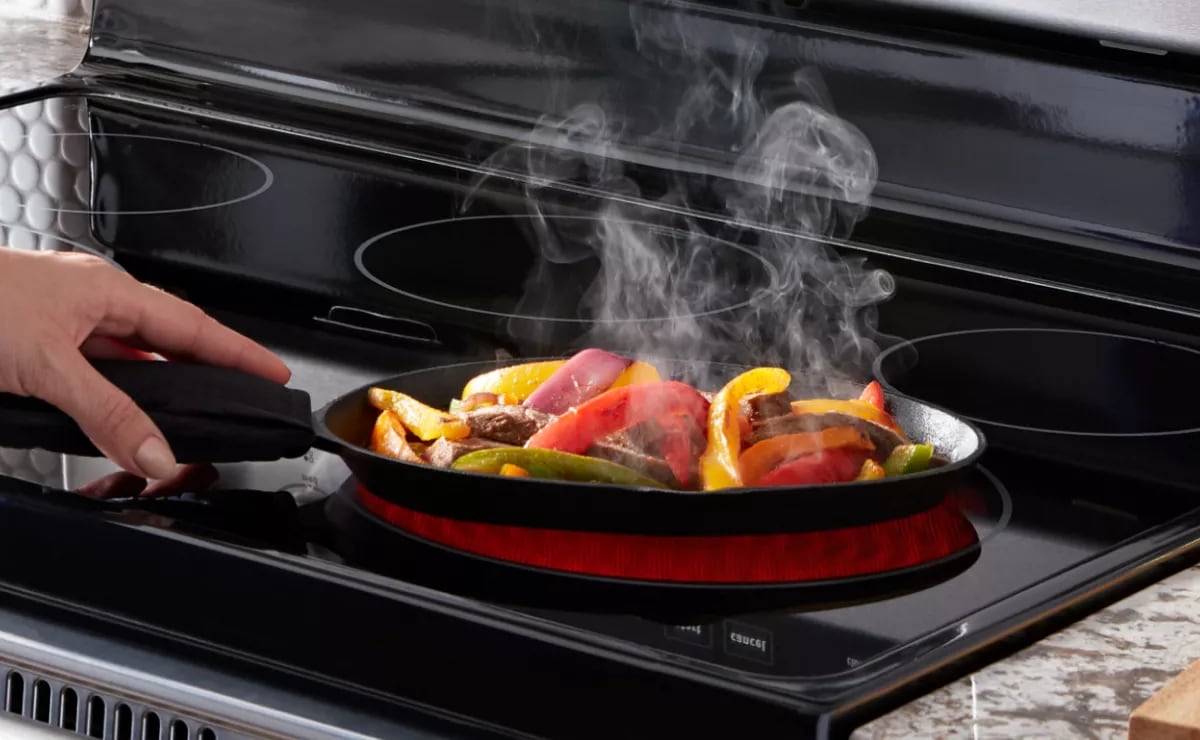
Downdraft ventilation pulls smoke and steam down through vents built into the cooktop or countertop. The air moves through filters and exits outside or recirculates.
This system stays low and out of sight, perfect for open kitchens. It works well with island cooktops lacking overhead space. Downdraft vents may connect to ducts or use filters for recirculation.
They require less ceiling space but may need more countertop area. Proper design ensures good airflow and keeps cooking areas clear.
Credit: www.maytag.com
Installation Considerations
Installing an electric cooktop requires careful planning to ensure safety and efficiency. Proper installation affects cooking performance and kitchen comfort. Consider several factors to avoid common issues.
Placement And Clearance
Choose a spot with enough space around the cooktop. Leave clearances as recommended by the manufacturer. Avoid placing the cooktop too close to walls or cabinets. Proper clearance prevents heat damage and allows airflow. It also ensures safe cooking and easy cleaning.
Ducting Requirements
Electric cooktops may not always need venting, but many kitchens benefit from exhaust systems. If you install a vent hood, use ducts to remove smoke and odors outside. Use smooth, straight ducts for better airflow. Avoid long or twisted ducts that reduce efficiency. Check local building codes for ducting rules.
Noise And Maintenance
Vent fans can create noise during operation. Choose a quiet model to keep your kitchen peaceful. Regularly clean filters and ducts to maintain airflow and reduce noise. Proper upkeep extends the vent’s life and keeps your kitchen fresh.
When Venting Might Not Be Necessary
Electric cooktops do not always require venting. Certain situations allow you to skip a vent hood without affecting kitchen air quality. Understanding these cases helps maintain a safe cooking space.
Small Cooking Tasks
Light cooking produces little smoke or steam. Boiling water, reheating food, or toasting bread create minimal fumes. These tasks rarely need venting to keep air fresh.
Simple meals with low heat usually do not release strong odors. A small fan or open window can clear minor smells easily. Venting is less critical during quick, low-intensity cooking.
Well-ventilated Kitchen Spaces
Kitchens with good airflow reduce the need for venting. Large windows, doors, or cross-ventilation help remove smoke and odors. Fresh air circulation keeps the room comfortable and safe.
Using ceiling fans or portable fans also aids in dispersing steam and heat. In these well-ventilated areas, an electric cooktop can operate without a dedicated vent hood.
Energy Efficiency And Safety Tips
Energy efficiency and safety are key when using electric cooktops. Proper use saves electricity and reduces risks. Ventilation plays a vital role in maintaining a safe cooking space. Understanding how to use cooktops efficiently and keeping ventilation systems in good shape is important for every home.
Using Cooktops Efficiently
Choose the right pot size for your burner. A small pot on a large burner wastes energy. Use lids to keep heat inside and cook food faster. Turn off burners a few minutes before food is done. The residual heat will finish cooking without using extra energy.
- Use flat-bottomed cookware for better heat contact.
- Avoid overheating empty pans to save energy.
- Clean cooktop surfaces regularly to maintain efficiency.
Maintaining Ventilation Systems
Keep your vent hood filters clean to ensure strong airflow. Replace charcoal or grease filters as recommended by the manufacturer. Check that your vent system removes steam and cooking odors effectively. Proper ventilation prevents buildup of heat and harmful gases.
- Clean or replace filters every 1 to 3 months.
- Inspect ducts for blockages or damage regularly.
- Run the vent fan during and after cooking for at least 10 minutes.
Frequently Asked Questions
Do Electric Cooktops Require Ventilation?
Electric cooktops produce less smoke than gas, but ventilation is still recommended. It helps remove odors, steam, and grease. Proper venting improves kitchen air quality and comfort. Using a range hood or exhaust fan is beneficial for safety and cleanliness.
Can I Use A Cooktop Without A Vent Hood?
Yes, you can use an electric cooktop without a vent hood. However, ventilation helps reduce cooking odors and moisture. Without it, your kitchen may accumulate smoke and grease faster. Portable fans or open windows can partially improve airflow.
What Type Of Vent Works Best For Electric Cooktops?
Ducted range hoods are ideal as they expel air outside. Recirculating hoods filter air but may be less effective. Choose a vent that matches your kitchen layout and cooktop size. Proper venting enhances cooking efficiency and indoor air quality.
Is Venting Necessary For Electric Induction Cooktops?
Yes, venting is necessary even for induction cooktops. They produce steam and odors during cooking. Ventilation removes excess moisture and prevents kitchen buildup. Using a good exhaust fan or hood improves air circulation and safety.
Conclusion
Electric cooktops usually do not need a vent like gas stoves do. They produce less smoke and fewer fumes. Still, good kitchen ventilation helps keep air fresh and clean. Using a vent hood can remove steam, odors, and heat. It also helps protect walls and cabinets from moisture.
Think about your kitchen size and cooking habits. A vent can improve comfort but is not always required. Choose what fits your space and needs best. Clean air makes cooking more pleasant and safe.