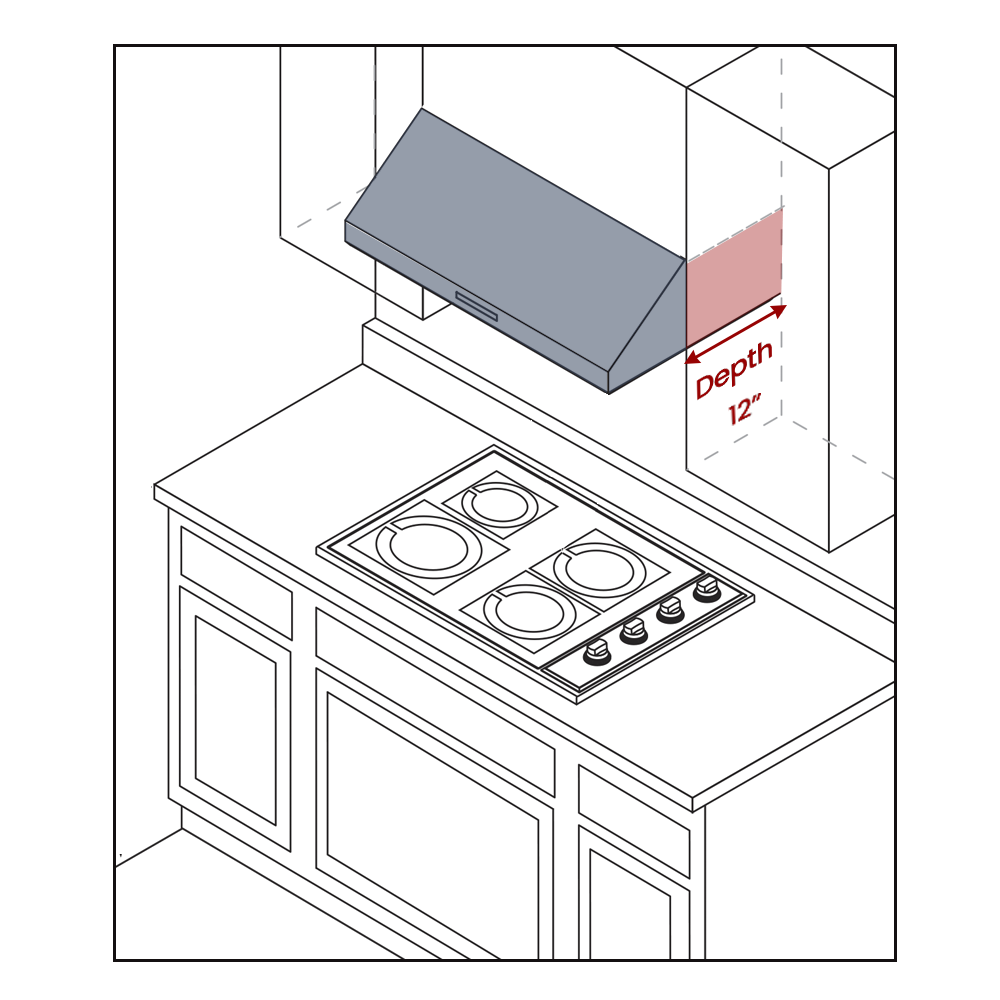
Are you planning to upgrade your kitchen with a new range hood? If you have a 30-inch cooktop, you might be wondering about the perfect range hood size.
Choosing the right size is more than just a matter of aesthetics; it’s crucial for efficiency, safety, and maintaining a fresh kitchen environment. But with so many options, how do you know which one is right for you? In this guide, we’ll uncover the secrets to selecting the ideal range hood for your 30-inch cooktop, ensuring your kitchen stays smoke-free and your cooking experiences are as enjoyable as possible.
Stay with us to discover how the right range hood can transform your culinary space.
Cooktop And Hood Size Basics
Choosing the right size range hood for your 30 inch cooktop is crucial for effective ventilation and kitchen comfort. Understanding the basics of cooktop and hood sizes helps you make a smart decision that fits your cooking space perfectly. Let’s break down what you need to know about matching these two essential kitchen elements.
Matching Hood Width To Cooktop
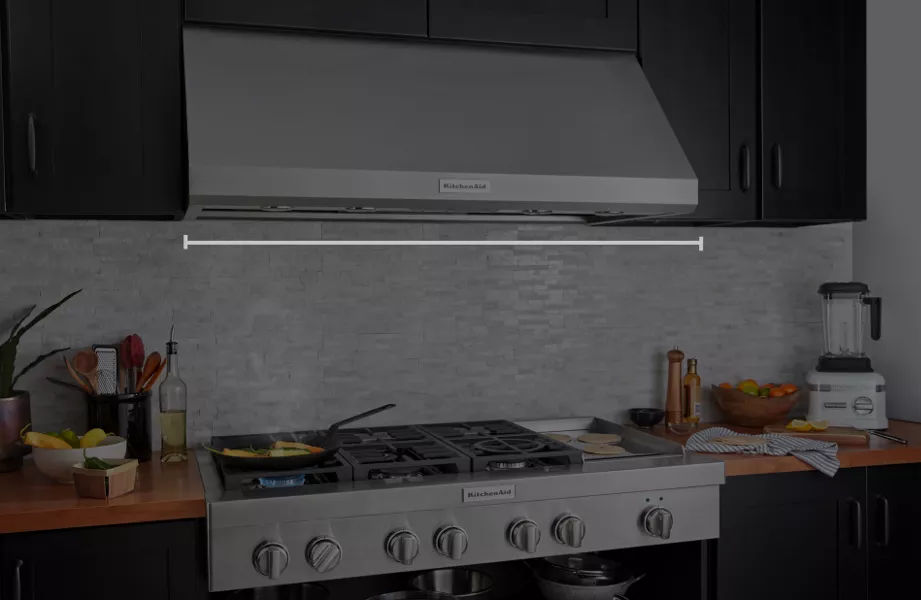
Your range hood should ideally match or slightly exceed the width of your cooktop. This ensures it captures all the smoke, steam, and odors produced while cooking. If the hood is too narrow, fumes might escape into your kitchen, reducing air quality.
Many people overlook this detail and end up with a hood that’s too small. Ask yourself, do you want your kitchen filled with cooking smells, or do you want clean, fresh air? Matching the hood width to your cooktop size helps answer that question.
Standard Hood Sizes For 30 Inch Cooktops
For a 30 inch cooktop, standard range hood widths commonly come in three sizes:
- 30 inches:Exactly matches the cooktop width.
- 36 inches:Offers extra coverage for better ventilation.
- 42 inches:Provides maximum capture area, especially useful if you do heavy cooking.
Choosing a 36-inch hood often strikes a good balance. It extends a few inches beyond the cooktop on each side, improving air capture without overwhelming your kitchen visually. Think about how often you cook and the types of meals you prepare—does your cooking create a lot of smoke or steam?
Credit: www.sydneyrangehoods.com.au
Types Of Range Hoods
Choosing the right type of range hood is important for your 30 inch cooktop. Different hoods serve various kitchen layouts and needs. Each type offers unique benefits and installation options. Understanding these types helps you pick the best fit for your space and cooking style.
Under Cabinet Hoods
Under cabinet hoods install directly beneath kitchen cabinets. They save space and blend well with cabinetry. These hoods are common in smaller kitchens. They provide effective ventilation without drawing much attention.
Wall Mounted Hoods
Wall mounted hoods attach to the wall above the cooktop. They often feature a chimney design. These hoods handle strong cooking fumes and heat. They become a focal point in kitchen design. Ideal for kitchens with no overhead cabinets.
Island Hoods
Island hoods hang from the ceiling over a cooktop on an island. They provide ventilation in open kitchens. Their design adds style and function to the room. These hoods need proper ceiling support for installation.
Downdraft Hoods
Downdraft hoods rise from the cooktop surface when needed. They pull smoke and odors downwards. Perfect for kitchens with limited overhead space. These hoods stay hidden when not in use.
Ventilation Power And Cfm
Choosing the right ventilation power for your 30 inch cooktop is crucial to keep your kitchen smoke-free and odor-free. Ventilation power is measured in CFM, or cubic feet per minute, which tells you how much air your range hood can move. Understanding CFM helps you pick a hood that efficiently clears steam, smoke, and grease without being too noisy or underpowered.
Calculating Required Airflow
To figure out the right airflow for your cooktop, multiply the width of your cooktop by a standard factor that accounts for cooking intensity. Typically, a good rule of thumb is to multiply the cooktop width by 100 CFM per inch. So for a 30 inch cooktop, you’d look for a hood with at least 3000 CFM—but wait, that’s usually too high for most home kitchens.
Many experts recommend adjusting this based on your cooking style. If you often cook with high heat or use a wok, you’ll want a stronger airflow. For normal cooking, a range hood with 300 to 600 CFM is generally sufficient. This balance prevents overpowering noise while still keeping the air fresh.
Cfm Recommendations For 30 Inch Cooktops
- Light Cooking:300–400 CFM is enough if you mostly prepare simple meals without much frying or grilling.
- Moderate Cooking:400–500 CFM works well if you frequently sauté, boil, or grill indoors.
- Heavy Cooking:500–600 CFM suits you if you often cook with high heat, fry, or use strong spices that produce smoke and odors.
Think about your cooking habits honestly. Are you simmering soups or stir-frying with intense heat? Your choice in ventilation power should match your kitchen’s demands to avoid a hood that either struggles or feels like a jet engine. Have you noticed lingering smells after cooking? That might be a sign your current CFM isn’t cutting it.

Credit: prolinerangehoods.com
Installation Considerations
Choosing the right size range hood for your 30-inch cooktop involves more than just matching widths. Installation plays a crucial role in how well your hood performs and fits into your kitchen space. Paying close attention to mounting height, ducting, and noise levels can save you from future headaches and ensure your cooking area stays fresh and comfortable.
Mounting Height And Clearance
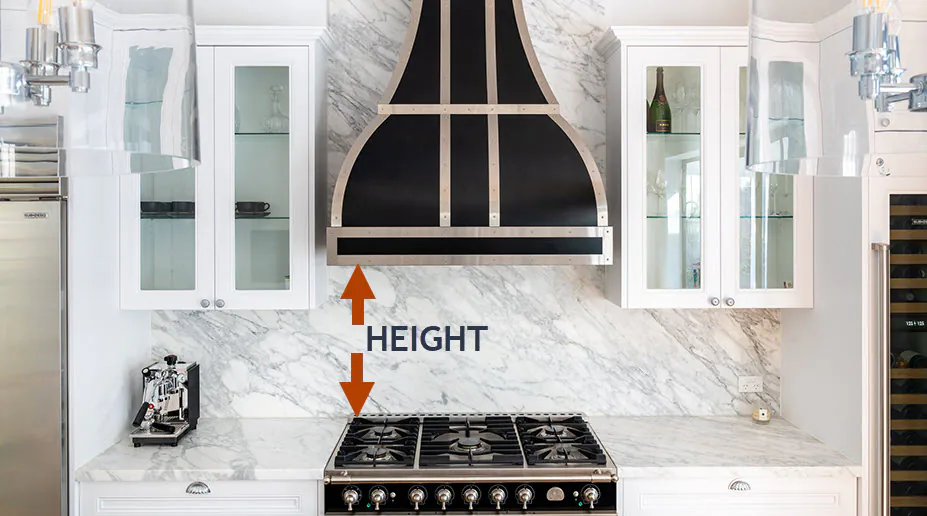
The distance between your cooktop and the range hood directly affects ventilation efficiency. Ideally, the bottom of your hood should be 24 to 30 inches above the cooktop surface. Mounting it too low can block your view and cause heat buildup, while too high reduces its ability to capture smoke and odors.
Think about your kitchen’s ceiling height and the type of cooking you do most. Do you often sear or fry at high heat? You might want to install the hood closer for better smoke capture. Always check the manufacturer’s recommendations—they’re designed to help you find the perfect balance.
Ducting Options And Length
The path your ductwork takes can make or break your hood’s performance. Shorter, straight ducts work best because they allow air to flow freely without obstruction. Long or twisty ducts reduce suction power and can cause grease buildup.
Consider the duct material too. Rigid metal ducts are better than flexible ones for airflow and durability. Ask yourself: How far can your duct realistically run without extra bends? Planning this early can help you avoid costly adjustments later.
Noise Levels
Range hoods can get noisy, especially on higher settings. If your kitchen doubles as a gathering space, you’ll want a quieter model to keep conversations flowing. Noise is measured in sones, and anything under 3 sones is generally considered quiet.
Look for hoods with multiple fan speeds so you can adjust noise and ventilation power based on your cooking needs. Have you noticed how some hoods sound like a jet engine? That’s a sign to explore models designed for noise reduction before you buy.
Material And Design Choices
Choosing the right material and design for your 30 inch cooktop’s range hood affects not only its performance but also the overall look of your kitchen. The material determines durability, ease of cleaning, and how well the hood handles heat and grease. Meanwhile, the design ties everything together, ensuring your hood complements your kitchen style while fitting the size requirements perfectly.
Stainless Steel Vs Other Materials
Stainless steel is a top choice for range hoods because it resists heat, stains, and corrosion. It’s easy to clean and maintains a sleek, modern look over time. If you value durability and low maintenance, stainless steel stands out.
Other materials like tempered glass, copper, or painted metal offer unique aesthetics but come with trade-offs. Glass adds a contemporary flair but can show fingerprints and requires careful cleaning. Copper develops a beautiful patina but needs regular upkeep to prevent tarnishing. Painted metal can match your kitchen colors but may chip or scratch more easily.
Think about how much time you want to spend maintaining your hood. Would you rather have a surface that wipes clean in seconds or one that needs special care to keep looking fresh?
Style Options To Match Kitchen Decor
Your range hood should feel like part of your kitchen, not just an appliance. You can choose from sleek, minimalist designs that blend into modern spaces or bold, decorative hoods that act as focal points.
Consider these style options:
- Under-cabinet hoods:Compact and functional, perfect for smaller kitchens.
- Wall-mounted chimney hoods:Offer a classic look with visible ductwork, great for open kitchens.
- Island hoods:Designed for cooktops in the center of the kitchen, often larger and more dramatic.
Ask yourself: does your kitchen need the hood to stand out or blend in? Matching the hood’s finish and shape to your cabinets, countertops, and backsplash creates harmony. You might even choose a contrasting design to add a striking visual element.
Additional Features To Look For
Choosing the right size range hood for your 30-inch cooktop is just the beginning. To get the most out of your kitchen upgrade, consider the additional features that can improve your cooking experience. These extras not only boost functionality but also add convenience and style to your space.
Lighting Options
Good lighting is essential above your cooktop. Look for range hoods that offer bright, adjustable lighting to illuminate your cooking area clearly.
LED lights are energy-efficient and long-lasting, providing consistent brightness without heating up your kitchen. Some models even come with dimmable settings, allowing you to set the perfect mood while cooking or entertaining.
Have you ever struggled to see what’s sizzling in your pan because of poor lighting? A well-lit cooktop can make a big difference in how you prepare meals safely and efficiently.
Control Types
The way you control your range hood affects how easy and enjoyable it is to use. Common control types include push buttons, touch controls, and remote controls.
Push buttons are simple and reliable, but touch controls offer a sleek, modern look with easy cleaning. Some high-end models even provide remote controls or smart home integration, letting you adjust fan speed and lighting without leaving your spot.
Think about how you usually cook—would you prefer quick and tactile buttons or the convenience of controlling your hood from across the room?
Filter Maintenance
Filters trap grease and odors, so keeping them clean is crucial for your range hood’s performance. Check if the hood has dishwasher-safe filters, which make cleaning hassle-free.
Some range hoods feature reusable metal filters, while others use charcoal filters that require regular replacement. Knowing the maintenance needs upfront helps you avoid unexpected costs and keeps your kitchen fresh.
How often you cook and what you cook will impact how frequently you need to clean or replace filters—do you want a low-maintenance option or don’t mind regular upkeep for better filtration?
Budgeting And Brands
Choosing the right size range hood for your 30-inch cooktop is not just about measurements. Budget and brand reputation play a huge role in finding the perfect fit for your kitchen. Knowing what to expect in terms of price and quality can save you time and frustration.
Price Ranges
Range hoods for a 30-inch cooktop can vary widely in price. You can find basic models starting around $150, which usually offer essential features and decent performance. Mid-range options, between $300 and $600, often provide better suction power, quieter operation, and more design choices.
High-end models can go beyond $1,000, boasting advanced features like smart controls, energy efficiency, and premium materials. Ask yourself: do you need extra features, or will a simple hood meet your needs? Setting a clear budget upfront helps narrow down the options quickly.
Top Brands For 30 Inch Range Hoods
Some brands consistently deliver quality and reliability for 30-inch range hoods. Broan and Cosmo are popular for affordable, no-frills models that get the job done without breaking the bank. If you want something more stylish and feature-rich, brands like Zephyr and Vent-A-Hood offer superior performance and innovative designs.
For those who value luxury and cutting-edge technology, brands such as Wolf and Bosch stand out. Their products tend to be pricier but come with warranties and customer support that justify the cost. Consider which brand’s reputation aligns best with your cooking habits and kitchen style.
Common Installation Mistakes
Installing a range hood for your 30 inch cooktop might seem straightforward, but common mistakes can reduce its effectiveness and cause frustration. These errors can lead to poor air quality, excessive noise, or even damage to your kitchen. Understanding these pitfalls helps you avoid costly fixes and ensures your hood works just as you expect.
Incorrect Hood Size
Choosing a hood that is too small for your 30 inch cooktop is a frequent error. A smaller hood won’t capture all the smoke and steam, leaving your kitchen smoky and greasy. Conversely, an oversized hood can dominate your kitchen space and waste energy.
Ideally, your range hood should be at least as wide as your cooktop, if not slightly wider. Many experts recommend a 36 inch hood for a 30 inch cooktop to ensure full coverage. Have you measured the exact width of your cooktop and compared it to the hood size before buying?
Improper Venting
Venting is crucial for a range hood’s performance, yet it’s often overlooked. Using the wrong type of ductwork or venting into an attic or crawl space can cause poor airflow and moisture buildup. This mistake can lead to mold growth and damage to your home structure.
Make sure the vent leads directly outside with smooth, straight ducts to minimize airflow resistance. Avoid flexible or corrugated ducts as they trap grease and reduce efficiency. Have you checked where your vent will exit and the type of duct materials used?
Ignoring Noise And Power Needs
Many people focus on looks and forget about the hood’s noise level and suction power. A powerful hood running too loudly can make cooking unpleasant and discourage regular use. On the other hand, a quiet hood with insufficient power won’t clear smoke effectively.
Look for range hoods with adjustable fan speeds and noise ratings in sones. A good range hood should balance power and quiet operation so you can cook comfortably. Are you willing to tolerate noise, or do you need a whisper-quiet model for your open kitchen?
Maintenance Tips
Keeping your range hood in top shape is key to maintaining a fresh and safe kitchen environment. Regular maintenance not only extends the life of your hood but also ensures it works efficiently to remove smoke, odors, and grease. Let’s dive into simple yet effective tips that will help you care for your 30-inch cooktop’s range hood.
Cleaning Filters
Filters catch most of the grease and particles while you cook, so they get dirty fast. If you don’t clean them often, your hood’s performance drops and it can even become a fire hazard.
To clean metal filters, soak them in hot water mixed with a degreasing detergent for 10-15 minutes. Then scrub gently with a soft brush and rinse thoroughly. Avoid harsh chemicals that might damage the filter material.
For charcoal filters, which are usually non-washable, replace them every 3 to 6 months depending on how often you cook. Keeping track of filter changes with a calendar reminder can save you from unexpected odors or poor air quality.
Routine Hood Care
Beyond the filters, the exterior and the fan blades need your attention. Wipe down the hood’s surface weekly with a mild soap solution to remove grease build-up. This prevents sticky residue that’s hard to clean later.
Check the fan blades every few months. Grease can accumulate there and slow down the motor. Use a damp cloth to clean the blades carefully, making sure the hood is off and unplugged.
Have you noticed any unusual noises or reduced suction? These signs mean it’s time for a deeper inspection. Regularly checking your hood keeps small issues from becoming costly repairs.
Credit: www.kitchenaid.com
Frequently Asked Questions
What Size Range Hood Fits A 30-inch Cooktop?
A range hood matching your 30-inch cooktop size is ideal. It ensures effective smoke and odor capture. A 30-inch hood provides balanced ventilation and aesthetic harmony in your kitchen space.
Can I Use A Larger Range Hood Than 30 Inches?
Yes, larger range hoods can be used. They offer extra coverage and stronger ventilation. However, ensure it fits your kitchen’s layout and doesn’t overpower the cooktop visually.
How Far Should A Range Hood Be From A 30-inch Cooktop?
The recommended distance is 24 to 30 inches above the cooktop. This height optimizes smoke capture and prevents hood damage from heat. Always follow manufacturer guidelines for best results.
What Cfm Rating Is Best For A 30-inch Cooktop Hood?
A range hood with 300 to 600 CFM suits a 30-inch cooktop. This range ensures efficient ventilation without excessive noise. Adjust based on cooking style and kitchen size for optimal performance.
Conclusion
Choosing the right size range hood for a 30-inch cooktop matters a lot. A 30 to 36-inch hood usually fits best and works well. It helps remove smoke, steam, and cooking smells quickly. This keeps your kitchen fresh and clean.
Remember to check the hood’s power and noise level too. A good fit makes cooking safer and more comfortable. Take your time to pick the best one for your kitchen. Your cooking space will thank you.