
Cooking on an induction cooktop can feel like stepping into a new world of convenience and efficiency. If you’re used to traditional gas or electric stoves, the sleek surface of an induction cooktop might seem a bit mysterious at first.
But don’t worry—you’ll soon discover its magic. Imagine cooking your meals faster, with more control and less mess. Sounds appealing, right? This guide is here to show you exactly how to master your induction cooktop. We’ll unravel the secrets to using it like a pro, transforming your cooking experience into something smoother and more enjoyable.
Ready to make the most of your kitchen’s new powerhouse? Let’s dive in and unlock the potential of your induction cooktop!
Credit: www.vevor.com
Induction Cooking Basics
Induction cooking offers a modern way to prepare meals quickly and safely. It uses magnetic energy to heat pots and pans directly. This method makes cooking more efficient and precise. Understanding the basics helps you use an induction cooktop with confidence.
How Induction Cooktops Work
Induction cooktops use electromagnetic fields to heat cookware. A coil beneath the surface creates a magnetic field. This field generates heat only in the pan. The cooktop surface stays cool, reducing burn risks. Heat transfers directly to the pot, saving energy and time.
Benefits Of Induction Cooking
- Faster heating than gas or electric stoves
- More precise temperature control
- Safer because the cooktop stays cool
- Energy efficient with less heat loss
- Easy to clean with a smooth surface
Choosing Compatible Cookware
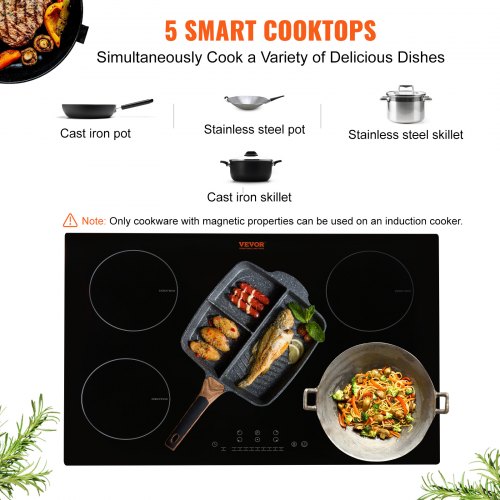
Not all pots and pans work on induction cooktops. Cookware must be magnetic to heat properly. Look for these materials:
- Cast iron
- Stainless steel (magnetic grade)
- Enamel-coated steel
Test cookware by placing a magnet on the base. If it sticks well, the pot will work. Avoid aluminum, copper, or glass pans unless they have a magnetic layer.
Credit: www.maytag.ca
Setting Up Your Cooktop
Setting up your induction cooktop correctly is the first step to cooking efficiently and safely. It’s not just about plugging it in; you need to consider where and how you place it, understand its controls, and prepare it properly before you start cooking. Getting these details right will help you enjoy a smooth cooking experience and keep your kitchen safe.
Placement And Safety Tips
Choose a flat, stable surface for your induction cooktop to prevent any wobbling during cooking. Avoid placing it near water sources like sinks or where it can be exposed to steam and spills. Keep flammable objects such as paper towels or curtains at a safe distance to reduce fire risk.
Think about ventilation too. Your cooktop needs space around it for air to circulate; this helps prevent overheating. Have you checked if your kitchen counter has enough clearance around the cooktop? It’s a small step that makes a big difference.
Power Levels And Controls
Familiarize yourself with the power settings of your cooktop before you start cooking. Most induction cooktops offer multiple levels, from low simmer to high heat. Start with lower power for delicate foods and increase it as needed.
Controls can vary—some models have touch panels, while others use knobs. Make sure you know how to adjust the temperature quickly to avoid burning your food. Have you tried experimenting with different power levels to see how your favorite dishes respond?
Cleaning Before Use
Always clean your induction cooktop before the first use and after every cooking session. A clean surface ensures better heat transfer and prevents stains from becoming permanent. Use a soft cloth with mild detergent—avoid abrasive pads that can scratch the glass surface.
Take a moment to inspect the surface for any cracks or damage before cooking. Damaged cooktops can be unsafe and less efficient. How often do you clean your cooktop? Regular maintenance can extend its lifespan significantly.
Cooking Techniques For Induction
Cooking on an induction cooktop offers precise heat control and fast heating. This lets you try many cooking styles with ease. Understanding the right techniques helps you cook better meals every time. Here are some key methods to use with your induction cooktop.
Searing And Sautéing
Induction cooktops heat up quickly and evenly. This makes searing meats and sautéing vegetables easy. Use a heavy-bottomed pan for best results. Preheat the pan until it is hot before adding oil. Add food in a single layer. Avoid overcrowding the pan to keep heat steady. Stir or flip food to cook it evenly on all sides.
Simmering And Boiling
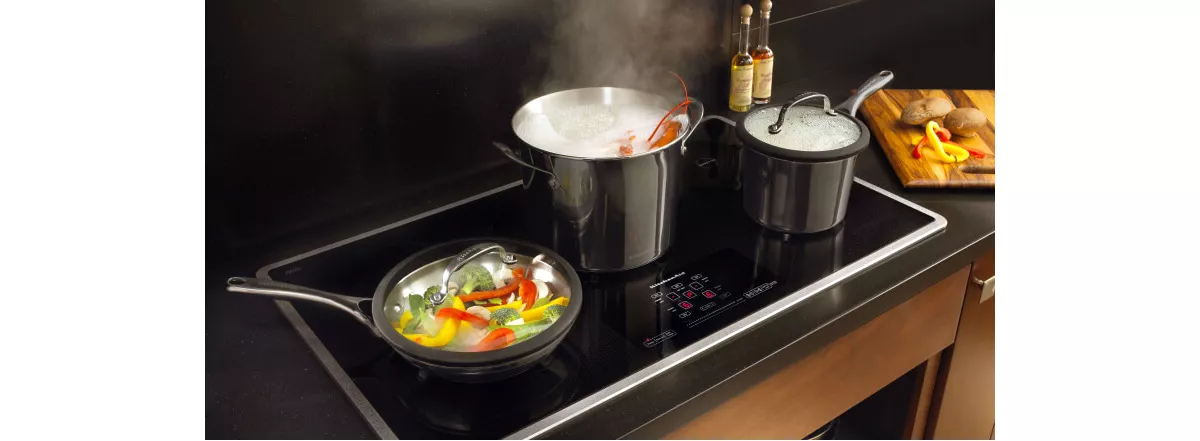
Induction cooktops keep water boiling without losing heat fast. Bring water to a boil quickly, then lower the heat to simmer. Use the low or medium-low setting to keep a gentle simmer. This is perfect for soups, stews, and sauces. Keep an eye on the pot to avoid boiling over. The cooktop adjusts heat instantly, making simmering easier.
Using Timers And Sensors
Many induction cooktops have built-in timers and sensors. Timers help track cooking time without guessing. Sensors monitor pan temperature and adjust heat automatically. This prevents burning or overcooking food. Use these features to cook rice, eggs, or delicate dishes. They make cooking safer and more convenient.
Troubleshooting Common Issues
Troubleshooting your induction cooktop can feel frustrating, especially when you’re in the middle of cooking. But many common issues have simple fixes that can get your cooktop working smoothly again. Understanding these problems can save you time and keep your meals on track.
Cookware Not Detected
One of the most frequent issues is the cooktop not detecting your cookware. This happens when the pan isn’t compatible with induction technology.
Make sure your cookware is magnetic. You can test this by holding a magnet to the bottom of the pan—if it sticks, the pan should work.
Also, check that the pan is centered on the cooktop’s cooking zone. Sometimes shifting it slightly can trigger detection.
Uneven Heating Solutions
Uneven heating can ruin your dish and leave you puzzled. Induction cooktops heat the pan directly, so the pan’s material and thickness matter a lot.
- Use flat-bottomed pans that sit evenly on the surface.
- Avoid warped or dented pans as they cause hotspots.
- Try moving the pan gently during cooking to distribute heat.
If you notice hot and cold spots, consider switching to a higher quality pan designed for induction.
Error Messages And Fixes
Seeing an error code pop up on your cooktop screen? Don’t panic. These messages are there to guide you.
Common errors include overheating warnings and sensor malfunctions. Check the user manual for specific codes related to your model.
- Turn off the cooktop and unplug it for a few minutes to reset.
- Clean the cooktop surface and sensor area to remove any dirt or spills.
- Ensure proper ventilation around the cooktop to prevent overheating.
Have you experienced a persistent error that won’t clear? Sometimes, contacting customer support with the exact code can save hours of guesswork.
Maximizing Efficiency
Maximizing efficiency on an induction cooktop means more than just cooking faster. It’s about using less energy, keeping your cooktop in great shape, and planning meals smartly. These habits save time, reduce costs, and make your cooking experience smoother.
Energy Saving Tips
Use cookware that matches the size of the cooking zone to avoid wasting energy. Smaller pots on larger zones don’t heat efficiently and drain power unnecessarily. Keep lids on pots to trap heat and cook food quicker, cutting down energy use.
Try to batch cook multiple dishes at once if your cooktop has several burners. This way, you make the most of the electricity being used. Also, avoid setting the temperature higher than needed; induction heats quickly, so medium settings often do the job well.
Maintaining Cooktop Performance
Clean your induction surface regularly with a soft cloth and mild cleaner to prevent scratches and stains. Dirt or residue can reduce heat transfer and slow down cooking times. Avoid abrasive pads or harsh chemicals that can damage the glass surface.
Check your cookware often for flat bottoms, as warped pans don’t make full contact with the cooktop, reducing efficiency. If you notice uneven cooking, it might be time to replace or recondition your pots and pans. Simple upkeep extends the life of your cooktop and keeps it working at peak power.
Meal Planning With Induction
Plan meals that use similar cooking temperatures to minimize adjusting settings frequently. This helps you maintain steady heat, saving energy and time. Consider prepping ingredients in advance so you can cook continuously without breaks.
Think about meals that combine stovetop and other appliances efficiently. For example, start rice on the induction cooktop while the oven bakes vegetables. This multitasking speeds up dinner prep and makes your cooking flow more enjoyable.
Credit: simplybetterliving.sharpusa.com
Frequently Asked Questions
What Cookware Works Best On An Induction Cooktop?
Cookware must be magnetic, like cast iron or stainless steel. Check if a magnet sticks to the bottom. Non-magnetic materials like aluminum won’t work.
How Do I Control Temperature On An Induction Cooktop?
Use the cooktop’s digital controls or knobs. Induction cooktops heat quickly and adjust temperature precisely. Start low and increase as needed.
Is Induction Cooking Energy Efficient Compared To Gas?
Yes, induction cooktops use less energy. They heat pots directly, reducing heat loss. This leads to faster cooking and lower electricity bills.
Can I Use Induction Cooktops For All Cooking Styles?
Yes, induction cooktops support boiling, simmering, frying, and sautéing. They offer precise temperature control suitable for many recipes.
Conclusion
Cooking on an induction cooktop is simple and quick. It heats food evenly and saves energy. Use pots that work with induction for best results. Adjust the heat settings to cook different foods perfectly. Clean the surface easily after cooking.
Enjoy faster cooking times and better control. Try new recipes and see how fast meals come together. Cooking becomes more fun and less tiring. Give induction cooking a try and feel the difference.