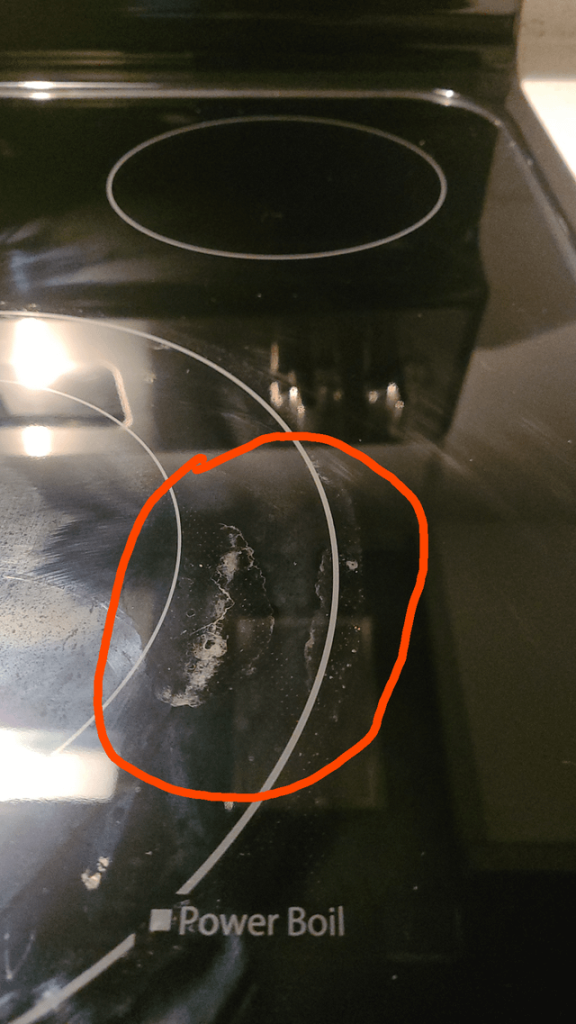
Are stubborn stains ruining the sleek look of your glass cooktop? If you’ve ever faced the frustration of trying to clean those pesky spots without success, you’re not alone.
Glass cooktops can be a stunning addition to your kitchen, but keeping them spotless can sometimes feel like an uphill battle. Fortunately, there’s good news! With the right techniques, you can restore your cooktop’s shine and make it look brand new again.
Imagine effortlessly removing those unsightly marks and enjoying a pristine cooking surface every day. Intrigued? Stick around as we reveal step-by-step methods that will transform your cleaning routine and bring back the sparkle to your kitchen.

Credit: www.reddit.com
Common Stains On Glass Cooktops
Glass cooktops look sleek and modern, but they are prone to various stains that can be stubborn to clean. Knowing the common types of stains helps you tackle them effectively without damaging the surface. Let’s examine the usual culprits that you might encounter on your glass cooktop.
Burnt-on Food Residue
Burnt food residue is one of the toughest stains. It happens when spills aren’t wiped immediately and get baked onto the surface during cooking. These stubborn patches can scratch your cooktop if you scrub too hard, so use a scraper designed for glass tops to gently remove them.
Water Spots And Mineral Deposits
Water spots and mineral deposits often appear after spills or steam condensation dries up. These spots look like cloudy rings or patches. You can usually remove them with a mixture of vinegar and water, but avoid harsh chemicals that might dull the glass finish.
Grease And Oil Smudges
Cooking with oil often leaves greasy smudges behind. These stains attract dust and dirt, making the cooktop look dirty quickly. Use a soft cloth with warm soapy water or a specialized glass cooktop cleaner to wipe these away easily.
Scratches And Etching
Scratches and etching are more than just stains—they permanently damage your cooktop’s surface. They often result from using abrasive cleaners or dragging heavy pots. To minimize this, always lift pots instead of sliding them and choose non-abrasive cleaning tools.
Essential Cleaning Tools
Cleaning glass cooktop stains needs the right tools. Using proper tools protects the surface and makes cleaning easier. Soft materials prevent scratches. Effective tools remove tough stains without damage. Choosing safe cleaners helps keep the cooktop shiny and new.
Soft Cloths And Sponges
Soft cloths and sponges are gentle on glass. Microfiber cloths work well to wipe away dirt and residue. Non-scratch sponges help scrub without harming the surface. Avoid rough or abrasive materials that cause scratches. Use damp cloths to lift spills and stains carefully.
Scrapers And Razor Blades
Scrapers and razor blades remove burnt-on food safely. Use blades designed for glass cooktops only. Hold the blade at a low angle to avoid damage. Use light pressure while scraping stains. Clean the blade often to prevent scratches from debris.
Non-abrasive Cleaners
Non-abrasive cleaners dissolve grease without scratching glass. Look for cleaners labeled safe for glass cooktops. Avoid harsh chemicals like bleach or ammonia. Use small amounts and follow product instructions. These cleaners help keep the surface clear and smooth.
Homemade Cleaning Solutions
Simple homemade solutions work well and cost less. Mix equal parts white vinegar and water for a natural cleaner. Baking soda paste gently lifts tough stains without damage. Apply solutions, wait a few minutes, then wipe clean. These options are safe and eco-friendly for regular use.
Step-by-step Cleaning Process
Cleaning glass cooktop stains does not have to be hard. A clear process helps remove marks safely and effectively. Follow simple actions to restore the shiny surface. This step-by-step guide shows how to clean your cooktop with care.
Cooling Down The Cooktop
Wait for the cooktop to cool completely. Hot surfaces can cause burns and damage cleaning tools. Allow at least 30 minutes after use. Use this time to gather your cleaning supplies. Safety first ensures a stress-free cleaning session.
Removing Loose Debris
Start by wiping away crumbs and loose dirt. Use a dry cloth or paper towel for this. Avoid scrubbing hard to prevent scratches. Removing loose debris makes cleaning easier and more effective. This step clears the surface for deeper cleaning.
Applying Cleaners Safely
Choose a cleaner made for glass cooktops. Avoid harsh chemicals that can harm the surface. Apply a small amount of cleaner to a soft cloth. Spread it evenly over the stained areas. Let it sit for a few minutes to loosen grime.
Scraping Stubborn Stains
Use a razor blade scraper held at a 45-degree angle. Gently scrape off burnt-on food or tough stains. Do not press too hard to avoid scratches. Work slowly and carefully across the stain. This technique lifts stubborn marks without damage.
Wiping And Polishing
Wipe away cleaner residue with a damp cloth. Rinse the cloth often to remove all dirt. Dry the cooktop with a soft microfiber towel. Buff the surface in circular motions for shine. The polished glass will look clean and new.

Credit: 911servicetoday.com
Natural Remedies For Tough Stains
Natural remedies offer a safe and effective way to clean tough stains on glass cooktops. These options use common household ingredients. They avoid harsh chemicals and keep your cooktop shiny and clean. Simple steps and gentle scrubbing can remove stubborn marks without damage.
Baking Soda Paste
Baking soda is a mild abrasive that lifts stains easily. Mix baking soda with water to make a thick paste. Spread the paste over stained areas and let it sit for 15 minutes. Use a soft cloth or sponge to scrub the stains gently. Rinse with warm water and dry with a clean towel.
Vinegar Sprays
Vinegar is acidic and breaks down grease and grime well. Pour white vinegar into a spray bottle. Spray the vinegar directly on the stains and let it sit for 10 minutes. Wipe the area with a soft cloth or sponge in circular motions. Rinse the cooktop with water and dry thoroughly.
Lemon Juice Applications
Lemon juice works as a natural bleach and cleaner. Squeeze fresh lemon juice onto the stained spots. Leave it for 10 minutes to dissolve residue. Rub gently with a soft cloth or sponge. Rinse with warm water and wipe dry for a sparkling finish.
Preventive Care Tips
Preventive care is key to keeping your glass cooktop spotless and shiny. Small habits save effort later and protect the surface from tough stains. Simple daily routines prevent buildup and damage. A gentle approach keeps the cooktop looking new longer. Using covers adds an extra layer of protection against spills and scratches.
Daily Wiping Habits
Wipe the cooktop after every use. Use a soft cloth or sponge with warm, soapy water. This removes grease and food particles quickly. Avoid letting spills dry on the surface. Dry the cooktop with a clean cloth to prevent streaks and water spots.
Avoiding Harsh Scrubbing
Never use abrasive pads or harsh scrubbers. They can scratch the glass and cause permanent damage. Choose soft materials like microfiber cloths or non-abrasive sponges. Use gentle circular motions to clean stubborn spots. Harsh scrubbing wears down the cooktop finish over time.
Using Protective Cooktop Covers
Protective covers shield your cooktop from spills and scratches. They are easy to place and remove. Covers help catch drips while cooking. This reduces the need for frequent deep cleaning. Choose covers made specifically for glass cooktops for best fit and safety.
When To Call A Professional
Some stains on glass cooktops need expert help. Knowing when to call a professional saves time and prevents damage. Certain issues are beyond regular cleaning and require special tools and skills.
Dealing With Deep Scratches
Deep scratches on glass cooktops affect performance and safety. Professionals use special polishing tools to reduce visibility. DIY fixes may worsen the damage or cause cracks.
Handling Electrical Issues
Electrical faults pose serious risks. Problems like faulty wiring or unresponsive touch controls need expert checks. Avoid opening or repairing electrical parts yourself to stay safe.
Replacing Damaged Cooktop Glass
Cracked or shattered glass must be replaced promptly. Professionals ensure the correct glass type and fit. Replacement involves careful removal and installation to avoid injury or further damage.

Credit: www.reddit.com
Frequently Asked Questions
How Do I Remove Burnt Stains From A Glass Cooktop?
Use a scraper carefully to lift burnt residue. Apply a glass cooktop cleaner and wipe with a soft cloth. Avoid abrasive tools that can scratch the surface.
What Household Items Clean Glass Cooktop Stains Effectively?
Baking soda and white vinegar work well. Sprinkle baking soda on stains, spray vinegar, let sit, then wipe with a soft cloth.
Can I Use Ammonia To Clean Glass Cooktop Stains?
Yes, dilute ammonia with water for tough stains. Apply with a cloth, then rinse thoroughly to avoid residue.
How Often Should I Clean My Glass Cooktop?
Clean after each use to prevent buildup. Weekly deep cleaning removes stubborn stains and keeps the cooktop shiny.
Conclusion
Cleaning glass cooktop stains does not have to be hard. Use gentle cleaners and soft cloths to avoid scratches. Regular cleaning stops stains from building up. Treat spills quickly for the best results. Keep your cooktop looking shiny and new with simple steps.
A clean cooktop makes cooking more enjoyable and safe. Try these tips and see the difference yourself. Your kitchen will thank you.