When you’re juggling the many demands of parenting, every minute counts. One question that’s probably crossed your mind is, “Can I wash baby bottles in the dishwasher?”
You’re not alone. Many parents wonder if this common household appliance can make their lives a bit easier while keeping their little one safe. Imagine the time you could save if you knew the answer. Picture the peace of mind knowing that your baby’s bottles are not only clean but also sanitized.
Stay with us as we uncover the truth, tackling both safety and convenience, so you can focus on what truly matters—cherishing those precious moments with your baby.

Credit: www.searshomeservices.com
Dishwasher Safety For Baby Bottles
Keeping your baby’s bottles clean is crucial for their health, but you might wonder if the dishwasher is a safe option. Understanding dishwasher safety for baby bottles helps you avoid damage and ensures your little one’s feeding gear stays hygienic. Let’s look at what materials work well in dishwashers, how to prevent bottle damage, and what risks come with high temperatures.
Materials Safe For Dishwashers
Not all baby bottles are created equal when it comes to dishwasher safety. Bottles made from durable materials like polypropylene (PP) and silicone often withstand dishwasher cycles well.
Glass bottles are also generally dishwasher-safe, but check the manufacturer’s guidelines to be sure. Avoid bottles with delicate prints or parts that can warp under heat.
Avoiding Bottle Damage
Have you noticed your baby’s bottle looking scratched or cloudy after a few dishwasher cycles? This often happens when bottles are placed too close to heating elements or stacked improperly.
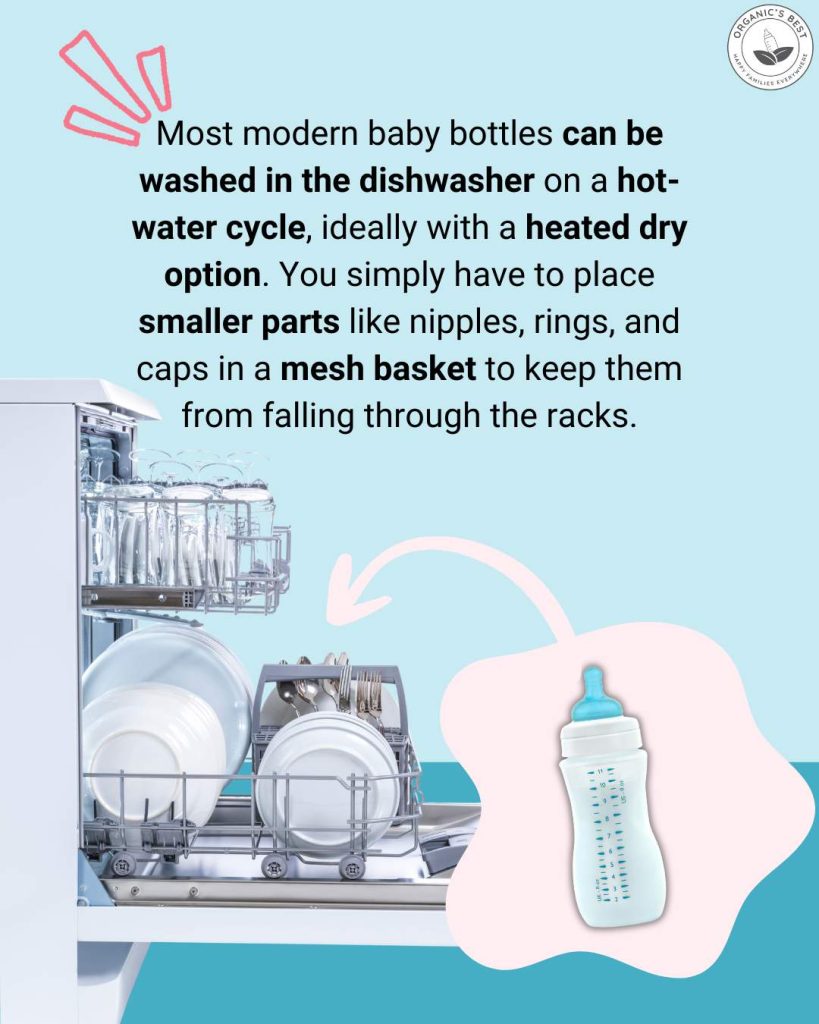
To protect your bottles, place them on the top rack away from the heating element. Use a dishwasher basket to keep smaller parts like nipples and rings secure and prevent them from falling or getting lost.
High-temperature Risks
High temperatures in dishwashers can sanitize bottles effectively, but they can also cause problems. Excessive heat might warp plastic bottles or degrade silicone over time.
Consider using a gentle or baby-specific dishwasher cycle with lower temperatures. If your dishwasher doesn’t offer these settings, hand washing may sometimes be safer for preserving bottle integrity.
Preparing Bottles For Dishwasher
Getting baby bottles ready for the dishwasher is a crucial step to ensure they come out clean and safe for your little one. Proper preparation helps avoid leftover milk residue and prevents damage to delicate parts. It can also make your cleaning routine more efficient and less stressful.
Rinsing Milk Residue
Start by rinsing any leftover milk from the bottles with warm water. This stops milk from drying and sticking, which can be hard to remove later. Quickly rinsing also helps keep your dishwasher clean and prevents odors.
Think about how quickly milk can sour if left too long. Rinsing right after feeding can save you from extra scrubbing later. It’s a small step that makes a big difference.
Disassembling Parts
Take apart all the bottle components before placing them in the dishwasher. This means removing nipples, rings, and any valves or seals. Washing these parts separately ensures every nook and cranny gets cleaned properly.
If you don’t disassemble, milk residue can hide in tight spots, leading to bacterial buildup. Plus, loose parts can get lost or damaged during the wash cycle. Handling each piece individually protects your baby’s health and your investment.
Using Dishwasher Baskets
Use a dishwasher basket or mesh bag to keep small parts secure during washing. These baskets prevent nipples and rings from falling through the racks or moving around too much. It also makes unloading easier and faster.
Have you ever lost a tiny bottle part in the bottom of the dishwasher? A basket stops that hassle and saves you time searching. Investing in a good dishwasher basket is a simple way to improve your bottle-cleaning routine.
Best Dishwasher Settings
Getting the best dishwasher settings right is crucial for cleaning baby bottles effectively and safely. Your dishwasher can do a fantastic job if you choose the correct cycle, water temperature, and detergent. These factors ensure your baby’s bottles come out spotless without damage or harmful residue.
Choosing The Right Cycle
Look for a gentle or baby bottle cycle if your dishwasher offers one. These cycles use lower water pressure and longer rinses, perfect for delicate items like bottles and nipples. Avoid heavy-duty or pots-and-pans cycles, as they might be too harsh and cause wear over time.
Have you noticed bottles that come out cloudy or scratched? Switching to a delicate or sanitizing cycle can make a big difference. Some dishwashers also have an eco-friendly mode, but it might not clean thoroughly enough for baby items.
Water Temperature Guidelines
Hot water is essential for killing bacteria and removing milk residue. Aim for a wash temperature of at least 140°F (60°C). Most dishwashers have built-in heaters to reach this temperature, but double-check your machine’s settings.
If your dishwasher doesn’t reach this temperature, you risk not sanitizing the bottles properly. You can run a hot water tap before starting the dishwasher to boost the temperature inside. This simple trick helped me avoid re-washing bottles multiple times.
Avoiding Harsh Detergents
Not all dishwashing detergents are safe for baby bottles. Choose mild, fragrance-free detergents labeled as baby-safe or gentle. Harsh chemicals can leave harmful residues or cause irritation to your baby’s sensitive skin.
Powder detergents often contain fillers that can stick to bottle parts, so liquid detergents might be a better choice. If you spot any film or smell after washing, it’s a sign to switch detergents or rinse the bottles again.

Credit: www.reddit.com
Handwashing Vs. Dishwasher
Deciding between handwashing and using a dishwasher for cleaning baby bottles often comes down to your priorities and the specific situation. Both methods have their strengths, but understanding when each is best can help you keep your baby’s feeding gear safe and clean without extra hassle.
When Handwashing Is Preferable
Handwashing is often the go-to if you need to clean a bottle quickly or when you only have a few to wash. It gives you control over scrubbing each part thoroughly, especially hard-to-reach spots like bottle nipples and caps. Some bottles, especially those made of delicate materials or with electronic components, may also require gentle handwashing to avoid damage.
If your dishwasher isn’t equipped with a baby bottle basket or a sanitizing cycle, handwashing ensures you don’t miss any crucial step. Plus, if your water temperature or dishwasher detergent isn’t ideal, handwashing can prevent residues that might irritate your baby’s sensitive skin.
Time And Convenience Factors
Dishwashers save precious time and energy, especially when you have multiple bottles to clean daily. You can simply load everything in, run a cycle, and get back to other tasks while the dishwasher handles the scrubbing and rinsing. This is a huge advantage for busy parents juggling work and childcare.
However, dishwashers require a full load to be efficient, so if you’re washing just one or two bottles, handwashing might be quicker. Also, consider that dishwashers need time to dry bottles completely, which can add to the overall cleaning time. How often do you find yourself waiting for a full load versus needing a quick clean?
Ensuring Proper Sterilization
Proper sterilization is key to keeping your baby safe from harmful germs. Dishwashers with a sanitize cycle reach high temperatures that kill most bacteria, offering peace of mind without extra effort. But not all dishwashers have this feature, and some detergents may not be safe for baby items.
Handwashing paired with sterilizing methods, such as boiling bottles or using steam sterilizers, guarantees thorough disinfection. This extra step is especially important for newborns or babies with weak immune systems. Do you know if your dishwasher’s sanitize setting is effective enough, or would a separate sterilization method be safer?
Tips For Drying And Storage
Drying and storing baby bottles properly is key to keeping them clean and safe for your baby. After washing, bottles must dry completely to stop germs from growing. Proper storage keeps bottles ready for the next feeding without risking contamination.
Air Drying Bottles
Let bottles dry naturally on a clean rack or drying mat. Avoid using towels, which can transfer bacteria. Place bottles upside down to help water drain out fully. Make sure the area is well-ventilated to speed up drying. Air drying reduces moisture that promotes mold and bacteria.
Avoiding Contamination
Keep drying bottles away from kitchen sinks and dirty areas. Use a covered drying rack if possible to block dust and insects. Wash your hands before handling clean bottles. Do not stack bottles or parts until fully dry. Dry bottles quickly to prevent germs from multiplying.
Storing Clean Bottles Safely
Store bottles in a clean, dry cupboard or drawer. Use a container with a lid to protect bottles from dust. Avoid crowded spaces to prevent damage and contamination. Label bottles if you prepare milk in advance. Regularly clean storage areas to keep everything hygienic.
Common Mistakes To Avoid
Washing baby bottles in the dishwasher can save time and effort. Yet, some common mistakes can reduce cleanliness or damage bottles. Avoiding these errors helps keep bottles safe and clean for your baby. Pay close attention to how you load, what detergents you use, and the manufacturer’s advice.
Overloading The Dishwasher
Overloading blocks water flow and stops proper cleaning. Bottles and parts may not get fully washed or rinsed. Space bottles apart and place small parts in a secure basket. Make sure water reaches every surface for thorough cleaning.
Using Unsafe Detergents
Some detergents contain harsh chemicals not safe for baby items. Avoid detergents with fragrances, dyes, or antibacterial agents. Use mild, baby-safe dishwasher detergents to protect your baby’s health. Rinse well to remove all detergent residue from bottles.
Ignoring Manufacturer Instructions
Each bottle brand has specific care guidelines. Some bottles are not dishwasher safe or need top rack placement only. Follow instructions to avoid warping or damage. Check seals, nipples, and bottle parts to ensure dishwasher use is allowed.

Credit: www.searshomeservices.com
Frequently Asked Questions
Can I Put Baby Bottles In The Dishwasher Safely?
Yes, most baby bottles are dishwasher-safe. Use the top rack and a gentle cycle to avoid damage. Always check the manufacturer’s instructions before washing.
Does Dishwasher Cleaning Remove All Bacteria From Baby Bottles?
Dishwashers use high heat that kills many germs. However, sterilizing separately ensures complete bacteria removal for newborn safety.
What Is The Best Dishwasher Setting For Baby Bottles?
Choose a gentle or baby bottle cycle with a heated dry option. This cleans effectively without damaging bottles or nipples.
Can Dishwasher Heat Damage Baby Bottle Materials?
High heat may warp some plastic bottles. Use dishwasher-safe bottles and avoid high-heat drying if recommended by the manufacturer.
Conclusion
Washing baby bottles in the dishwasher can save time and effort. Always place bottles on the top rack for best results. Use a hot water cycle to remove germs effectively. Avoid dishwasher detergent with harsh chemicals that may harm the baby.
Check manufacturer instructions to ensure bottles are dishwasher-safe. Hand-washing remains an option for delicate parts. Clean bottles thoroughly to keep your baby healthy. Simple steps protect your little one from bacteria. A clean bottle means a happy, healthy baby.