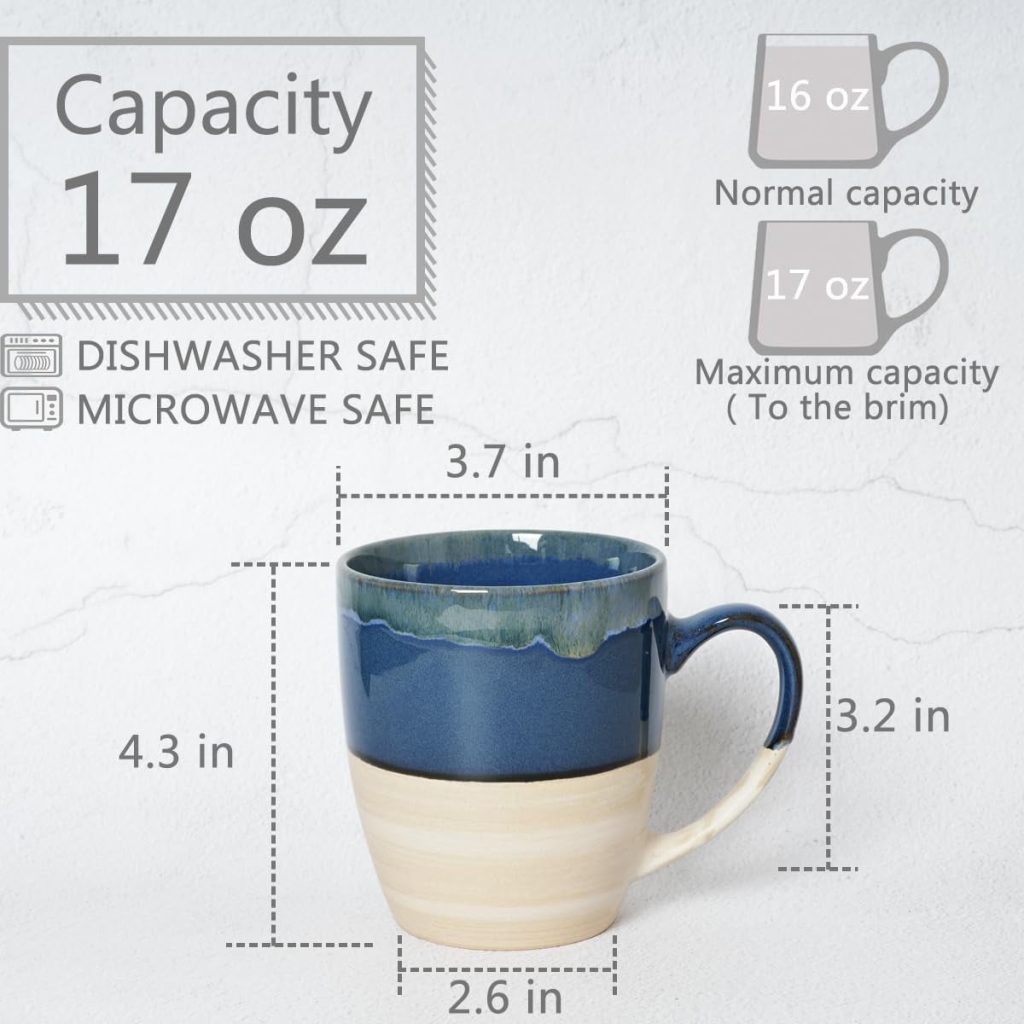
Are you wondering whether your beautiful ceramic dishes are safe to toss into the dishwasher? It’s a common question that pops up in kitchens everywhere.
You might love the convenience of your dishwasher, but the last thing you want is to damage your cherished ceramic pieces. This is where understanding the nuances of ceramic dishwasher safety becomes vital. By the end of this article, you’ll have a clear answer and feel confident in your dishwashing decisions.
Let’s dive deep into the world of ceramics and dishwashers to ensure your kitchenware stays as stunning as the day you bought it.

Credit: www.amazon.com
Ceramic And Dishwashers
Ceramics are a popular choice for kitchenware due to their durability and aesthetic appeal. However, many wonder if their ceramic dishes can safely go into the dishwasher without damage. Understanding how dishwashers interact with different ceramic materials helps you protect your items while enjoying the convenience of automatic cleaning.
How Dishwashers Affect Ceramics
Dishwashers use hot water, strong detergents, and high-pressure jets to clean dishes thoroughly. These conditions can sometimes wear down the surface glaze of ceramics, causing dullness or even cracks over time.
Repeated exposure to harsh dishwasher cycles may also lead to tiny chips or fading of decorative patterns. If you’ve noticed your favorite ceramic mug losing its shine after several washes, this explains why.
Consider washing delicate or hand-painted ceramics by hand to preserve their look. For sturdier pieces, placing them on the top rack away from direct water jets can minimize damage.
Types Of Ceramic Materials
Not all ceramics are created equal when it comes to dishwasher safety. Here are common types you might have at home:
- Porcelain:Usually dishwasher safe due to its high firing temperature and durable glaze.
- Stoneware:Often safe for dishwashers but check for any decorative finishes that might be sensitive.
- Earthenware:More porous and prone to absorbing water, making it less ideal for dishwasher cleaning.
- Bone China:Generally dishwasher safe but best handled carefully to avoid chipping.
Knowing which type your ceramics belong to can guide your cleaning choices. Have you ever tested whether a particular piece can survive a dishwasher cycle? Experimenting carefully can save you from accidental damage.
Factors Impacting Durability
Durability is key when using ceramic dishes in a dishwasher. Various factors influence how well ceramic items hold up after repeated washes. Understanding these elements helps protect your ceramics and keep them looking new longer.
Glaze Quality And Thickness
The glaze on ceramic dishes acts as a protective layer. High-quality glaze resists chipping and cracking during washing. Thicker glaze provides extra defense against heat and water damage. Thin or poor glaze can wear off, exposing the ceramic body to harm.
Temperature And Water Pressure
Dishwashers use hot water to clean effectively. Extreme heat can weaken ceramic glaze over time. High water pressure may cause small chips or cracks. Gentle cycles with moderate temperature and pressure help preserve ceramic items better.
Detergent Ingredients
Some dishwasher detergents contain harsh chemicals. These ingredients can erode ceramic glaze. Look for mild, non-abrasive detergents designed for delicate dishware. Avoid bleach or strong acids that accelerate wear on ceramics.
Safe Practices For Washing Ceramics
Washing ceramics in a dishwasher requires care to keep them safe and looking good. Ceramics can chip, crack, or fade if washed incorrectly. Following safe practices helps protect your dishes and extends their life. Small habits make a big difference in preserving your ceramic items.
Loading Tips To Prevent Damage
Place ceramics securely in the dishwasher to avoid movement. Avoid stacking or crowding plates and bowls. Use the top rack for delicate ceramic items to reduce heat exposure. Keep ceramics away from heavy pots or sharp utensils. Use dishwasher racks with soft holders or dividers to reduce clinking. Make sure items do not touch each other to prevent scratches.
Choosing The Right Dishwasher Cycle
Select gentle or delicate cycles for ceramic dishes. These cycles use lower water pressure and cooler temperatures. Avoid heavy or intensive wash cycles that can cause damage. Quick wash cycles can be good for lightly soiled ceramics. Use air dry or low heat drying to prevent cracks from heat stress. Check your dishwasher manual for cycle details suitable for ceramics.
Avoiding Abrasive Cleaners
Use mild dishwasher detergents made for delicate dishes. Avoid powders or gels with harsh chemicals or bleach. Skip abrasive scrubbers or brushes when hand washing. Do not use metal scouring pads on ceramic surfaces. Rinse dishes before loading to reduce the need for strong detergents. Gentle cleaning keeps glaze and paint intact on ceramics.

Credit: www.reddit.com
Identifying Dishwasher-safe Ceramics
Identifying whether ceramics are dishwasher safe helps protect your dishes from damage. Not all ceramics handle dishwasher heat and detergents well. Knowing how to spot safe items saves time and money.
Check for clear signs on your ceramic pieces before placing them in the dishwasher. Simple tests and visual cues guide safe washing choices.
Manufacturer Labels And Symbols
Look at the bottom or back of ceramic items for labels or symbols. Manufacturers often add dishwasher-safe marks to help users. Common symbols include a dishwasher icon or words like “dishwasher safe.”
These labels confirm the item can handle high heat and water pressure. Lack of labels means extra caution is needed to avoid damage.
Testing Small Items First
Test a small ceramic piece before washing all items in the dishwasher. Place it on the top rack to reduce heat exposure. Run a normal cycle and check for cracks or fading afterward.
This simple test helps avoid ruining larger or valuable ceramics. It also shows how your dishwasher affects the item’s finish and strength.
Alternatives To Dishwashing Ceramics
Not all ceramics suit the dishwasher’s heat and detergents. Some ceramics lose their shine or crack over time. To keep your ceramic items safe, explore other cleaning ways. These alternatives protect your ceramics and keep them looking new longer.
Hand Washing Techniques
Hand washing is gentle and effective for delicate ceramics. Use warm water and mild dish soap. Avoid harsh scrubbers that can scratch surfaces. A soft sponge or cloth works best. Rinse thoroughly to remove all soap residue. Dry with a soft towel to prevent water spots.
Focus on cleaning edges and crevices carefully. For stubborn stains, soak ceramics in soapy water. Use a soft brush for detailed areas. This method helps avoid damage from dishwasher heat and strong detergents.
Using Protective Liners
Protective liners create a barrier inside the dishwasher. Place liners on racks before loading ceramics. They cushion items and reduce movement during washing. Liners prevent chipping and cracking by absorbing shocks.
Choose liners made from silicone or soft plastic. They fit most dishwasher racks easily. Liners also help prevent ceramic pieces from touching each other. This simple step extends the life of your ceramics.

Credit: www.surlatable.com
Frequently Asked Questions
Is Ceramic Dishwasher Safe For Everyday Use?
Yes, most ceramic dishes are dishwasher safe for daily use. However, always check the manufacturer’s instructions to avoid damage or fading over time.
Can Dishwasher Damage Ceramic Coatings?
Dishwashers can sometimes damage ceramic coatings if the water temperature is too high or harsh detergents are used. Use gentle cycles and mild detergents for protection.
How To Prevent Ceramic Chipping In Dishwasher?
Place ceramic items securely in the dishwasher to avoid movement. Avoid overcrowding and use lower heat settings to reduce chipping risk.
Are All Ceramic Types Safe For Dishwashers?
Not all ceramics are dishwasher safe. Porcelain and stoneware ceramics usually are, but hand-painted or delicate ceramics may require hand washing.
Conclusion
Ceramic items often handle dishwasher cleaning well, but check care labels first. Some ceramics may crack or fade from high heat or harsh detergents. Hand washing keeps your ceramic pieces looking new longer. Avoid sudden temperature changes to prevent damage.
Caring for ceramics properly helps them last and stay beautiful. Choose the right cleaning method based on your ceramic type. Simple steps protect your dishes and save time in the kitchen. Remember, gentle care means happy, lasting ceramics every day.