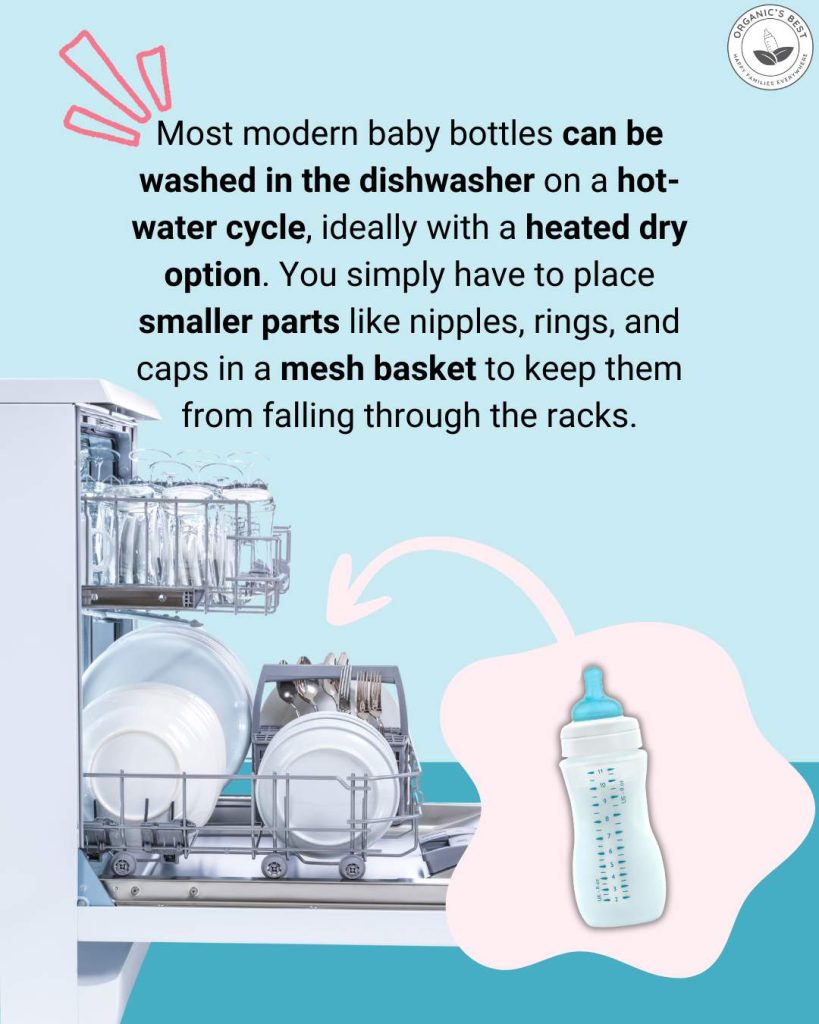
Are you tired of spending endless time at the sink, scrubbing bottles by hand? If you’ve ever wondered, “Can I wash bottles in the dishwasher?”
You’re not alone. This common household dilemma can leave you second-guessing your cleaning methods. We know how crucial it is to ensure your bottles are not only clean but also safe for use. We’ll uncover whether your trusty dishwasher can handle this task, saving you time and effort.
Stay with us to discover the secrets of efficient bottle cleaning and ensure peace of mind with every wash.
Dishwasher Safety For Bottles
Washing bottles in the dishwasher can save you time and effort, but not all bottles are created equal when it comes to dishwasher safety. Understanding which materials can handle the heat and water pressure is key to keeping your bottles intact and free from damage.
Have you ever noticed your bottle’s label peeling off or the plastic warping after a dishwasher cycle? That’s a sign that the bottle might not be dishwasher-safe. Let’s break down which bottles stand up well to the dishwasher and which ones you should keep away from it.
Materials That Withstand Dishwasher
- Stainless Steel:Most stainless steel bottles can go in the dishwasher safely, especially if they’re labeled dishwasher-safe. They don’t warp or retain odors.
- BPA-Free Plastics:Certain BPA-free plastics are designed to endure dishwasher heat. Look for bottles marked “dishwasher safe” or “top-rack dishwasher safe.”
- Glass Bottles:Glass bottles usually handle the dishwasher well, but make sure they have a protective silicone sleeve to prevent breakage.
Always double-check the manufacturer’s instructions. If you’ve had a bottle for a while and it has started to discolor or crack, it might be time to switch to a dishwasher-safe alternative.
Bottles To Avoid In Dishwasher
- Insulated Bottles:Double-walled or vacuum-insulated bottles often lose their insulation ability if washed in a dishwasher. The heat and water pressure can damage the seal.
- Plastic Bottles Without Dishwasher Safe Label:These can warp, melt, or leach chemicals when exposed to high dishwasher temperatures.
- Decorated or Painted Bottles:Designs and logos can fade, peel, or crack in the dishwasher.
Ask yourself: is the convenience of a dishwasher wash worth risking your bottle’s lifespan? Sometimes, a quick hand wash can save you money and frustration in the long run.

Credit: www.searshomeservices.com
Preparing Bottles For Dishwasher
Preparing bottles for the dishwasher is essential for a thorough clean. Proper preparation helps avoid damage and ensures all parts get spotless. Follow these simple steps to ready your bottles before placing them in the dishwasher.
Removing Labels And Caps
Remove all labels from the bottles to prevent residue buildup. Peel off paper or plastic labels carefully. Take off the caps and separate any small parts like silicone rings or valves. Cleaning these parts separately improves hygiene and stops damage.
Pre-rinsing Techniques
Rinse bottles with warm water to remove leftover milk or juice. Use a bottle brush to clean inside corners and hard-to-reach spots. Avoid using soap at this stage, as dishwasher detergent will handle the cleaning. This step prevents food residue from sticking during the wash cycle.
Best Dishwasher Settings For Bottles
Choosing the right dishwasher settings is key to keeping your bottles clean and safe without causing damage. You want to make sure the heat and water pressure are just right to remove residue and germs but gentle enough to protect the bottle’s material. Understanding these settings helps you get the best results every time you wash bottles in your dishwasher.
Optimal Temperature And Cycle
Set your dishwasher to a temperature between 120°F and 160°F (49°C to 71°C) for effective cleaning and sterilization. Too low, and bacteria might survive; too high, and plastic bottles could warp or crack.
Choose a gentle or glassware cycle if your dishwasher has one. These cycles use lower heat and gentler water pressure, which is perfect for delicate baby bottles or reusable water bottles.
Have you noticed your bottles still smell after washing? Increasing the temperature slightly or adding a rinse aid can often fix this issue.
Using Dishwasher Baskets And Racks
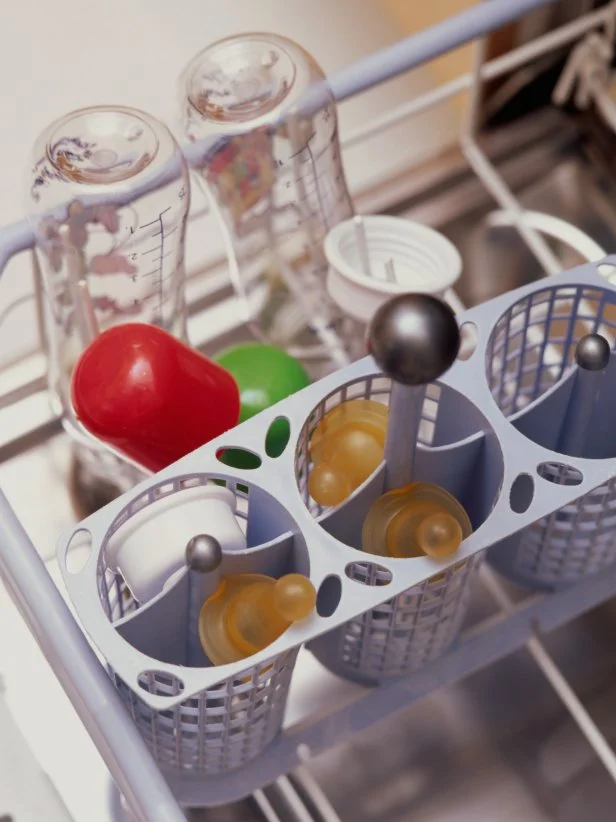
Place bottles upside down in the top rack or in a dedicated bottle basket to ensure water reaches the inside fully. Avoid overcrowding to let water and detergent circulate freely.
Use special bottle racks or holders if available; they keep bottles stable and prevent tipping, which can block water flow. If you don’t have one, a secure spot where bottles don’t touch other dishes works well too.
Think about your bottle lids and nipples—they often need to go in a small basket or mesh bag to avoid falling through the racks and getting lost or damaged.

Credit: www.searshomeservices.com
Common Mistakes To Avoid
Washing bottles in the dishwasher can save time and effort, but it’s easy to make mistakes that reduce cleanliness or damage your bottles. Avoiding these common errors helps keep bottles sanitary and extends their lifespan. Let’s look at some frequent pitfalls and how you can steer clear of them.
Overloading The Dishwasher
Packing too many items into your dishwasher might seem efficient, but it often backfires. Bottles need enough space for water and detergent to reach every surface, especially inside the narrow necks. When bottles are crammed tightly or blocked by other dishes, they may come out partially dirty or with leftover soap residue.
Try to arrange bottles separately, preferably on the top rack where the water pressure is gentler but still effective. Avoid placing large items next to bottles, as this can block spray arms and reduce cleaning power. Have you noticed bottles still feeling slimy after a cycle? Overloading might be the cause.
Ignoring Manufacturer Instructions
Each bottle brand and material can have specific dishwasher guidelines. Some plastic bottles may warp or release harmful chemicals if heated too much, while certain glass or stainless steel bottles might have dishwasher-safe labels but require careful placement. Skipping these instructions can lead to damage or health risks.
Always check the label or packaging before tossing bottles into the dishwasher. If the manufacturer advises hand washing or specific settings, follow those rules to protect your investment and your health. Have you ever ruined a bottle by assuming it was dishwasher safe? Paying attention to details saves headaches later.
Handwashing Vs Dishwasher Cleaning
Deciding between handwashing and using a dishwasher to clean your bottles can impact both the cleanliness and lifespan of the items. Each method has its benefits and drawbacks, and knowing when to choose one over the other can save you time and effort. Let’s break down these two approaches to help you make a better choice for your cleaning routine.
Pros And Cons Of Each Method
| Cleaning Method | Pros | Cons |
|---|---|---|
| Handwashing |
|
|
| Dishwasher Cleaning |
|
|
When Handwashing Is Necessary
You might wonder if there are times when handwashing is the only option. If your bottle has stubborn milk residue or narrow openings, handwashing with a bottle brush ensures thorough cleaning. Also, if your bottle is made of delicate materials like certain plastics or glass, handwashing can prevent heat damage from the dishwasher.
Think about bottles with special seals or silicone parts. These components can trap milk residue and require gentle, detailed scrubbing. Sometimes, a quick rinse in the dishwasher followed by handwashing the tricky parts strikes the perfect balance between convenience and cleanliness.
Have you noticed any wear or discoloration on your bottles after dishwasher use? That might be a sign to switch to handwashing for those items. Your cleaning method can directly affect how long your bottles last and how safe they remain for use.
Sanitizing Bottles Effectively
Keeping bottles clean and free from germs is important for health. Sanitizing bottles removes harmful bacteria that regular washing might miss. Proper sanitizing protects babies and adults who use bottles daily. There are easy ways to sanitize bottles effectively using common household tools. Understanding these methods helps ensure bottles stay safe and clean.
Using Dishwasher Sanitizing Features
Many dishwashers have a sanitizing cycle. This cycle uses higher temperatures to kill bacteria. Place bottles on the top rack for best results. Remove bottle lids and nipples before washing. Use dishwasher-safe bottles only to avoid damage. The sanitizing cycle usually lasts longer than regular washes. It dries bottles using heat to keep them sterile. Check your dishwasher manual for specific instructions.
Alternative Sanitizing Methods
Boiling bottles in hot water is an old but effective method. Submerge bottles, lids, and nipples in boiling water for at least five minutes. Use a clean pot and avoid overcrowding. Another option is using steam sterilizers designed for bottles. These devices use steam heat to kill germs quickly. Chemical sterilizing solutions are also available. Follow product instructions carefully to avoid residue. Wiping bottles with disinfectant wipes is not recommended for baby bottles.
Drying And Storing Bottles Post-cleaning
After washing bottles in the dishwasher, drying and storing them correctly is just as important as cleaning. Even the cleanest bottle can harbor bacteria if moisture lingers or if stored improperly. Paying attention to drying and storage helps keep your bottles safe and ready for the next use.
Proper Drying Techniques
Leaving bottles wet can encourage mold and bacteria growth. Make sure to remove bottles from the dishwasher as soon as the cycle ends to start the drying process promptly.
Place bottles upside down on a clean drying rack so air circulates inside. Avoid using towels to dry bottles, as they can transfer germs or leave lint behind.
If you want extra assurance, you can air dry bottles in a sunny spot or near a fan. Have you noticed how moisture hides in narrow bottle necks? Using a bottle brush to wipe inside after washing can help speed up drying.
Storage Tips To Maintain Cleanliness
Once dry, store bottles in a clean, dry place away from direct sunlight and dust. A closed cabinet or cupboard works best to keep dirt and insects out.
Keep bottle parts like nipples and lids stored separately but in a clean container. This prevents cross-contamination and ensures every piece stays fresh.
- Use a clean, dedicated basket or container to hold bottle parts.
- Avoid stacking bottles inside each other as this traps moisture.
- Check stored bottles regularly for dust or moisture buildup.
Have you ever found a bottle forgotten in a damp spot? That experience highlights why choosing the right storage location matters so much.
Credit: www.foodnetwork.com
Frequently Asked Questions
Can All Types Of Bottles Be Washed In A Dishwasher?
Not all bottles are dishwasher-safe. Check the manufacturer’s label for dishwasher compatibility to avoid damage or warping during cleaning.
How To Properly Place Bottles In A Dishwasher?
Place bottles upside down on the top rack. This ensures thorough cleaning and prevents water from pooling inside the bottle.
Is Dishwasher Cleaning Effective For Baby Bottles?
Yes, dishwashers can effectively sanitize baby bottles if the dishwasher has a high-temperature wash cycle. Use a designated baby bottle basket for best results.
Can Dishwasher Detergents Harm Bottle Materials?
Some detergents may degrade certain plastics over time. Use mild, non-abrasive detergents to preserve bottle integrity and avoid chemical residues.
Conclusion
Washing bottles in the dishwasher can save time and effort. Check the bottle’s label to see if it is dishwasher safe. Place bottles on the top rack to avoid damage. Use a gentle cycle to keep bottles clean and intact.
Regular washing helps keep bottles free from germs. Always let bottles dry completely before use. Simple steps make cleaning easy and safe. Clean bottles mean healthier drinking for you and your family.