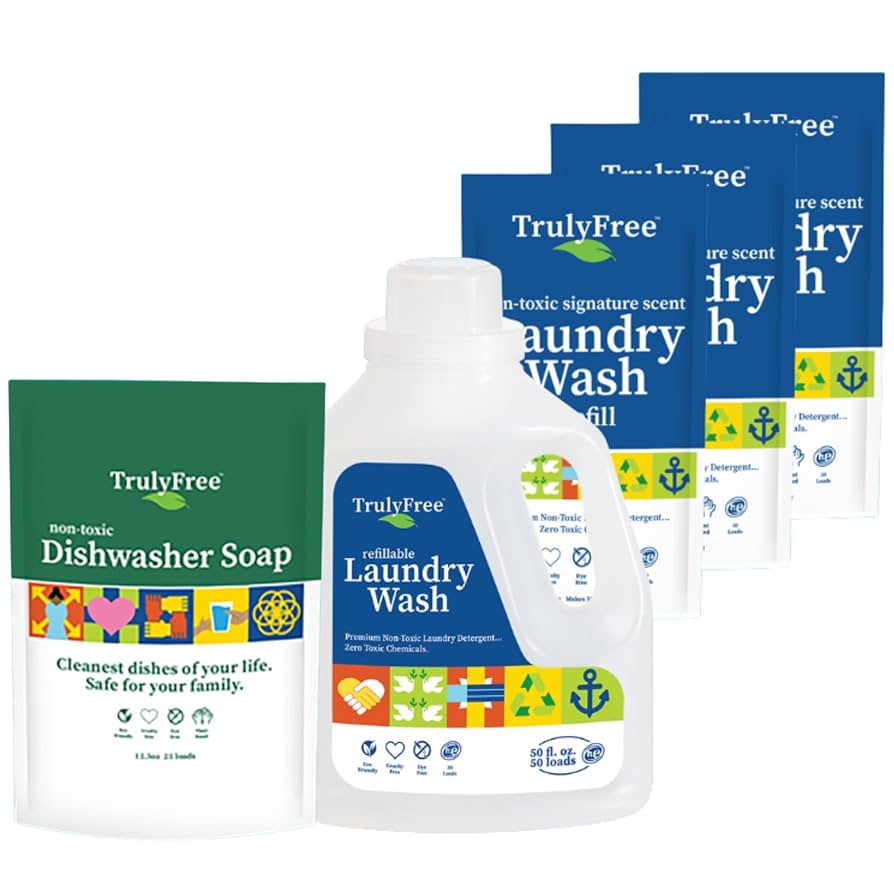
Picture this: you’re ready to tackle that ever-growing pile of laundry, but you’ve run out of laundry detergent. You glance over at the dishwasher detergent, wondering if it could serve as a quick substitute.
It seems like a simple solution, right? Before you make a decision that could affect your clothes, your washing machine, and even your health, there’s a lot more to consider. Curiosity about these household products might lead you to wonder if they’re interchangeable or if using dishwasher detergent for laundry is a recipe for disaster.
In this blog post, we’ll dive into the science behind these cleaning agents and reveal the surprising truths about their ingredients and intended uses. Before you risk turning your favorite sweater into a science experiment, let’s explore whether this quick fix is a clever hack or a potential mishap waiting to happen. Stick around to discover what works best for your laundry and why making the right choice could save you time, money, and frustration.
Credit: www.gianteagle.com
Differences Between Dishwasher And Laundry Detergents
Dishwasher and laundry detergents serve different cleaning needs. Each is made with unique ingredients and chemical properties. Understanding their differences helps avoid damage to clothes or appliances. These detergents are not interchangeable due to their specific purposes.
Formulation And Ingredients
Dishwasher detergent contains strong enzymes and surfactants designed to remove food residues. It often includes bleach and anti-corrosion agents to protect the dishwasher. Laundry detergent has milder ingredients made to clean fabrics gently. It contains fabric softeners and brighteners to protect clothes and maintain colors.
Ph Levels And Chemical Properties
Dishwasher detergents usually have a high pH, making them very alkaline. This helps break down tough grease and food particles. Laundry detergents have a balanced pH to protect fabric fibers and skin. Using dishwasher detergent on clothes can cause damage due to its harsh alkalinity.
Intended Cleaning Purposes
Dishwasher detergent targets hard surfaces like plates and glasses. It removes food stains, grease, and dried-on particles. Laundry detergent is designed to clean fabric fibers and remove dirt, sweat, and stains. Using the wrong detergent reduces cleaning efficiency and may harm fabrics or dishwashers.
Potential Risks Of Using Dishwasher Detergent In Laundry
Using dishwasher detergent for laundry may seem like a simple solution. It might clean clothes, but it can cause several problems. The ingredients in dishwasher detergent differ from laundry detergent. These differences create risks for your clothes, skin, and washing machine. Understanding these risks helps keep your laundry safe and clean.
Fabric Damage And Color Fading
Dishwasher detergent contains strong chemicals designed to remove tough food stains. These chemicals can be too harsh for fabrics. Using it on clothes can weaken fabric fibers. Clothes may become rough or develop holes over time. Bright colors can fade quickly because the detergent strips dyes. Whites might turn dull or gray instead of bright.
Skin Irritation And Allergic Reactions
Dishwasher detergent often has more powerful fragrances and chemicals. These can irritate sensitive skin after washing. Residue left on clothes can cause itching, redness, or rash. People with allergies or sensitive skin may experience stronger reactions. Laundry detergents are formulated to rinse out more easily, reducing this risk.
Machine Malfunctions And Residue Build-up
Dishwasher detergent creates more suds than laundry detergent. Excess suds can overflow and damage washing machine parts. Over time, residue may build up inside the machine. This buildup can clog hoses and filters, reducing performance. It may lead to costly repairs or shorten your machine’s life.
Realities Of Laundry Detergent Alternatives
Exploring alternatives to laundry detergent is common, especially when you run out or want to try something different. However, understanding the realities of these options is crucial before swapping your usual detergent. Not all substitutes work the same way, and some may even harm your clothes or washing machine.
Household Items That Can Substitute Detergent
You might be surprised by what’s already in your home that can clean your clothes. Baking soda, for instance, helps remove odors and softens fabrics. White vinegar acts as a natural fabric softener and can break down detergent residues.
Other items like lemon juice can brighten whites, and even a small amount of dish soap can sometimes replace laundry detergent in a pinch. But be careful with dish soap—it’s designed for dishes, not fabrics, and can cause excessive suds or leave residues.
Effectiveness Compared To Regular Detergents
These household substitutes often lack enzymes and surfactants found in laundry detergents, which are key to removing dirt and stains. While baking soda or vinegar can freshen clothes, they might not tackle heavy soils or grease effectively.
Regular detergents are formulated for various water types and fabric needs, ensuring a deeper clean. Using alternatives regularly may leave clothes less clean and cause buildup in your washer over time.
When Emergency Use Is Acceptable
Using non-traditional cleaners like dishwasher detergent or dish soap can be tempting during emergencies but should be a last resort. If you must use dish soap, use a very small amount and avoid high-efficiency machines to prevent foam overflow.
In a pinch, household items can help if you’re out of detergent, but plan to return to your regular detergent as soon as possible. Have you ever tried these alternatives? What was your experience with cleaning or machine performance?

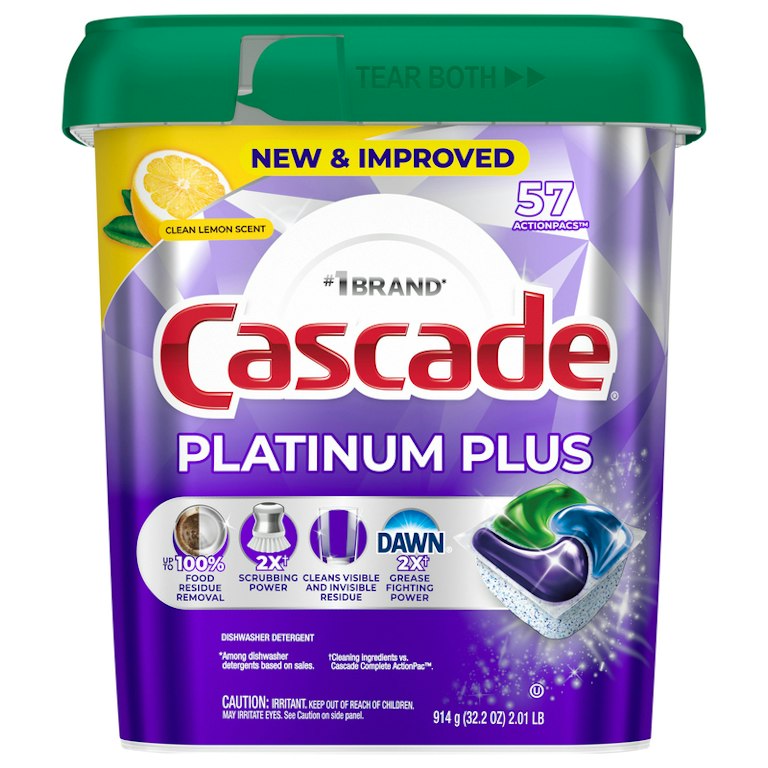
Credit: www.amazon.com
Tips For Safe Laundry Practices
Safe laundry practices protect your clothes and washing machine. Using the right detergent keeps fabrics fresh and machines working well. Avoid using dishwasher detergent for laundry; it can cause foam and damage. Follow simple tips to ensure clean clothes and a long-lasting washer.
Choosing The Right Detergent For Your Washing Machine
Use detergents designed for laundry machines. These detergents create less foam and clean fabrics effectively. High-efficiency (HE) washers need HE detergent. Regular detergents may harm these machines or leave residue. Check the detergent label for machine compatibility.
Proper Dosage And Usage Instructions
Use the correct amount of detergent. Too much detergent causes buildup and poor rinsing. Too little detergent leaves clothes dirty. Follow the detergent package instructions carefully. Add detergent to the right compartment in your washer to avoid damage.
Maintaining Your Washing Machine
Clean your washing machine regularly to prevent odor and buildup. Run a cleaning cycle with washing machine cleaner or white vinegar once a month. Wipe the door seal and detergent drawer to remove residue. Leave the door open after use to let it dry and stop mold.

Credit: www.gianteagle.com
Frequently Asked Questions
Can Dishwasher Detergent Replace Laundry Detergent Safely?
No, dishwasher detergent is not safe for laundry. It contains harsh chemicals that can damage fabrics and washing machines. Use only laundry detergent for washing clothes to ensure proper cleaning and machine safety.
What Happens If I Use Dishwasher Detergent In Laundry?
Using dishwasher detergent in laundry can cause excess suds and residue. It may harm your clothes and clog the washing machine. This can lead to poor cleaning results and potential machine damage.
Is Dishwasher Detergent Effective For Cleaning Clothes?
Dishwasher detergent is not effective for clothes cleaning. It’s formulated for dishes, not fabric fibers. Laundry detergents contain enzymes and ingredients suited to remove dirt and stains from clothing safely.
Can Dishwasher Detergent Damage My Washing Machine?
Yes, dishwasher detergent can damage washing machines. It creates too many suds, which can overflow and harm internal parts. Always use detergents designed specifically for washing machines to avoid damage.
Conclusion
Using dishwasher detergent for laundry can cause problems. It may create too many suds and damage your clothes. Laundry detergents are made to clean fabric gently and rinse well. Stick to products designed for washing machines to keep clothes fresh and safe.
Saving money by using dishwasher soap might lead to costly repairs or ruined laundry. Choose the right detergent for the best results. Clean clothes, happy machines, and no surprises. Simple and smart.