Have you ever opened your dishwasher, hoping for sparkling clean dishes, only to be greeted by a stubborn, lingering odor or a frustratingly clogged drain? You’re not alone.
Many homeowners face this annoying issue and wonder if a simple solution like using drain cleaner could fix the problem. But before you reach for that bottle, it’s important to know the facts. Could a quick fix actually damage your appliance or even pose a danger to your home?
We unravel the mystery behind using drain cleaner in a dishwasher and explore safer alternatives. Keep reading to discover how to keep your dishwasher running smoothly and ensure your dishes come out spotless every time.
How Dishwashers Work
Understanding how dishwashers work helps explain why certain products, like drain cleaners, are not safe to use inside them. Dishwashers use a mix of water, detergent, and heat to clean dishes effectively. They depend on several key parts and a specific cleaning process to get dishes sparkling clean.
Key Components
- Water Inlet Valve:Controls water flow into the dishwasher.
- Spray Arms:Spray water to wash dishes from all angles.
- Heating Element:Heats water and dries dishes.
- Detergent Dispenser:Releases detergent at the right time.
- Drain Pump:Removes dirty water after washing.
- Filters:Catch food particles to prevent clogs.
Typical Cleaning Process
The dishwasher fills with water through the inlet valve. Spray arms push water mixed with detergent onto the dishes. The heating element warms the water, helping to break down grease and food. After washing, the drain pump removes dirty water. The dishwasher then rinses the dishes with clean water. Finally, the heating element helps dry the dishes.
Credit: www.liquidplumr.com
Types Of Drain Cleaners
Drain cleaners come in several types, each with its own way to clear clogs. Knowing these types helps choose the right product for your needs. Some work fast but can be harsh, while others act gently over time. Understanding the differences protects your pipes and appliances.
Chemical Drain Cleaners
Chemical drain cleaners use strong acids or bases to dissolve blockages. They react quickly and can clear tough clogs like grease and hair. These cleaners often contain sodium hydroxide or sulfuric acid.
They are powerful but can damage pipes if used too often. Chemical cleaners release fumes and require careful handling. Avoid using them in dishwashers, as they may harm the machine’s parts.
Enzymatic And Natural Options
Enzymatic drain cleaners use enzymes and bacteria to break down organic matter slowly. These cleaners are safer for pipes and the environment. They target food waste, grease, and soap scum gently.
Natural options include baking soda and vinegar mixtures. These cause mild fizzing that helps remove minor clogs. They are non-toxic and safe for dishwasher drains. Regular use can keep drains fresh and clear.
Risks Of Using Drain Cleaner In Dishwashers
Using drain cleaner in a dishwasher is risky. Drain cleaners contain harsh chemicals designed for pipes, not appliances. These chemicals can harm your dishwasher and cause safety issues. Understanding these risks helps protect your appliance and health.
Potential Damage To Dishwasher Parts
Drain cleaners have strong acids or bases. These substances can corrode metal parts inside the dishwasher. Rubber seals and plastic components may also break down. Over time, this damage causes leaks and malfunctions. The dishwasher’s pump and hoses are especially vulnerable. Repair costs can be high if these parts fail.
Health And Safety Concerns
Drain cleaners release toxic fumes that can irritate eyes and skin. Using them in a dishwasher may cause chemical residues on dishes. This contamination can harm your health when you eat. Mixing drain cleaner with dishwasher detergent can create dangerous gases. Always avoid using products not meant for dishwashers to stay safe.
Credit: www.liquidplumr.com
Manufacturer Guidelines And Warnings
Manufacturer guidelines and warnings provide essential information for dishwasher care. Following these instructions helps avoid damage and ensures safe use. Ignoring warnings can lead to costly repairs or void warranties.
Dishwasher makers often advise against using harsh chemicals like drain cleaner. These substances can corrode internal parts and affect dishwasher performance. Always check the user manual before applying any cleaning product.
Checking The Dishwasher Manual
Start by reading the dishwasher’s manual carefully. Look for sections on cleaning and maintenance. Manuals usually list approved cleaning agents and explain what to avoid.
Most manuals clearly state not to use drain cleaner. This warning protects the appliance’s plumbing and electronic parts. Following these guidelines keeps the dishwasher in good condition.
Manufacturer Warnings About Drain Cleaners
Drain cleaners contain strong chemicals. These chemicals can damage the dishwasher’s seals, pipes, and filters. They may also cause leaks or electrical problems.
Manufacturers warn that drain cleaners may produce harmful fumes inside the dishwasher. Such fumes can be dangerous to your health and the appliance.
Recommended Alternatives For Cleaning
- Use dishwasher-specific cleaning products.
- Run empty cycles with vinegar or baking soda.
- Regularly clean filters and spray arms.
- Call a professional for tough clogs.
These methods are safer and approved by most manufacturers. They help maintain your dishwasher without risking damage.
Safe Alternatives For Cleaning Dishwasher Drains
Using harsh drain cleaners in a dishwasher drain can cause damage. Safe alternatives keep your appliance working well and avoid risks. These options help clear clogs and maintain proper drainage without harming pipes or seals.
Routine Maintenance Tips
- Run hot water through the dishwasher drain regularly.
- Clean the dishwasher filter after every few cycles.
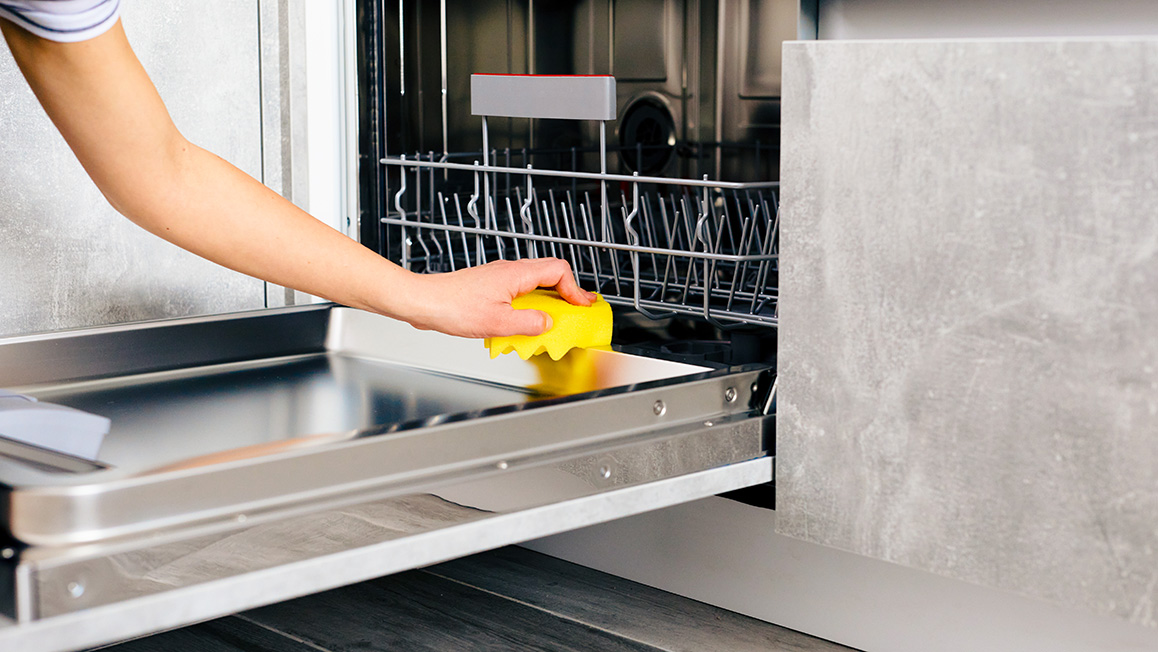
- Wipe down the door gasket to prevent buildup.
- Check and remove food debris from the drain area.
- Use dishwasher-safe cleaning tablets to reduce residue.
Diy Cleaning Solutions
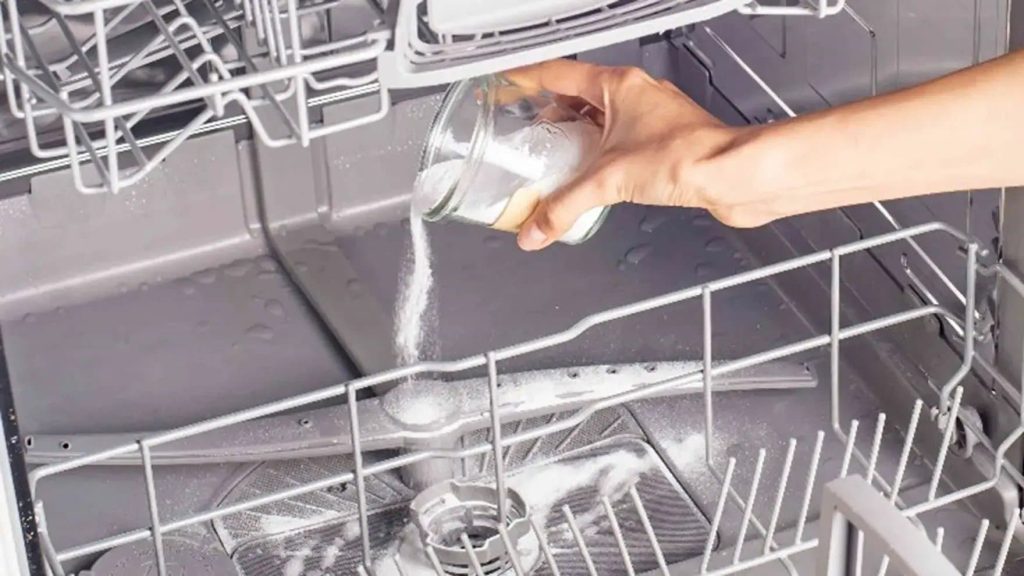
Mix baking soda and vinegar to clear minor blockages. Pour half a cup of baking soda into the drain. Follow with one cup of white vinegar. Let it fizz and sit for 15 minutes. Flush with hot water to rinse thoroughly.
Another option is to use lemon juice and baking soda. This combo helps break grease and freshens the drain. Pour baking soda first, then add lemon juice. Wait for the reaction, then flush with warm water.
When To Call A Professional
Knowing when to call a professional can save you from turning a small dishwasher issue into a costly repair. Some problems go beyond simple DIY fixes and require expert intervention. Recognizing these signs early helps protect your appliance and your home.
Unusual Noises Or Smells
If your dishwasher starts making loud grinding or banging sounds, it’s a clear warning sign. Strange smells, especially chemical or burning odors, indicate something is seriously wrong. These symptoms suggest internal damage or clogging that a drain cleaner won’t fix safely.
Repeated Drainage Problems
Have you noticed your dishwasher water pooling or draining very slowly despite your attempts to clear it? Persistent drainage issues often mean a deeper clog or a problem with the drain pump. Calling a professional ensures the blockage is properly identified and removed without risking damage.
Visible Leaks Or Water Damage
Leaks around your dishwasher can quickly lead to water damage beneath your cabinets. If you spot water on the floor or under the appliance, don’t wait to address it. Professionals can find and fix leaks caused by faulty seals, hoses, or internal components.
Repeated Use Of Chemical Drain Cleaners
If you’ve tried drain cleaners multiple times and the problem returns, it’s time to stop. Overusing chemicals can harm your dishwasher’s interior and plumbing. A technician can provide safer, more effective solutions tailored to your dishwasher’s design.
Electrical Or Control Panel Issues
When your dishwasher’s buttons stop responding or it fails to start properly, the issue may be electrical. These problems require specialized knowledge and tools to avoid electrical hazards. A professional can diagnose and repair control panel or wiring faults safely.
Credit: www.finishdishwashing.ca
Frequently Asked Questions
Can I Use Drain Cleaner Safely In A Dishwasher?
No, using drain cleaner in a dishwasher is unsafe. Drain cleaners contain harsh chemicals that can damage dishwasher parts and harm your health. Instead, use dishwasher-safe cleaning products designed specifically for this appliance to avoid damage and ensure safety.
What Happens If Drain Cleaner Goes Into Dishwasher?
If drain cleaner enters the dishwasher, it can corrode internal parts, damage seals, and leave harmful residues. This can lead to costly repairs and pose health risks from chemical exposure. Always avoid using drain cleaners in dishwashers to prevent these issues.
Are There Dishwasher-safe Alternatives To Drain Cleaners?
Yes, there are dishwasher-safe cleaners made to remove clogs and buildup safely. These products are formulated to protect your appliance while cleaning effectively. Use them according to instructions for best results and to maintain dishwasher longevity.
How To Clear Dishwasher Clogs Without Drain Cleaner?
To clear dishwasher clogs, try cleaning the filter and spray arms manually. Use baking soda and vinegar for natural cleaning. Regular maintenance and proper loading can prevent clogs without harsh chemicals.
Conclusion
Using drain cleaner in a dishwasher can cause serious damage. These cleaners are too strong for dishwasher parts. They may harm pipes, seals, and filters inside. Instead, use products made specifically for dishwashers. Regular cleaning and maintenance keep your machine working well.
Always follow the manufacturer’s instructions for safety. Protect your dishwasher by choosing the right cleaning method. Avoid risks and save money on repairs. A clean dishwasher means cleaner dishes and less trouble. Think twice before using harsh chemicals in your appliance.
Keep it safe, clean, and working longer.