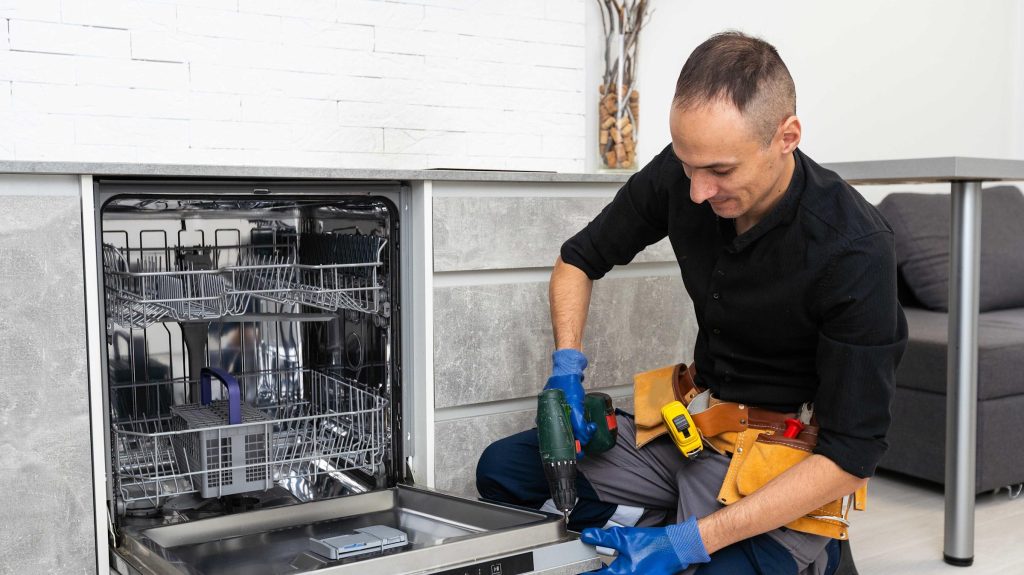
When your dishwasher starts acting up, frustration can quickly set in. You rely on it daily to keep your kitchen running smoothly, so any hiccup can feel like a major disruption.
As you search for solutions, you might wonder, “Can a plumber fix a dishwasher? ” It’s a valid question, and the answer may surprise you. Understanding who to call when your dishwasher breaks down can save you time, money, and a whole lot of stress.
We’ll explore whether a plumber is the right professional for the job. You’ll discover key insights that will empower you to make the best decision for your home. Keep reading to find out if a plumber can solve your dishwasher dilemmas and get your kitchen back in action.
Credit: www.rotorooter.com
Plumber’s Role In Dishwasher Repairs
Plumbers play an important role in fixing dishwashers. Many dishwasher problems relate to plumbing parts. These include water supply, drainage, and leaks. A plumber’s skills match well with these issues. They can identify and repair problems quickly and safely. Understanding a plumber’s role helps decide when to call one for dishwasher repairs.
Common Dishwasher Issues
- Water not filling properly
- Leaks under or around the dishwasher
- Drainage problems causing standing water
- Water pressure issues affecting cleaning
- Faulty water inlet valve
These problems often stem from plumbing connections or parts. A plumber can find leaks and fix water flow issues.
Plumber Vs Appliance Technician
| Service Provider | Skills | Dishwasher Issues Handled |
|---|---|---|
| Plumber | Water systems, pipes, leaks | Water supply, drainage, leaks |
| Appliance Technician | Electrical parts, controls, motors | Electronic faults, control panel, motor issues |
Plumbers fix water-related problems. Appliance technicians handle mechanical and electrical faults.
When To Call A Plumber
- Water does not enter the dishwasher
- Visible leaks around the appliance
- Drainage is slow or blocked
- Water pressure seems low
- Strange noises from water valves or pipes
Calling a plumber for these signs ensures proper repair. It prevents further damage to the dishwasher and home.
Diagnosing Dishwasher Problems
Diagnosing dishwasher problems often requires a careful check of several key areas. A plumber can identify issues related to water flow, leaks, and electrical faults. Understanding these common problems helps in deciding the right repair approach.
Water Supply And Drainage Issues
Dishwashers need a steady water supply to work properly. A plumber checks if the water valve is open and the hose is not blocked or kinked. Drainage problems can cause water to pool inside the dishwasher. The plumber inspects the drain hose and garbage disposal for clogs or damage.
Leaks And Pipe Connections
Leaks often appear around the door, under the unit, or near pipe connections. A plumber looks for loose or damaged pipes and seals. Tightening or replacing faulty connections stops leaks quickly. Proper sealing prevents water damage to your kitchen floor.
Electrical And Mechanical Faults
Dishwashers rely on electrical components to run cycles smoothly. A plumber checks wiring, switches, and the control panel for faults. Mechanical parts like pumps and motors also need inspection. Repairing or replacing broken parts restores dishwasher function safely.
Essential Tools And Skills
Repairing a dishwasher involves more than just turning a wrench. It requires specific tools and a set of skills to diagnose and fix problems effectively. A plumber has the right equipment and knowledge to handle common dishwasher issues. Understanding these tools and skills helps explain why a plumber can be a great choice for dishwasher repair.
Plumbing Tools For Dishwasher Repair
- Adjustable wrench for tightening and loosening fittings
- Pipe wrench for gripping and turning pipes
- Plumber’s tape to seal threaded connections
- Drain snake for clearing clogs in drain pipes
- Multimeter to check electrical connections and components
- Screwdrivers for removing panels and securing parts
- Bucket to catch water when disconnecting hoses
These tools allow plumbers to access hidden parts and fix leaks or blockages quickly. They also help in replacing broken parts safely and securely.
Basic Troubleshooting Skills
A plumber’s training includes learning to identify common dishwasher problems. They can detect issues like water not draining, leaks, or electrical faults. They test water supply lines and drainage for blockages or damage. They also check electrical components for power and continuity. These skills reduce guesswork and speed up repairs. Troubleshooting means fixing the right problem without unnecessary parts replacement.
Safety Precautions
Working with water and electricity can be dangerous. A plumber knows how to shut off the water supply before starting repairs. They also turn off the power to the dishwasher at the breaker box. Wearing gloves and protective eyewear prevents injuries. Proper handling of tools and parts avoids damage to the dishwasher. Safety ensures a smooth and risk-free repair process for both the plumber and the homeowner.
Step-by-step Repair Tips
Repairing a dishwasher might seem tricky, but with the right approach, you can tackle common issues effectively. Understanding what to check and how to fix problems can save you time and money. Here’s a clear guide to help you through the process.
Inspecting Water Lines
Start by examining the water supply lines connected to your dishwasher. Look for any signs of wear, kinks, or damage that could interrupt water flow.
Turn off the water supply before disconnecting the lines to avoid spills. Check both the inlet hose and the valve for blockages or leaks.
Have you noticed your dishwasher not filling up properly? This often relates directly to issues with the water lines.
Clearing Clogs And Blockages
Clogs can stop your dishwasher from draining or filling correctly. Remove and inspect the filter and drain hose for trapped debris like food particles or soap buildup.
Use a flexible brush or a mild solution of vinegar and baking soda to clean out stubborn blockages. Avoid harsh chemicals that could damage your appliance.
If water pools inside your dishwasher after a cycle, a blocked drain is likely the culprit. Clearing it yourself can often restore proper function.
Fixing Leaks And Seals
Leaks usually occur around door seals or hoses. Check the rubber gasket around the door for cracks or dirt that might prevent a tight seal.
Replace damaged gaskets or tighten hose clamps to stop leaks. Keep a towel handy to catch drips while you work.
Have you ever spotted water pooling under your dishwasher? Addressing leaks promptly prevents bigger problems like water damage to your floors.
When To Hire A Specialist
Knowing when to bring in a specialist can save you time, money, and frustration when your dishwasher acts up. While some issues are straightforward, others need expert hands to avoid bigger problems. Understanding the signs that demand professional help will keep your appliance running smoothly without unnecessary risks.
Complex Electrical Problems
Dishwashers rely heavily on electrical components that can be tricky to diagnose and repair. If your dishwasher won’t start, trips your circuit breaker, or shows error codes related to electrical faults, it’s a clear sign to call a specialist. Mishandling electrical parts can lead to shocks or further damage, so it’s safer to let a qualified technician handle these issues.
Warranty And Service Agreements
Check your dishwasher’s warranty before attempting any repairs yourself. Many warranties require that only authorized professionals work on the appliance to keep the coverage valid. Hiring a specialist ensures you don’t accidentally void your warranty, and you might even get free repairs or replacement parts as part of the service agreement.
Cost Considerations
At first, fixing a dishwasher yourself might seem cheaper, but hidden costs can add up quickly. Specialists can identify the root cause faster and prevent recurring problems, saving money in the long run. Think about whether a DIY fix might lead to costly mistakes versus investing in expert repair that lasts.
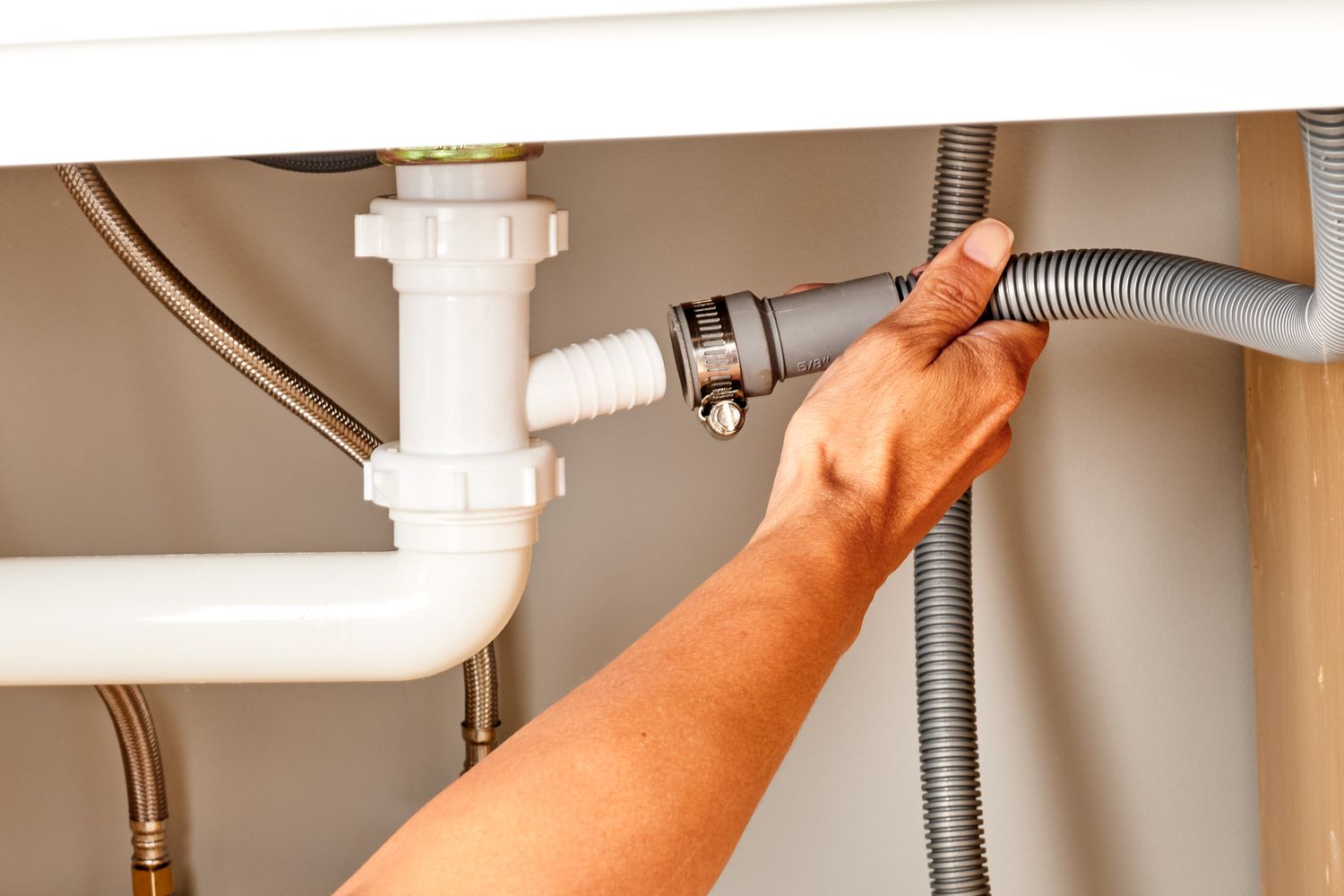
Credit: www.samedaytrades.com.au
Maintenance Tips To Prevent Repairs
Keeping a dishwasher in good shape helps avoid costly repairs. Simple maintenance habits extend its life and improve performance. Regular attention prevents clogs, leaks, and other common problems.
Regular Cleaning Practices
Clean the dishwasher’s interior often. Wipe down seals and door edges to stop mold growth. Run an empty cycle with vinegar or a dishwasher cleaner monthly. This removes grease and mineral buildup. Clean the spray arms to keep water flowing well.
Checking Hoses And Filters
Inspect hoses for cracks or leaks regularly. Replace damaged hoses promptly to avoid water damage. Remove and clean the filter to prevent food particles from clogging it. A clean filter improves water drainage and dish cleanliness.
Avoiding Common Mistakes
Do not overload the dishwasher. Overcrowding blocks water spray and reduces cleaning. Avoid using too much detergent; it causes soap buildup. Place sharp objects with care to prevent damage. Use dishwasher-safe items only to avoid melting or warping.

Credit: applianceworldonline.com
Frequently Asked Questions
Can A Plumber Repair Dishwasher Leaks?
Yes, plumbers can fix dishwasher leaks. They identify the source, replace faulty hoses or seals, and ensure proper water flow to prevent future leaks.
Do Plumbers Handle Dishwasher Installation?
Absolutely. Plumbers install dishwashers by connecting water supply and drainage. They ensure correct setup for optimal dishwasher performance and prevent plumbing issues.
Can A Plumber Fix Dishwasher Drainage Problems?
Yes, plumbers can resolve drainage issues by clearing clogs, checking drain hoses, or adjusting plumbing connections to restore efficient dishwasher drainage.
Will A Plumber Repair Dishwasher Water Supply Issues?
Plumbers can repair water supply problems by fixing valves, replacing damaged hoses, or addressing water pressure issues affecting dishwasher performance.
Conclusion
A plumber can often fix dishwasher problems quickly. They know how to handle water and pipes well. Sometimes, dishwasher issues involve plumbing parts. Calling a plumber can save time and effort. They can find leaks, clogs, or drainage troubles easily.
Not all dishwasher repairs need an appliance expert. Trust a plumber for certain repairs to work right. Keeping your dishwasher in good shape helps your kitchen run smoothly. When problems arise, a plumber might be the best helper.