
Are you curious about how much energy your dishwasher consumes? Understanding the amps your dishwasher uses can reveal not only its impact on your electricity bill but also its efficiency.
Maybe you’re planning to upgrade your appliance or simply aiming to optimize your home’s energy use. Either way, knowing the electrical demands of your dishwasher is crucial. We’ll break down the amp usage of dishwashers in a simple and relatable way.
You’ll gain insights that could save you money and reduce your environmental footprint. Stay tuned to discover everything you need to know about how many amps dishwashers use and why it matters for you.
Dishwasher Power Basics
Understanding dishwasher power basics helps manage energy use and electrical needs. Dishwashers consume electricity to heat water and operate motors. Knowing their power requirements ensures safe and efficient use. This section covers typical wattage and voltage needs for dishwashers.
Typical Wattage Range
Dishwashers usually use between 1,200 and 2,400 watts. The exact wattage depends on the model and features. Energy-efficient models tend to use less power. Heating elements require the most electricity during a wash cycle.
- Basic models: around 1,200 to 1,500 watts
- Mid-range models: about 1,800 to 2,000 watts
- High-end models: up to 2,400 watts or more
Understanding wattage helps estimate energy consumption and costs.
Voltage Requirements
Most dishwashers operate on standard household voltage. In the U.S., this is usually 120 volts. Some high-power models need 240 volts for operation. Always check the manufacturer’s voltage specifications before installation.
- Standard voltage: 120 volts for most dishwashers
- High-power models: may require 240 volts
- Proper voltage ensures safe and efficient dishwasher function

Credit: www.jackery.com
Calculating Dishwasher Amps
Understanding how to calculate the amps your dishwasher uses can save you from electrical headaches and help you choose the right circuit breaker. It’s not just about guessing or relying on the label; doing the math ensures safety and efficiency in your home’s electrical system.
Knowing how to figure out amps also empowers you when shopping for appliances or planning upgrades. Let’s break down the calculation process into simple parts that anyone can follow.
Using Wattage And Voltage
To calculate amps, you need two key numbers: the wattage of your dishwasher and the voltage of your home’s electrical supply. The formula is straightforward:
Most dishwashers list their wattage on the label or in the manual. Your home’s voltage is usually 120 volts in the U.S. If your dishwasher uses 1440 watts, divide 1440 by 120 to find the amps.
This calculation shows how much current your dishwasher draws when running. Keep in mind, some dishwashers have different settings that change wattage, so check the highest wattage for safety.
Examples Of Amp Calculations
| Dishwasher Wattage | Voltage (Volts) | Calculated Amps |
|---|---|---|
| 1440 W | 120 V | 12 A |
| 1800 W | 120 V | 15 A |
| 1500 W | 240 V | 6.25 A |
Imagine you want to install a dishwasher with a 1800-watt rating. Dividing 1800 by 120 volts, you get 15 amps. This means your circuit should handle at least 15 amps, preferably more for safety.
Have you checked your dishwasher’s wattage and calculated the amps before? Understanding this simple math can prevent overloads and keep your kitchen running smoothly.
Factors Affecting Current Draw
The amount of current a dishwasher uses depends on several important factors. These factors influence how much power the machine pulls during operation. Understanding these helps in estimating energy use and electrical requirements. The current draw varies with different dishwasher settings and features. Each element inside the dishwasher affects the total amps it consumes.
Cycle Types And Duration
Dishwashers offer multiple cycle options. Each cycle uses power differently. Quick or light cycles draw less current because they run shorter. Heavy or intensive cycles use more amps due to longer run times and higher demands. The total duration of the cycle impacts the overall current usage.
Heating Elements Impact
Heating elements consume a significant amount of power. They warm the water for better cleaning and drying. When the heating element is active, current draw increases sharply. Some dishwashers heat water more than others. This difference causes variations in amps used during the cycle.
Additional Features
Modern dishwashers often include extra features. These features can increase current draw. Examples include:
- Soil sensors that adjust washing intensity
- Steam cleaning functions
- Extra drying options
- Built-in water softeners or filtration systems
Each feature adds to the total electrical load. This affects the overall amps the dishwasher requires.
Credit: magnifyelectric.com
Circuit And Wiring Needs
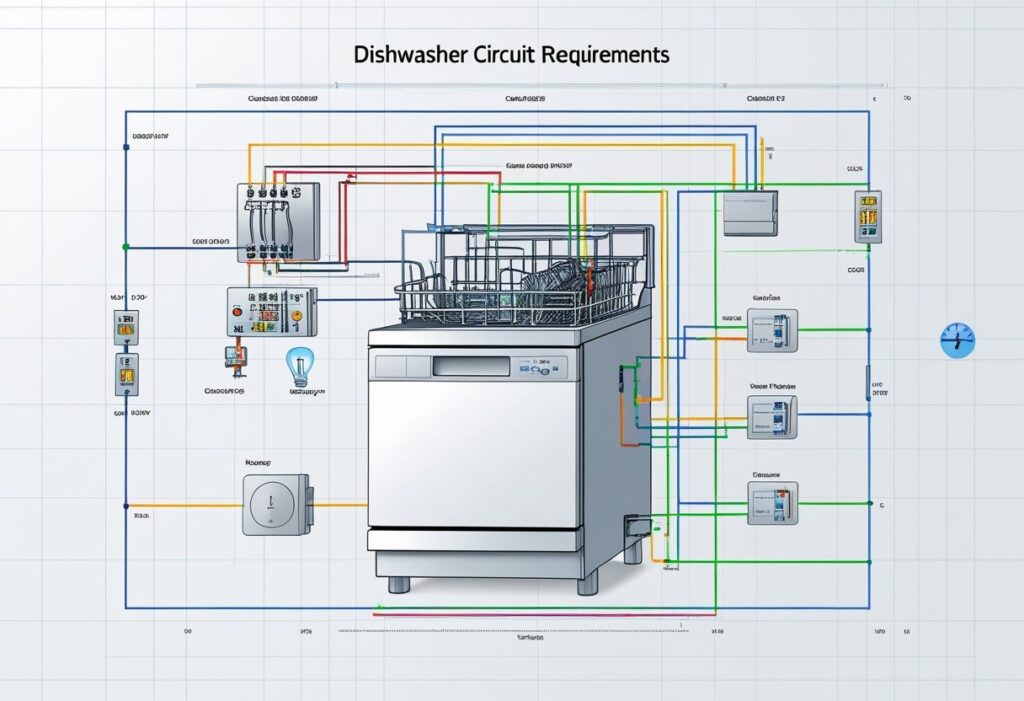
Understanding the circuit and wiring needs of a dishwasher is essential for safe and efficient operation. Dishwashers usually require a dedicated electrical circuit to handle their power demands. Proper wiring and circuit breakers ensure the appliance runs smoothly without tripping or overheating. This section explains the recommended circuit breakers, wiring specifications, and safety considerations for dishwashers.
Recommended Circuit Breakers
Most dishwashers use between 10 to 15 amps of current. A 15-amp circuit breaker is usually sufficient for standard models. Some high-end or commercial dishwashers may require a 20-amp breaker. The breaker must match the dishwasher’s power needs to prevent overloads. Always check the manufacturer’s instructions for the exact amperage required.
Wiring Specifications
Dishwashers typically need 12 or 14-gauge wiring. Use 12-gauge wire for circuits with 20 amps and 14-gauge wire for 15 amps. The wiring should be copper for better conductivity and durability. Proper wire insulation protects against electrical shorts and damage. Use a dedicated wiring line to avoid interference with other appliances.
Safety Considerations
Use a ground fault circuit interrupter (GFCI) for added safety. It helps prevent electric shocks in wet environments like kitchens. Ensure all connections are tight and secure to avoid sparks. Never overload the circuit with multiple appliances. Always turn off power before working on dishwasher wiring or circuits.
Energy Efficiency And Consumption
Understanding the energy efficiency and consumption of dishwashers can help you manage your electricity bills better. Dishwashers vary in how much power they draw, and knowing the factors that influence this can make a big difference. Let’s look at how energy ratings and smart usage can reduce your dishwasher’s electrical demand.
Energy Star Ratings
Energy Star labels indicate dishwashers that meet strict energy efficiency guidelines. Appliances with this rating use less electricity without compromising cleaning performance. Choosing an Energy Star dishwasher often means using 12% less energy and 30% less water than standard models.
Imagine replacing an old dishwasher with one that has this rating—you could notice a drop in your monthly energy bills. Energy Star dishwashers also tend to have features like soil sensors that adjust the cycle based on how dirty your dishes are. This not only saves power but also reduces water use, which adds to your savings.
Reducing Electrical Usage
You can lower your dishwasher’s electricity use by tweaking how and when you run it. Running full loads maximizes efficiency because the appliance uses almost the same amount of energy regardless of load size. Avoid using the heat dry option; air drying your dishes cuts down on energy consumption significantly.
Think about running your dishwasher during off-peak hours if your utility charges less for electricity then. This simple change can reduce your energy costs without changing your cleaning routine. Also, regular maintenance like cleaning filters and checking spray arms ensures your dishwasher runs efficiently, saving you power and money.
Credit: www.electriciantalk.com
Troubleshooting Electrical Issues
Troubleshooting electrical issues with your dishwasher can save time and prevent damage. Understanding common problems helps you act fast and avoid bigger repairs. Dishwashers use a certain amount of amps, and electrical overloads can cause malfunctions. Knowing the signs of overload and when to call an expert keeps your kitchen safe.
Common Signs Of Overload
- Frequent tripping of circuit breakers during dishwasher use
- Flickering kitchen lights when the dishwasher runs
- Burning smell near the dishwasher or electrical panel
- Dishwasher stops mid-cycle without explanation
- Warm or hot power cords and plugs
- Buzzing sounds from the electrical outlet
When To Call An Electrician
Persistent electrical issues require professional help. Call an electrician if circuit breakers trip often. If you notice burning smells or scorch marks, do not delay. Strange noises from outlets or wiring need urgent inspection. Avoid using the dishwasher until the problem is fixed. A licensed electrician ensures safe repairs and proper wiring. This prevents fire hazards and appliance damage.
Upgrading Or Installing Dishwashers
Upgrading or installing a dishwasher requires attention to your home’s electrical system. Dishwashers use a specific amount of amps to operate safely and efficiently. Understanding this helps avoid electrical issues and ensures your appliance works well.
Evaluating Home Electrical Capacity
Check your home’s electrical panel before installing a dishwasher. Most dishwashers need a dedicated 15-20 amp circuit. Older homes may not have enough capacity for modern dishwashers.
Look for these signs:
- Frequent tripped breakers
- Dimming lights when the dishwasher runs
- Outdated wiring or panels
Consider consulting an electrician to assess your system. Upgrading your electrical panel might be necessary to handle the dishwasher’s power needs safely.
Installation Tips
Ensure the dishwasher is connected to a proper electrical source. Use a dedicated circuit to prevent overloads. Follow manufacturer instructions for wiring and grounding.
Keep these tips in mind:
- Turn off power before installation
- Use the correct gauge wire for the circuit
- Secure connections to avoid loose wires
- Test the circuit after installation
Proper installation helps your dishwasher run smoothly and reduces safety risks. Always prioritize electrical safety to protect your home and appliances.
Frequently Asked Questions
How Many Amps Does A Dishwasher Typically Use?
Most dishwashers use between 6 to 15 amps. This depends on the model and power settings. Standard models often run on 10 amps for efficient cleaning.
What Determines A Dishwasher’s Amperage Requirement?
Amperage depends on the dishwasher’s motor size and heating element. Larger or high-efficiency models usually draw more amps. Energy-saving dishwashers may use fewer amps while maintaining performance.
Can A Dishwasher’s Amps Affect My Home’s Electrical Panel?
Yes, high-amp dishwashers require proper circuit breakers. Most need a dedicated 15-20 amp circuit to prevent overloads. Always check your panel’s capacity before installation.
Does Dishwasher Amperage Impact Energy Consumption?
Higher amps typically mean higher power use, affecting energy bills. Energy-efficient dishwashers balance amperage with optimal performance to save electricity. Always look for Energy Star-rated models for savings.
Conclusion
Dishwashers usually use between 6 and 15 amps of power. Knowing this helps you choose the right circuit for your kitchen. Always check your dishwasher’s label for exact amperage. A proper electrical setup keeps your dishwasher safe and working well.
Small differences in amps can affect your home’s energy use. Understanding these basics makes buying and installing easier. Keep your kitchen running smoothly and avoid electrical problems. Simple steps save you time and money in the long run.