Have you ever wondered if your plastic containers are truly safe in the dishwasher? You’re not alone.
The numbers and symbols on the bottom of plastic items can seem like a mystery. But understanding them is crucial for your safety and the longevity of your kitchenware. One number that often pops up is the number 5. Does it mean your plastic is dishwasher safe, or should you avoid the temptation to toss it in with your dinner plates?
We’re diving into the world of plastic number 5. We’ll uncover what it means for your health and your convenience. Is it safe for your dishwasher, or are there hidden risks you need to know about? Keep reading, because the answers might surprise you and change the way you handle your kitchen essentials.
Plastic 5 Basics
Understanding Plastic 5 is essential for safe kitchen use. This type of plastic has specific features that affect its durability and safety. Knowing the basics helps you decide if it is dishwasher safe or not. Let’s explore what Plastic 5 is and where it is commonly used.
What Is Plastic 5
Plastic 5 is also called polypropylene (PP). It is a type of plastic known for its toughness and heat resistance. It can handle higher temperatures compared to some other plastics. This makes it a popular choice for containers that need to hold hot food or liquids.
Plastic 5 is lightweight and flexible. It does not easily crack or break. It is also resistant to many chemicals. These qualities make it useful in many daily items.
Common Uses Of Plastic 5
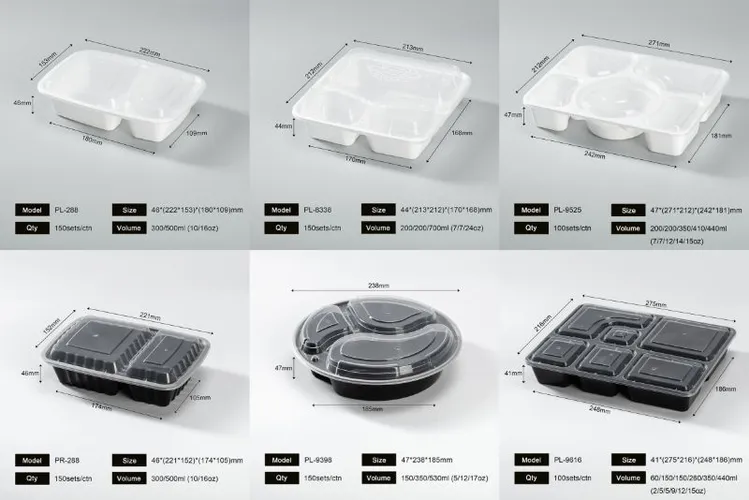
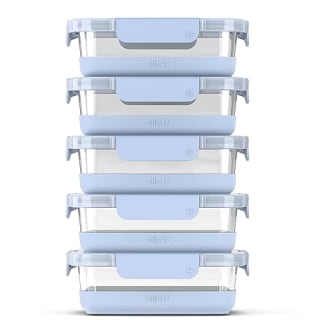
- Food storage containers
- Reusable water bottles
- Microwave-safe dishes
- Yogurt and margarine tubs
- Dishware and cutlery
- Medicine bottles
These items often show a recycling symbol with the number 5 on them. Plastic 5’s heat resistance makes it suitable for kitchenware that may be exposed to hot water or microwaves.

Credit: www.walmart.com
Dishwasher Safety Factors
Understanding the safety of Plastic 5 in dishwashers means looking closely at certain key factors. These factors determine whether your items will hold up or get damaged during the wash cycle. Let’s break down the most important aspects that affect dishwasher safety.
Heat Resistance Of Plastic 5
Plastic 5, also known as polypropylene, usually has a decent heat resistance level. It can often handle dishwasher temperatures without warping or melting. However, not all Plastic 5 items are created equal—thinner or lower-quality pieces may not withstand the heat as well.
Have you ever noticed your plastic containers bending or cracking after a few dishwasher cycles? This happens because the plastic’s heat tolerance is exceeded. To protect your items, check if the manufacturer specifies a maximum temperature or dishwasher-safe label.
Chemical Exposure In Dishwashers
Dishwashers use strong detergents and rinse agents to remove grease and food. These chemicals can sometimes degrade Plastic 5, causing it to become brittle or discolored over time. Even if the plastic survives the heat, chemical exposure may shorten its lifespan.
Think about how your plastic cups or lids look after repeated washes. Do they look faded or feel rough? This is a sign that dishwasher chemicals are affecting the material. To keep your Plastic 5 items in good shape, consider using milder detergents or hand washing if you notice damage starting.
Signs Plastic 5 Is Dishwasher Safe
Knowing if Plastic 5 is dishwasher safe helps protect your items and dishwasher. Some plastics handle heat well; others can warp or release harmful chemicals. Checking for signs of dishwasher safety avoids damage and keeps your kitchen safe.
Manufacturer Labels
Look for dishwasher-safe symbols on the plastic item. Common labels include:
- A dishwasher icon or waves symbol
- The words “Dishwasher Safe” or “Top Rack Only”
- Recycling code number 5 inside a triangle
These signs show the manufacturer tested the plastic for dishwasher use. Follow their advice to keep your items intact.
Material Properties
Plastic 5, or polypropylene, has good heat resistance. It usually withstands dishwasher temperatures without melting or warping. This plastic resists chemical damage from detergents.
Still, thin or low-quality polypropylene can deform in hot water. Check the thickness and feel of the plastic. Thick, sturdy items are more likely dishwasher safe. Soft or flimsy plastics may need hand washing to last longer.
Credit: www.nbcnews.com
Risks Of Dishwasher Use
Using a dishwasher for Plastic 5 items carries certain risks. These plastics are designed for durability, but high heat and strong detergents can cause damage. Understanding these risks helps protect your kitchenware and health.
Warping And Melting
Plastic 5 can soften under high dishwasher temperatures. This may cause warping or melting, especially on the bottom rack where heat is strongest. Warped items lose their shape and usability. Melting can damage the dishwasher or other dishes. Hand washing may be safer for delicate plastic 5 items.
Chemical Leaching Concerns
Heat and detergent can cause chemicals to leach from plastic 5. These chemicals may mix with your food or drink. Prolonged exposure to heat increases this risk. Consuming leached chemicals may pose health issues. Choosing dishwasher-safe plastics with proper labels reduces this concern.
Best Practices For Cleaning Plastic 5
Cleaning Plastic 5 items requires special attention to keep them safe and durable. This type of plastic is known for its toughness, but improper cleaning can cause warping or damage. Knowing how to care for these items will help you maintain their look and function for longer.
Hand Washing Tips
Hand washing Plastic 5 items is often the safest choice. Use warm water and mild dish soap to avoid harsh chemicals that can break down the material.
Scrub gently with a soft sponge or cloth. Avoid abrasive scrubbers that may scratch the surface.
Rinse thoroughly to remove all soap residue. Leftover soap can dull the plastic or cause buildup over time.
Safe Dishwasher Settings
If you prefer using a dishwasher, choose a gentle or plastic-safe cycle. High heat can cause Plastic 5 to warp or lose its shape.
Place plastic items on the top rack to keep them away from the heating element at the bottom.
Skip the heated drying cycle and let items air dry instead. This reduces the chance of heat damage.
Alternatives To Dishwasher Cleaning
Not all plastic 5 items can handle the dishwasher’s intense cleaning cycle without damage. Some plastics may warp, lose color, or even release harmful chemicals. If you want to keep your plastic 5 items in good shape, consider alternative cleaning methods that are gentle but effective.
Using Mild Detergents
Choose mild dish soaps that are free from harsh chemicals and abrasives. These detergents clean well without wearing down the plastic surface. You can simply wash your plastic 5 items by hand using warm water and a soft sponge or cloth.
Have you noticed how some soaps leave a residue or make your plastic feel sticky? That’s a sign to switch to gentler options. Mild detergents help maintain the plastic’s integrity and prevent cloudiness.
Avoiding High Heat
High temperatures can cause plastic 5 to warp or degrade. Instead of hot water, use lukewarm or cool water to wash your items. Avoid placing plastic 5 containers near direct heat sources or in the oven.
I once ruined a favorite lunchbox by tossing it into boiling water. It lost its shape and didn’t seal properly afterward. Protect your plastic by keeping heat exposure to a minimum during cleaning and storage.
Environmental Impact
Plastic 5, also known as polypropylene, is common in household items. Its environmental impact depends on how we manage its use and disposal. Understanding this impact helps us make better choices for the planet.
Plastic 5 Recycling
Plastic 5 is recyclable but less accepted than other plastics. It can be turned into new containers, car parts, and textiles.
Recycling reduces the need for new plastic production. This saves energy and cuts pollution.
Many recycling centers accept Plastic 5, but check local guidelines. Proper sorting improves recycling success.
Reducing Plastic Waste
Reducing plastic waste helps protect the environment. Choose reusable items instead of single-use plastics.
Simple actions can make a difference:
- Use refillable containers
- Avoid products with excessive packaging
- Support brands using sustainable materials
These steps lower the amount of plastic sent to landfills and oceans.

Credit: www.amazon.ca
Frequently Asked Questions
Is Plastic 5 Safe To Use In The Dishwasher?
Yes, Plastic 5 (PP) is generally dishwasher safe. It can withstand high temperatures without deforming or releasing harmful chemicals.
How Does Dishwasher Heat Affect Plastic 5 Items?
Plastic 5 resists heat well, so dishwasher heat rarely causes damage. However, avoid placing items on the bottom rack near the heating element.
Can Dishwasher Detergents Harm Plastic 5 Containers?
Most dishwasher detergents are safe for Plastic 5. Harsh chemicals may cause slight fading but won’t degrade the plastic’s integrity.
Will Repeated Dishwasher Cycles Weaken Plastic 5 Over Time?
Repeated dishwasher use may cause minor wear, but Plastic 5 remains durable and safe for long-term use in dishwashers.
Conclusion
Plastic 5 items are usually safe for dishwashers. Still, check the label before washing. Some plastics may warp or fade over time. Use the top rack for better results. Avoid high heat settings to protect your dishes. Regular care helps keep plastic items lasting longer.
Simple steps can save you from damage. Clean plastic 5 with care to keep it safe. Remember, not all plastics are the same in dishwashers. Stay cautious and enjoy hassle-free cleaning.