Are you tired of pulling out your dishes from the dishwasher only to find them still covered in those pesky white spots? Hard water stains can be a persistent nuisance, making your otherwise clean dishes look less than perfect.
But don’t worry, you’re not alone in this struggle. Many households face this issue, and the good news is, there’s a solution. We’re going to reveal simple yet effective strategies to get rid of those stubborn hard water stains for good.
Imagine the satisfaction of seeing your dishes sparkle and shine, free from any blemishes. Ready to transform your dishwashing routine and reclaim the gleam of your glassware and utensils? Let’s dive in and discover how you can achieve spotless, stain-free dishes effortlessly.
Causes Of Hard Water Stains
Hard water stains on your dishes can be frustrating, especially after a full dishwasher cycle. Understanding why these stains appear is key to tackling them effectively. Let’s look at the main causes behind hard water stains so you can better manage and prevent them.
Mineral Buildup In Water
Hard water contains high levels of minerals like calcium and magnesium. These minerals don’t dissolve easily in water and tend to settle on surfaces during washing. Over time, they build up as a chalky, white residue on your dishes and glassware.
Think about the last time you noticed cloudy spots on your favorite wine glasses. That cloudiness is the leftover minerals sticking to the glass after the water evaporates. If your water source is rich in these minerals, your dishwasher will struggle to rinse them away completely.
Effects On Dishes And Glassware
These mineral deposits don’t just look bad—they can also affect the feel and usability of your dishes. Glasses might feel rough or etched, and plates can appear dull and stained. This buildup can even reduce the lifespan of your kitchenware by causing permanent damage over time.
Have you ever wondered why your dishwasher detergent doesn’t seem to work as well anymore? Hard water minerals can interfere with cleaning agents, making them less effective. This means your dishes may come out less clean and more prone to staining.
Signs Of Hard Water Stains
Hard water stains on dishes can be frustrating and tough to remove. These stains result from minerals like calcium and magnesium in water. Recognizing the signs helps you treat the problem effectively. Watch for changes in your dishes after the dishwasher cycle. Knowing the signs early can save your dishes from permanent marks.
White Spots And Film
White spots are the most common sign of hard water stains. These spots appear as tiny, chalky marks on glasses and plates. A thin white film can also cover dish surfaces. This film feels rough and dull to the touch. It happens when minerals stick to the dish after water evaporates. These stains do not wash away easily with regular rinsing.
Cloudy Appearance
Dishes with hard water stains often look cloudy or hazy. Glassware loses its shine and looks fogged up. This cloudiness comes from mineral buildup that blocks light. It makes dishes seem dirty even after washing. Cloudy dishes can hide other stains or food residue. This reduces the overall cleanliness of your dishes.
Prevention Tips For Hard Water Stains
Hard water stains on dishes look unpleasant and can be tough to remove. Prevention helps keep your dishes sparkling clean and saves time scrubbing. Simple steps reduce mineral buildup inside the dishwasher and on your dishes. These tips help protect your dishwasher and improve its cleaning power.
Using Water Softeners
Water softeners reduce minerals like calcium and magnesium in your water. These minerals cause hard water stains on dishes. Installing a water softener system helps stop stains before they start.
- Use a built-in water softener if your dishwasher has one.
- Add dishwasher salt regularly to help soften water inside the machine.
- Use detergents made for hard water to improve cleaning.
Regular Dishwasher Maintenance
Keeping your dishwasher clean prevents mineral buildup and stains on dishes. Regular maintenance keeps water flowing well and removes leftover debris.
- Clean the dishwasher filter every month to remove trapped particles.
- Run an empty cycle with vinegar or dishwasher cleaner once a month.
- Check spray arms for clogs and clean them if needed.
- Wipe the door seals and edges to avoid mold and grime.

Credit: www.cleanwaterstore.com
Easy Home Remedies
Hard water stains on dishes can be stubborn, but you don’t need harsh chemicals to get them off. Simple ingredients from your kitchen can work wonders. These easy home remedies not only clean effectively but also save you money and keep your dishes safe.
Vinegar Rinse Cycle
Vinegar is a natural acid that breaks down mineral deposits left by hard water. Add one to two cups of white vinegar to the bottom of your dishwasher before running a rinse cycle. This helps dissolve stains and leaves your dishes sparkling clean without any residue.
If you notice a persistent film, try running the vinegar rinse once a week. It’s a quick fix that takes almost no effort but makes a big difference in how your dishes look and feel.
Baking Soda Scrub
Baking soda is mildly abrasive and perfect for scrubbing away tough hard water spots. Make a paste with baking soda and a small amount of water, then gently rub it onto the stained areas of your dishes. After scrubbing, rinse thoroughly to reveal a clean surface.
This method works well on glassware and ceramic items that have a cloudy appearance. Have you tried this yet? You might be surprised how quickly the stains disappear.
Lemon Juice Treatment
Lemon juice contains natural acids that cut through hard water stains while leaving a fresh scent. Soak a cloth or sponge in lemon juice and wipe down your dishes, focusing on the stained spots. Let it sit for about 10 minutes before rinsing with warm water.
Using lemon juice can also brighten your dishes and add a natural shine. This trick is especially useful if you want a chemical-free way to keep your glassware looking crystal clear.
Commercial Products That Help
Hard water stains on dishes are a common problem for many households. Commercial products offer effective solutions to remove these stubborn marks. They clean your dishwasher and soften the water to prevent future stains. Using the right product can make a noticeable difference in the shine of your dishes.
Dishwasher Cleaners
Dishwasher cleaners target mineral buildup inside your machine. They dissolve limescale and other residues that cause hard water stains. Regular use keeps your dishwasher running smoothly and your dishes spotless. Most cleaners come in powder, liquid, or tablet forms. Follow the product instructions for best results. Cleaning the dishwasher itself helps prevent stains on dishes.
Water Softening Agents
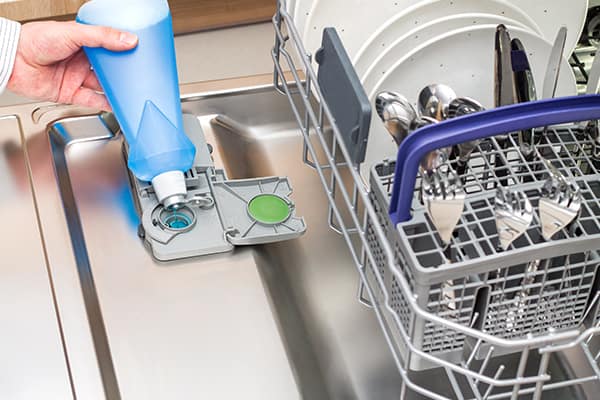
Water softening agents reduce minerals like calcium and magnesium in water. These minerals cause hard water stains and spots. Softening agents work by binding to minerals, making them easier to rinse away. Many dishwasher detergents include softening agents. You can also buy separate water softeners to add to your dishwasher. Using these products helps dishes come out cleaner and brighter every wash.
Credit: priorityappliance.com
Step-by-step Cleaning Process
Removing hard water stains from dishes in your dishwasher can seem tricky, but a clear process makes it manageable. The key is to tackle the problem before, during, and after the wash cycle. Let’s break down a straightforward cleaning routine that helps restore your dishes’ sparkle.
Preparing Dishes
Start by scraping off food scraps to prevent clogging and ensure better cleaning. Avoid rinsing dishes completely; a little residue helps the detergent work more effectively. Arrange dishes properly with enough space so water can reach every surface, especially those prone to hard water stains like glasses and plates.
Have you noticed water spots mainly on your glassware? Placing them away from the spray arms can reduce spotting. Also, check your dishwasher’s filter and clean it if needed—blocked filters can cause poor water circulation and more stains.
Running The Dishwasher With Additives
Add a water softener or dishwasher salt if your machine supports it; these help prevent mineral buildup during the wash. Use a quality detergent designed for hard water conditions, as it breaks down mineral deposits better than regular detergents.
Try adding half a cup of white vinegar in a dishwasher-safe cup on the top rack. Vinegar acts as a natural rinse aid, cutting through hard water residue effectively. Avoid using bleach or harsh chemicals that can damage your dishes or dishwasher components.
Post-wash Spot Removal
If stains linger after the cycle, wipe your dishes with a soft cloth dipped in white vinegar or lemon juice. These mild acids dissolve mineral deposits without scratching your dishes. For stubborn spots, a paste of baking soda and water gently buffs away residue.
Have you ever wondered why some spots seem impossible to remove? Sometimes, hard water stains become etched and require repeating the vinegar wipe or soaking the affected items briefly. Don’t let these stains pile up—regular maintenance keeps your dishes clearer and your dishwasher running smoothly.
Tips For Maintaining Spotless Dishes
Maintaining spotless dishes in your dishwasher takes more than just running a cycle. Simple habits can prevent hard water stains and keep dishes shining. These tips focus on how to load dishes, choose detergents, and care for your appliance regularly. Following these steps helps avoid cloudy spots and residue on your plates and glasses.
Proper Loading Techniques
Arrange dishes to allow water to reach all surfaces. Avoid overcrowding to prevent blocking spray arms. Place glasses and cups upside down to stop water pooling inside. Ensure bowls and plates face the center to get fully cleaned. Separate silverware to avoid nesting, which can cause spots and incomplete cleaning.
Using The Right Detergents
Choose detergents designed for hard water areas. Look for products with water softening agents. Avoid using too much detergent; excess can cause buildup. Consider using a rinse aid to reduce spots and improve drying. Powder detergents often perform better than pods in hard water conditions.
Regular Appliance Checks
Clean the dishwasher filter at least once a month. Check spray arms for clogs and clean them as needed. Inspect the water inlet valve for blockages or damage. Run an empty cycle with vinegar or dishwasher cleaner to remove mineral buildup. Regular maintenance keeps your dishwasher working well and dishes spotless.

Credit: www.express.co.uk
Frequently Asked Questions
How Do Hard Water Stains Form On Dishwasher Dishes?
Hard water stains form from minerals like calcium and magnesium. These minerals leave white, cloudy spots on dishes after drying. The dishwasher cannot fully remove these deposits without proper treatment or cleaning agents.
What Household Items Remove Hard Water Stains Effectively?
White vinegar and lemon juice are natural remedies for hard water stains. They dissolve mineral deposits and leave dishes sparkling clean. Use them in the dishwasher rinse cycle or soak dishes before washing.
Can Dishwasher Detergent Prevent Hard Water Stains?
Dishwasher detergent alone usually cannot prevent hard water stains. Using a detergent with a built-in water softener or adding a rinse aid helps reduce mineral buildup and improves dish cleanliness.
How Often Should I Clean My Dishwasher To Avoid Stains?
Clean your dishwasher every 1-2 months to prevent hard water stains. Regular cleaning removes mineral buildup, food particles, and soap scum that cause spots on dishes.
Conclusion
Hard water stains on dishes can be frustrating to remove. Using vinegar or baking soda helps break down those stubborn spots. Running the dishwasher with a cleaning agent keeps it fresh and stain-free. Regular care prevents buildup and keeps dishes shiny.
Small steps make a big difference in dishwashing results. Clean dishes mean a happier kitchen and less hassle. Try these tips for clear, spotless dishes every time. Simple habits lead to better dishwashing and less hard water damage.