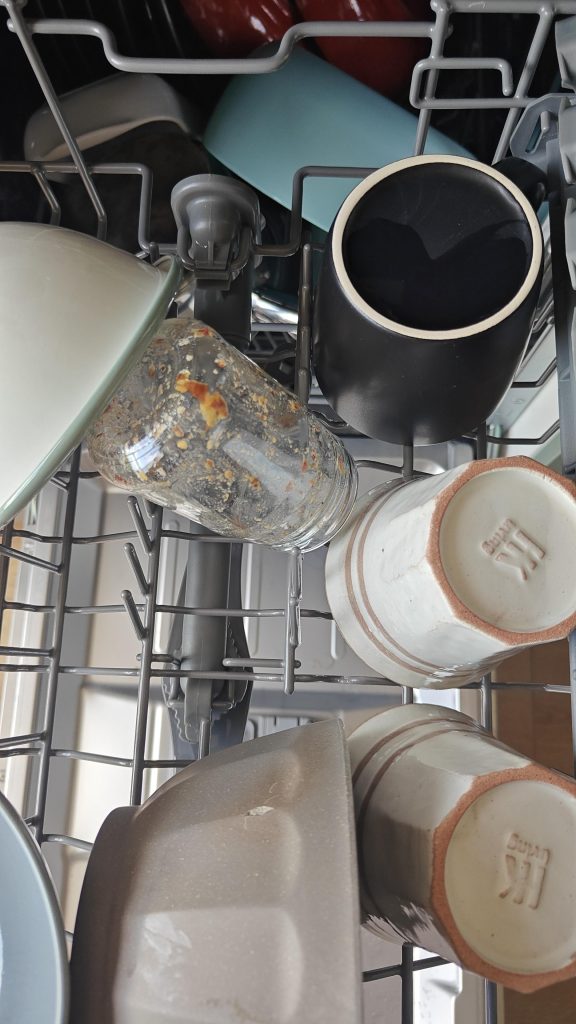
Have you ever opened your dishwasher, ready to put away your clean dishes, only to find that they feel gritty and unclean? It’s frustrating, isn’t it?
You expect your dishwasher to do its job and leave your dishes sparkling clean, yet here you are, running your fingers over plates that feel anything but spotless. You might wonder if something is wrong with your machine or if you’re doing something incorrectly.
In this post, we’ll dive into the reasons why your dishes might feel gritty after a cycle and what you can do to fix it. Understanding the root of the problem can save you time, energy, and help ensure that your dishwasher delivers the pristine results you deserve. Stick around, because the solution might be simpler than you think!
Common Causes Of Gritty Dishes
Gritty dishes after running your dishwasher can be frustrating. The rough texture often means something is wrong during the cleaning process. Several common causes lead to this issue. Understanding these can help you fix the problem and get spotless dishes every time.
Hard Water And Mineral Buildup
Hard water contains high levels of minerals like calcium and magnesium. These minerals can stick to your dishes and dishwasher parts. Over time, they form a gritty residue on plates and glasses. This buildup reduces cleaning effectiveness and leaves dishes feeling rough.
Clogged Dishwasher Filter
The dishwasher filter traps food particles and debris. When it becomes clogged, water cannot flow properly. Dirty water may recirculate during the wash cycle. This causes grit and leftover food bits to stay on your dishes.
Using Too Much Detergent
Using too much detergent creates excess suds. These suds do not rinse away fully. Leftover detergent can dry on dishes as a gritty film. It also interferes with the dishwasher’s rinsing power.
Rinsing Aid Issues
Rinsing aid helps water sheet off dishes for a spot-free finish. Without enough rinsing aid, water droplets leave mineral spots and grit. Using the wrong type or poor-quality rinsing aid can also cause residue buildup.

Credit: www.kitchenaid.ca
Diagnosing The Problem
When your dishes come out of the dishwasher feeling gritty, it’s frustrating and confusing. Before rushing to buy new detergent or replacing your dishwasher, take time to diagnose what’s really causing the problem. Understanding the root cause helps you fix the issue effectively and prevents it from happening again.
Checking Water Hardness
Hard water is a common culprit behind gritty residue on dishes. High mineral content, especially calcium and magnesium, can leave behind tiny particles that feel sandy or chalky.
You can test your water hardness using inexpensive test strips available online or at hardware stores. If your water is hard, consider installing a water softener or using dishwasher detergents designed for hard water.
Inspecting The Filter And Spray Arms
Sometimes the dishwasher itself is the problem. A clogged filter or blocked spray arms can prevent proper water flow, leaving food particles and detergent residue on your dishes.
Remove the dishwasher filter and clean it thoroughly under running water. Also, check spray arms for any blockages in the holes and clear them with a toothpick or small brush if needed.
Evaluating Detergent Type And Amount
Using too much or the wrong type of detergent can create a gritty film on your dishes. Powder detergents can sometimes leave residue if not fully dissolved, especially in cold water cycles.
Try switching to a gel or liquid detergent, and use the recommended amount listed on the packaging. Overloading your dishwasher with detergent won’t make your dishes cleaner—it often makes the problem worse.
Quick Fixes To Clear Gritty Residue
Gritty residue on dishes after running the dishwasher can be frustrating. Simple fixes often clear this problem quickly. Understanding these easy steps helps keep dishes clean and smooth.
Cleaning The Dishwasher Filter
The filter traps food particles and debris during washing. A clogged filter lets grit stay on dishes. Remove the filter from your dishwasher. Rinse it under warm water to clear trapped particles. Clean the filter every few weeks to maintain good washing results.
Adjusting Detergent Usage
Using too much detergent can cause residue buildup. Too little detergent may not clean dishes well. Follow the detergent instructions carefully. Use the right amount for your water hardness and load size. Try switching detergent brands if grit persists.
Using Rinse Aid Properly
Rinse aid helps water slide off dishes, reducing spots and residue. Check the rinse aid dispenser and fill it regularly. Adjust the amount released depending on water hardness. Proper rinse aid use improves drying and clears gritty films.
Running A Cleaning Cycle
Dishwashers collect grease and grime inside over time. Run a cleaning cycle to remove buildup. Use a dishwasher cleaner or a cup of white vinegar. Run the cycle empty on the hottest setting. Regular cleaning keeps the dishwasher working well and dishes spotless.

Credit: www.youtube.com
Preventing Future Grittiness
Dealing with gritty dishes after a dishwasher cycle can be frustrating. Luckily, you can take several steps to stop this problem from happening again. Focusing on regular care and smart choices will help you enjoy sparkling clean dishes every time.
Regular Dishwasher Maintenance
Keeping your dishwasher clean is key to preventing grit buildup. Check and clean the filter regularly to avoid food particles clogging the system. Don’t forget to wipe down the spray arms and door seals to ensure water flows freely and reaches every dish.
Have you noticed your dishwasher smelling off or draining slowly? These are signs it needs immediate attention. Running a dishwasher cleaner once a month can make a big difference.
Water Softening Solutions
Hard water leaves mineral deposits that cause gritty residue. Installing a water softener or using dishwasher-specific water softening agents can reduce these deposits. This makes your dishes feel smoother and cleaner.
If you’re unsure about your water hardness, try testing it with simple kits available online. Adjusting your dishwasher settings to handle hard water can also help.
Choosing The Right Detergent
Not all detergents work the same with every dishwasher or water type. Opt for a detergent designed for your water conditions—gel, powder, or pods all have pros and cons. Some detergents include built-in water softeners to fight grit effectively.
Have you experimented with different brands? Sometimes switching to a higher-quality detergent can solve persistent grittiness.
Proper Loading Techniques
How you load your dishwasher affects how well dishes get cleaned. Avoid overcrowding so water and detergent can reach all surfaces. Place items facing down or inward to maximize exposure to the spray.
Think about the type of dishes you’re washing. Glassware and plastic need gentle placement to avoid trapping residue. Small changes in loading could be the simple fix you need.

Credit: smol.com
Frequently Asked Questions
Why Do My Dishes Feel Gritty After Dishwasher?
Gritty dishes often result from leftover food particles or hard water deposits. Using too much detergent or a clogged filter can also cause this issue. Regularly cleaning your dishwasher and using a rinse aid can help prevent grit buildup on dishes.
Can Hard Water Cause Gritty Residue On Dishes?
Yes, hard water contains minerals that leave a gritty film on dishes. These minerals don’t dissolve well during washing. Installing a water softener or using a dishwasher detergent designed for hard water can reduce this residue effectively.
How Can I Fix Gritty Dishes After Dishwasher Cycles?
To fix gritty dishes, clean the dishwasher filter and spray arms regularly. Use the correct amount of detergent and add a rinse aid. Running an empty cycle with dishwasher cleaner monthly helps remove buildup and improves cleaning performance.
Does Detergent Type Affect Dish Grit After Washing?
Yes, using the wrong detergent or too much detergent can cause grit on dishes. Powder detergents sometimes leave residue if not dissolved properly. Switching to a high-quality liquid or gel detergent can reduce gritty residue.
Conclusion
Gritty dishes after a dishwasher cycle can be frustrating. Hard water, leftover food, or dishwasher settings often cause this problem. Cleaning the filter and using the right detergent helps. Running a hot water cycle before starting can improve results. Checking the rinse aid level also makes a difference.
Small changes lead to cleaner, sparkling dishes every time. Keep these tips in mind for better dishwasher performance. Your dishes will feel smooth and look great again. Simple steps make a big difference in your kitchen routine.