Imagine opening your dishwasher after a cycle, expecting that fresh, clean scent, only to be greeted by the unpleasant odor of melted plastic. It’s frustrating, right?
You wonder how it happened and, more importantly, how to get rid of that awful smell. Don’t worry; you’re not alone. This common issue can affect anyone, and thankfully, there are simple solutions to tackle it. By understanding why this happens and following a few straightforward steps, you can restore your dishwasher to its odor-free glory.
Ready to learn how to banish that pesky smell once and for all? Let’s dive in and get your kitchen back to smelling fresh and clean.
Causes Of Melted Plastic Smell
The melted plastic smell in a dishwasher often signals a problem inside the appliance. This odor can come from plastic items that heat up too much or parts of the dishwasher itself. Understanding the causes helps prevent damage and keeps your dishwasher smelling fresh.
Common Sources Inside Dishwasher
Plastic parts inside the dishwasher, like racks or clips, can melt if exposed to high heat. Food containers or utensils made of plastic may also be the source. Sometimes, small plastic pieces fall into the dishwasher’s heating element area and burn, causing the smell.
Plastic Items Left In Dishwasher
Plastic items not designed for dishwasher use can melt during the cycle. Thin plastic containers or lids can warp or melt if placed near the heating element. Even small plastic pieces left behind from packaging or labels can cause a burnt plastic smell when heated.
Heat Settings And Plastic Melting
High heat settings increase the risk of melting plastic. Some dishwashers have powerful drying cycles that get very hot. Using the wrong cycle or temperature can cause plastic items to melt or deform. Lower heat settings reduce this risk and protect plastic items.
Credit: www.onesmileymonkey.com
Immediate Steps To Remove Odor
Getting rid of that stubborn melted plastic smell from your dishwasher requires quick and careful action. The longer the odor lingers, the harder it becomes to eliminate. Taking immediate steps can prevent the smell from settling into every corner of your appliance and your kitchen.
Unplug And Inspect Dishwasher
First, unplug your dishwasher to ensure your safety while inspecting it. Carefully open the door and look for any visible signs of melted plastic. Check areas like the heating element, spray arms, and filters where plastic might have stuck or melted.
Have you noticed any discoloration or unusual residue? This can help you identify the exact spots that need cleaning and prevent damage if you act quickly.
Remove Melted Plastic Residue
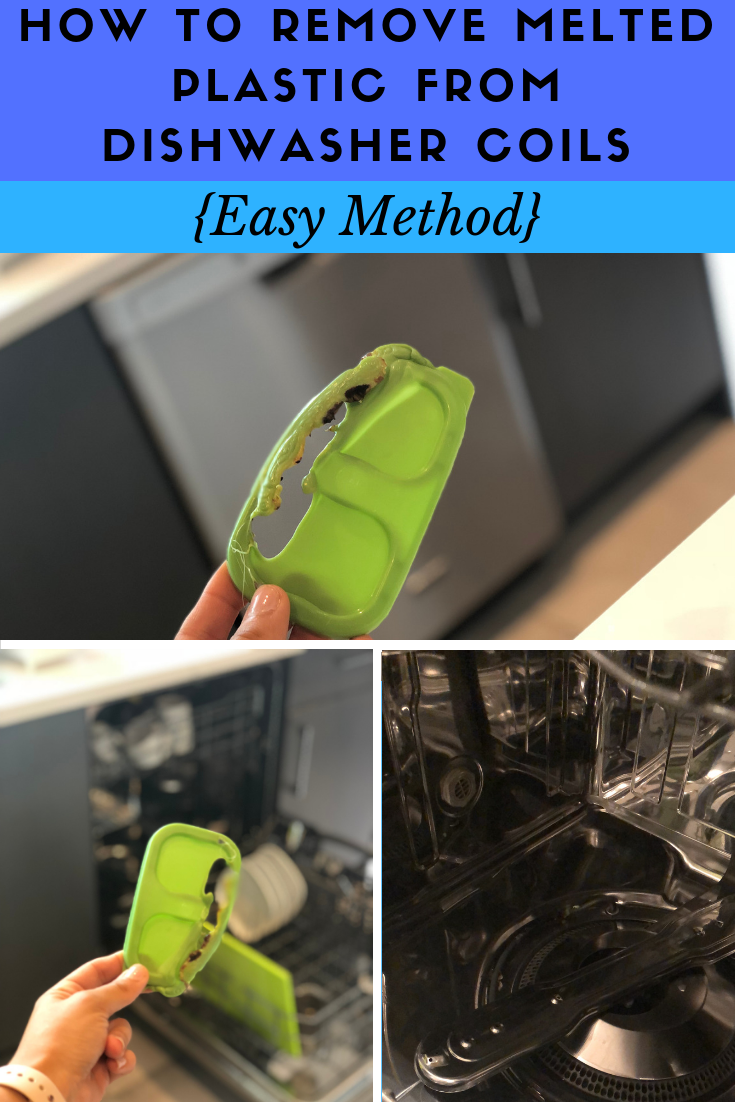
Once you spot the melted plastic, gently remove as much as possible with your fingers or a soft tool. Avoid using sharp objects that could damage the dishwasher’s surfaces. If the plastic is hard to remove, try softening it by placing a warm, damp cloth over the area for a few minutes.
Using a plastic scraper or a wooden spatula often works well without scratching. After removal, clean the area with a mild detergent and a sponge to get rid of lingering particles.
Air Out The Dishwasher
After cleaning, leave the dishwasher door open for several hours to let fresh air circulate. This helps reduce the odor naturally without adding harsh chemicals. Placing a small bowl of baking soda inside can absorb some of the remaining smell.
Have you ever noticed how fresh air alone can change the atmosphere? Sometimes, this simple step is overlooked but can make a big difference in eliminating odors.
Cleaning Methods For Odor Removal
Getting rid of that melted plastic smell from your dishwasher can feel like a tough challenge. However, targeted cleaning methods can make a huge difference. You don’t need fancy products—simple household items and a bit of effort can restore freshness to your appliance.
Use Of Vinegar And Baking Soda
Vinegar and baking soda are powerful natural cleaners that neutralize odors effectively. Start by sprinkling a cup of baking soda at the bottom of your empty dishwasher. Then, pour a cup of white vinegar into a dishwasher-safe container on the top rack and run a hot water cycle.
This combination helps break down residue and lifts away smells trapped inside. Have you noticed how these two ingredients work wonders in other cleaning tasks? They’re just as effective in your dishwasher.
Running A Cleaning Cycle
Many dishwashers come with a dedicated cleaning cycle designed to tackle buildup and odors. If your machine has this feature, run it regularly using a dishwasher cleaner tablet or liquid. These cleaning agents target grease, food particles, and chemical residues.
If you don’t have a cleaning cycle, simply run the hottest water cycle with an empty dishwasher and a cup of vinegar or a specialized cleaner. Keeping this routine every month can prevent smells from returning and improve your dishwasher’s performance.
Cleaning Dishwasher Filters And Seals
Filters and door seals often trap bits of food and melted plastic remnants, causing persistent odors. Remove the filter according to your dishwasher manual and rinse it under warm water to clear debris. Use a soft brush or cloth to scrub away stubborn grime.
Check the rubber seals around the door carefully—wiping them with a cloth dipped in vinegar or mild soap removes buildup. Overlooking these parts can let odors linger despite other cleaning efforts. How often do you inspect these hidden spots?
Preventing Future Melted Plastic Smells
Preventing melted plastic smells in your dishwasher is all about smart choices and regular care. Avoiding future odors saves you time and keeps your kitchen fresh. Let’s look at simple actions you can take to stop that plastic smell from coming back.
Avoiding Plastic Items In Dishwasher
Plastic items are often the main cause of melting smells. Not all plastics are dishwasher-safe, especially those not labeled for high heat. You should check the bottom of your containers for dishwasher-safe symbols before placing them inside.
Try to wash delicate plastic items by hand. This reduces the risk of melting and the resulting odor. Have you noticed that certain plastic lids or containers get misshapen after a cycle? Avoid putting those in the dishwasher altogether.
Adjusting Dishwasher Settings
Your dishwasher’s settings can influence the heat exposure to plastic items. Using a lower heat or eco-friendly cycle can prevent plastics from melting. These settings use gentler water temperatures that still clean effectively.
Consider skipping the drying cycle if you often wash plastic. Air drying reduces the chance of plastic warping or melting from heat. Have you tried adjusting your dishwasher’s temperature settings lately? It might make a big difference.
Regular Maintenance Tips
Keeping your dishwasher clean helps prevent lingering smells. Regularly remove and clean the filter to stop buildup of food particles and grease. Wipe down the door seals and spray arms to keep everything running smoothly.
Run an empty cycle with a cup of white vinegar or a dishwasher cleaner once a month. This breaks down residue that causes odors. How often do you clean your dishwasher? Making it a habit can keep unwanted smells away for good.
When To Call A Professional
Sometimes, the smell of melted plastic in your dishwasher won’t disappear no matter how much you clean. This is when it’s smart to consider calling a professional. Knowing the right time to ask for expert help can save you from bigger problems and unnecessary repairs.
Signs Of Persistent Odor
If the plastic smell lingers after multiple cleanings, it could mean there’s something stuck deep inside the dishwasher. You might notice the odor returning quickly after each wash cycle or a strong smell even when the machine is off. This persistence usually means the source isn’t easy to reach or remove without special tools.
Have you tried running the dishwasher empty with vinegar or baking soda and still smell the plastic? That’s a clear sign to get a professional to inspect it. Ignoring this can lead to the smell spreading to your dishes or kitchen.
Possible Damage To Dishwasher Components
Melted plastic can damage heating elements, spray arms, or seals inside the dishwasher. If you hear unusual noises during cycles or see visible signs of melting or warping, these are red flags. Damage to these parts can not only cause odors but also affect the dishwasher’s cleaning performance.
Calling a technician can help identify hidden damage before it worsens. They can replace faulty parts and ensure your dishwasher runs safely. Would you want to risk a fire hazard or costly replacement by ignoring these signs?

Credit: www.reddit.com

Credit: danmarcappliance.com
Frequently Asked Questions
How To Remove Melted Plastic Smell From Dishwasher?
Run a hot wash cycle with vinegar or baking soda. Clean filters and wipe interior to eliminate odor. Ensure proper ventilation during cleaning.
Why Does Dishwasher Smell Like Burnt Plastic?
Burnt plastic smell occurs when plastic melts onto the heating element or racks. This releases a strong odor that lingers until cleaned.
Can Vinegar Eliminate Dishwasher Plastic Odors?
Yes, vinegar neutralizes odors and cleans residue. Use one cup of white vinegar in a hot cycle to freshen your dishwasher.
How To Prevent Melted Plastic Smell In Dishwasher?
Avoid placing plastic items near heating elements. Use dishwasher-safe containers only and check for melting signs regularly.
Conclusion
Getting rid of melted plastic smell in your dishwasher is simple. Use basic cleaning steps and fresh air to remove odors fast. Always check your dishwasher for leftover plastic bits after use. Regular cleaning stops smells from coming back again.
A fresh-smelling dishwasher makes your kitchen more pleasant. Small actions save you from big problems later. Keep your dishwasher clean and smell-free with these tips. Enjoy using your dishwasher without worrying about bad smells.