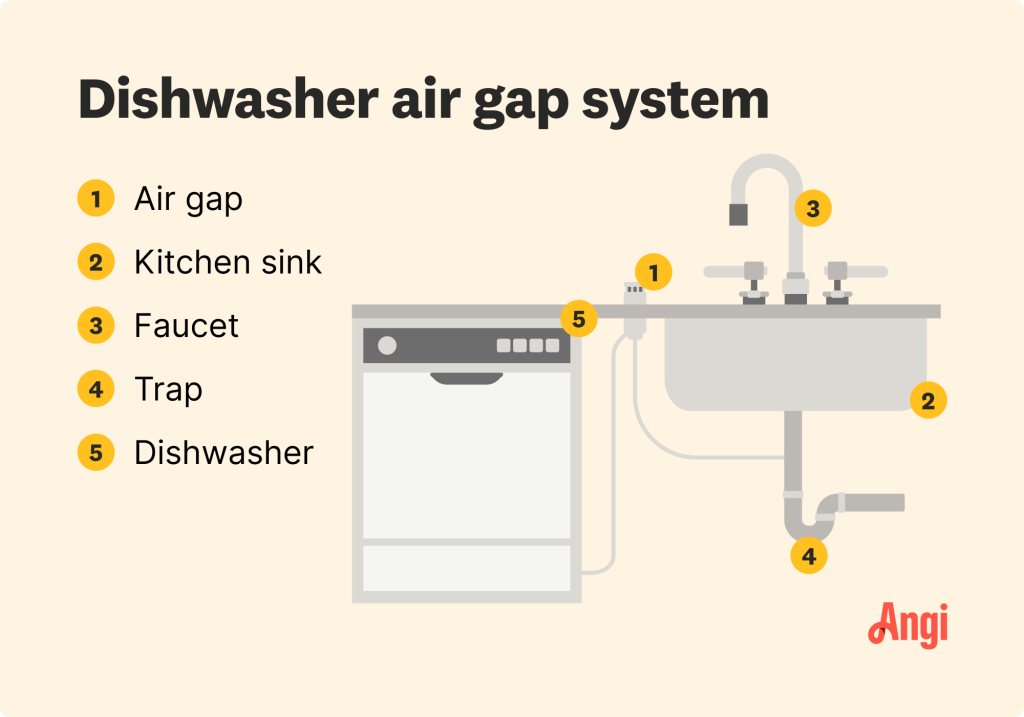
Have you ever wondered if your dishwasher really needs an air gap? This small device might seem insignificant, but it plays a crucial role in protecting your home’s plumbing.
If you’ve ever faced the frustration of a backed-up dishwasher or a mysterious kitchen flood, the air gap might just be the unsung hero you’re missing. As you delve into the world of dishwashers and air gaps, you’ll discover how this tiny component can save you from costly repairs and headaches.
Stay with us as we unravel the mystery, ensuring your kitchen remains both efficient and trouble-free.
Purpose Of An Air Gap
The purpose of an air gap in dishwasher installations often confuses many homeowners. It’s not just an extra piece of hardware but a crucial component for maintaining your kitchen’s hygiene and plumbing safety. Understanding why an air gap exists can help you decide if your dishwasher setup truly needs one.
Preventing Backflow
An air gap acts as a safety barrier that stops dirty water from flowing back into your dishwasher. Without it, wastewater from your sink or garbage disposal could siphon back, contaminating clean dishes. Have you ever noticed a strange odor coming from your dishwasher? Backflow could be the culprit.
This device creates a physical break between the dishwasher drain and the home’s plumbing. That break ensures wastewater only moves in one direction — out of your dishwasher. Installing an air gap can save you from costly repairs and health risks linked to contaminated water.
Ensuring Sanitary Drainage
Sanitation is another key reason to have an air gap. It prevents bacteria and food particles from your sink drain from entering the dishwasher during the draining process. This keeps your dishes truly clean and safe to use.
Imagine washing your favorite glassware only to have it contaminated by dirty water from the sink. The air gap stops this from happening by allowing air to break any potential vacuum that might pull drain water back. It’s a simple addition that protects your family’s health every time you run the dishwasher.

Credit: www.reddit.com
When Air Gaps Are Required
Understanding when an air gap is required for your dishwasher is key to avoiding drainage problems and ensuring safe operation. Not every dishwasher setup calls for one, but certain conditions and locations make it a must-have. Let’s look closely at what determines the need for an air gap in your dishwashing system.
Local Plumbing Codes
Local plumbing codes often dictate whether an air gap is necessary. These codes vary widely depending on where you live, reflecting differences in water safety regulations.
For example, many areas in the United States require an air gap to prevent contaminated water from siphoning back into your clean water supply. Ignoring these rules can lead to costly fines or failed inspections.
Checking with your local building department or a licensed plumber before installation can save you headaches. Have you ever tried installing something only to find out it didn’t meet local standards?
Types Of Dishwasher Installations
The way your dishwasher is installed also affects whether you need an air gap. If the dishwasher drains directly into the sink drain or garbage disposal, an air gap is often required to prevent backflow.
On the other hand, some installations use a high loop in the drain hose as an alternative to an air gap. This method might be allowed by some codes but not all.
Consider your kitchen layout and plumbing setup carefully. Are you running the drain line through a garbage disposal, or is it connected differently? These details can determine the necessity of an air gap.
Alternatives To Air Gaps
Not all dishwashers require an air gap to prevent dirty water from flowing back into the clean water supply. Many homeowners choose other solutions that are easier to install and still keep the dishwasher safe and effective. These alternatives help maintain proper drainage and reduce the risk of contamination.
High Loop Method
The high loop method raises the dishwasher drain hose to a point higher than the sink’s flood level. This creates a natural barrier that stops dirty water from flowing back into the dishwasher.
- The hose loops up under the countertop or cabinet.
- It must be secured firmly to hold the loop in place.
- This method works well with most kitchen sink setups.
- It is a simple and cost-effective solution.
Though less secure than an air gap, the high loop method meets many local plumbing codes.
Built-in Dishwasher Features
Many modern dishwashers come with built-in features to prevent backflow. Manufacturers design these machines with internal check valves or backflow preventers.
- Check valves stop water from flowing backward.
- These features reduce the need for external air gaps.
- They improve dishwasher safety and hygiene.
- Installation is usually straightforward with these models.
Always check the dishwasher’s manual to confirm if it has backflow prevention.
Installation Considerations
Installing a dishwasher might seem straightforward, but there are important details you should consider to ensure it works safely and efficiently. One key aspect is whether or not you need an air gap, which helps prevent dirty water from siphoning back into your clean dishes. Understanding installation considerations can save you from costly mistakes and plumbing problems down the road.
Placement Options
Choosing where to place your dishwasher affects both functionality and compliance with plumbing codes. Typically, dishwashers connect to the sink drain or garbage disposal, so they should be near these fixtures. Placing the dishwasher too far can require longer drain hoses, which increases the risk of clogs or leaks.
Think about your kitchen layout and how easy it will be to install an air gap if required. Some homeowners opt to install the air gap on the countertop near the faucet, while others hide it behind the sink or inside the cabinet. Each option has pros and cons related to accessibility and appearance.
Common Installation Mistakes
Many people overlook the importance of securing the dishwasher drain line correctly. If the drain hose dips below the sink’s drain without an air gap or high loop, dirty water can flow backward into your dishwasher. This mistake often leads to foul smells and potential contamination.
Another frequent error is ignoring local plumbing codes, which may mandate an air gap installation. Skipping this step might save time initially but could cause issues during home inspections or lead to water damage. Have you checked if your municipality requires an air gap before installing?
Benefits Of Using An Air Gap
An air gap offers key benefits for dishwasher installation and operation. It helps maintain cleanliness and protects your home’s plumbing. Using an air gap adds a layer of safety and prevents issues that can be costly to fix.
Improved Hygiene
An air gap stops dirty water from flowing back into the dishwasher. This prevents contamination from sink water or garbage disposals. Clean water always reaches your dishes, reducing health risks. It also blocks bacteria and mold from entering your dishwasher.
Protecting Plumbing Systems
The air gap prevents wastewater from backing up into your dishwasher and pipes. This avoids clogs and damage to plumbing components. It helps maintain proper water flow and pressure in your system. Using an air gap reduces the chance of leaks and costly repairs.
Potential Issues Without An Air Gap
Dishwashers without an air gap can face serious problems. These issues affect both hygiene and appliance performance. Understanding these risks helps protect your kitchen and health.
Risk Of Contamination
Without an air gap, dirty water can flow back into the dishwasher. This backflow can carry harmful bacteria and debris. Contaminated water may touch clean dishes, causing health risks. An air gap stops this by creating a physical barrier. It prevents wastewater from mixing with fresh water.
Drainage Problems
Drainage can get blocked without an air gap. Water may not drain properly, causing backups. This can lead to leaks under the sink or dishwasher. Poor drainage also reduces dishwasher efficiency. An air gap helps water flow smoothly and keeps pipes clear.
Maintenance Tips For Air Gaps
Maintaining your dishwasher’s air gap is key to keeping your kitchen running smoothly. An air gap prevents dirty water from flowing back into your dishwasher, but it can get clogged or dirty over time. Regular care ensures it works effectively and prevents unpleasant odors or drainage issues.
Cleaning Procedures
Start by removing the air gap cover on your sink or countertop. You might find food debris, soap scum, or even mold inside. Use a small brush or an old toothbrush to scrub the inside gently.
Flush the air gap with warm water to wash away loosened debris. If buildup is stubborn, a mixture of vinegar and baking soda can help break it down. Rinse thoroughly to avoid leaving any residue behind.
Remember, cleaning the air gap every few months can prevent many common dishwasher problems. Have you checked yours lately?
Troubleshooting Blockages
If your dishwasher isn’t draining properly, the air gap could be blocked. Look for signs like water pooling in the sink or dishwasher, or a strange gurgling sound.
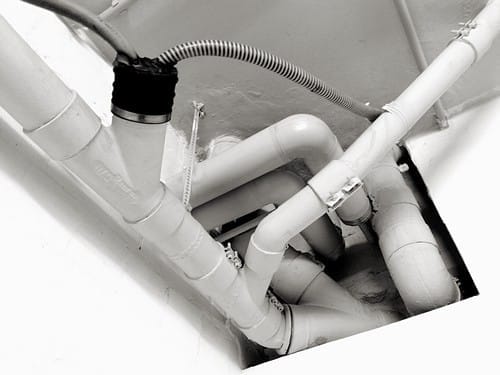
To clear blockages, disconnect the hose connected to the air gap and inspect it for clogs. Use a flexible wire or pipe cleaner to gently push through any blockages.
Once cleared, reattach the hose and run your dishwasher to see if the problem is fixed. Persistent issues might mean the air gap or hose needs replacing. Don’t let a small clog turn into a big headache.
Credit: coolingheatingplumbing.com
Credit: www.searshomeservices.com
Frequently Asked Questions
Do All Dishwashers Require An Air Gap?
Not all dishwashers require an air gap. It depends on local plumbing codes and installation type. Air gaps prevent dirty water from backflowing into the dishwasher, ensuring hygiene. Some regions mandate air gaps, while others allow high loop drain methods instead.
What Is The Purpose Of A Dishwasher Air Gap?
A dishwasher air gap prevents dirty water from flowing back into the clean water supply. It acts as a physical barrier, protecting your dishwasher from contamination. This device helps maintain sanitary conditions and complies with plumbing codes in many areas.
Can A Dishwasher Function Without An Air Gap?
Yes, a dishwasher can function without an air gap if local codes allow it. Alternatives like a high loop in the drain hose are often used. However, an air gap provides better protection against backflow and is preferred in many installations.
Where Is The Air Gap Installed On A Dishwasher?
The air gap is typically installed on the sink or countertop near the faucet. It connects the dishwasher drain hose to the sink drain or garbage disposal. This placement allows air to break any backflow, preventing contamination of clean water.
Conclusion
Not all dishwashers need an air gap. Local rules often decide this. Air gaps help prevent dirty water from flowing back. They add safety to your kitchen plumbing. Some dishwashers have built-in protections already. Check your home’s plumbing codes before installing one.
A simple step can protect your water supply. Always aim for clean, safe water in your home.